




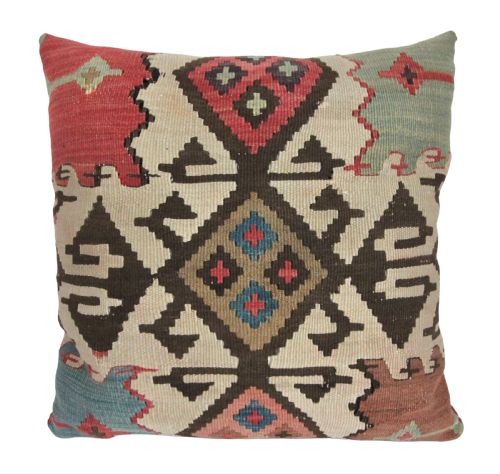

Handwoven Rug Pillow
These handwoven rug pillow examples turn old tribal textiles into practical cushions, offering a direct link to nineteenth-century nomadic weaving traditions.
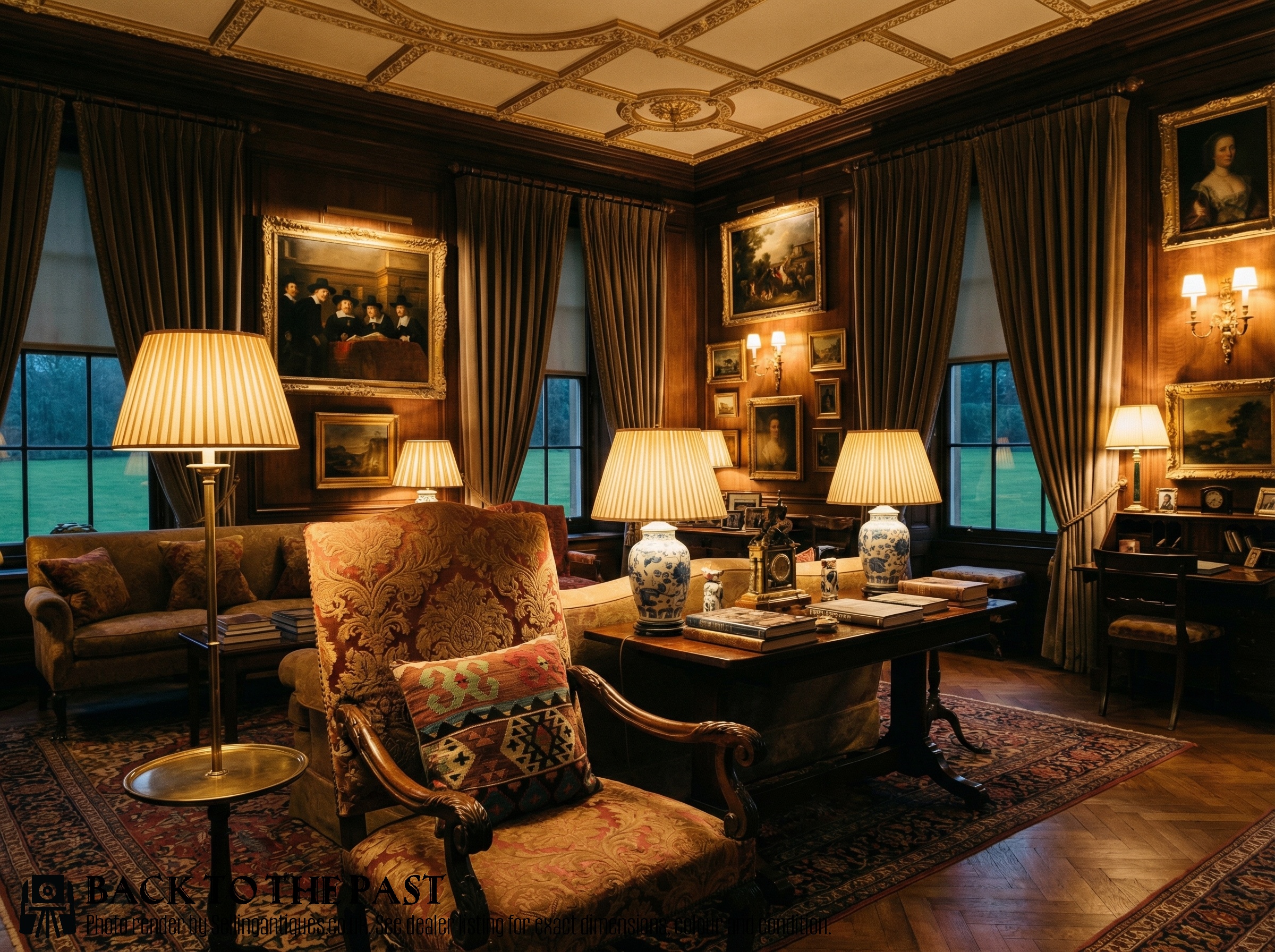
Handwoven Rug Pillow
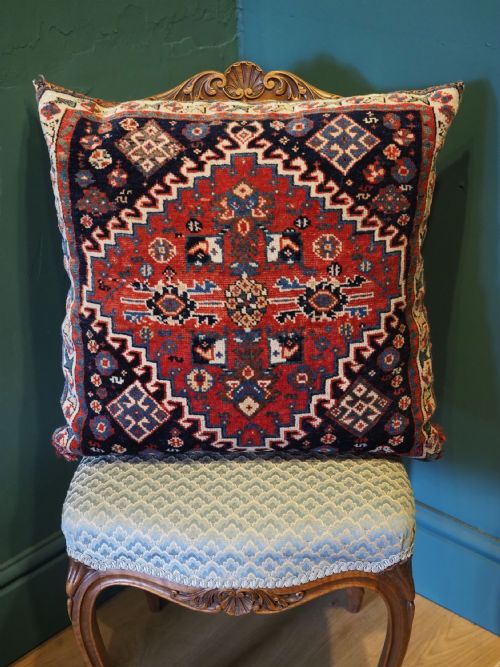
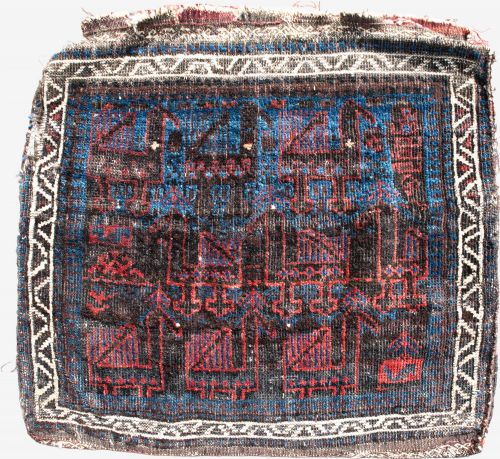
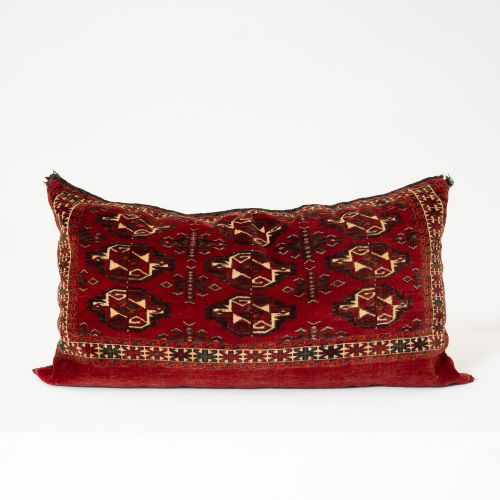
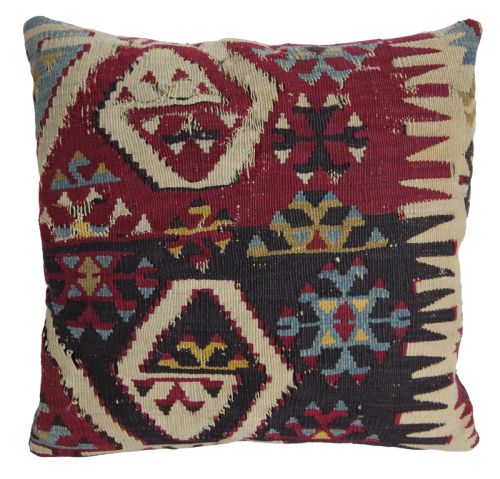
A handwoven rug pillow repurposes historical flatweaves and pile carpets into functional home furnishings. Buyers seeking this phrase encounter repurposed fragments such as bag faces, torbas, chuvals, and saddlebags originating from nomadic and village traditions.
Materials and construction
The foundation rests on hand-spun wool and cotton, worked with natural dyes to create durable flatweave and pile surfaces. Weavers utilised traditional techniques such as slit-tapestry kilim weaving and knotting to produce dense geometric patterns.
Makers constructed these functional items by mounting antique bag faces and rug fragments onto supportive fabric backs. This method preserves historic weaving while adapting tribal textiles for domestic seating.
The listings draw exclusively from nineteenth and early twentieth-century periods, showcasing wool, cotton, and natural dye materials across tribal forms.
Assessing quality in nomadic cushions
Quality depends upon the integrity of the original textile and the fidelity of the weaving structure. Finer examples display tightly packed wool, balanced natural dye palettes, and crisp tribal motifs that retain their structural strength.
The condition of the vintage fabric and the execution of the backing assembly influence the overall execution. Superior pieces maintain their original borders and tribal iconography without excessive disruption from the conversion process.
The Handwoven Rug Pillow Glossary
- Bag face
- The decorative front panel of a nomadic storage bag, frequently repurposed into a cushion.
- Torba
- A small tent-hanging or storage bag produced by Turkmen tribes, often featuring characteristic guls.
- Chuval
- A large Turkmen tent storage bag used for bedding and household goods.
- Kilim
- A flatwoven textile made without a pile, forming the face of many traditional cushions.
- Gul
- A medallion motif repeated across Turkmen and tribal carpets to denote specific tribal lineage.
Handwoven Rug Pillow: Frequently Asked Questions
Are these cushions made from authentic old rugs?
The listings comprise historic fragments dating from the nineteenth and early twentieth centuries, repurposed into cushion form.
Craftsmen adapt genuine tribal bag faces and flatweaves to create these domestic textiles.
How do I identify different tribal designs?
Distinctive motifs such as guls, geometric medallions, and specific border arrangements indicate particular regional origins.
Weaving structures and palette choices also point to groups like the Turkmen, Baluch, or Qashqa'i.
How should I care for a textile cushion?
Gentle surface cleaning and protection from direct sunlight preserve the natural wool and dyes.
Rotating the cushion reduces uneven wear on historic pile and flatweave surfaces.
What is a bag face cushion?
A bag face cushion utilises the ornamental front of a nomad's utility bag as the display surface.
These panels originally served utilitarian storage roles within tribal tents before conversion.