



Persian Wool Pillow
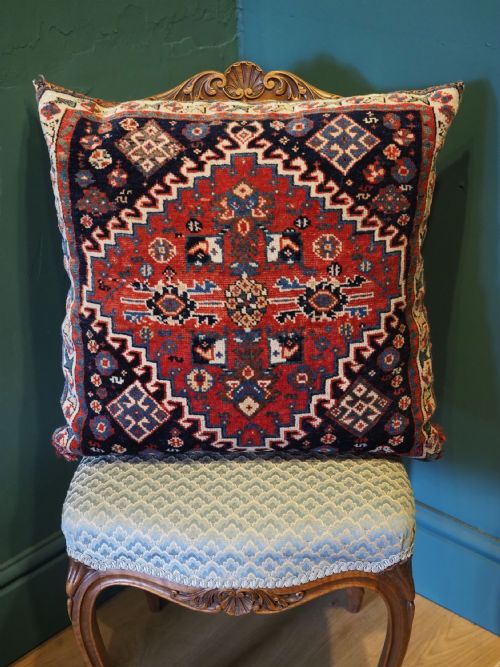
These persian wool pillow examples bring authentic nomadic and tribal textile fragments into modern rooms as durable floor cushions.
Persian Wool Pillow
When you search for a persian wool pillow, you are looking at utilitarian nomadic textiles that have been converted into cushions and soft furnishings. The pieces on this page span the mid nineteenth century through the early twentieth century, originating from tribal groups across Persia and neighbouring regions.
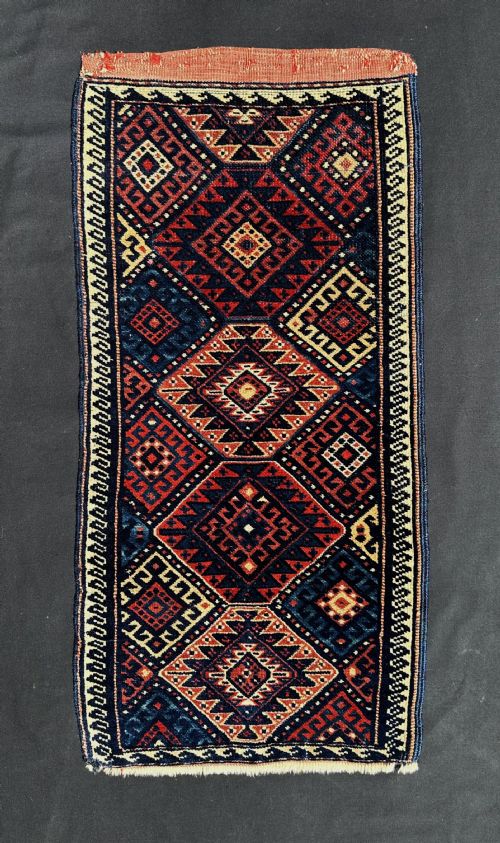
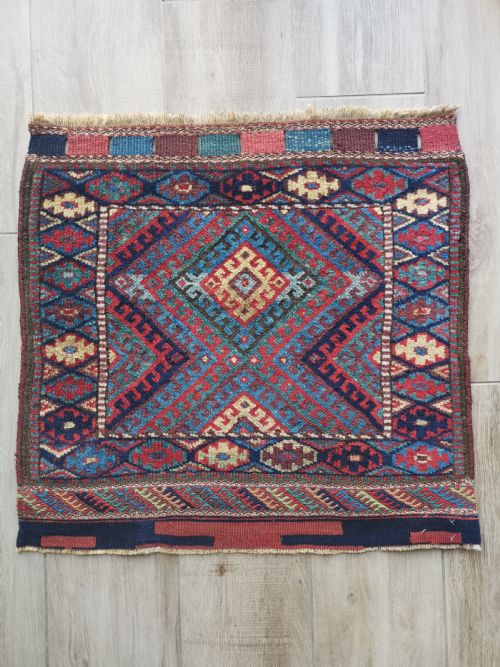
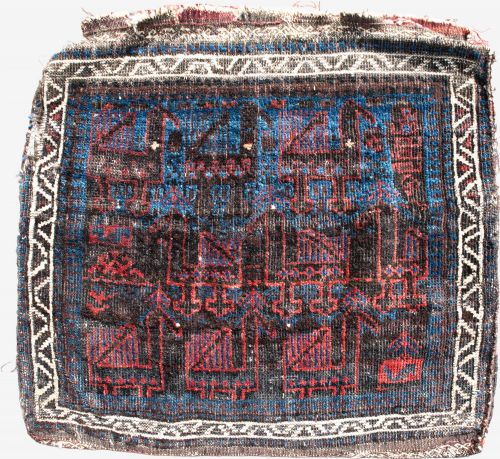
You are most likely to meet bag faces, saddlebags, and kilim fragments repurposed into cushions. These items include Qashqai, Baluch, Kurdish, Khamseh, and Shahsavan weaves, which utilise traditional nomadic motifs and structures.
How they were made
The materials recorded in these listings rely entirely on wool and cotton, processed using hand-spun wool and coloured with natural dyes. Weavers constructed these textiles on portable ground looms within tribal and nomadic settings.
The construction methods combine flatweave kilim techniques with pile knotting, depending on whether the object began life as a saddlebag face, a pushti face, or a storage bag.
Persian Wool Pillow Retail Price Guide 2026
Typical asking prices for persian wool pillow among the pieces listed under this phrase on Sellingantiques today, from the lower quarter to the upper quarter. They describe what is for sale here now, not the wider market.
Many of these cushions started life as saddlebags carried across rugged terrain by nomadic tribes.
What varies in quality
Quality in these textiles rests upon the density of the weave, the handling of the hand-spun wool, and the complexity of the tribal design. Pieces displaying deeply saturated natural dyes and precise tribal iconography stand apart from simpler variations.
The integrity of the original bag face or kilim fragment dictates the success of the conversion into a cushion. Finer tribal examples retain crisp geometric or pictorial layouts that reflect the distinct regional identity of the maker.
The Persian Wool Pillow Glossary
- Bag face
- The decorative front panel of a nomadic storage bag or saddlebag. These panels are frequently repurposed into cushions and pillows.
- Kilim
- A flatweave textile produced without a pile. These pieces form sturdy cushion covers with sharp geometric patterns.
- Pushti
- A small rug or mat, often used as a cushion or lean-back pillow in tribal dwellings.
- Saddlebag
- A paired utilitarian container woven for transport on animals. Surviving halves are often converted into soft furnishings.
Persian Wool Pillow: Frequently Asked Questions
How were these bags used originally?
Nomadic tribes utilised these woven pieces as functional saddlebags, storage sacks, and transport containers for daily camp life. They carried possessions across regions like Fars and Khorassan.
Over time, surviving textile panels are separated and backed with fabric to serve as floor cushions and decorative pillows.
How do I care for wool cushions?
These antique wool textiles require gentle maintenance to preserve the natural dyes and hand-spun fibres. Regular light vacuuming without a beater bar removes dust safely.
Professional specialist cleaning is recommended for any deeper maintenance to protect the historic structure of the weave.
How do I identify different tribal styles?
Tribal attribution relies on specific design repertoires, knotting structures, and colour palettes associated with groups such as the Qashqai, Baluch, and Shahsavan. Each region developed distinct geometric motifs.
Examining the back of the textile and the structure of the wool helps determine the probable weaving origin.