

Handwoven Persian Rug
A handwoven persian rug brings tribal design and handmade character into a room through enduring wool and natural dye work.
Handwoven Persian Rug
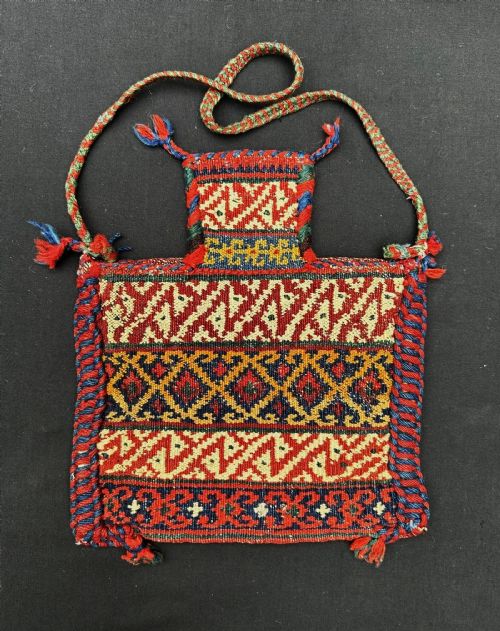
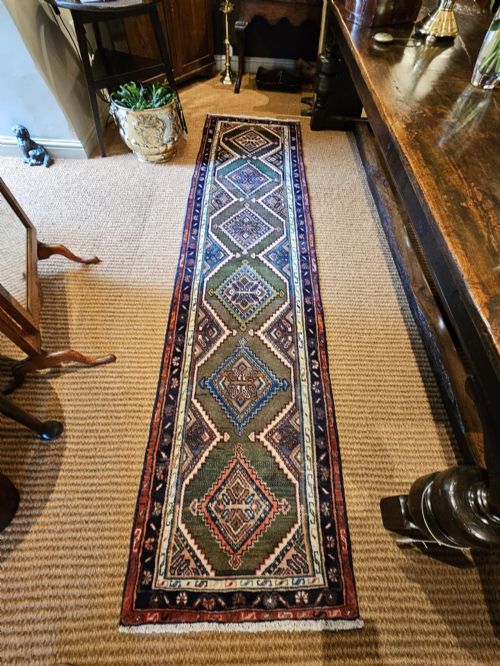
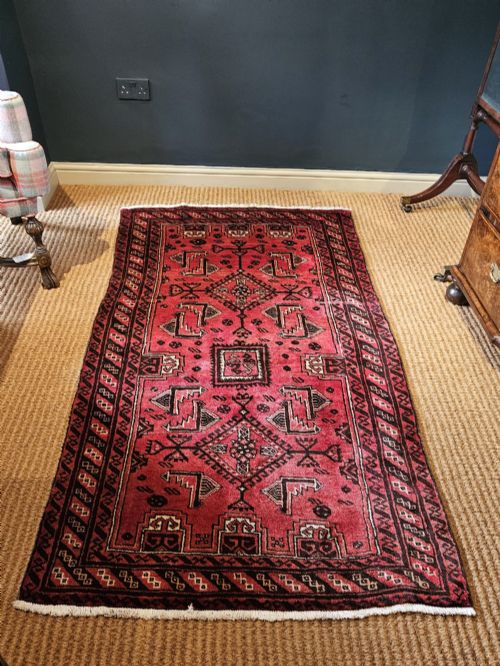
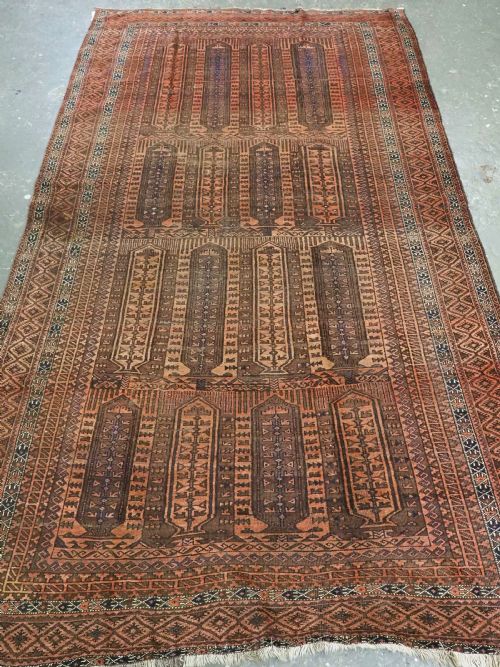
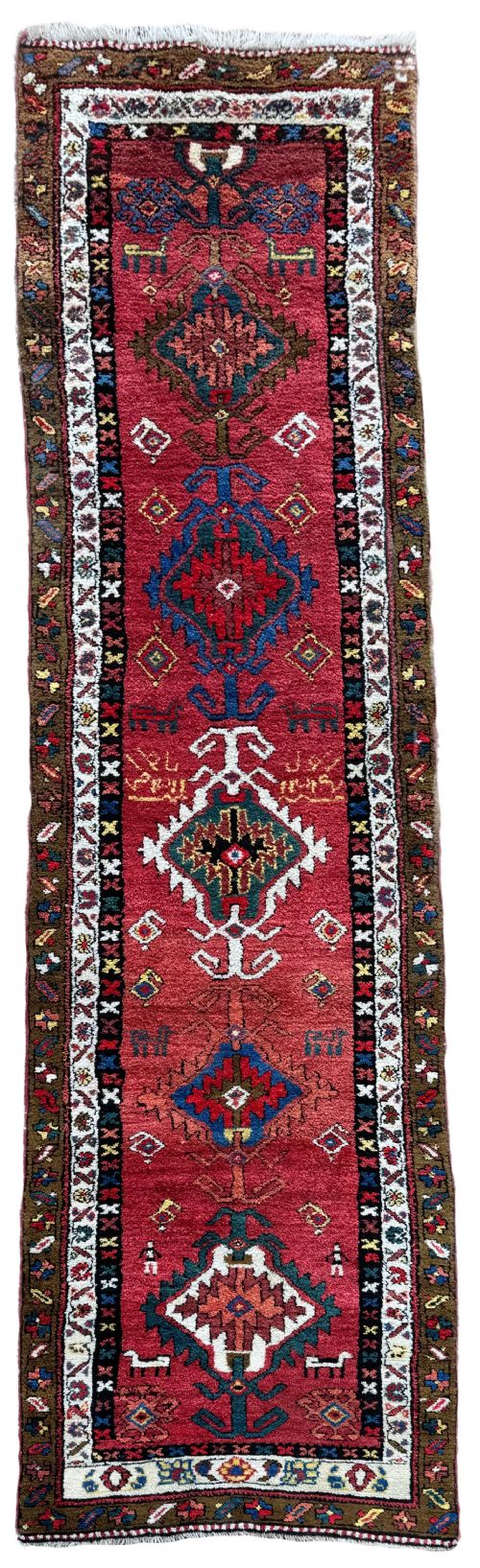
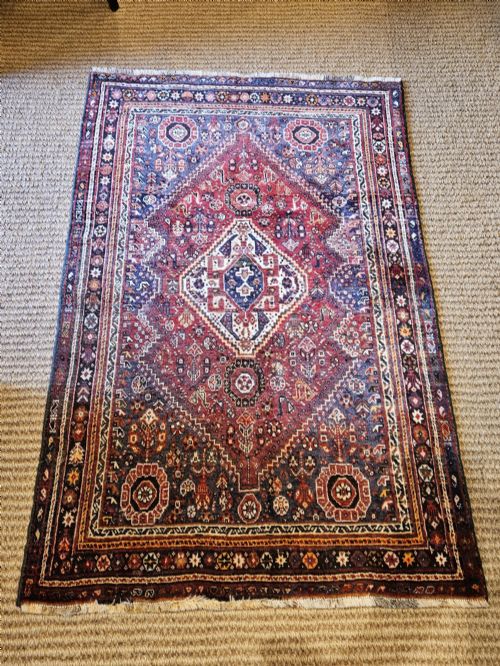
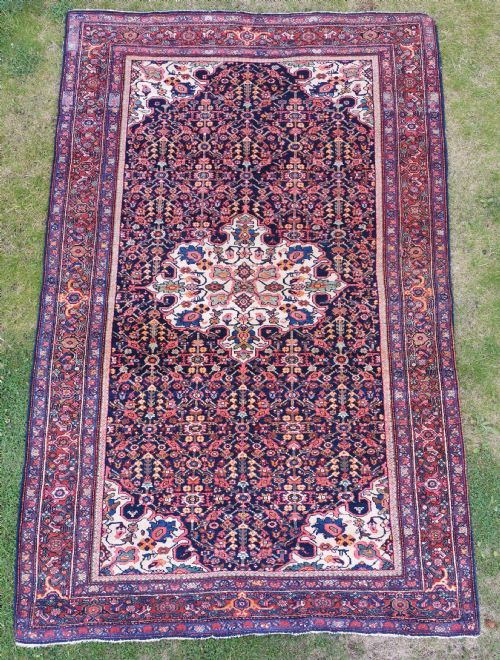
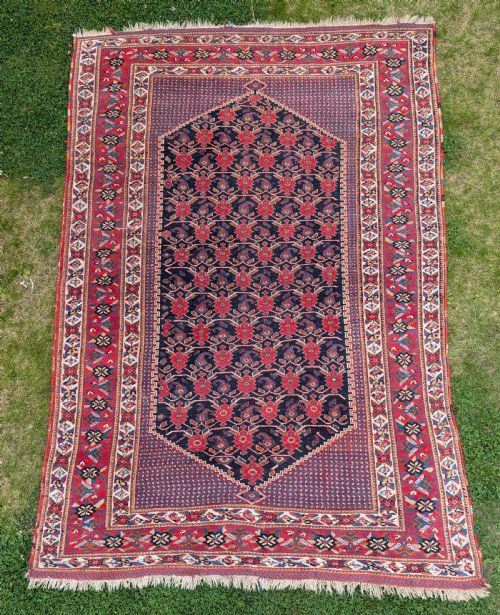
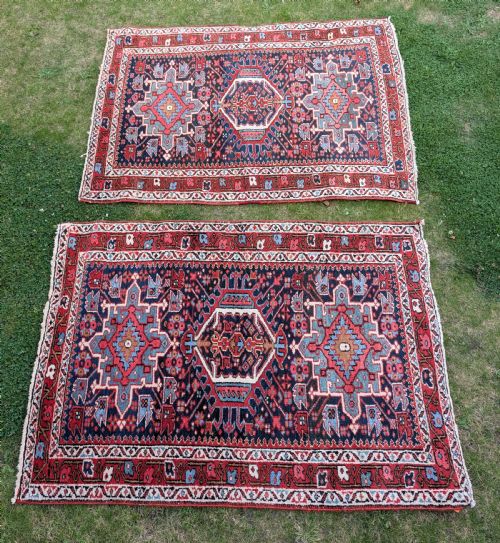
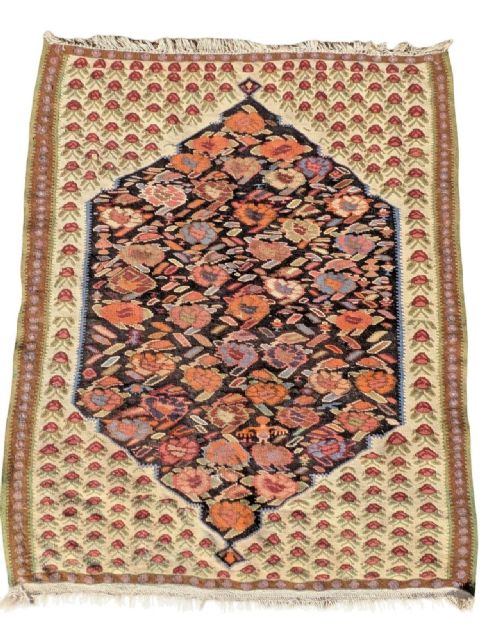
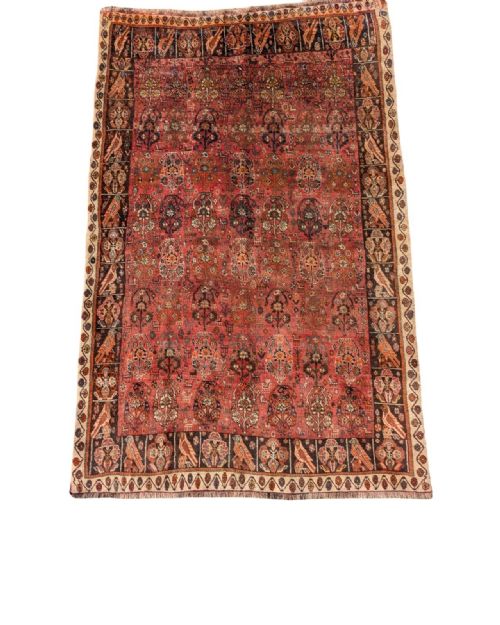
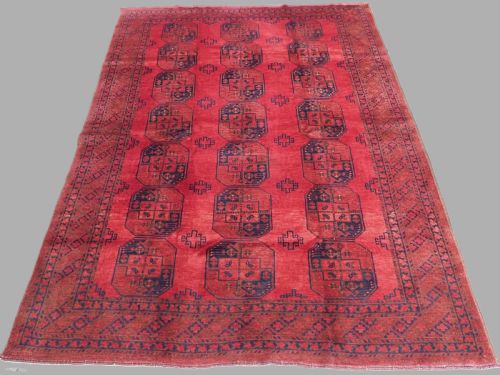
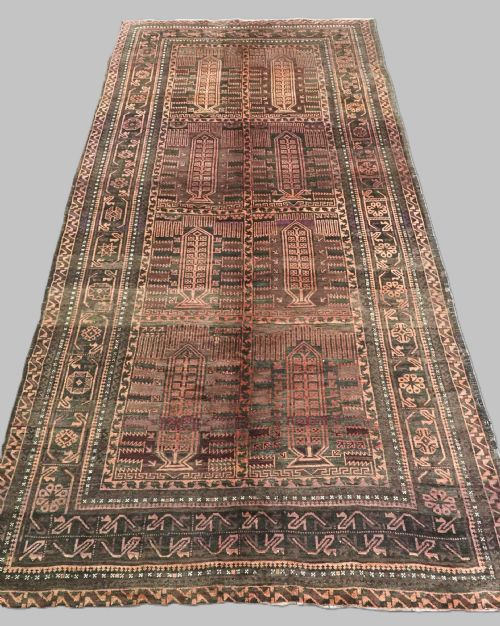
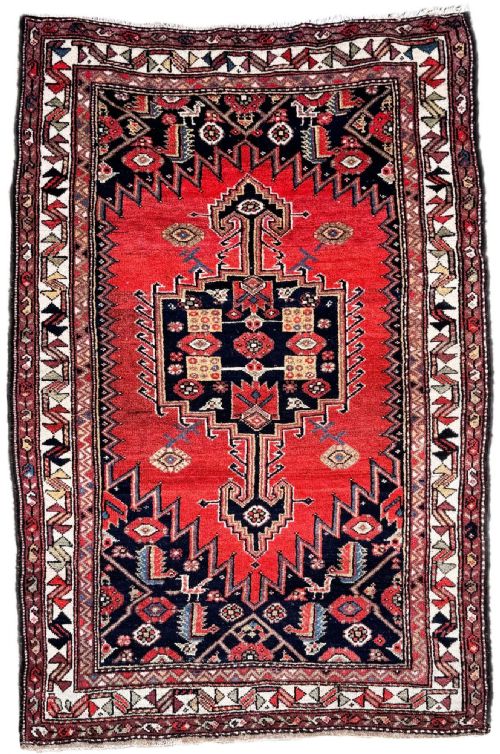
A handwoven persian rug spans village and nomadic formats from the nineteenth and early twentieth centuries, including Heriz carpets, Hamadan room-sizes, and smaller tribal bags. These pieces emerge from regions such as Kerman, Fars, and the broader Persian territory, showcasing traditional regional motifs.
The selections on this page heavily feature village runners, room-sized Heriz carpets, and smaller Baluch or Afshar tribal weaves. Buyers encounter diverse formats ranging from large carpets down to saddlebags and prayer rugs, dating from the eighteen-eighties through the nineteen-forties.
How They Were Made
Weavers construct these textiles utilising hand-spun wool and cotton foundations, knotted tightly by hand across nomadic and village workshops. Natural dyes impart the characteristic rust, red, and olive green tones seen across the pieces.
Nomadic makers often integrate animal hair, cotton, and occasionally cowrie shells into utilitarian bags and runners alongside standard wool piles. The structure relies on sturdy hand-knotting techniques developed across generations of regional weavers.
Handwoven Persian Rug Retail Price Guide 2026
Typical asking prices for handwoven persian rug among the pieces listed under this phrase on Sellingantiques today, from the lower quarter to the upper quarter. They describe what is for sale here now, not the wider market.
Listings span the nineteenth century through nineteen-forties, uniting wool and cotton materials across Persian tribal styles.
What Varies in Quality
Quality rests upon the density of the knotting, the clarity of the regional design, and the integrity of the wool pile. Finer examples display precise geometric or floral patterns with distinct colour boundaries.
The depth and brilliance of natural dyes determine the visual resonance of the piece as it ages. Superior specimens maintain balanced proportions and robust foundations despite extensive historical use.
Afshar Nomads·Kordi Tribes·Lori-Bakhtiari Nomads·Kuhi Afshars
The Handwoven Persian Rug Glossary
- Heriz
- A style of carpet originating from northwest Persia, known for bold geometric medallions and robust structural durability. These rugs frequently utilise strong corner spandrels and heavy cotton foundations.
- Baluch
- A tribal grouping associated with nomadic weavers from border regions, recognised by dark palettes and distinctive repeated motifs. Their smaller formats often include utilitarian bags and prayer rugs.
- Afshar
- A southern nomadic tradition characterised by intricate small-scale geometric patterns and deep indigo or rust fields. Pieces from this region frequently manifest as compact rugs or vanity bags.
- Kilim
- A flat-woven textile produced without a pile, utilising slit-weave techniques to create sharp geometric patterns. These lighter pieces function well as decorative wall hangings or summer floor coverings.
- Saddlebag
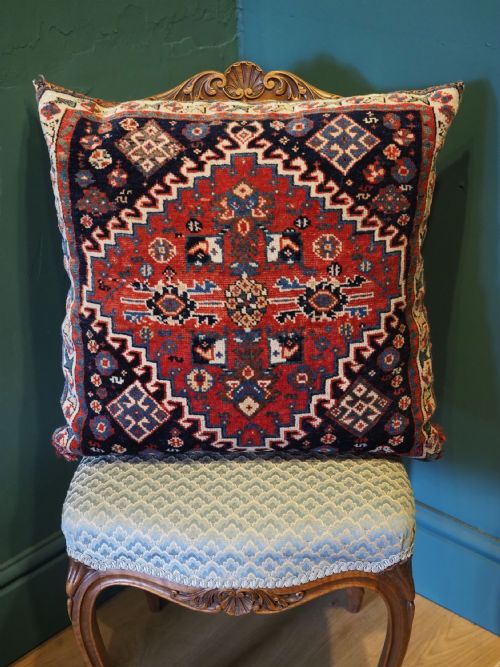
- A utilitarian tribal textile woven in pairs for transport on animals, often later separated into individual decorative cushions or small rugs. They display dense regional iconography.
Handwoven Persian Rug: Frequently Asked Questions
How do I clean a handwoven rug?
Maintenance requires gentle vacuuming without a rotating brush bar to protect the delicate hand-spun wool pile. Professional specialist cleaning remains essential for addressing deep soil without damaging natural dye integrity.
Avoid chemical detergents and excessive moisture during routine upkeep. Allowing air circulation beneath the textile prevents dampness from accumulating in the cotton foundation.
Where should I place a runner?
Runners suit narrow hallways, corridors, and transitional spaces where linear formats complement architectural proportions. Their elongated dimensions guide movement through a home while introducing warmth to timber floors.
Placing an appropriate non-slip underlay beneath the runner secures the textile during daily foot traffic. This simple step prevents shifting and reduces friction against the wool base.
How are tribal rugs different?
Tribal rugs originate from nomadic or village weavers working from memory rather than fixed cartoon patterns. This yields asymmetrical details and spontaneous shifts in geometry across the field.
Urban workshop carpets typically display rigid symmetry and fine curvilinear florals. Tribal pieces prioritise expressive symbolism and robust utility over formal court precision.
Can I use a bag face as decor?
Bag faces and saddlebag panels adapt readily to small floor spaces, wall displays, or furniture accents. Their compact dimensions allow placement in powder rooms, entryways, or compact seating areas.
Mounting a textile on a wall requires a non-damaging sleeve or velcro system to distribute weight evenly. This method highlights the intricate knotting and historical craftsmanship at eye level.