


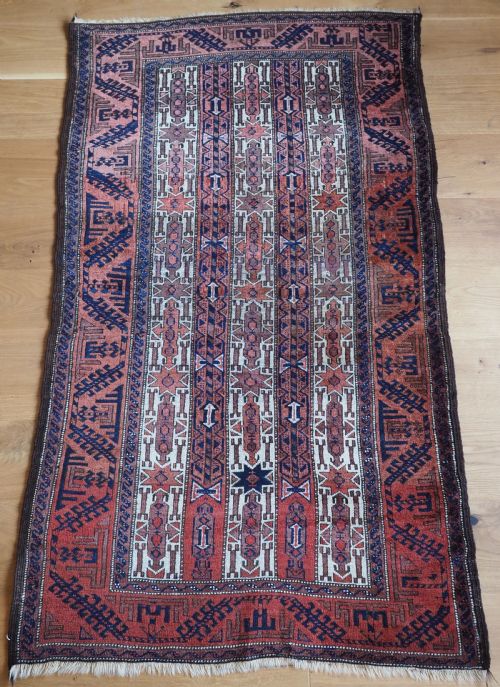
Handwoven Oriental Floor Mat
A handwoven oriental floor mat brings centuries of village craftsmanship into a room through rich wool texture and enduring tribal pattern.
Handwoven Oriental Floor Mat
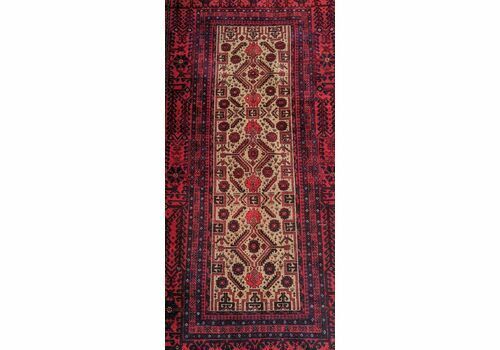
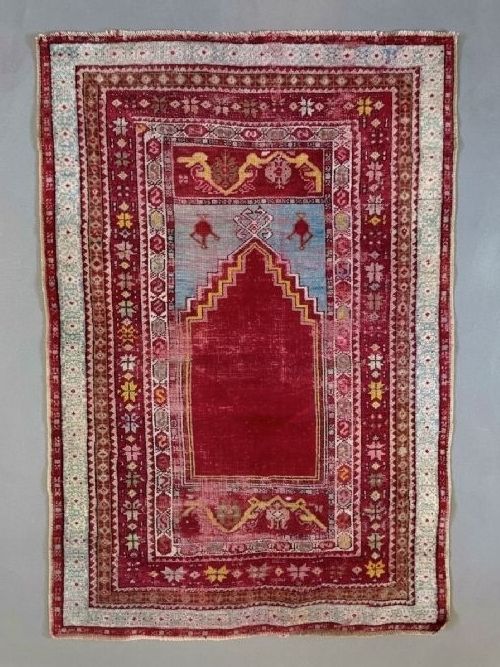
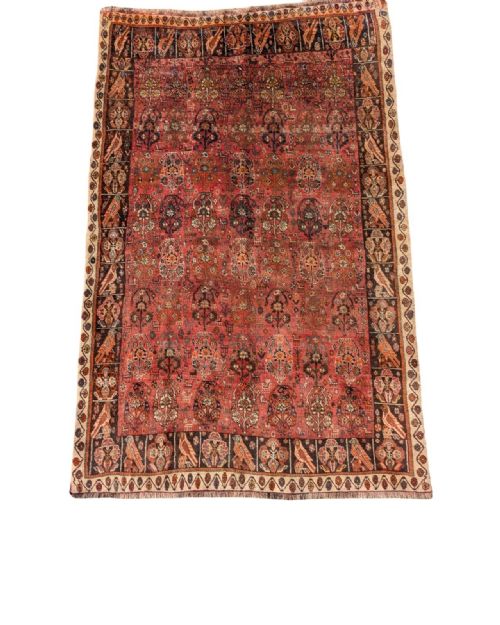
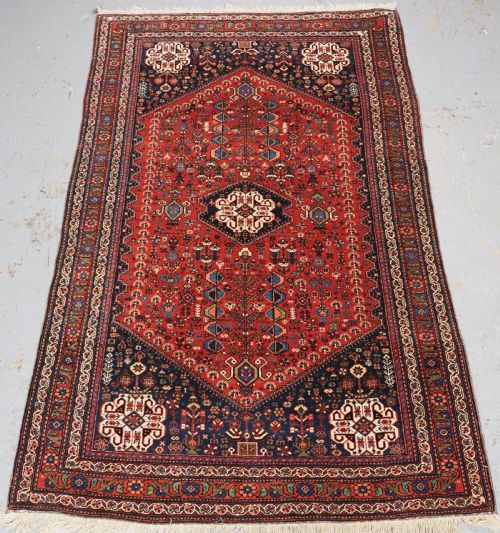
A handwoven oriental floor mat encompasses room-sized carpets, smaller area rugs, and prayer rugs originating from Persian, Caucasian, Anatolian, and Afghan weaving traditions. These pieces reflect regional aesthetics through distinct motifs, ranging from geometric tribal patterns to floral vase designs.
The selection ranges from late nineteenth-century specimens to early twentieth-century examples produced by tribal and village makers. Buyers frequently encounter regional works attributed to groups such as the Kashgai, Baluch, Luri, and Afshar.
Formats vary from compact hearth rugs to large room-sized carpets. Prayer rugs with specific architectural mihrab designs also appear among the various styles.
How they were made
These floor coverings rely on natural materials, principally wool and cotton. Weavers utilised hand-spun wool for pile yarns, providing resilience and warmth.
Foundation structures typically combine wool and cotton warps and wefts. The combination of these traditional fibres determines the drape and firmness of each textile.
Styles span Persian tribal, Caucasian, Anatolian, and traditional Persian workshops, featuring formats from small prayer rugs to large room sizes.
What varies in quality
Quality in a handwoven oriental floor mat rests upon the precision of the knotting and the density of the weave. Tighter knot structures allow intricate geometric or floral designs to emerge with sharp definition.
The choice of dyestuffs and the handling of wool influence depth of colour and surface sheen. Superior examples display subtle tonal variation within the wool pile that develops character over decades of use.
The Handwoven Oriental Floor Mat Glossary
- Prayer rug
- A small format rug featuring a mihrab or niche design historically used for daily prayers. These pieces often incorporate symbolic floral or architectural motifs.
- Kilim
- A flat-weave textile produced without a pile by tightly interweaving warp and weft threads. These light structures serve as floor coverings or decorative hangings.
- Tribal design
- A pattern language rooted in nomadic or village traditions, prioritising geometric medallions, stylised animals, and symbolic motifs over court formality.
- Wool
- The primary animal fibre utilised for the pile of oriental rugs, sourced from sheep and spun by hand or machine. It provides natural elasticity and durability.
- Foundation
- The underlying grid of warp and weft threads that supports the knotted pile of a carpet. Cotton and wool are standard foundation materials.
Handwoven Oriental Floor Mat: Frequently Asked Questions
How do I clean an old rug?
Maintenance requires gentle vacuuming without rotating brush heads to protect the fragile wool pile. Professional specialist cleaning remains essential for removing deep-seated grit without damaging natural dyes.
Water exposure must be strictly controlled during any surface care to prevent bleeding in older dyes. Allowing the foundation to retain moisture risks rotting the cotton and wool structures.
Where were these rugs made?
Production centres span across Persia, the Caucasus, Anatolia, and Afghanistan. Specific tribes and villages, including the Kashgai and Baluch, developed distinct regional patterns.
Urban workshops in cities like Kashan and Isfahan also produced finer floor coverings with intricate floral vase designs. Village weavers focused on bold geometric and tribal expressions.
What is a tribal design?
Tribal designs incorporate geometric motifs, stylised animals, and symbolic patterns passed down through generations of nomadic weavers. These compositions reflect regional cultural identities rather than formal court aesthetics.
Common elements include hooked medallions, borders filled with repeating figures, and abrash colour variations. Each design tells a visual story specific to the maker's community.