


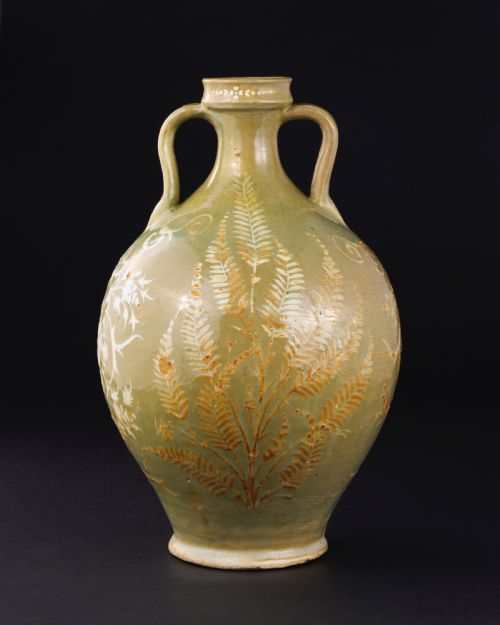
Handled Pottery Vase
These handled pottery vase examples bring together centuries of global ceramic craft, offering tactile form and decorative presence for any interior.
Handled Pottery Vase
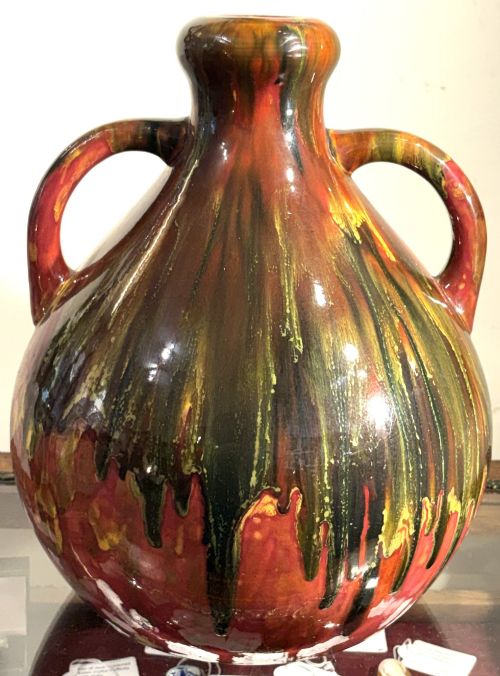
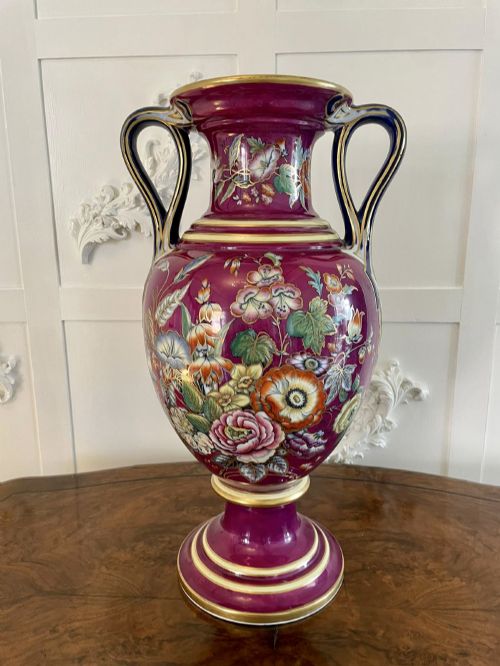
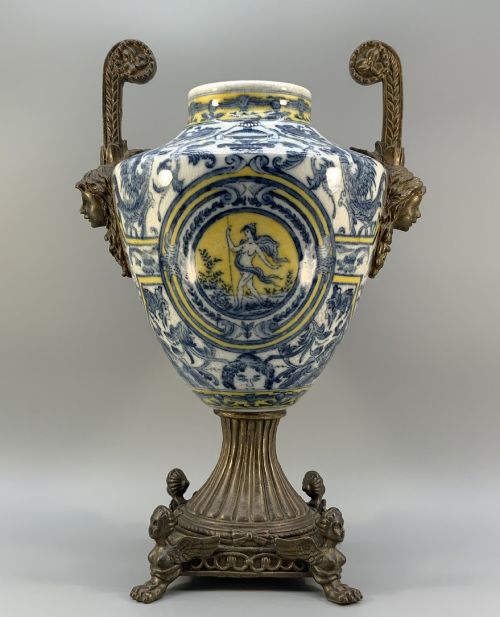
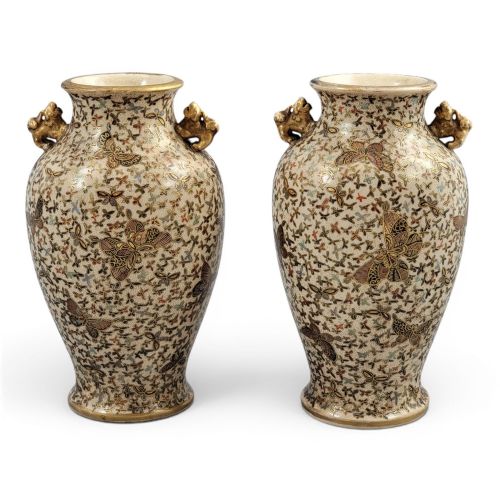
A handled pottery vase encompasses vessel forms created across diverse global traditions, spanning European earthenware and Asian porcelain workshops. The selection on this page ranges from nineteenth-century Victorian studio pottery and Staffordshire bodies to Japanese Satsuma and Chinese imperial wares. These objects function primarily as decorative urns, jars, and vessels intended for display rather than utility.
Buyers encounter numerous regional variations, including Italian majolica, French faience, and British art pottery creations from makers influenced by the Arts and Crafts and Art Nouveau movements. Forms frequently feature twin handles, sometimes modelled as animal motifs such as elephants or lions, or structural elements like bamboo. Dating spans broadly from early periods through the nineteenth century and into the early twentieth century.
How they were made
Makers utilised earthenware, stoneware, and porcelain bodies, often shaping pieces by hand or throwing them upon a potter's wheel before applying intricate surface treatments. Glazes played a central role, ranging from traditional celadon and blue transfer printing to heavy enamel, gilt, and gold leaf additions. Many European and Japanese works incorporated handpainted details, confit glazes, or bronze mounts.
Techniques varied by region, with British potteries employing ironstone and flamminian ware methods alongside distinct studio glazes. Japanese works frequently utilised moriage relief decoration and intricate crackle glazes on Satsuma earthenware, while Italian and French pieces relied upon tin-glazed faience and majolica firing processes.
This site's listings feature handled pottery vases spanning the nineteenth century, Victorian era, and Meiji period, alongside earlier eighteenth-century and ancient styles.
What varies in quality
Quality rests upon the execution of the ceramic body, the precision of the handpainting, and the sophistication of the glaze chemistry. Pieces bearing identifiable artist signatures or factory marks from established potteries generally display superior control over their kiln transitions and decorative motifs.
The complexity of the form and decorative application also distinguishes works, as seen in balanced vessel proportions, crisp relief moulding, and the integration of metal mounts or specialised enamel work. Masterpieces demonstrate distinct artistic intent, separating standard production wares from exceptional studio examples.
Makuzu Kozan·William Moorcroft·Christopher Dresser·Sir Edmund Harry Elton·Ulisse Cantagalli·Paul Dachsel·Royal Doulton
The Handled Pottery Vase Glossary
- Majolica
- Tin-glazed earthenware decorated with opaque coloured glazes, popular during the nineteenth-century revival periods. It provides a vibrant, glossy surface often seen on Italian and English ornamental pieces.
- Satsuma
- A type of Japanese earthenware featuring a pale, ivory-coloured crackle glaze that is typically decorated with intricate polychrome enamel and gilt patterns. These wares frequently depict figurative scenes or nature motifs.
- Faience
- European tin-glazed pottery, particularly associated with French and Italian traditions. The technique allows for detailed painted decoration applied directly onto an absorbent white glaze.
- Ironstone
- A heavy, durable type of vitrified earthenware developed in Britain to imitate Chinese porcelain. It offers high resistance to chipping and provides a smooth surface for transfer-printed designs.
- Celadon
- A pale green or grey-green glaze resembling jade, originating in ancient China and later emulated across various Asian and European ceramic traditions. The subtle colour results from iron oxide interacting within a reduction kiln atmosphere.
Handled Pottery Vase: Frequently Asked Questions
How do I identify a Japanese Satsuma vase?
Satsuma wares typically display a characteristic fine crackle glaze beneath intricate handpainted enamel and gilt decoration. They frequently incorporate traditional Japanese motifs, figurative panels, and occasionally signed artist marks on the base.
Origins often trace back to the Meiji period, where these decorative vessels gained immense popularity for export markets. Collectors look for subtle variations in paste colour and the precision of the moriage relief work.
What defines nineteenth-century art pottery?
Nineteenth-century art pottery emerged from movements like Arts and Crafts and Art Nouveau, emphasising individual maker expression over mass production. Pieces showcase experimental glazes, hand-modelled forms, and designs by notable studio artists.
Studios such as Doulton, Brannam, and independent makers utilised unique clay bodies and firing techniques. These objects prioritize artistic surface texture and form over traditional utilitarian function.
What is majolica pottery?
Majolica is a tin-glazed earthenware known for its bright, opaque colours and glossy finish. European revivals during the Victorian era produced numerous ornamental vases and urns utilising this vibrant technique.
The style allows for rich sculptural relief and deep pigment absorption during the firing process. Pieces often feature naturalistic themes, including floral patterns and animal-form handles.