

Hand Woven Wool Mat
A hand woven wool mat brings authentic tribal pattern and rich texture into a room, offering durability and historical character for daily use.
Hand Woven Wool Mat
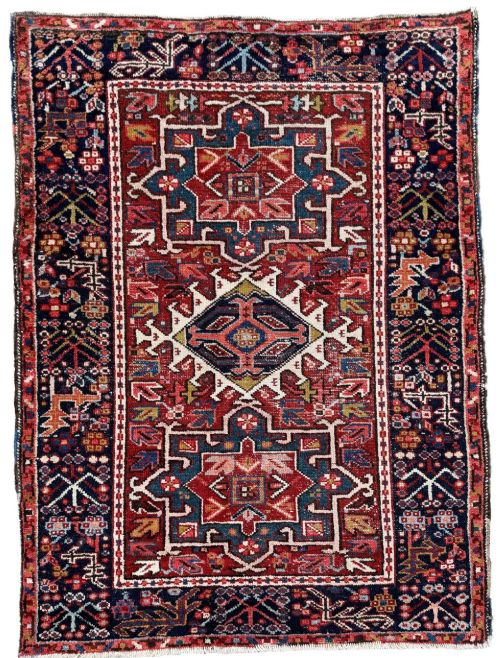
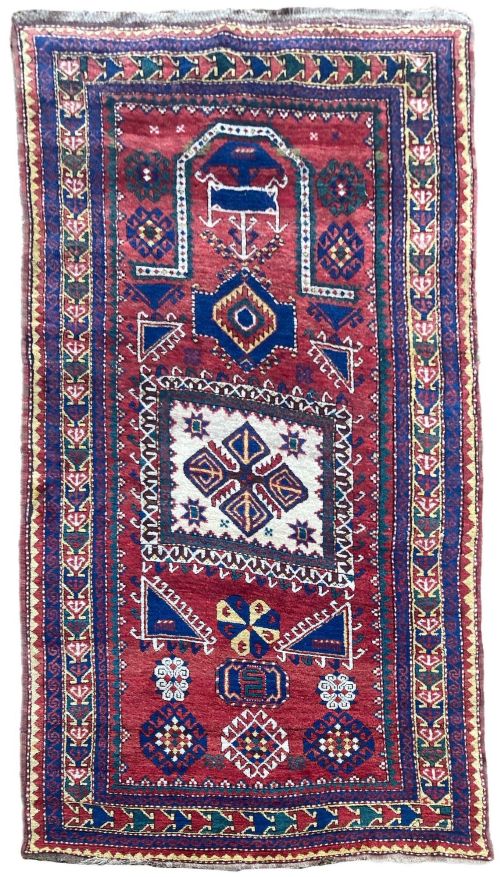
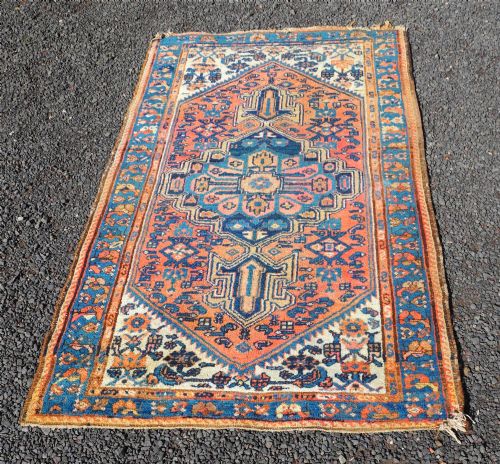
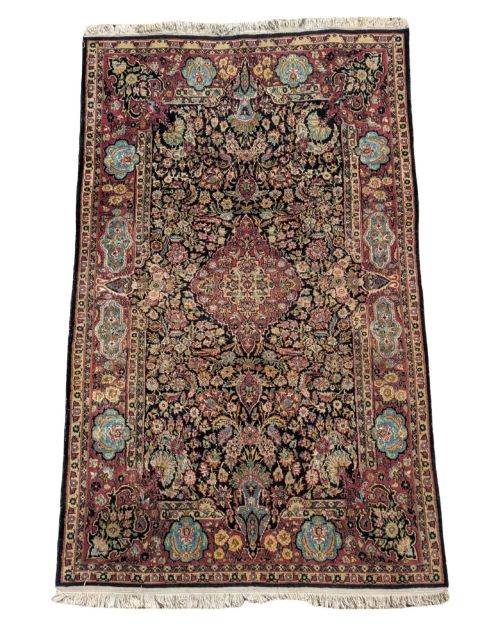
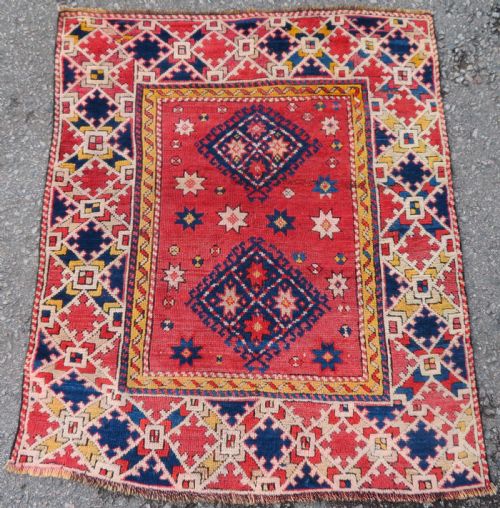
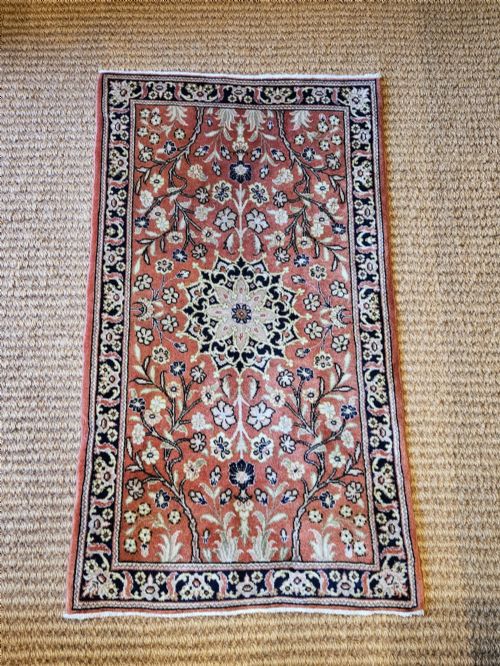
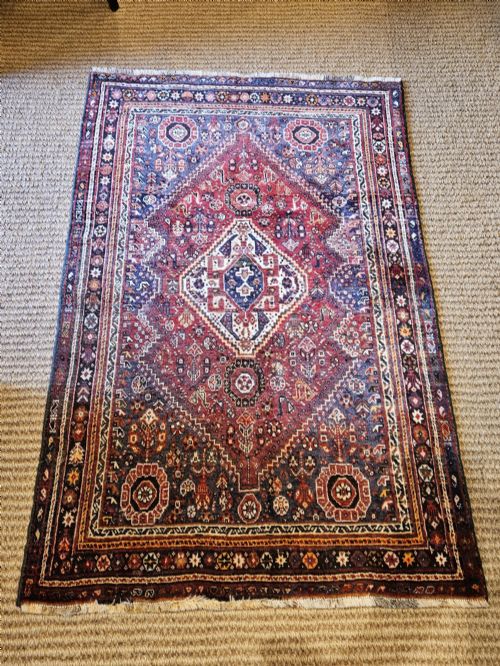
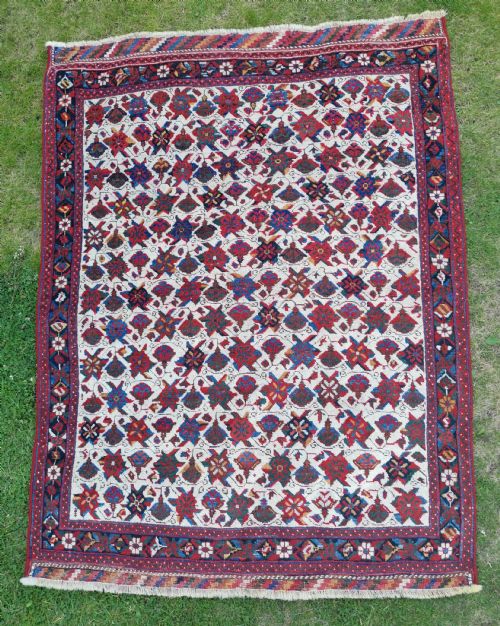
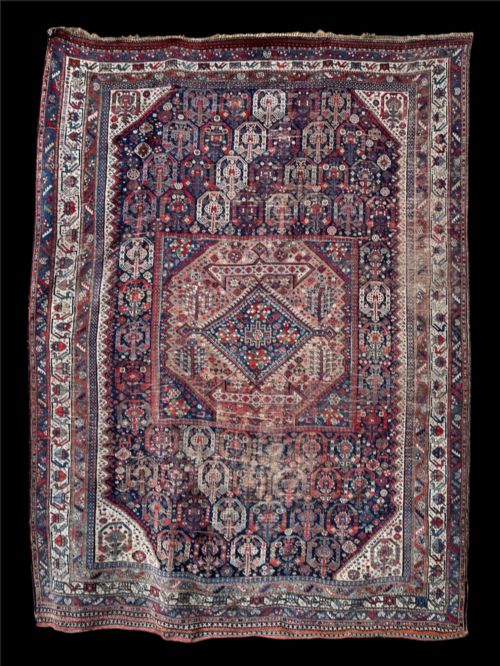
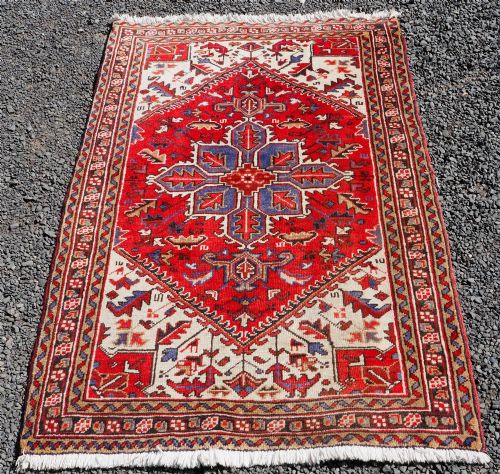
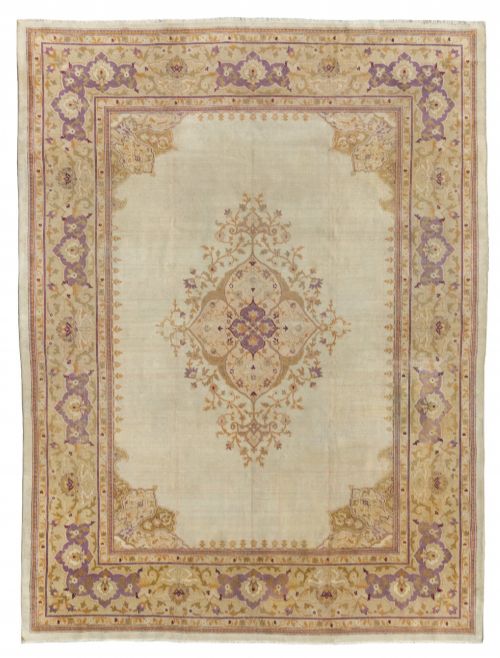
When you search for a hand woven wool mat, you encounter antique village and tribal textiles originating from Persia, the Caucasus, Anatolia, and Central Asia. These pieces range from small bag faces and prayer rugs to hearth-sized mats and hallway runners created across the nineteenth and early twentieth centuries.
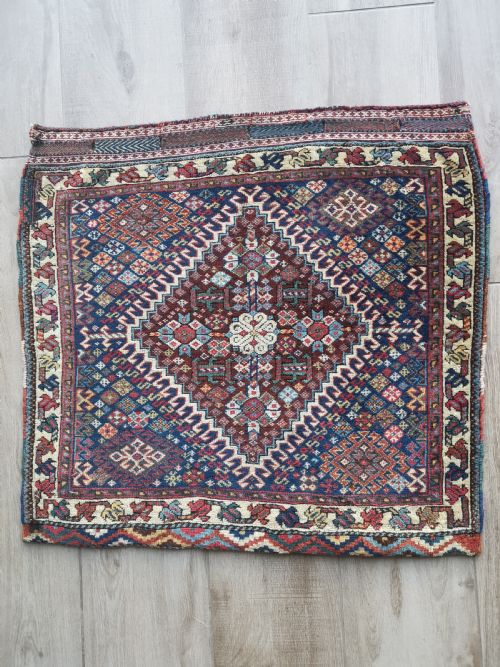
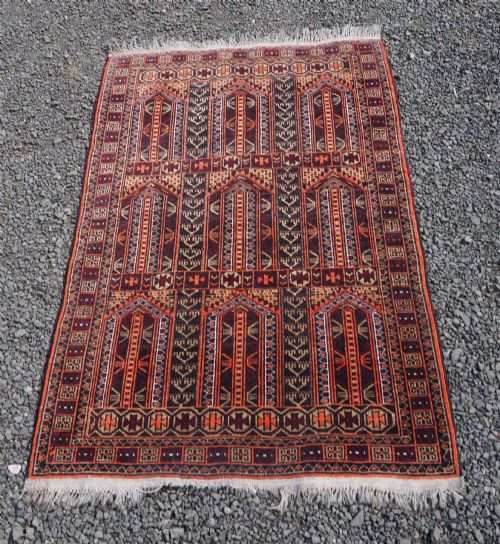
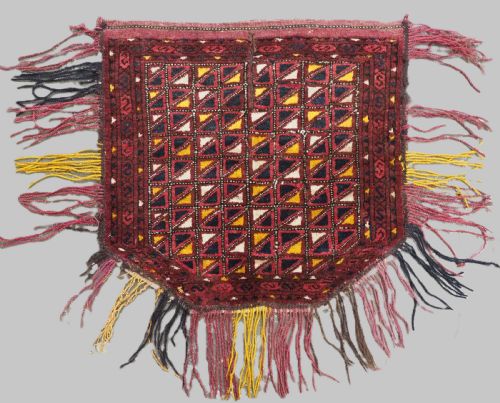
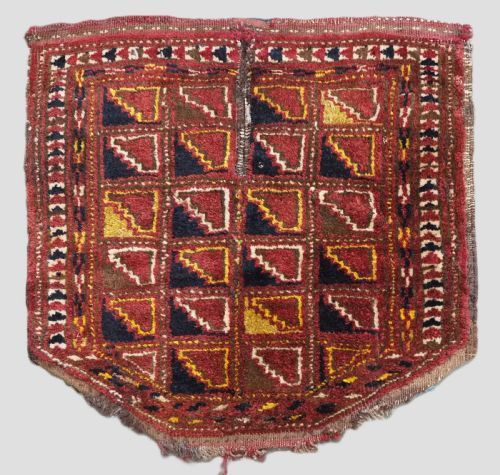
The selections available here focus on traditional formats like the Kazak prayer rug, Karaja rug, and Baluch bag face. Each item reflects the distinct weaving traditions of specific regional confederacies and nomadic groups.
Makers utilised local motifs, geometric medallions, and characteristic palettes to identify their tribal origins. The results are practical floor coverings and small decorative textiles that retain their traditional utility.
How they were made
Weavers constructed these textiles primarily using wool, cotton foundations, and occasionally silk highlights for detail. Hand-spun wool provided the resilient pile necessary for heavy daily wear in nomadic tents and village homes.
Natural dyes delivered the deep background tones and contrasting hues seen across Persian, Caucasian, and Anatolian examples. Artisans knotted the wool by hand onto warps, securing the ends with original tassels or flatwoven fringes.
Several saddle covers retain their original tassels, having survived a century of nomadic travel intact.
What varies in quality
Quality rests upon the fineness of the knotting, the stability of the foundation, and the clarity of the regional design. Tightly packed wool piles retain their structural integrity and pattern definition far better than looser weaves.
The richness and depth of the natural dyes distinguish superior examples from standard village pieces. Well-preserved borders, intact original tassels, and balanced proportions elevate certain prayer rugs and tribal mats above others.
The Hand Woven Wool Mat Glossary
- Prayer rug
- A small mat featuring a distinct mihrab or arch design indicating the direction of prayer. These pieces served personal devotional purposes in village and nomadic settings.
- Bag face
- The decorative front portion of a utilitarian nomadic storage sack, preserved and mounted as a small rug. Such textiles display concentrated tribal motifs and fine knotting.
- Gul
- A medallion or octagonal motif repeated across Turkmen and Central Asian carpets. Each tribal group utilised distinct variations of this pattern.
- Warp
- The vertical threads stretched tightly on a loom that form the structural foundation of the textile. Wefts and knots are tied across these parallel foundation lines.
- Natural dye
- Colour derived from plant, insect, or mineral sources rather than synthetic chemicals. These dyes produce harmonious patination as the textile ages.
Hand Woven Wool Mat: Frequently Asked Questions
How do I clean an antique wool mat?
Gently vacuum without a rotating brush bar to remove surface dust without catching loose pile or tassels. Professional textile cleaning is necessary for deep washing to protect natural dyes.
Avoid chemical spot treatments or soaking the wool foundation at home. Allow adequate airflow if the rug becomes damp during routine maintenance.
Where were these tribal rugs made?
Weavers produced these textiles across Persia, the Caucasus, Anatolia, and Central Asia within nomadic camps and agricultural villages. Specific regions like Shirvan, Kazak, and Heriz developed distinct weaving identifiers.
Tribal groups such as the Yomut, Baluch, and Afshar passed down specific geometric patterns through generations. Each location utilised locally available wool and regional dye recipes.
Can I place these mats in high traffic areas?
Hand-spun wool construction provides natural resilience that withstands regular walking when placed over a quality underlay. Thicker village rugs handle hallway or living room use effectively.
Smaller bag faces or fragile prayer rugs with silk highlights suit lower traffic display positions. Placing them away from direct continuous sunlight preserves the natural dyes.
How do I identify the age of a rug?
Age is determined by examining material wear, dye characteristics, structural construction methods, and regional design evolution. Nineteenth-century examples often exhibit softer wool patination and organic dye variations.
Twentieth-century pieces tend to show tighter uniformity and different chemical or transitional dye usage. Comparing knot density and structural materials against known regional timelines clarifies the dating.