



Hand Woven Turkmen Carpet
When searching for a hand woven turkmen carpet, collectors encounter tribal textiles from Central Asia featuring rich wool structures and geometric gul motifs.
Hand Woven Turkmen Carpet
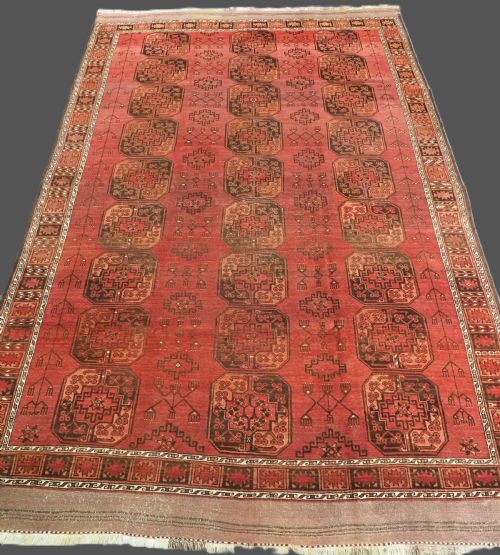
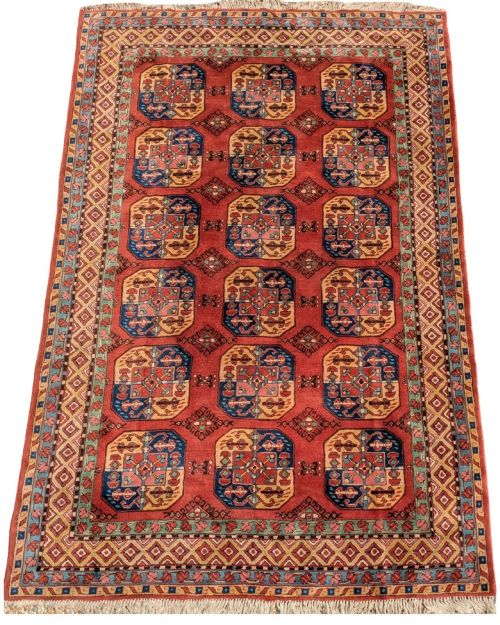
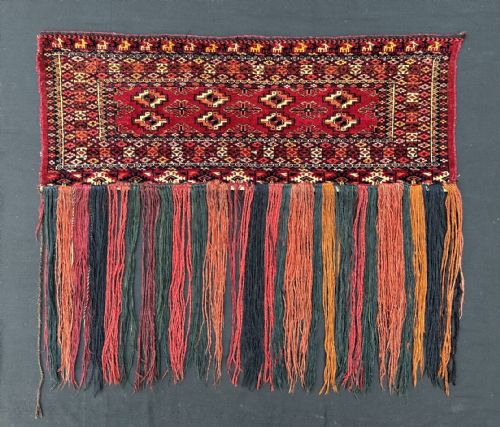
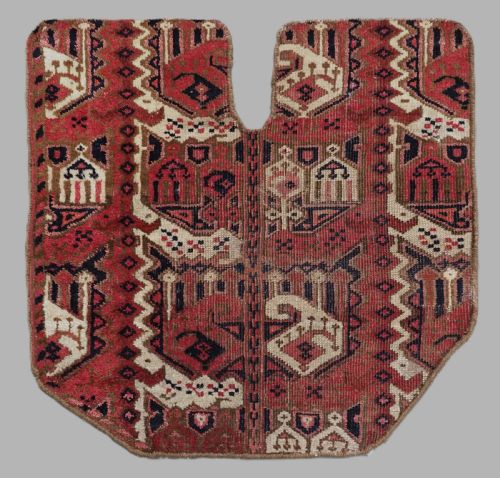
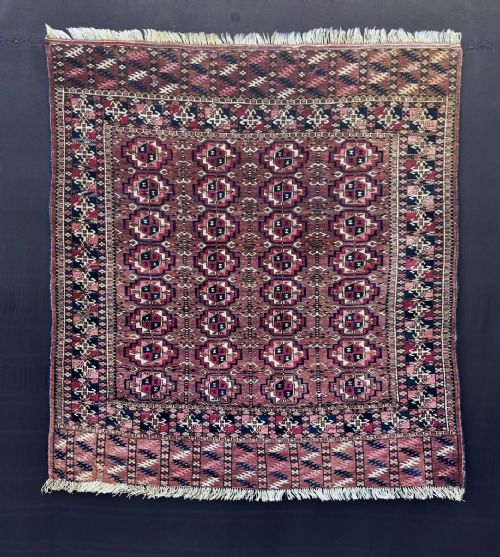
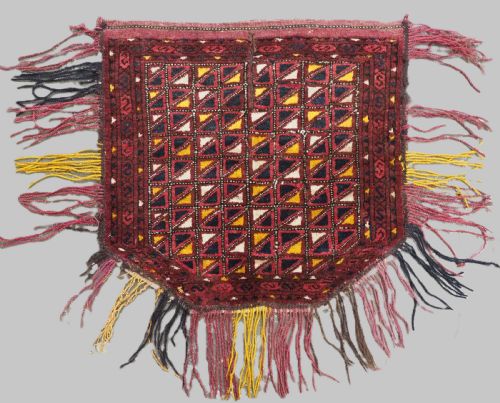
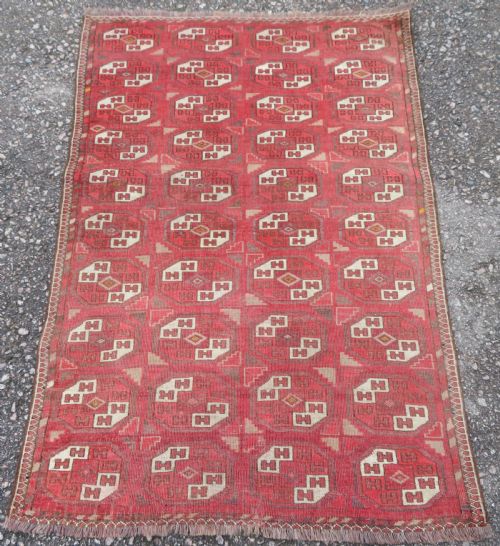
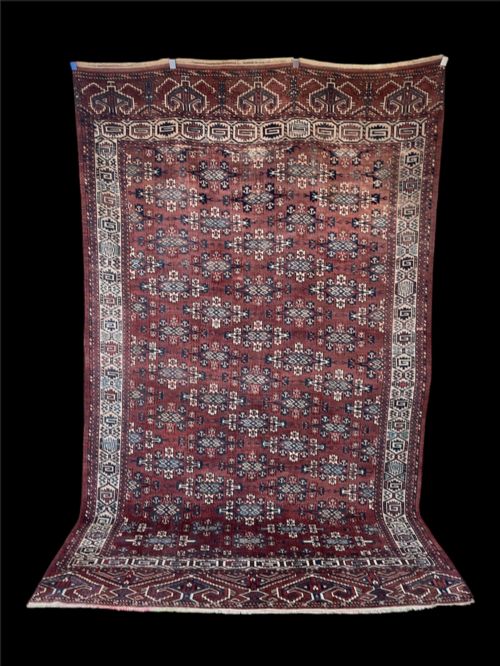
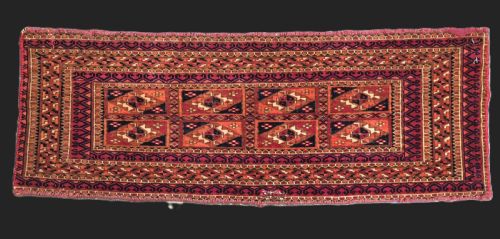
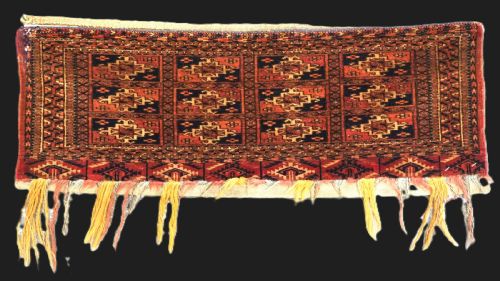
A hand woven turkmen carpet encompasses large main carpets, room-sized floor coverings, and smaller utilitarian forms such as torbas, chuvals, and tent door rugs known as engsis. These textiles originate from tribal groups including the Tekke, Ersari, and Yomut across the Central Asian steppes and oases.
The pieces on this page span the nineteenth and early twentieth centuries, reflecting nomadic and village weaving traditions. Buyers frequently find smaller bags and trappings alongside substantial main carpets with traditional tribal designs.
Tribal pieces often display specific structural patterns, including primary guls and secondary motifs that identify the weaving group. These textiles served functional roles within nomadic dwellings, functioning as dowry items, storage bags, and floor coverings.
How they were made
Weavers constructed these carpets using hand-spun wool for the pile, frequently supported by wool, cotton, or goat hair foundations. Natural dyes provide the dominant palette, yielding deep tones of madder red, orange, and brown alongside occasional silk highlights.
Nomadic workshops utilised asymmetric and symmetric knots tied tightly onto warp threads, creating dense structures designed for durability. Edges and ends often incorporate braided goat hair or horsehair for reinforcement against heavy use.
Listings feature wool foundations alongside occasional goat hair and horsehair structures from the nineteenth century.
What varies in quality
Knot density and structural fineness separate standard utility pieces from exceptional dowry or main carpets. Tighter knotting allows for sharper definition in complex geometric gul patterns.
The purity and depth of natural dyes influence the visual impact of the surface, with older examples showing subtle abrash from batch variations. Intact original details, such as side cords, tassels, and complete backs on torbas, elevate the standing of a textile.
Ersari Tribe·Tekke Tribe·Yomut Tribe
The Hand Woven Turkmen Carpet Glossary
- Gul
- A repeating octagonal medallion motif used across Central Asian tribal weaving. Each distinct design often identifies a specific tribe or sub-group.
- Torba
- A small wall-hanging storage bag used within nomadic tents. These pieces typically display elaborate primary guls on the face.
- Chuval
- A large tent bag utilised for household storage by tribal families. They share design vocabulary with main carpets but feature specific format proportions.
- Engsi
- A tribal rug designed to hang over the doorway of a yurt. They feature a distinctive quartered field design separated by a candelabra motif.
- Abrash
- Variations of colour within a single dye field caused by successive batches of wool or dye. This characteristic indicates traditional dyeing methods.
Hand Woven Turkmen Carpet: Frequently Asked Questions
What is a main carpet?
A main carpet is a large-format floor covering produced by tribal weavers for domestic use or ceremonial purposes. These pieces display repeated primary guls across a field.
Main carpets often measure over three metres in length, serving as the central textile within a nomadic dwelling or traditional home.
How do I identify tribal designs?
Tribal designs are identified by recurring geometric motifs, particularly octagonal guls that link specific patterns to groups such as the Tekke or Yomut. Field divisions and border ornaments provide additional clues.
Examining the structure and secondary ornaments helps differentiate between regional weaving traditions across Turkmenistan and Northern Afghanistan.
Where were these rugs made?
These textiles originated in Central Asia, spanning regions associated with modern Turkmenistan and parts of Northern Afghanistan. Nomadic and settled tribes produced them near oases and steppes.
Specific locations include the Merv and Akhal oases, where weavers utilised local materials and traditional dyeing techniques.
How should I care for a textile?
Keep tribal textiles out of direct sunlight to protect natural dyes from fading over time. Gentle vacuuming without a rotating brush prevents dust accumulation within the wool pile.
Professional cleaning by specialists in antique rugs ensures the delicate foundation and natural fibres remain undamaged.