


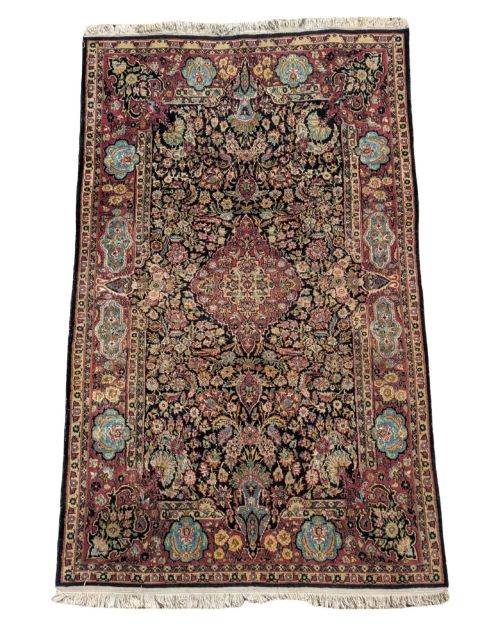
Hand Woven Area Carpet
A hand woven area carpet brings centuries of textile tradition and tactile warmth directly onto your floor.
Hand Woven Area Carpet
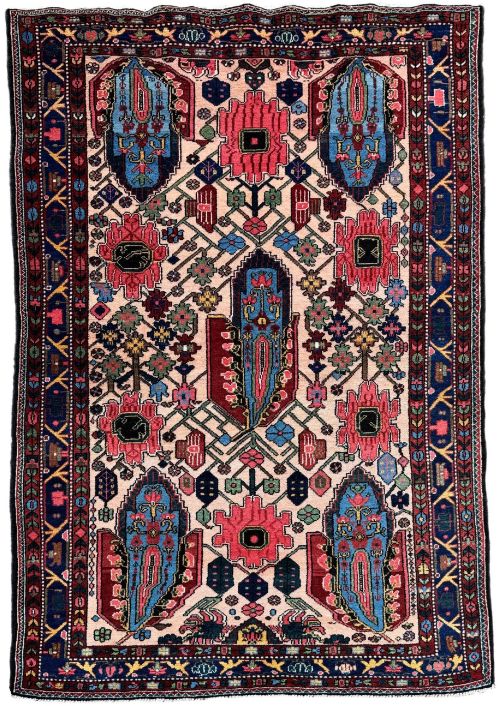
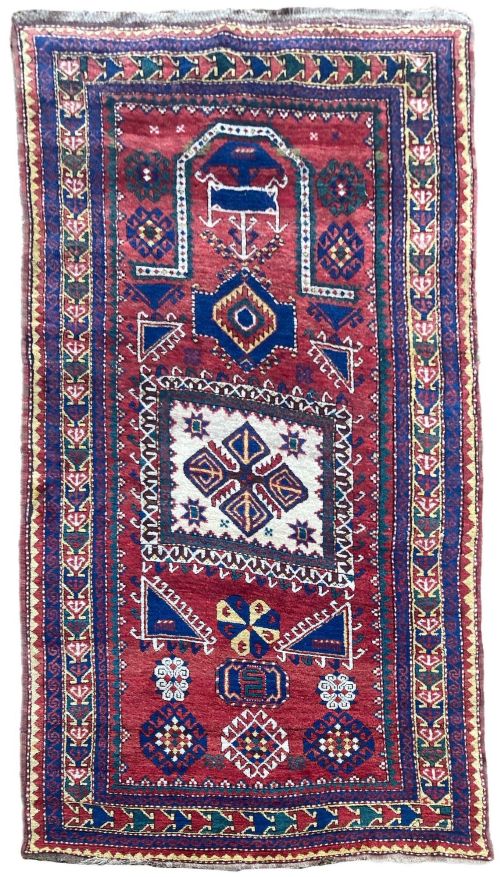
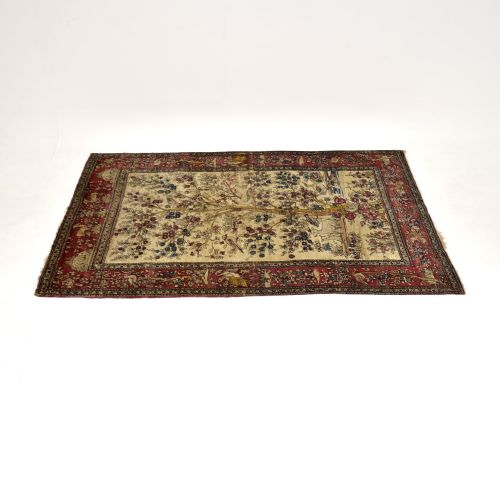
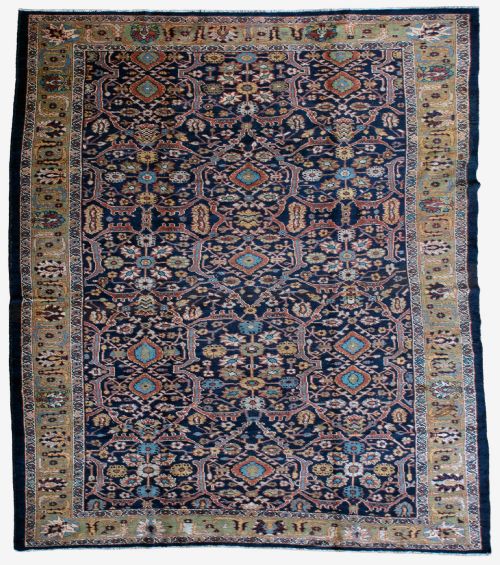
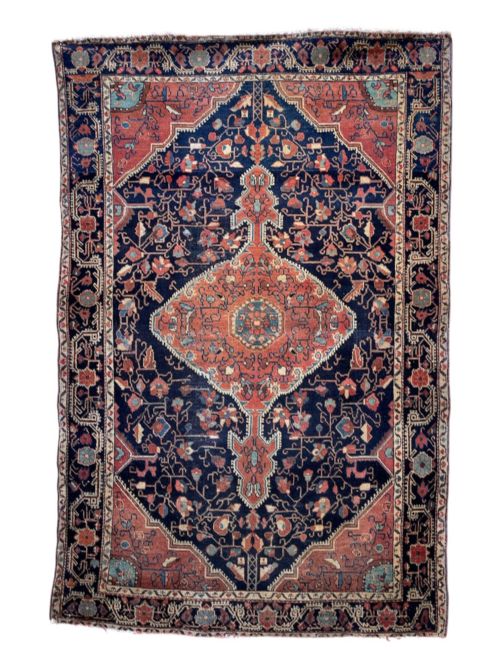
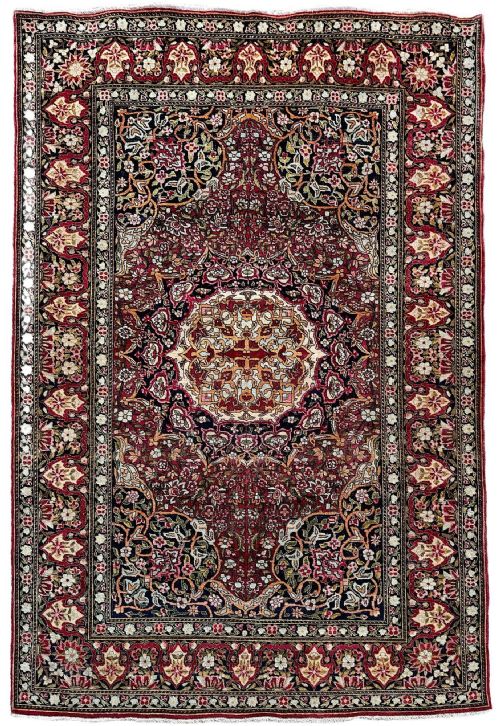
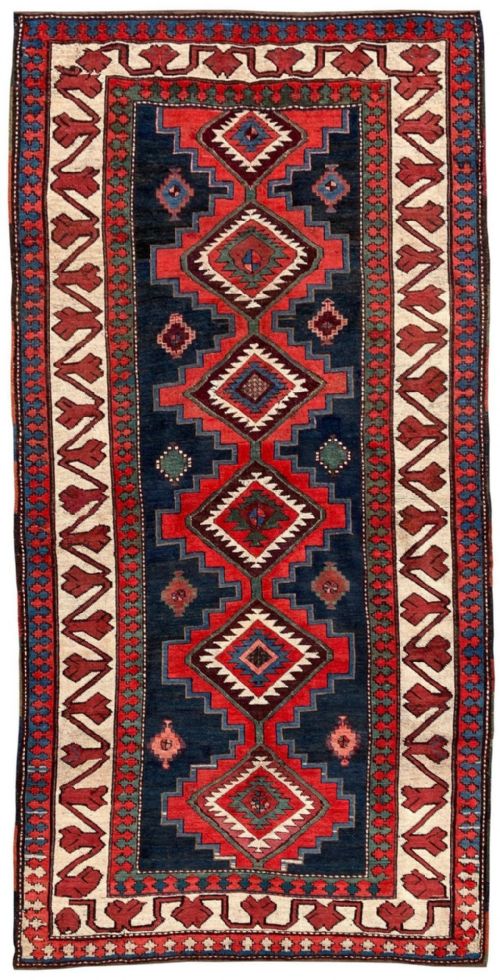
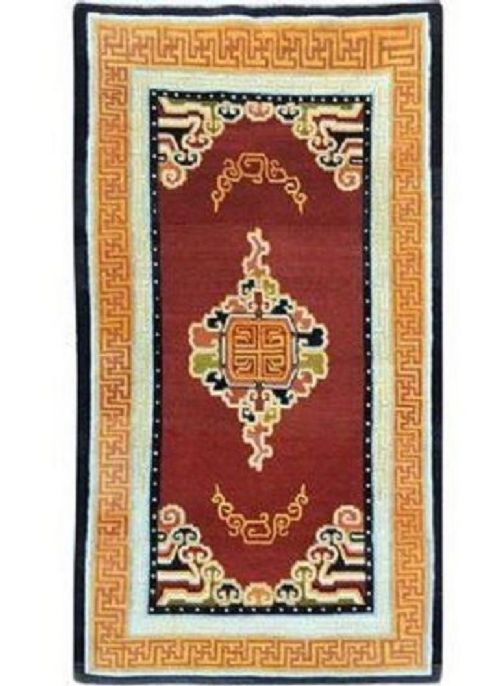
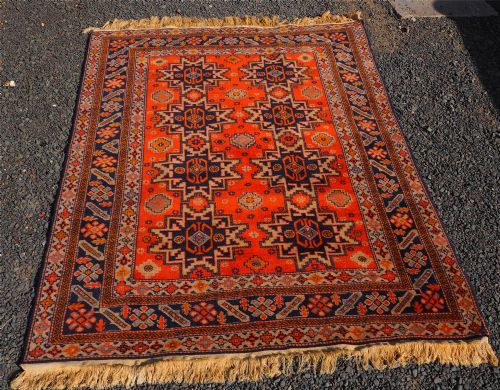
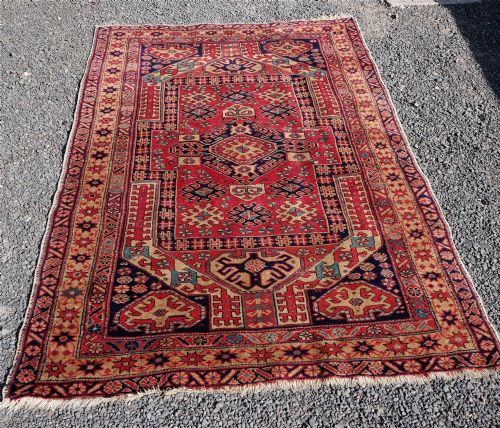
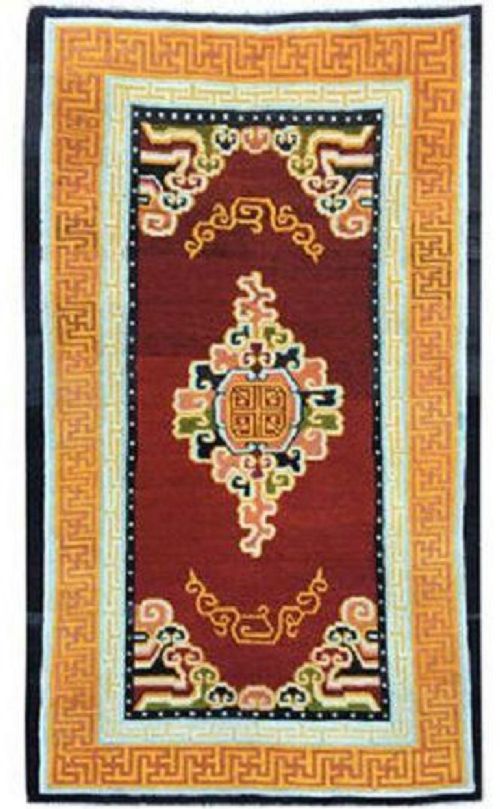
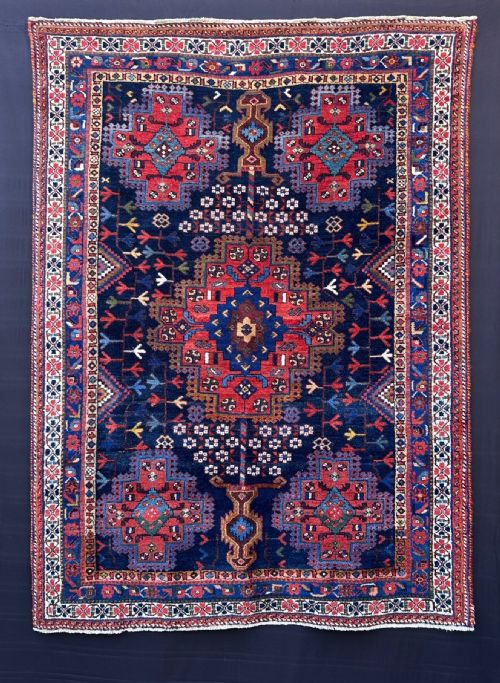
When you search for a hand woven area carpet, you encounter textile creations hailing primarily from Persian, Caucasian, Turkmen, and Tibetan traditions. These floor coverings span production dates from the mid-nineteenth century through the early twentieth century, offering substantial historical depth for domestic spaces. You will find formats ranging from compact hearth rugs and prayer rugs to large room-sized carpets and long runners.
Regional styles dictate the visual language of these pieces, grouping them into distinct aesthetic families. Persian examples often display sophisticated medallion layouts or village floral motifs, whereas Caucasian and Turkmen pieces tend towards geometric precision and tribal symbolism. Tibetan rugs introduce lighter, distinctively monastic design vocabularies into the mix.
Materials and construction methods
The physical substance of these textiles relies principally on sheep wool, occasionally paired with cotton foundations and accented by silk highlights. Artisans tied individual knots by hand onto vertical looms, building up a dense pile that absorbed natural dyes effectively. The interplay of these natural fibres gives each piece a resilient structure capable of enduring decades of foot traffic.
Natural dye stuffs yield rich tones that mellow gracefully over time, producing the characteristic abrash effect where colour subtly shifts across the surface. Hand spinning the yarn creates slight variations in thickness, which adds to the textural character of the finished textile.
Listings feature wool, cotton, and silk materials across nineteenth and early twentieth century production dates.
Assessing quality in antique woven textiles
Superior examples distinguish themselves through knot density and the precision of the weaver's execution. Tighter knots allow for sharper definition in complex geometric or floral patterns, holding intricate lines without blurring. The handle, or suppleness, of the textile also reveals much about the quality of the wool and the tightness of the weave.
The depth and vibrancy of the palette separate standard production from exceptional work. Master dyers achieved harmonious colour combinations that age with dignity, maintaining balance across the field and borders even as the hues soften.
The Hand Woven Area Carpet Glossary
- Abrash
- Natural variation in carpet colour caused by changes in dye batches or hand-spun wool. This subtle striping indicates traditional dyeing methods rather than chemical uniformity.
- Medallion
- A central ornamental design motif placed in the middle of the carpet field. It serves as the primary focal point in many Persian and Anatolian layouts.
- Prayer rug
- A small format textile featuring a mihrab or niche design at one end, traditionally used for daily Islamic prayer. These rugs were often woven for personal use or local community requirements.
- Warp
- The vertical threads stretched tightly on the loom that form the structural skeleton of the rug. The exposed ends of these threads often appear as fringe at the top and bottom of the finished piece.
- Weft
- The horizontal threads passed back and forth between the warp threads to lock the knots in place. Together with the warp, they constitute the foundation grid of the textile.
Hand Woven Area Carpet: Frequently Asked Questions
How do I clean an antique carpet?
Professional gentle dusting and specialist washing preserve the natural fibres and organic dyes of older textiles. Regular light vacuuming without a beater bar prevents dust accumulation in the pile.
Avoid harsh chemical cleaners or complete water immersion unless handled by an experienced conservator. Proper maintenance safeguards the structural integrity of the wool and cotton foundations.
Where should I place my rug?
Placing these textiles in rooms with moderate foot traffic protects the pile from excessive wear while allowing the design to be fully appreciated. Keeping them away from direct, continuous sunlight prevents premature fading of natural dye colours.
Using a quality underlay prevents slipping and cushions the foundation against hard flooring surfaces. This simple precaution extends the lifespan of the textile considerably.
How do I identify tribal designs?
Tribal designs typically feature repeating geometric motifs, stylized animals, and bold medallions rather than flowing court florals. These patterns were passed down through generations within specific nomadic confederacies and regional communities.
Examining the structural characteristics alongside the motifs helps confirm the regional weaving group. Subtle irregularities in the symmetry often point to authentic tribal production on portable looms.
What is a main carpet?
A main carpet refers to a large-scale floor covering traditionally woven by tribal groups for domestic household use rather than for trade or export. These pieces display the full expression of a tribe's weaving capabilities and design vocabulary.
Their dimensions required substantial time and coordinated labour at the loom. Consequently, they represent the pinnacle of a region's utilitarian textile output.