

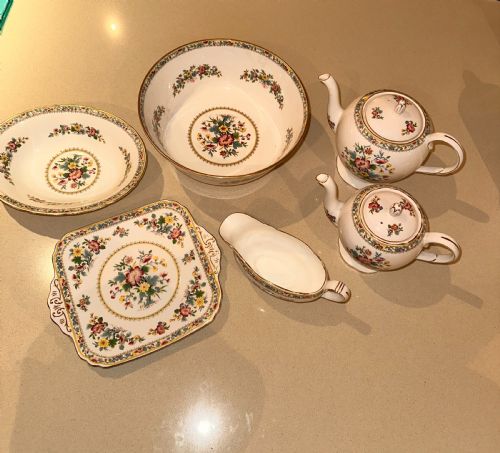


Hand Painted Tea Bowl
A hand painted tea bowl is a small, delicate vessel for drinking tea, prized for its intricate miniature artworks and intimate feel in the hand.
Hand Painted Tea Bowl
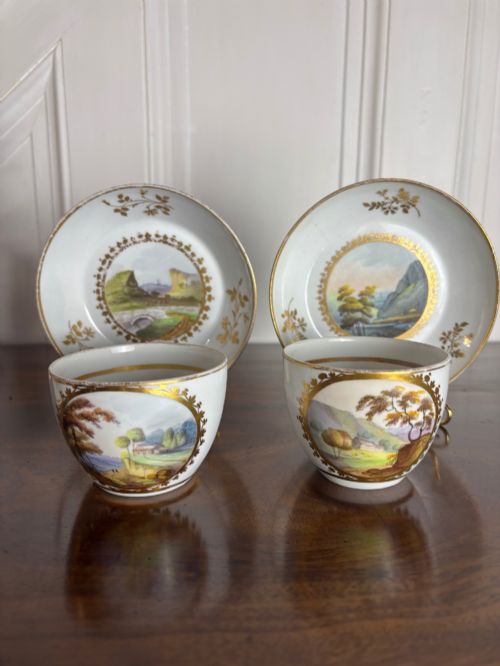
A hand painted tea bowl is a compact, handleless vessel designed for holding hot tea, often accompanied by a matching saucer. When you search for this phrase on this page, you encounter pieces spanning from the eighteenth century through to the early twentieth century.
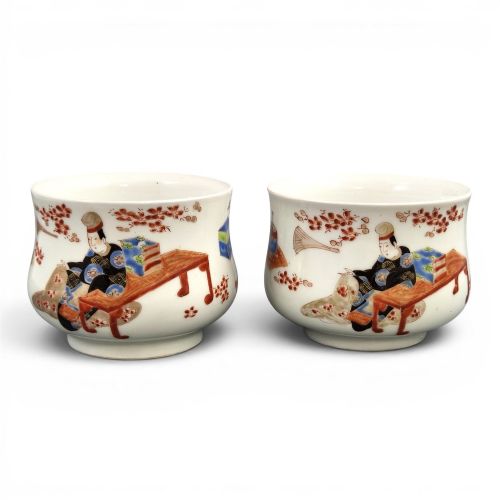
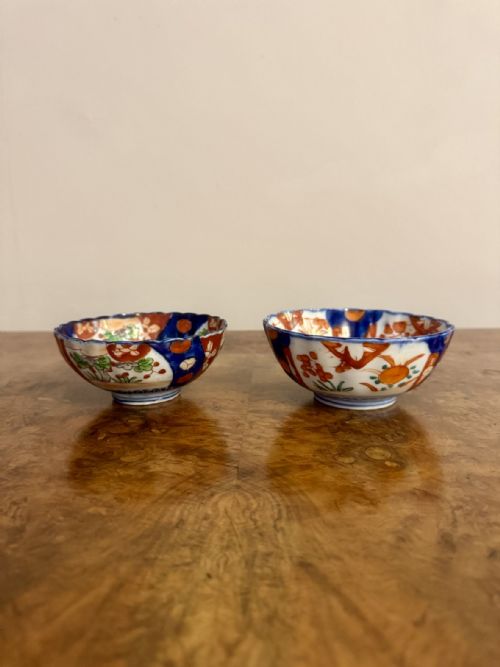
The selections include delicate English porcelain from factories such as Worcester and Lowestoft, alongside Chinese export wares and Japanese Imari or Kutani pieces. Eighteenth-century examples frequently feature soft-paste porcelain with intricate hand-applied enamels, while later nineteenth-century variations bring bolder colours and gilt details.
Materials and construction
Potters shaped these vessels using traditional porcelain or soft-paste porcelain bodies, sometimes utilising bone china or creamware pottery. Artisans then applied pigments by hand before firing the pieces in kilns to fuse the decoration into the glaze.
Overglaze enamel colours, gold leaf, and gilding were frequently added in subsequent decorative stages to enhance the visual depth. The physical weight and translucency of the ceramic body often reveal the specific kiln techniques of the period.
Some eighteenth-century saucers feature acrobats and circus scenes, proving that even serious porcelain painters enjoyed a bit of tumbling.
Distinguishing quality
The distinction between standard output and finer examples rests upon the precision of the brushwork and the clarity of the ceramic body. Superior pieces display crisp, controlled enamel application where every brushstroke contributes purposefully to the overall scene.
Additionally, the elegance of the potting form and the preservation of delicate gilding separate ordinary containers from exceptional collector pieces. Consistency in the glaze finish and the subtlety of painted details mark the upper tier of the range.
Minton·Spode·Royal Crown Derby·Worcester·Ridgway
The Hand Painted Tea Bowl Glossary
- Tea bowl
- A small, handleless drinking vessel used historically for tea before the general adoption of handled cups. These pieces sit directly in the palm.
- Sucrier
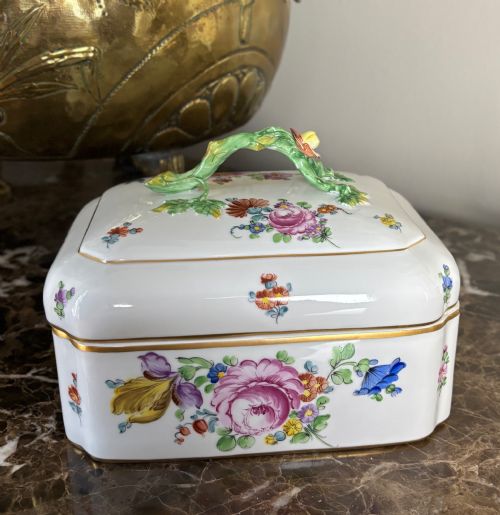
- A small covered sugar bowl designed to match a tea service or tea bowl set. They often share the same painted palette as the accompanying cups.
- Soft-paste porcelain
- An artificial porcelain composition fired at lower temperatures than hard-paste porcelain, common in eighteenth-century English factories. It yields a warm, slightly creamy body.
- Overglaze enamel
- Pigments applied on top of the fired glaze and fixed with a second, lower-temperature firing. This technique allows for bright, varied colour palettes.
- Gilding
- The application of gold leaf or gold powder to ceramic surfaces for decoration. It is often found highlighting rims, handles, or painted borders.
Hand Painted Tea Bowl: Frequently Asked Questions
What is a hand painted tea bowl?
A hand painted tea bowl is a small, handleless ceramic vessel decorated with hand-applied pigments and glazes. These pieces were made for drinking tea and showcase miniature artworks on their curved surfaces.
They reflect the aesthetic tastes and ceramic technologies of their respective periods, ranging from eighteenth-century English factories to Japanese export workshops.
How were these tea bowls used?
Historically, tea bowls were held in two hands to sip brewed tea before handled teacups became standard. They formed part of formal tea services alongside matching saucers and sugar boxes.
Today, collectors primarily display them in cabinets or use them carefully for special tea services, appreciating their tactile form and delicate decoration.
How do I date an antique tea bowl?
Dating relies on examining the ceramic body, glaze characteristics, and factory marks on the base. Soft-paste porcelain and specific hand-painted motifs often point to eighteenth-century origins.
Comparing the painting style and palette to documented factory patterns helps narrow down the decade of production.
Are tea bowls and teacups the same?
Traditional tea bowls lack handles entirely, requiring the drinker to cradle the vessel directly. Teacups feature an attached handle for lifting.
While both serve the same function, tea bowls represent an earlier form of drinking vessel standard in Asian traditions and early European porcelain production.