
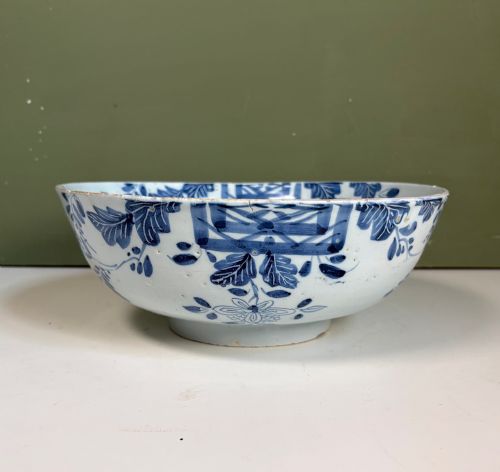

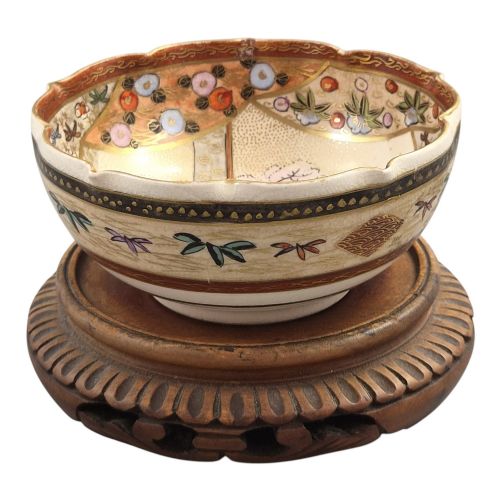
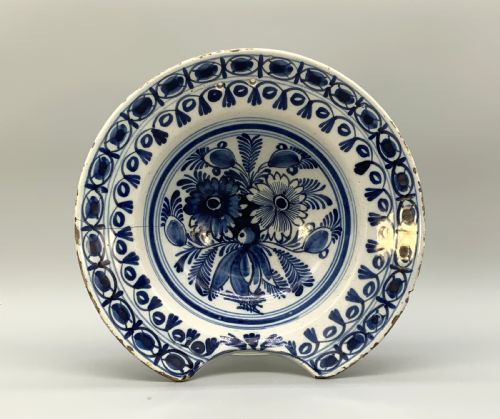
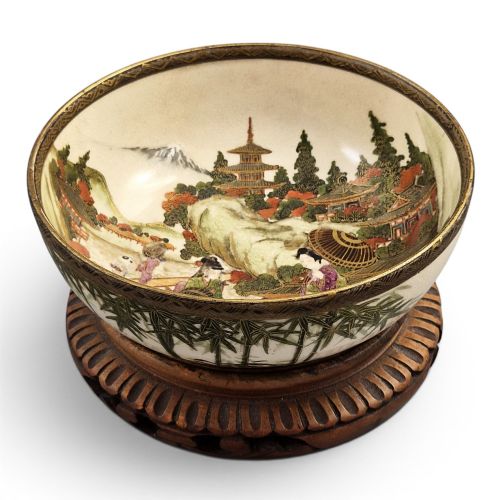
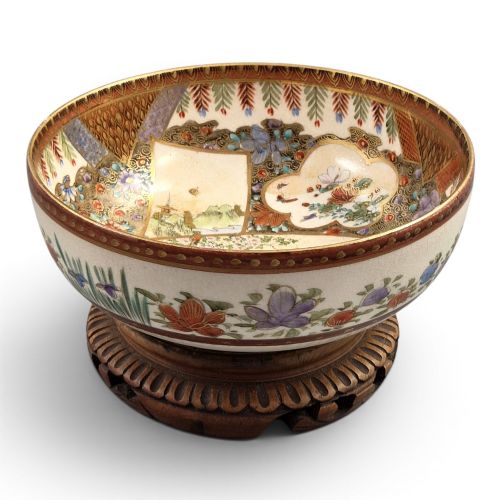
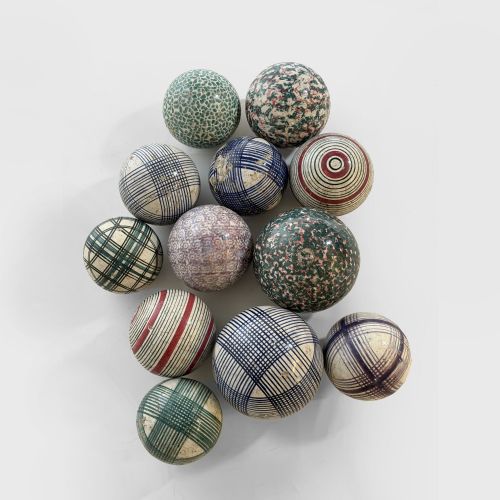

Hand Painted Pottery Bowl
These hand painted pottery bowl examples bring centuries of craft to a tabletop, offering rich colour and pattern that collectors prize.
What a hand painted pottery bowl is
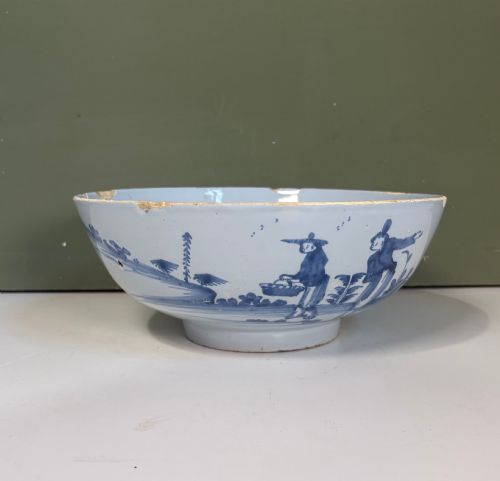
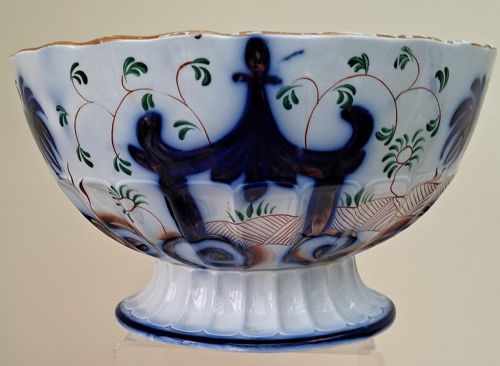
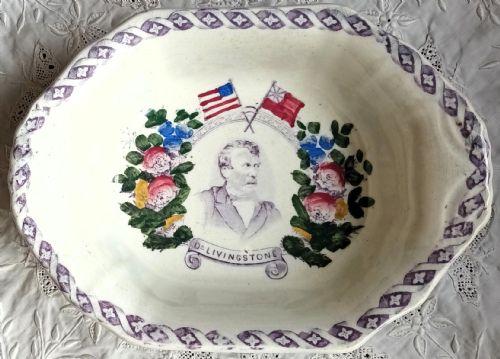
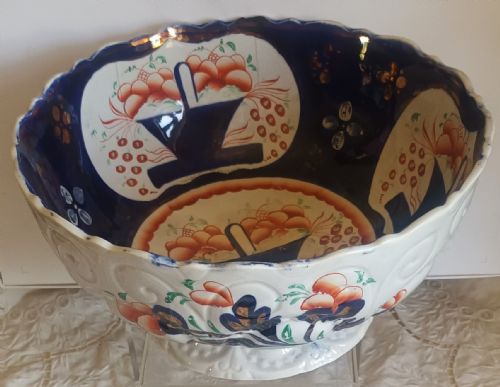
When you search for a hand painted pottery bowl, you encounter domestic vessels and decorative forms spanning the nineteenth and twentieth centuries. The selection ranges from Victorian examples and Arts and Crafts pieces to striking Art Deco designs.
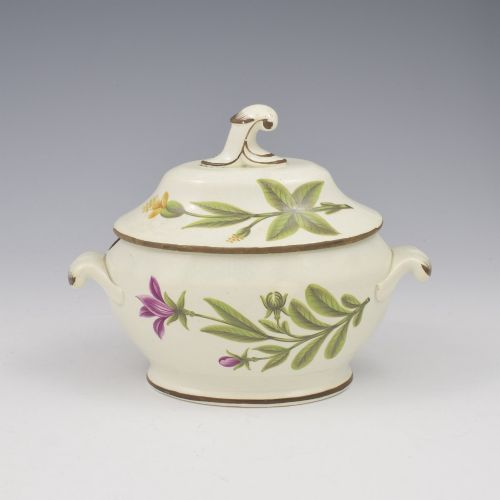
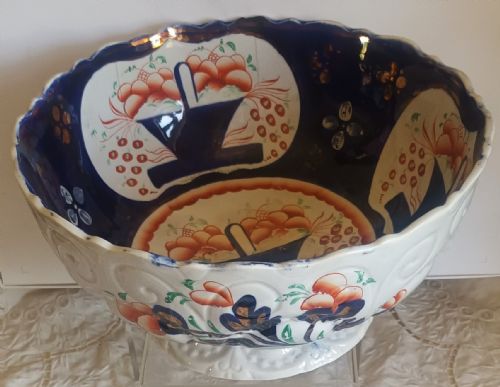
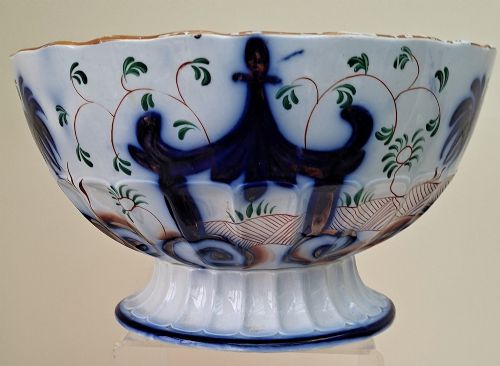
The most likely items to meet on this page include nineteenth-century footed bowls, sugar bowls, and larger decorative compotes. These vessels demonstrate diverse British pottery traditions from distinct historical eras.
How they were made
Potters shaped these objects from earthenware bodies before applying decorative layers of ceramic glaze and enamel glaze. Artisans painted motifs directly onto the pottery surfaces by hand prior to firing.
The glazing techniques range from smooth gloss finishes to intricate coloured patterns. Each maker utilised specific kiln methods to set the hand painted designs firmly into the ceramic.
Retail Price Guide 2026
Typical UK retail prices for hand painted pottery bowl, calculated from the Sellingantiques database of over a million retail prices indexed since 2003. This retail price guide relies exclusively on Sellingantiques data; no external sources or auction records are used, so the figures do not describe the wider market.
Current listings and archive records feature earthenware bowls spanning the nineteenth century through the nineteen-thirties.
What varies in quality
The standard of a hand painted pottery bowl depends on the precision of the brushwork and the depth of the glaze colours. Pieces with complex multi-coloured patterns and well-defined motifs occupy the upper tier of the range.
Simpler domestic vessels exhibit more restrained ornamentation, while celebrated factories achieve greater artistry through sophisticated design and vibrant enamel application.
Clarice Cliff·Moorcroft
The Hand Painted Pottery Bowl Glossary
- Earthenware
- A porous type of pottery fired at relatively low temperatures and rendered waterproof with a ceramic glaze. This foundational material appears across Victorian and twentieth-century tableware.
- Compote
- A raised bowl traditionally used for serving fruit or sweetmeats on a dining table. These footed vessels often serve as decorative centrepieces.
- Enamel Glaze
- A vitreous composition applied over fired pottery to provide vibrant surface colour and shine. It allows for detailed hand painted patterns that resist fading.
- Sugar Bowl
- A small domestic vessel designed to hold granulated or lump sugar for tea service. They frequently feature square or rounded forms with distinct decorative motifs.
Frequently Asked Questions
What is a hand painted pottery bowl used for?
These vessels serve primarily as decorative display pieces or functional table objects for sugar and fruit.
Historically, specific forms such as compotes and sugar bowls held designated places on the dining table, while larger bowls functioned as ornamental centerpieces.
How do I date a hand painted pottery bowl?
Dating relies on identifying the underlying ceramic body, glaze characteristics, and decorative style relative to known periods. Victorian pieces differ distinctly from Art Deco or Arts and Crafts examples.
Maker marks and stylistic conventions stamped or painted on the base further narrow the production era.
Are these bowls dishwasher safe?
Historic and antique pottery bowls require hand washing with mild soap to protect the delicate enamel glaze and earthenware body.
Modern cleaning methods can damage hand painted surfaces and accelerate crazing in the ceramic.
What styles are common in these bowls?
The available pieces encompass Victorian, Arts and Crafts, and Art Deco design movements. Each style brings distinct visual qualities to the earthenware surface.
Victorian items often feature traditional floral or architectural motifs, whereas Art Deco pieces showcase geometric forms and autumnal palettes.