
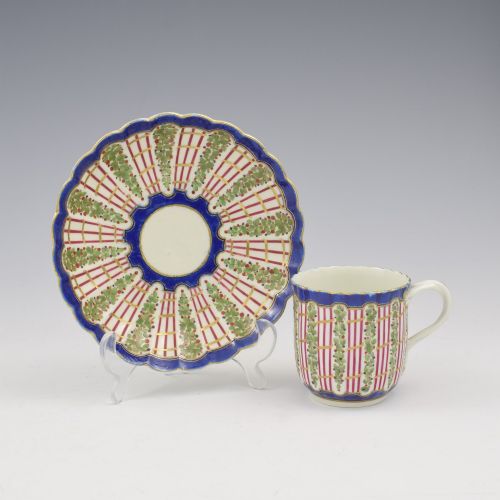
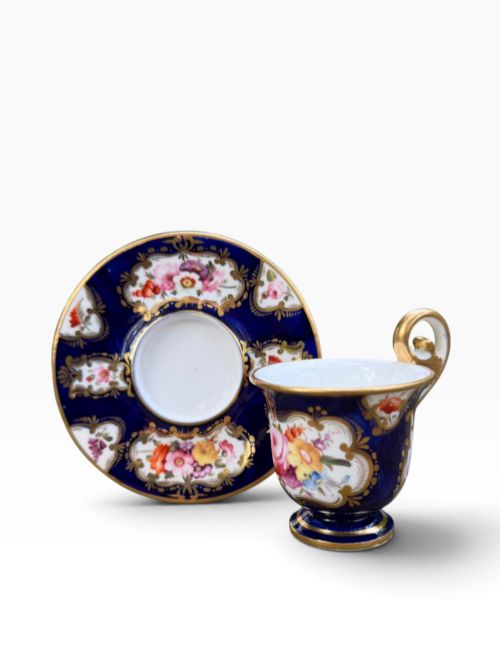
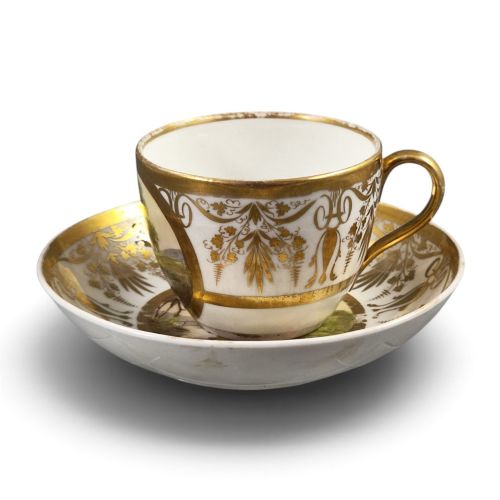
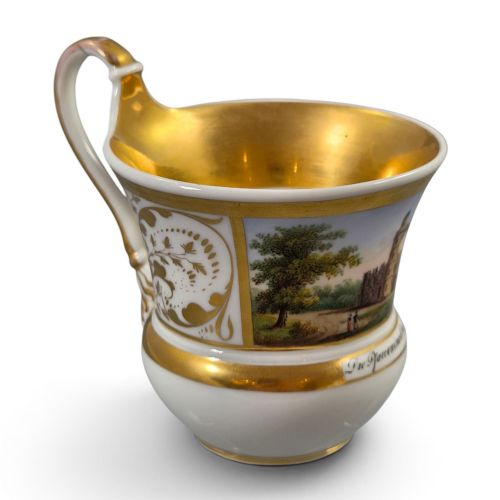
Hand Painted Porcelain Teacup
A hand painted porcelain teacup brings cabinet colour and intimate craft from the eighteenth and nineteenth centuries straight to the table.
Hand Painted Porcelain Teacup
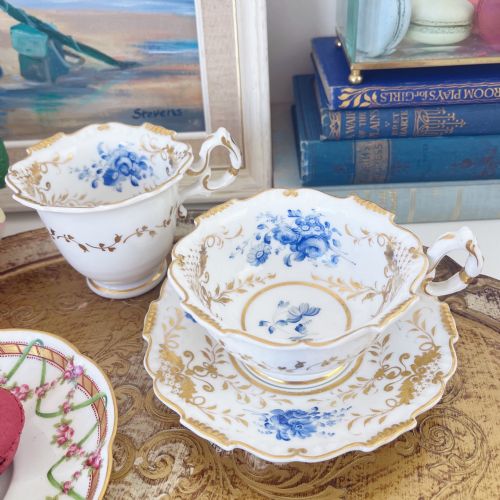
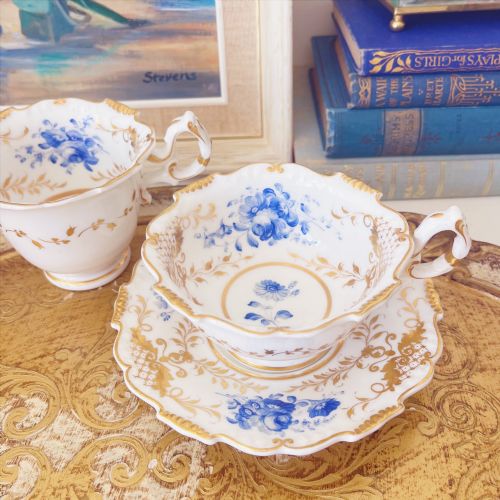
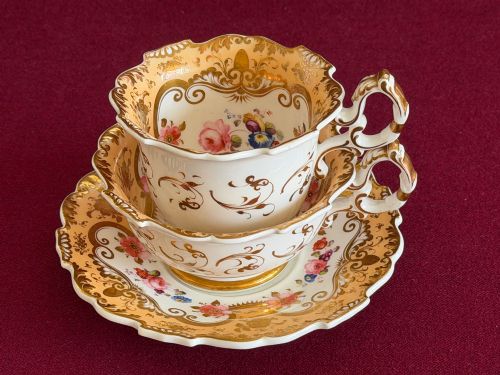
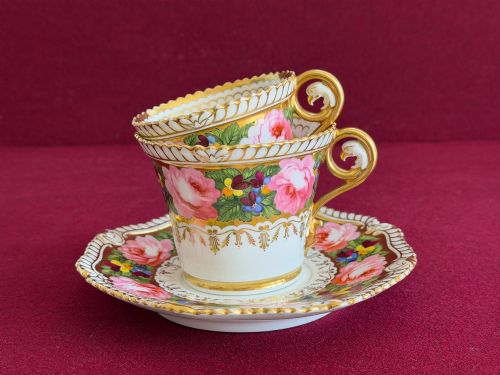
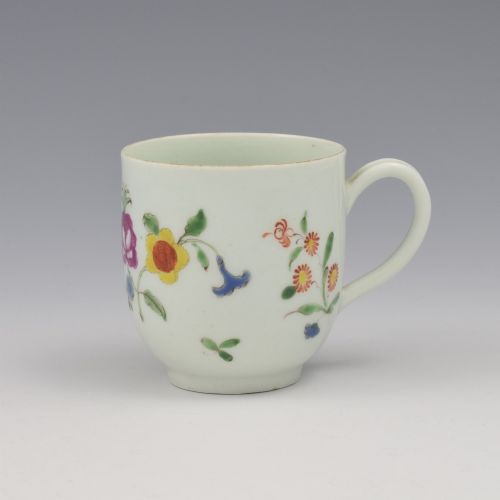
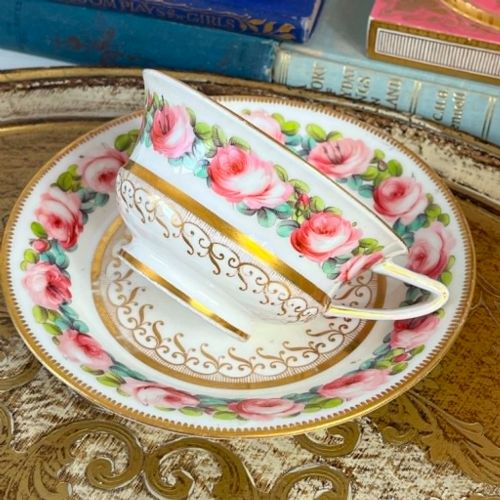
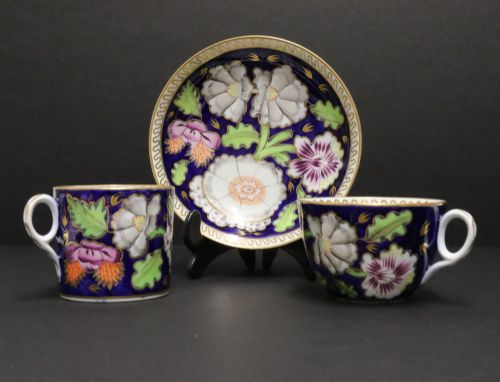
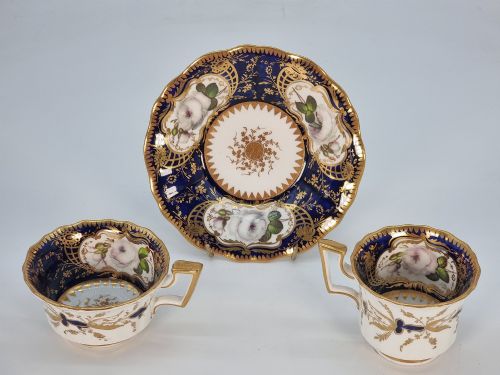
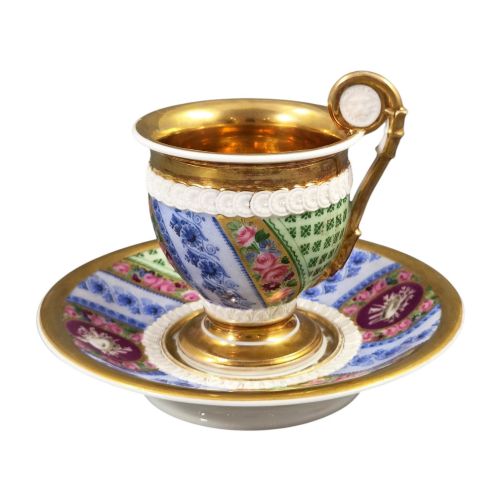
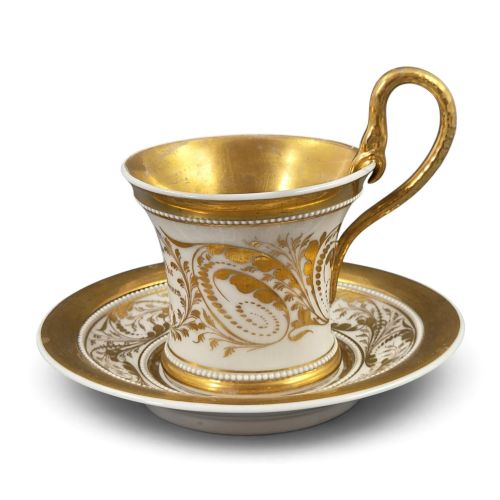
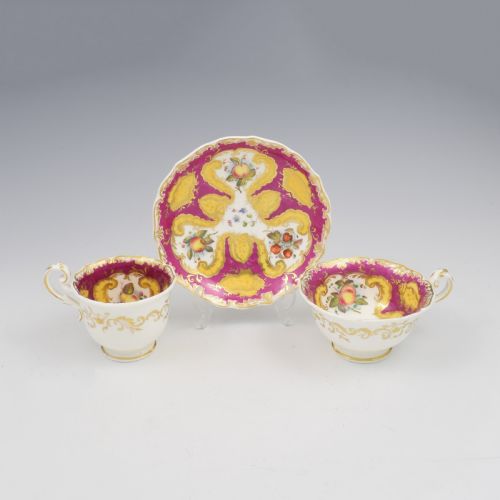
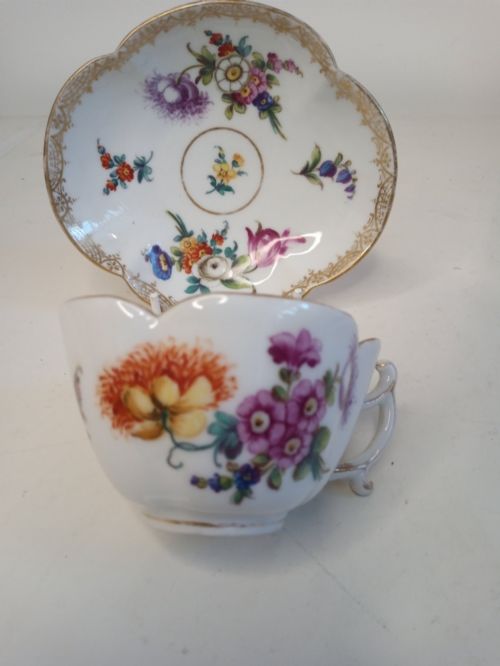
A hand painted porcelain teacup appears in various configurations across this selection, ranging from individual tea bowls and coffee cups to complete trios and service sets.
The specimens present significant stylistic variety, originating from Georgian and Regency English potteries as well as continental factories like KPM Berlin and Meissen.
Collector interest centres on eighteenth-century Worcester pieces alongside nineteenth-century cabinet cups featuring topographical landscapes and botanical studies.
Materials and technique
Potters utilised hard-paste porcelain, soft-paste porcelain, and bone china as the primary ceramic bodies for these vessels.
Makers applied enamel paints by hand, frequently incorporating gold leaf and heavy gilding to accent borders and handles.
Craft and decoration
The standard of the hand-painted brushwork dictates the distinction between standard production wares and exceptional cabinet pieces.
Refinement in the porcelain body and precision in the gilding application separate ordinary utilitarian vessels from presentation items.
H and R Daniel·Chamberlain Worcester·KPM Berlin·Flight Barr and Barr·Royal Worcester
The Hand Painted Porcelain Teacup Glossary
- Soft-Paste Porcelain
- An artificial ceramic body fired at lower temperatures than hard-paste porcelain. It possesses a warm tone and interacts distinctively with early enamel colours.
- Trio
- A matched set consisting of a teacup, a coffee cup, and a saucer. These combinations frequently appear in Regency and Georgian cabinet sets.
- Enamel
- Opaque glass fused to the ceramic surface through firing to create painted decoration. This medium allows for vivid botanical and landscape motifs.
- Gilding
- The application of gold leaf or powdered gold to ceramic surfaces. It provides decorative borders and highlights on handles and rims.
Hand Painted Porcelain Teacup: Frequently Asked Questions
What is a hand painted porcelain teacup trio?
A trio consists of a teacup, a coffee cup, and a matching saucer designed as a unified set. These configurations gained popularity during the Georgian and Regency periods.
They allowed households to serve different hot beverages while maintaining a cohesive aesthetic on the tea table or inside a display cabinet.
Where were cabinet cups displayed?
Cabinet cups served decorative purposes rather than daily use, finding homes inside glass-fronted display furniture in drawing rooms. Their detailed topographical views and presentation gilding made them conversation pieces for visitors.
Owners appreciated them as miniature canvases that demonstrated the artistic capabilities of European and Asian manufactories.
What is the difference between soft and hard paste?
Soft-paste porcelain contains glass frit and clay substitutes, resulting in a warmer texture and a slightly softer surface beneath the glaze. Hard-paste porcelain uses true china clay and petuntse, requiring higher firing temperatures for a denser, more vitreous body.
Continental factories like KPM Berlin and Meissen specialised in hard-paste formulas, while early English works relied on soft-paste recipes.