

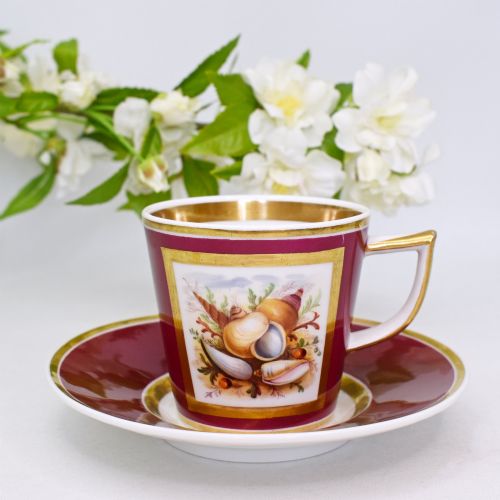
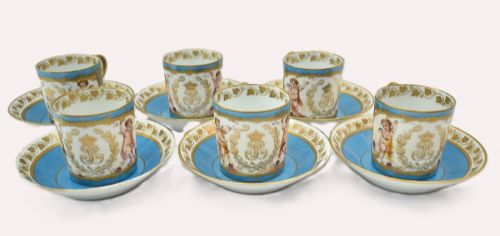


Hand Painted Porcelain Demitasse
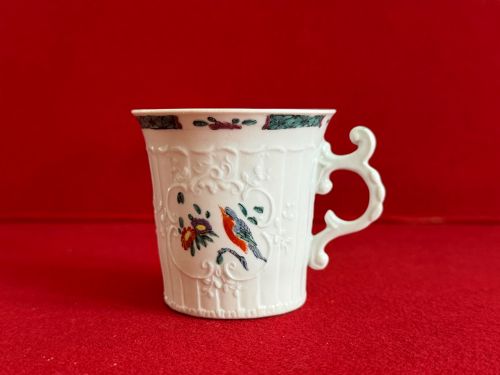
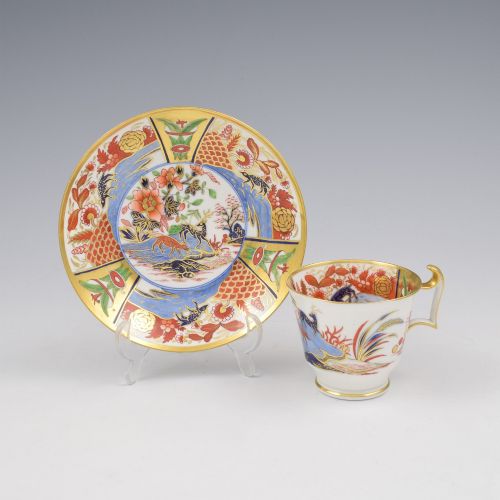
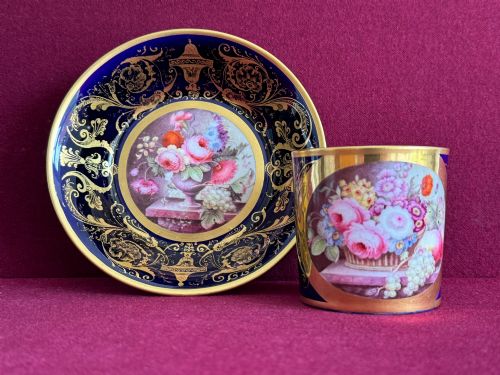
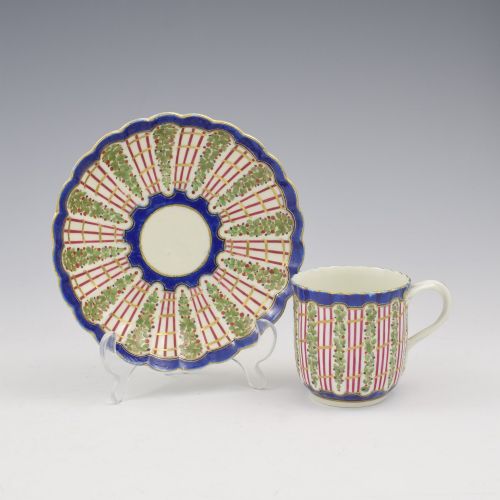
These hand painted porcelain demitasse cups and saucers offer miniature canvases of intricate floral and landscape artistry.
Hand Painted Porcelain Demitasse
When you search for hand painted porcelain demitasse, you encounter small coffee cups and saucers designed for strong coffee, originating from periods spanning the eighteenth, nineteenth, and early twentieth centuries. The selection includes coffee cans, cabinet cups, and pedestal cups from English factories like Worcester, Minton, and Spode, alongside continental works from Meissen, Sèvres, KPM Berlin, and Dresden.
The version you are most likely to meet on this page is the English or continental tea and coffee ware cup and saucer set, often richly decorated with enamel, gilding, and gold leaf. These small vessels reflect stylistic shifts from the Georgian and Regency eras through to Edwardian production and the nineteen-thirties.
How they were made
Potters shaped these objects using hard-paste porcelain, soft-paste porcelain, and bone china, forming small coffee cans and pedestal cups suited to concentrated brews. Artisans then applied delicate enamel pigments by hand to create landscape paintings, floral sprays, and compartmentalised motifs.
Makers finished the pieces using gold leaf, gilding, and gold gilt accents around the rims, handles, and borders to elevate the decorative scheme.
Hand Painted Porcelain Demitasse Retail Price Guide 2026
Typical asking prices for hand painted porcelain demitasse among the pieces listed under this phrase on Sellingantiques today, from the lower quarter to the upper quarter. They describe what is for sale here now, not the wider market.
Listings feature hard-paste porcelain, soft-paste porcelain, and bone china across eighteenth, nineteenth, and twentieth-century periods.
What varies in quality
The distinction between ordinary and exceptional hand painted porcelain demitasse lies in the precision of the brushwork and the ambition of the painted subject. Pieces featuring detailed landscape paintings or named patterns by established decorators stand apart from simpler factory output.
The application of the ground colour and the richness of the gilding also define the tier of the piece, with heavier, more refined gold leaf indicating superior studio execution.
Rockingham·Minton·Sevres·Royal Worcester·Meissen·KPM Berlin·Spode Copeland·Ridgeway
The Hand Painted Porcelain Demitasse Glossary
- Demitasse
- A small cup used for serving black coffee or espresso. The name translates from French as half cup.
- Coffee can
- A cylindrical coffee cup lacking the traditional curved bowl shape and footed base. This form was especially popular during the Georgian and Regency periods.
- Soft-paste porcelain
- An artificial ceramic body made from clay and glass frit, fired at lower temperatures than hard-paste. It creates a warm, slightly translucent body common in early English factories.
- Gold gilt
- A thin layer of gold applied to the surface of porcelain for decoration. It is often burnished to achieve a bright shine.
- Enamel
- Opaque, pigmented glass fused to the porcelain surface through kiln firing. It provides the vibrant colours seen in hand-painted motifs.
Hand Painted Porcelain Demitasse: Frequently Asked Questions
What is a demitasse cup?
A demitasse is a small cup specifically intended for serving strong black coffee or espresso after a meal. These miniature vessels hold significantly less liquid than a standard teacup.
They emerged in various forms across European porcelain factories during the eighteenth and nineteenth centuries, combining utility with delicate decorative artistry.
How do I identify a coffee can?
A coffee can is characterised by its straight, cylindrical sides rather than the flared or rounded bowl shape of a standard teacup. They often feature simple loop handles and straight pedestals.
This distinct shape was particularly favoured by English and continental porcelain manufacturers during the Georgian and Regency eras.
Were these cups meant for daily use?
Most antique hand painted porcelain demitasse pieces were intended for formal dining, display, or cabinet use rather than rugged daily service. The presence of delicate enamel painting and fine gold leaf meant they required careful handling.
Owners typically stored them in display cabinets and brought them out only for special social occasions or afternoon coffee.
How can I tell English from continental porcelain?
English porcelain from this era often utilised bone china or soft-paste recipes that have a warmer appearance under light. Continental factories like Meissen, Sèvres, and KPM Berlin frequently employed hard-paste porcelain with crisp white bodies and distinct underglaze factory marks.
Examining the weight, translucency, and style of the painting also helps distinguish between British and European workshops.