
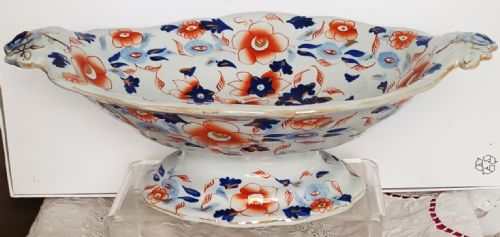


Hand Painted Porcelain Compote
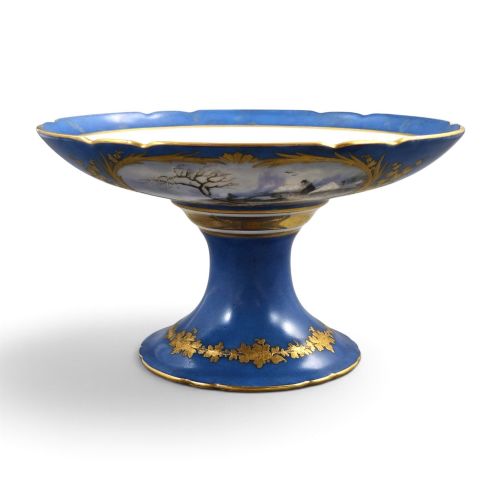
These hand painted porcelain compote pieces combine raised pedestal forms with botanical and figurative scenes, offering a decorative focal point for any table.
Hand Painted Porcelain Compote
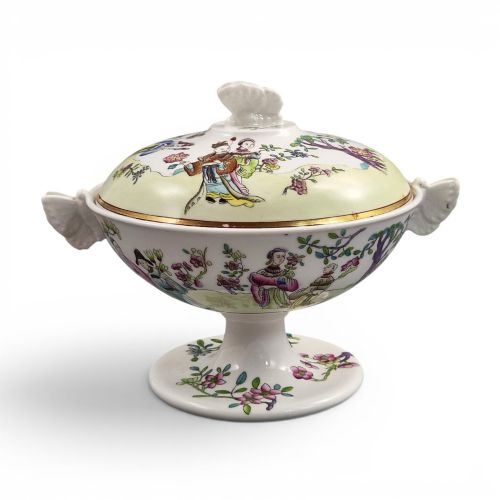
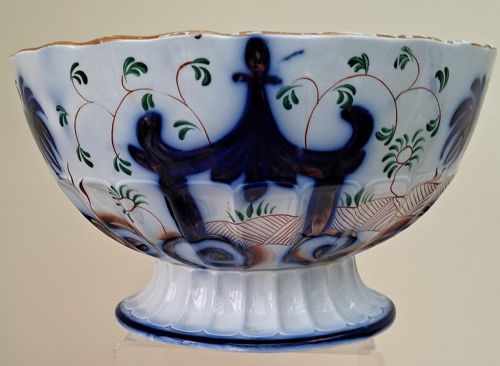
A hand painted porcelain compote serves as a raised pedestal bowl or tazza designed for display, drawing on nineteenth-century forms ranging from Georgian ironstone to Victorian and Edwardian European productions. Buyers encounter footed bowls, lidded dishes on stands, and elaborate centrepieces featuring painted motifs.
The objects span varied aesthetics, including French Rococo Revival, Chinoiserie patterns, and Japanese-inspired ironstone designs. Originating from English and continental makers, these pedestal dishes reflect the formal dining and dessert service traditions of the Georgian, Regency, and Victorian eras.
How they were made
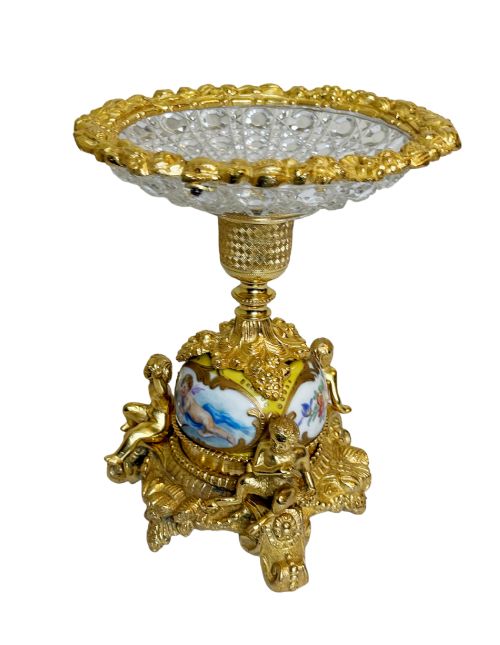
Potters shaped these pieces using porcelain, ironstone, and ceramic bodies, often mounting the bowls in gilt bronze or ormolu settings. Artisans applied hand-painted enamels directly to the glazed surfaces, depicting birds, figures, flowers, and landscapes.
Finishing touches involved the application of gold leaf and gilding to handles, rims, and pedestals. Certain larger centrepieces incorporated sculpted porcelain cherubs and putti seated upon shells or flanking the main vessel.
Design styles represented include Regency, Victorian Rococo Revival, Chinoiserie, and the Victorian Aesthetic Movement across various European potteries.
What varies in quality
Quality rests in the precision and detail of the hand painting, distinguishing standard factory output from pieces carrying named artists or specific factory marks. The complexity of the porcelain modelling, such as intricate shell bases or applied cherub figures, dictates the finer examples.
The structural integration of metal mounts, including ormolu and gilt bronze, separates simpler ceramic footed bowls from elaborate multi-component garnitures and tazzas.
Spode·John Ridgway·Minton·Swansea·Thomas Moorcroft·Royal Worcester·Samson
The Hand Painted Porcelain Compote Glossary
- Comport
- A raised pedestal bowl or dish used historically for serving fruit or dessert. These footed vessels stand above the table surface.
- Tazza
- A shallow saucer-like dish mounted on a stem and foot. This Italian term describes ornamental footed plates used for display.
- Ironstone
- A type of heavy, durable ceramic patented in the nineteenth century. It bridges the gap between earthenware and fine porcelain.
- Ormolu
- Gilded bronze mounts applied to ceramic bodies. This technique adds structural support and decorative metallic contrast to nineteenth-century centrepieces.
- Gilt
- A thin layer of gold applied to the surface of porcelain or metal. Gilding highlights rims, handles, and pedestals on decorative dishes.
Hand Painted Porcelain Compote: Frequently Asked Questions
What is a hand painted porcelain compote used for?
These elevated pedestal vessels served originally for presenting fruit or sweetmeats during formal nineteenth-century dessert courses. Today, they function primarily as decorative centrepieces or standalone display items on tables and sideboards.
Their raised profiles allow them to anchor a room's decor, drawing the eye to the hand-painted scenes and gilded details adorning the bowl.
How do I date a porcelain compote?
Dating relies on examining factory marks, the style of the painted decoration, and the composition of the ceramic body. Pieces from the Georgian and Regency periods often feature distinct ironstone weights or Chinoiserie transfer and hand-painted patterns.
Later Victorian and Edwardian examples frequently adopt Rococo Revival curves, elaborate ormolu mounts, or sculptural cherub supports characteristic of nineteenth-century continental workshops.
Are these compotes safe for serving food?
Most collectors treat nineteenth-century and antique pieces as decorative art rather than utilitarian tableware. The historic enamels, gold leaf gilding, and porous ceramic bodies can suffer wear from modern cleaning methods and acidic foods.
Displaying them dry preserves the integrity of the hand-painted surfaces and any delicate bronze or gilt metal mounts.
How do I care for a porcelain compote?
Dusting gently with a soft, dry cloth is the safest way to maintain the glazed surfaces and gilt details. Avoid submerging pieces with metal mounts, ormolu, or delicate applied figures in water.
Keep these footed bowls away from direct sunlight and areas subject to sudden temperature shifts to protect the painted enamels and adhesives used in historical repairs.