
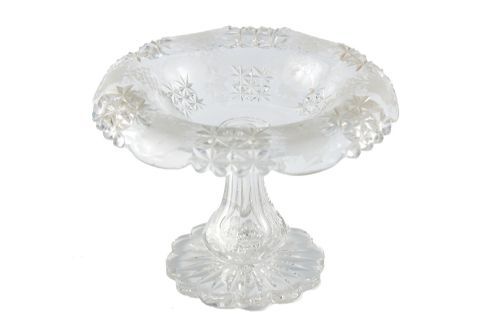
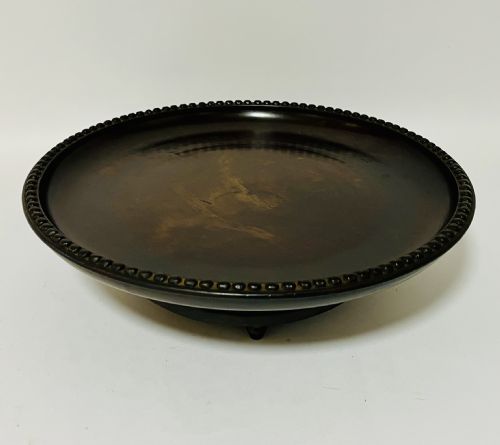
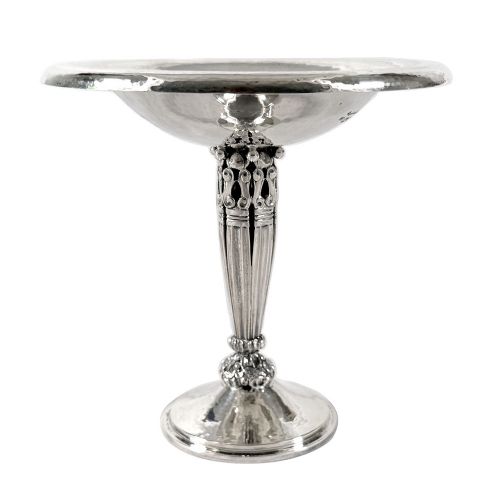
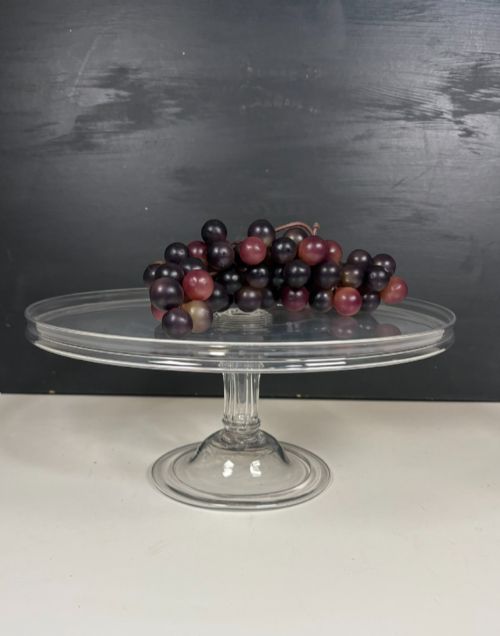
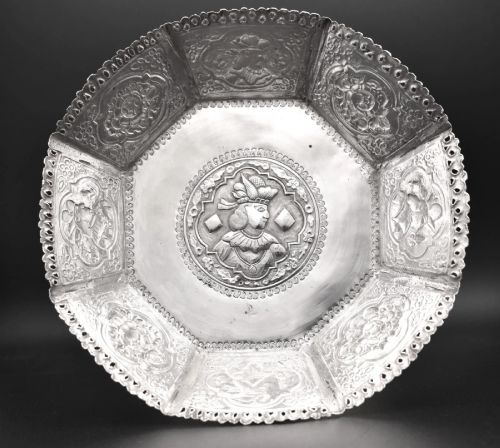


Antique Footed Tazza Compote
These antique footed tazza compotes elevate desserts and fruit into dramatic focal points, offering tactile weight and raised display.
Antique Footed Tazza Compote
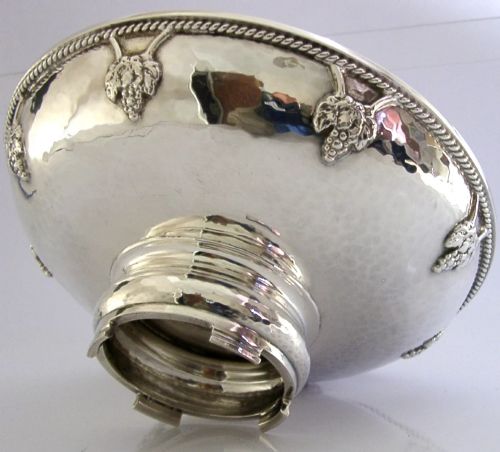
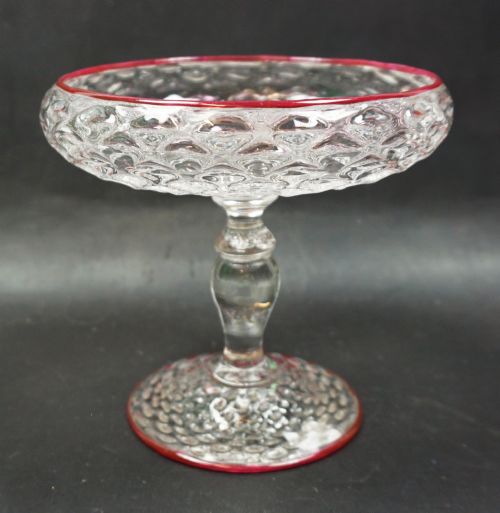
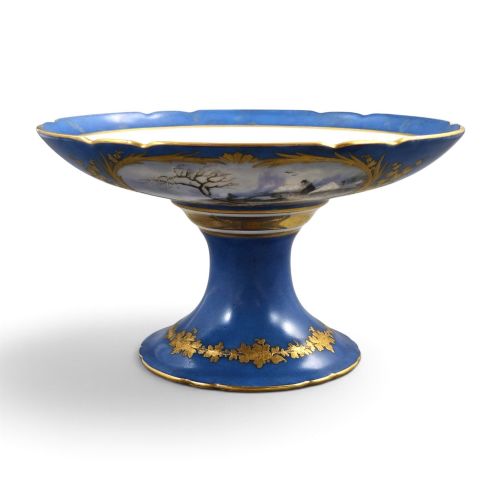
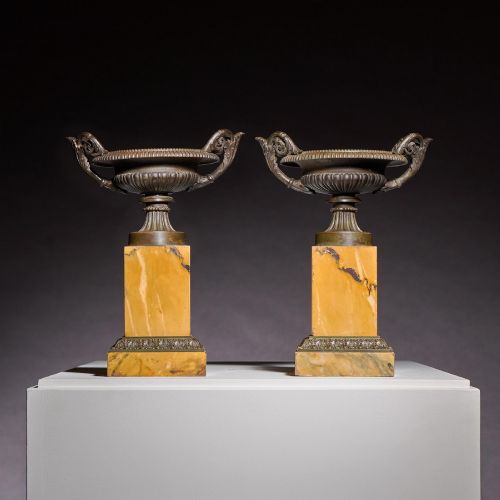
The antique footed tazza compote takes the form of a shallow dish or bowl raised on a central pedestal, serving historically for fruit, sweetmeats, or dessert displays. When you search for this phrase, you encounter pedestal bowls and centrepieces spanning the nineteenth century alongside Edwardian and Art Deco examples.
The materials vary widely across the selection, featuring clear and coloured glass, sterling silver, porcelain, bronze with marble, carved walnut, and cloisonné enamel. Geographical origins stretch from England and France to India, China, and Switzerland, presenting both formal neoclassical designs and rustic wooden folk art.
How they were made
Glass examples rely on moulding, cutting, etching, and overlay techniques, creating honeycombed patterns or striking contrasts between ruby, yellow, and clear layers. Metal pieces involve silversmithing methods such as repoussé and wirework, or bronze casting paired with turned marble bases.
Ceramic versions combine porcelain, ironstone, and earthenware bodies with hand-painted decoration, gilding, and coloured grounds. Wooden and stone variants depend on careful carving, turning, and polishing to showcase the natural grain or mineral figure.
Listings span the nineteenth century through the 1930s, encompassing Victorian, Edwardian, and Art Deco periods in porcelain, silver, and glass.
What varies in quality
Quality rests in the crispness of the cutting, the weight of the metal, and the precision of the hand-painted or chased details. A superior piece displays confident handling of its medium, whether that manifests as deeply carved crystal facets, finely articulated silver repoussé, or artist-painted porcelain panels.
The relationship between the dish and its pedestal also defines the standard, with better items showing balanced proportions and robust construction rather than clumsy joints. Material purity, such as solid silver versus plated surfaces or genuine hardstones, elevates the standing of the object.
Charles Boyton·John Ridgway·Moorcroft
The Antique Footed Tazza Compote Glossary
- Tazza
- A shallow bowl or plate mounted on a stem and foot, used originally for serving wine or food. The form derives from sixteenth-century metal vessels before being adopted by ceramic and glass makers.
- Compote
- An American and continental term for a pedestal dish used to serve compote fruit, sweetmeats, or nuts. It functions identically to the British tazza or pedestal bowl.
- Repoussé
- A metalworking technique where the artisan hammers the metal from the reverse side to form a raised design in relief. This method creates tactile, textured surfaces on silver bowls.
- Cloisonné
- An enamelwork decoration method where thin metal strips are soldered to a base to form compartments, which are then filled with coloured glass paste and fired. Chinese examples demonstrate this intricate technique.
- Centrepiece
- A large decorative object placed in the middle of a dining table, often taking the form of an elaborate tazza or pedestal bowl. These pieces dominate the table setting.
Antique Footed Tazza Compote: Frequently Asked Questions
What is the difference between a tazza and a compote?
The terms describe virtually the same pedestal dish form, though tazza often leans toward formal European silver, glass, or ceramic pieces, while compote appears frequently in American and continental contexts.
Both serve the exact same function of elevating fruit or desserts above the level of the dining table.
How were antique compotes used originally?
These elevated vessels stood centrally on dining tables during the dessert course to hold fresh fruit, crystallized sweets, or nuts.
Their height improved visibility across the table and added architectural structure to the dining arrangement.
How do I date a glass tazza?
Dating relies on identifying manufacturing traits such as mould seams, pontil marks on the base, glass colour chemistry, and cut patterns.
Victorian and Edwardian pieces often exhibit distinct heavy crystal moulding or specific etched motifs characteristic of late nineteenth-century factories.
Can silver compotes be used for food today?
Solid silver and glass examples remain entirely functional for serving dry foods, fruit, or confectionery at modern gatherings.
Silver requires gentle hand washing without harsh abrasives to preserve the original metal surface over time.