
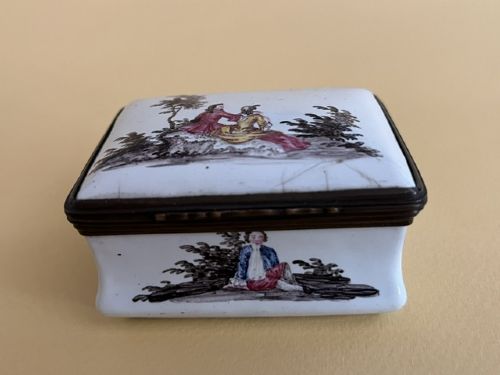
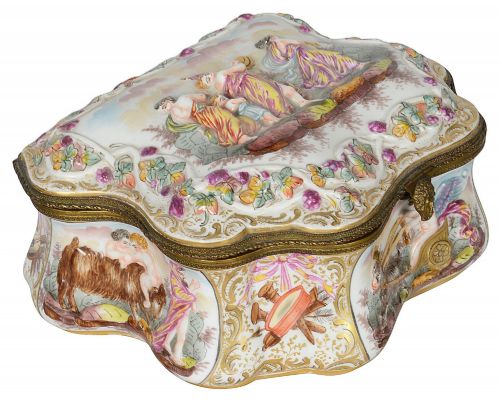


Hand Painted Keepsake Box
A hand painted keepsake box is a small painted vessel for personal treasures, bringing colour and regional craftsmanship directly to a dressing table or desk.
Hand Painted Keepsake Box
A hand painted keepsake box encompasses small decorative receptacles designed to hold trinkets, documents, jewellery, or letters. The examples found here span several centuries, reaching from the eighteenth century through the nineteenth century and into the early twentieth century.
Most pieces encountered on this page originate from European folk art traditions, particularly Scandinavian workshops, alongside Georgian and Regency British examples. Forms range from compact tea caddies and deed boxes to small pine chests and lacquered table boxes.
Makers utilised various timber substrates, porcelain, enamel, and papier mâché, applying meticulous brushwork and pigment by hand. Buyers often select these boxes to introduce regional character and historic pattern into domestic interiors.
How they were made
Craftsmen built the primary structure using timber such as pine, oak, or mahogany, occasionally employing papier mâché or metal bases. Surfaces were then prepared to receive coats of paint, lacquer, or enamel.
Decoration relied on hand-applied pigments, sometimes heightened with gold leaf or metal fittings in brass and iron. Artisans executed floral motifs, portraits, or folk art scenes directly onto the prepared background, preserving the brushwork.
Current listings feature materials including pine, mahogany, oak, papier mâché, enamel, and brass across pieces dated from the eighteenth to the twentieth century.
What varies in quality
Quality rests in the survival and execution of the original painted surface rather than mere age. Finely detailed portraiture or intricate folk art scrollwork elevates a piece above simple utilitarian containers.
Construction standards also determine worth, seen in the choice of cabinet timbers like mahogany or oak versus basic pine, alongside the integrity of hinges, latches, and internal compartments.
Jennens & Bettridge
The Hand Painted Keepsake Box Glossary
- Bilston enamel
- A type of small decorative enamel box produced in Bilston, Staffordshire, during the eighteenth century. These pieces typically feature hinged lids and detailed painted pastoral or sentimental scenes.
- Chinoiserie
- A European artistic style reflecting Chinese aesthetic motifs, popular during the Georgian and Regency periods. Artisans applied gilt and painted designs onto lacquered wood surfaces to imitate Asian imports.
- Papier mâché
- A composite material made from paper pulp or layers of paper bound with glue, then moulded and dried. It provided a smooth, stable base for lacquering and hand-painted portrait miniatures.
- Tea caddy
- A box or chest originally designed to store dry tea leaves securely under lock and key. Georgian examples often utilised fine mahogany and painted decoration.
- Folk art
- Traditional cultural expression created by self-taught or rural artisans using local materials. Scandinavian painted boxes reflect this vernacular tradition through vibrant regional pigments and motifs.
Hand Painted Keepsake Box: Frequently Asked Questions
How are different periods identified?
Dating relies upon timber selection, hardware construction, and stylistic painting conventions typical of specific eras. Georgian and Regency pieces often show refined cabinetmaking, while nineteenth-century folk art boxes display regional pigment choices.
Examining the underside, hinges, and interior linings helps confirm the manufacturing period without relying solely on exterior decoration.
What were these boxes used for?
Historical uses varied from securing valuable documents and deeds to housing tea, jewellery, and personal correspondence. Smaller patch boxes held cosmetic items, while larger strong boxes protected currency and valuables.
Their decorative finishes meant they sat openly on dressing tables or writing desks rather than remaining hidden away.
How should I care for painted surfaces?
Preserving original paintwork requires keeping boxes away from direct sunlight and maintaining stable indoor humidity. Dusting with a dry, soft cloth prevents the accumulation of dirt without risking moisture damage.
Wax or harsh chemical cleaners should be avoided, as historic pigments and lacquers can react poorly to modern solvents.
Are all painted boxes folk art?
Not all boxes fall under folk art, as styles range from rural Scandinavian traditions to refined Georgian Chinoiserie and industrial Victorian papier mâché. Vernacular pieces reflect local rural handiwork, whereas others followed polite urban fashions.
The style of painting and the quality of the timber usually indicate whether a piece originated from a country workshop or a commercial urban manufacturer.