
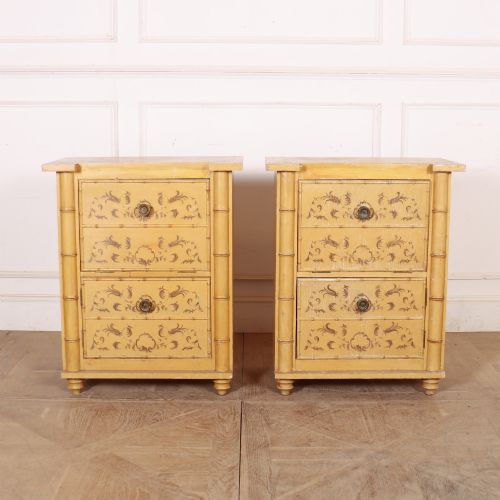


Hand Painted French Cabinet
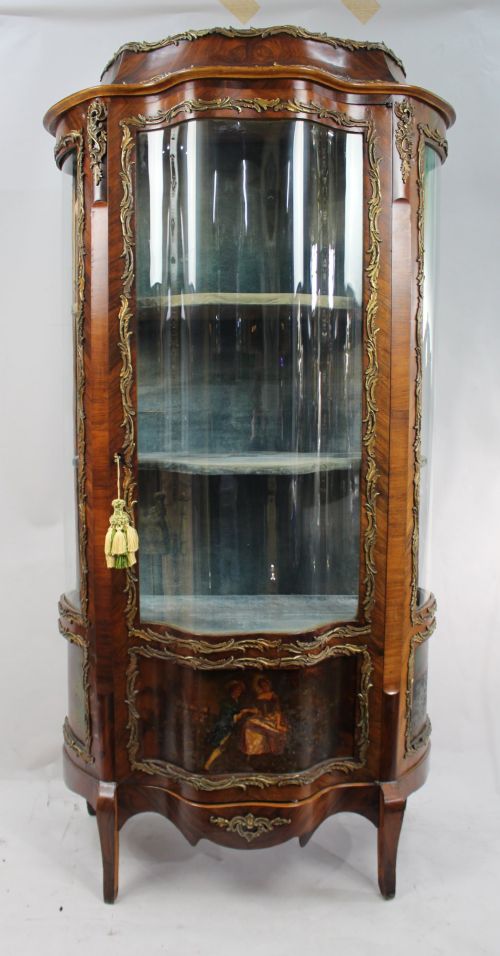
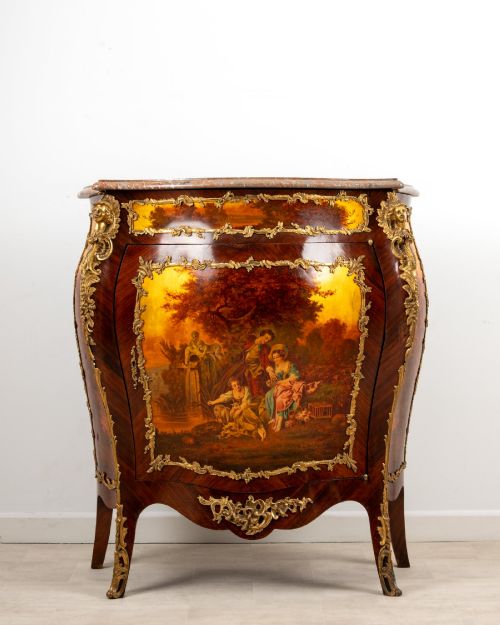
When you search for a hand painted french cabinet, you encounter intricate porcelain vessels, glazed display vitrines, and timber commodes finished with pastoral scenes.
Hand Painted French Cabinet
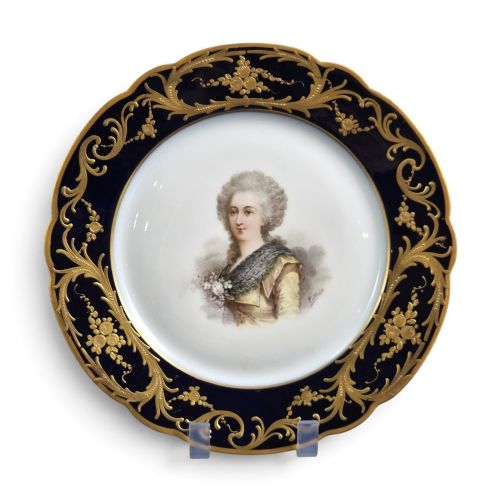
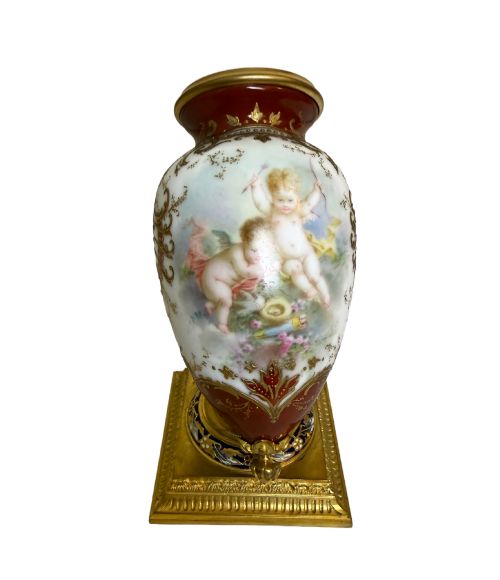
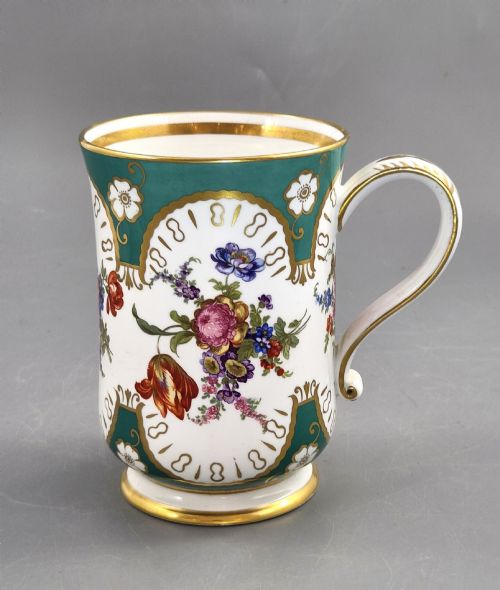
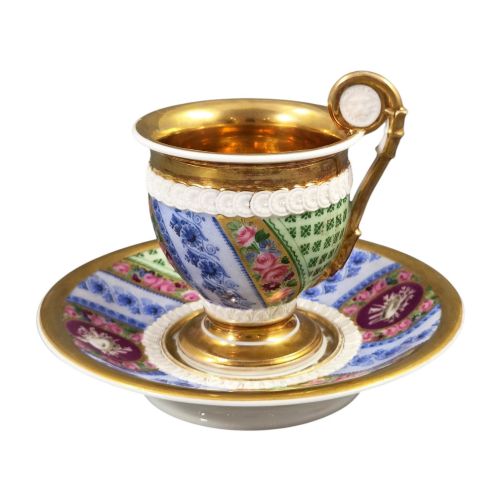
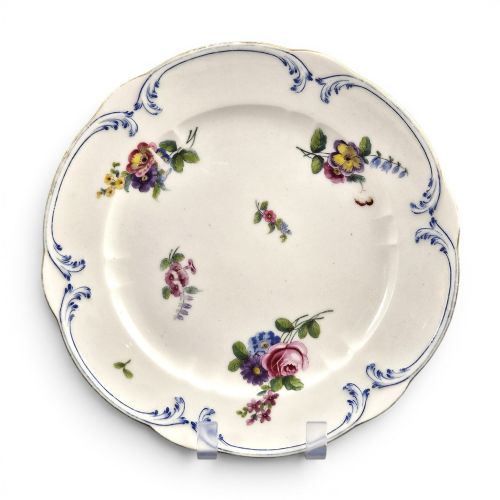
A hand painted french cabinet spans two distinct physical traditions, uniting glazed display furniture and timber storage with hand-decorated porcelain plates, vases, and service pieces. Buyers searching this phrase meet nineteenth-century vitrines, serpentine commodes, and bedside tables alongside eighteenth-century porcelain plates and cabinet cups.
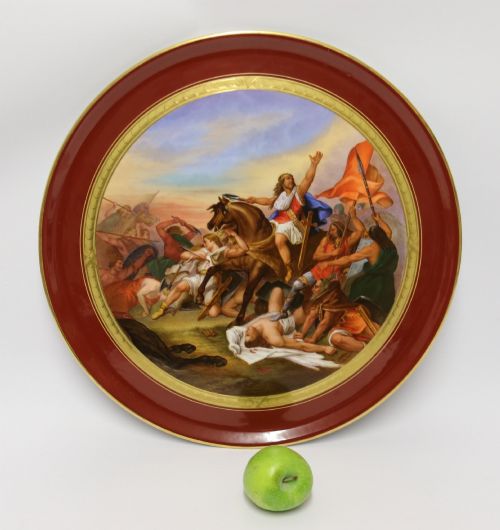
The furniture forms feature painted panels, floral motifs, and Vernis Martin finishes housed in kingwood, rosewood, or pine frameworks. Porcelain items present historical battle scenes, portraits, and botanical studies executed in the manner of Sèvres and Old Paris workshops.
Pieces originate predominantly from the nineteenth and eighteenth centuries, with revival movements drawing heavily on Louis XV and Louis XVI aesthetics. These items function as decorative focal points or functional storage units within period and eclectic interiors.
How they were made
Makers constructed the timber carcases from foundational woods like pine, rosewood, and kingwood, frequently applying curved surfaces and serpentine profiles. Artisans then integrated hand-painted panels, gilt bronze or ormolu mounts, and polished marble tops to complete the exteriors.
Ceramic pieces utilise soft-paste or hard-paste porcelain, shaped into plates, vases, and cabinet cups before receiving detailed hand-painted overglaze decoration. Guild techniques ensured that enamel pigments and gold leaf accents underwent careful kiln firing to achieve durable surface finishes.
A painted plate depicts an Arab horseman galloping across French porcelain.
What varies in quality
The standard of a hand painted french cabinet rests upon the execution and depth of its decorative surface work. Finer examples display meticulous brush control in pictorial scenes and portraits, whereas lesser items rely on repetitive stencilled motifs.
Material selection and mounting craftsmanship further divide the range. Superior pieces feature heavier fire-gilt bronze mounts, accurately fitted marble tops, and cabinetwork executed in dense exotic timbers rather than secondary softwood carcases.
Darte Brothers·Pucher Deroche·Ambroise Michel·Melissa White
The Hand Painted French Cabinet Glossary
- Vernis Martin
- A simulated Japanese lacquer technique developed in eighteenth-century France by the Martin brothers, utilising translucent varnishes over painted decorations. This finish appears frequently on nineteenth-century revival vitrines and commodes.
- Ormolu
- Gilded bronze mounts applied to furniture edges and feet, adding decorative weight and structural accent. High-quality mounts exhibit sharp chisel work and deep fire gilding.
- Vitrine
- A glass-fronted display cabinet designed to showcase porcelain and curiosities. These pieces often feature glazed side panels to maximise interior light.
- Sèvres style
- A descriptor for porcelain decorated in the aesthetic tradition of the historic French royal manufactory. Pieces often incorporate cobalt grounds, rich gilding, and finely painted historical subjects.
- Kingwood
- A dense, richly figured Brazilian timber utilised in fine cabinetmaking for veneering curved surfaces. Its deep purplish-brown tones provide a dark contrasting background for gilt mounts.
Hand Painted French Cabinet: Frequently Asked Questions
How do I clean a painted porcelain panel?
Dust surfaces gently with a soft dry brush and avoid chemical solvents that might damage delicate overglaze enamel or gold leaf.
Keep pieces away from direct sunlight to preserve the original pigment intensity over time.
What is Vernis Martin?
Vernis Martin is an eighteenth-century European lacquer technique used to create glossy, decorative surface finishes on furniture panels.
Craftsmen built up multiple layers of translucent varnish over hand-painted scenes to achieve a luminous depth.
How do I style a vitrine cabinet?
Display contrasting ceramic plates and cabinet cups inside the glazed enclosure, varying the heights of objects to create visual balance.
Utilise interior lighting carefully to highlight the painted details of porcelain wares without exposing the timber to excessive heat.
Are porcelain plates meant to be wall mounted?
Most antique cabinet plates were originally produced as part of larger service sets or for display on specialised stands rather than walls.
Using padded wire hangers allows safe vertical display while protecting the delicate rims and painted borders from structural stress.