
Hand Painted Floral Cabinet
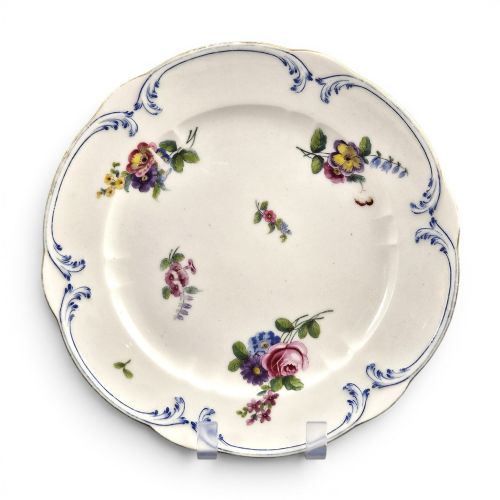
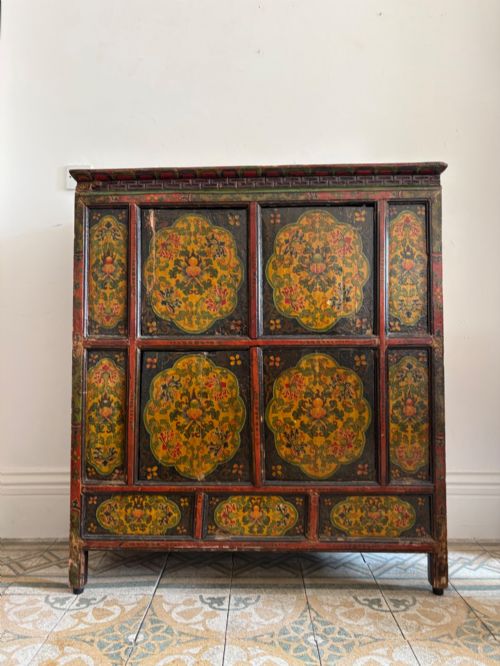
These hand painted floral cabinet pieces range from timber storage furniture to delicate porcelain plates carrying botanical brushwork.
Hand Painted Floral Cabinet
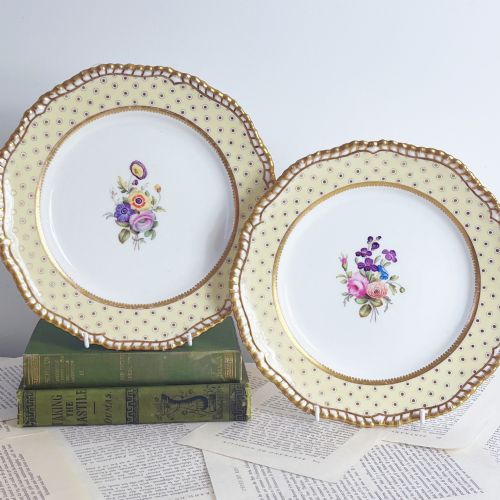
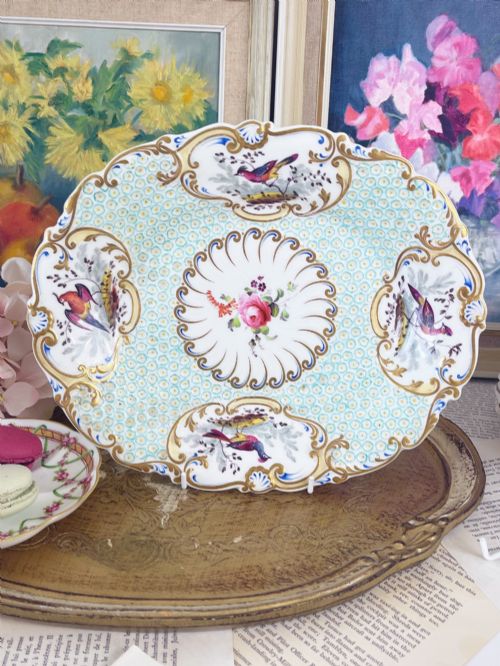
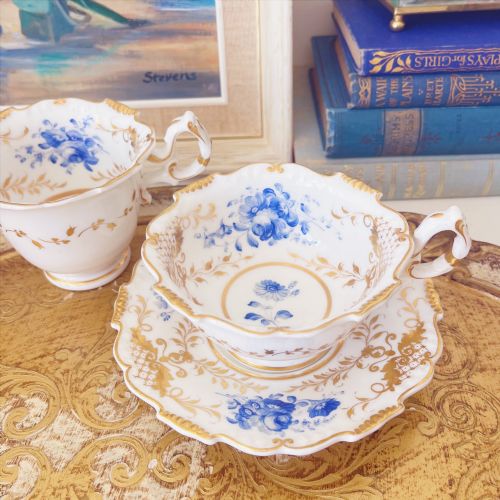
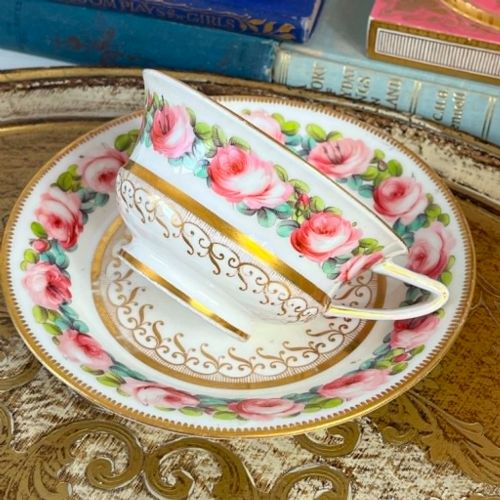
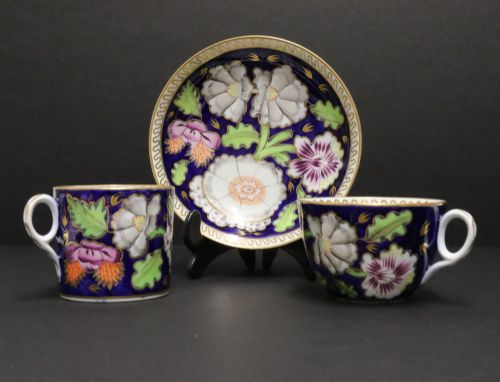
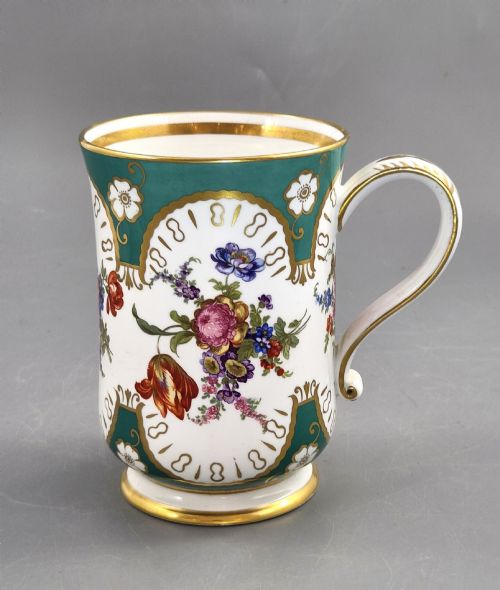
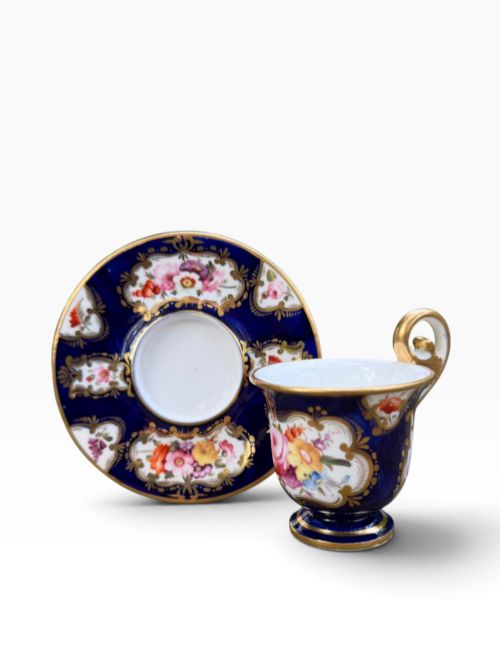
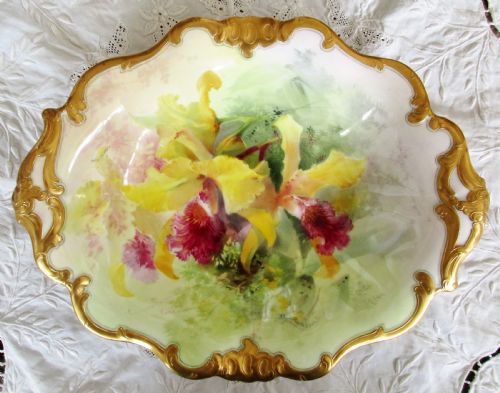
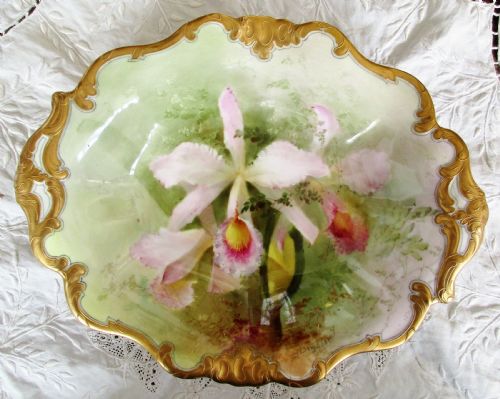
A hand painted floral cabinet search uncovers two distinct categories of antiques: wooden furniture pieces like side cabinets and wardrobes adorned with painted floral motifs, and porcelain ceramic items including dessert plates, cabinet cups, and serving dishes. The ceramic wares dominate the selections, hailing largely from 19th-century English and continental factories.
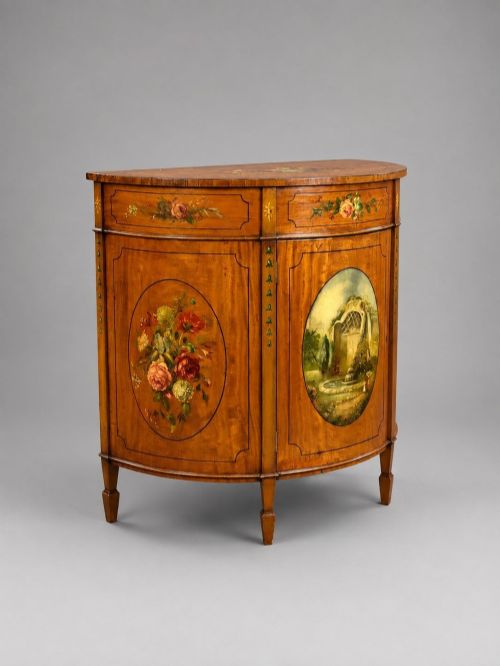
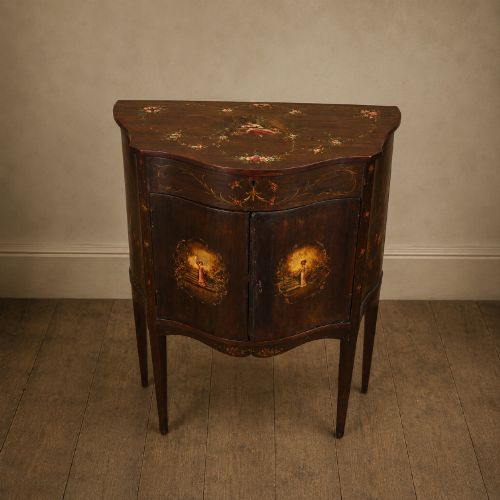
Wooden furniture examples appear in forms such as Edwardian satinwood demi-lune cabinets and Victorian serpentine side cupboards featuring painted decoration. Meanwhile, the porcelain side yields numerous cabinet plates and trios by makers like Spode, Coalport, and Derby, painted with botanical studies and floral sprays.
How they were made
The wooden furniture utilises fine timbers like satinwood and mahogany as bases, decorated with hand-applied paint and occasionally enhanced with gilt or brass details. Cabinet makers of the Georgian, Regency, and Edwardian eras shaped these timbers into display cabinets and side cupboards before applying surface art.
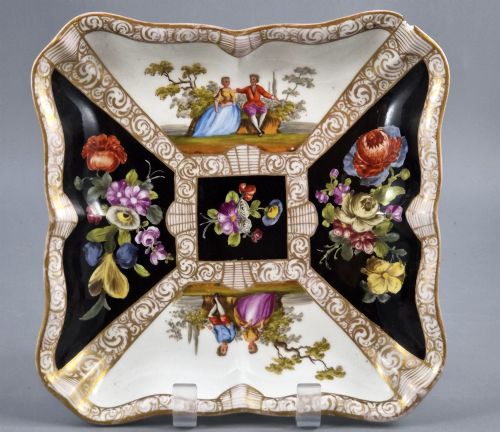
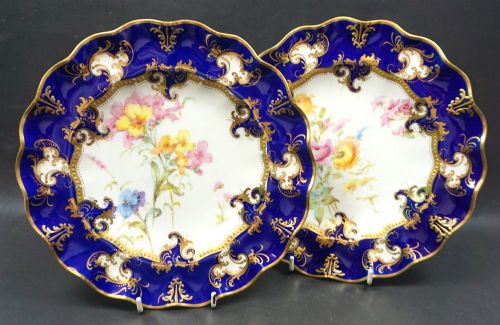
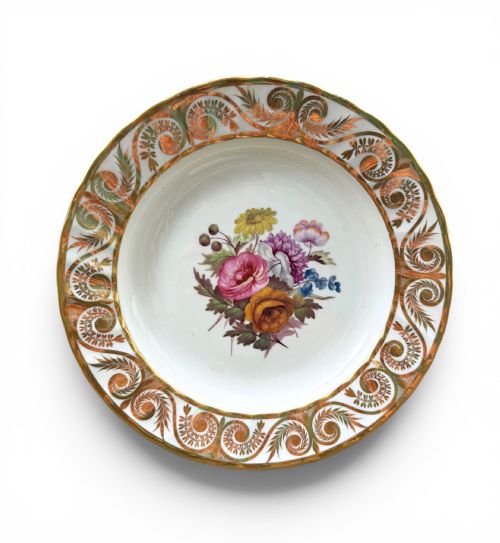
Porcelain and ironstone items rely on fired ceramic bodies finished with glazes, enamel paints, and sometimes gold leaf highlights. Skilled painters executed detailed botanical scenes, cabbage roses, and orchid studies directly onto the glazed ceramic surfaces before a final kiln firing.
Listings span periods from the 18th century through the Edwardian era, utilising materials like satinwood, porcelain, enamel, and gold leaf.
What varies in quality
Quality in these items rests upon the precision and artistic merit of the hand-painted brushwork. Pieces featuring finely detailed botanical studies or intricate Watteau scenes demonstrate superior handwork compared to simpler repetitive patterns.
The selection of base materials and the preservation of the original paint, glaze, and gilding also dictate the standing of a piece. Well-preserved satinwood cabinetry and pristine porcelain bodies with crisp enamel retain greater integrity over time.
Spode·H & R Daniel·Meissen·Davenport·Newhall·Coalport·Royal Crown Derby·Derby·Sèvres·Royal Doulton·John Davenport·Doe & Rogers·Copeland·John Ridgway·Furstenberg·Pucher Deroche·Minton·Chantilly
The Hand Painted Floral Cabinet Glossary
- Cabinet plate
- A decorative ceramic plate intended for display in a cabinet rather than for regular dining use. These often feature elaborate hand-painted floral or landscape scenes.
- Satinwood
- A durable, lustrous timber native to India and Ceylon, frequently utilised in fine 18th and 19th-century furniture making. It provides a pale, golden yellow canvas suitable for painted decoration.
- Imari
- A style of ceramic decoration originating in Japan, characterised by underglaze blue and overglaze iron red, gold, and green. European factories frequently copied these distinct patterns.
- Enamel
- A durable, glossy vitreous substance fused to pottery or metal surfaces through firing. It serves as the base for vibrant, permanent painted designs on ceramics.
Hand Painted Floral Cabinet: Frequently Asked Questions
What is a cabinet plate?
A cabinet plate is a decorative ceramic dish created primarily for display in a vitrine or wall mounting rather than for daily dining use. These pieces often feature elaborate hand-painted botanical subjects or historical scenes.
Factories produced them to showcase the pinnacle of their ceramic artists' painting skills, utilising fine porcelain bases and rich enamel colours.
How do I care for painted wooden furniture?
Painted wooden items require protection from direct sunlight and excessive humidity to prevent timber warping and paint fading. Regular gentle dusting with a soft, dry cloth preserves the decorated surfaces.
Avoid applying harsh chemical polishes or water directly to the hand-painted floral motifs on satinwood or pine.
What is satinwood furniture?
Satinwood furniture utilises a dense, durable timber known for its natural golden sheen and smooth texture. Makers during the Georgian and Edwardian eras favoured this wood for high-end cabinets and desks.
The pale surface provided an ideal background for delicate hand-painted floral decoration and contrasting veneer inlays.
How do I date antique porcelain?
Dating antique porcelain involves examining factory backstamps, glaze characteristics, and stylistic cues from specific ceramic periods. Hand-painted botanical themes often reflect the prevailing natural science interests of the 18th and 19th centuries.
Consulting historical factory mark records helps narrow down the exact decade of manufacture for pieces by makers like Spode or Derby.