


Hand Painted Export Porcelain
Hand painted export porcelain brings together centuries of skilled ceramic work made in Asia for international markets.
Hand Painted Export Porcelain
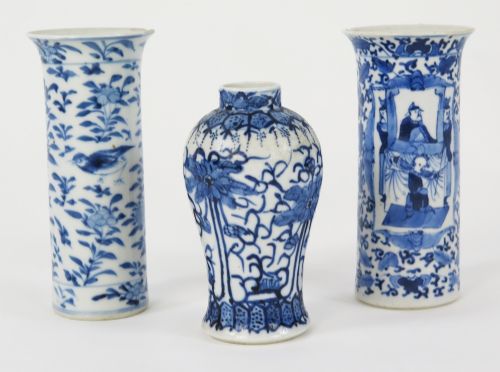
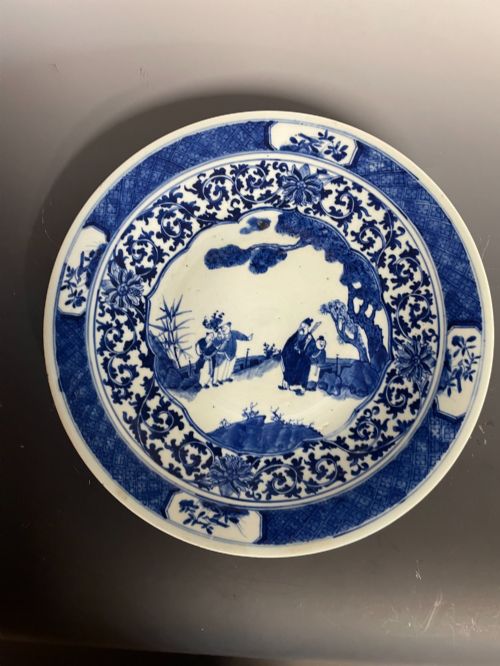
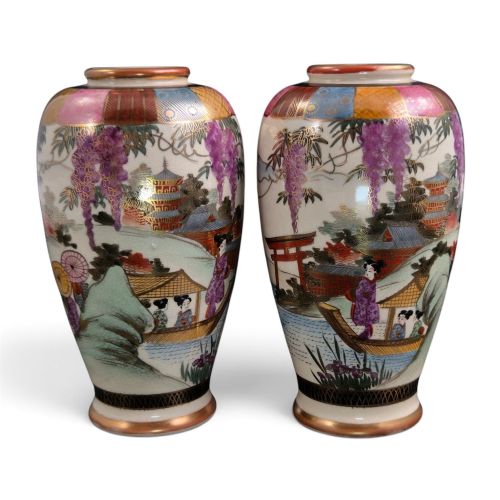
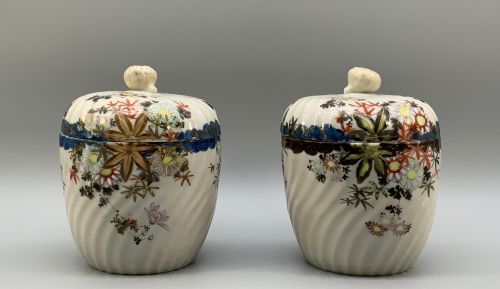
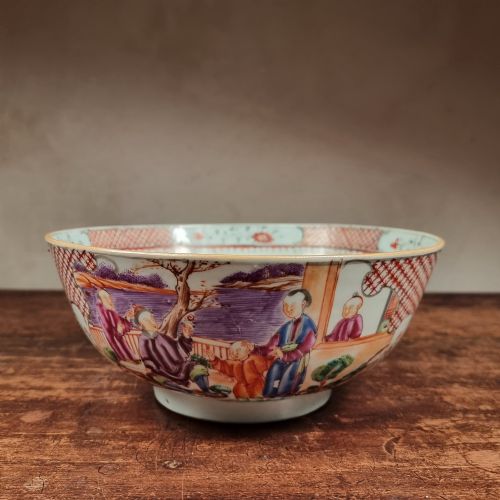
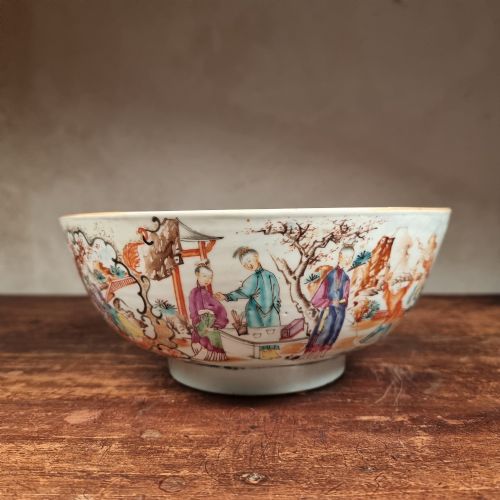
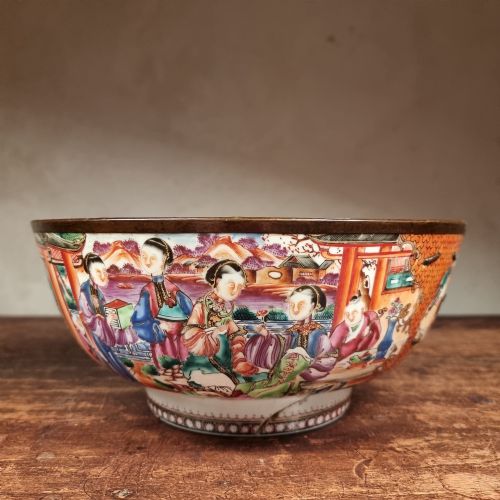
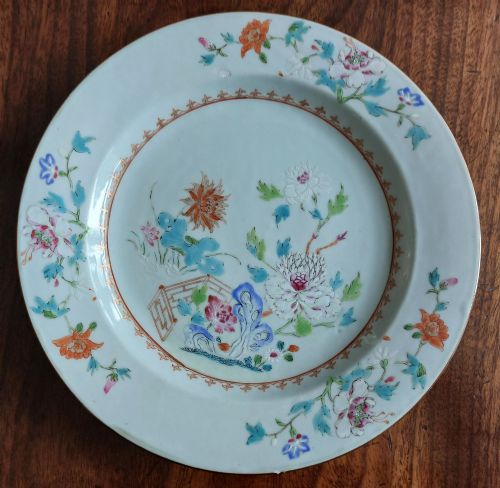
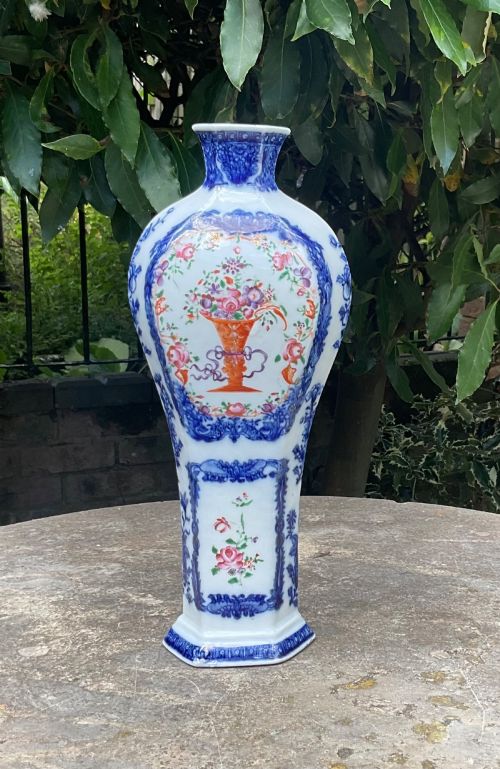
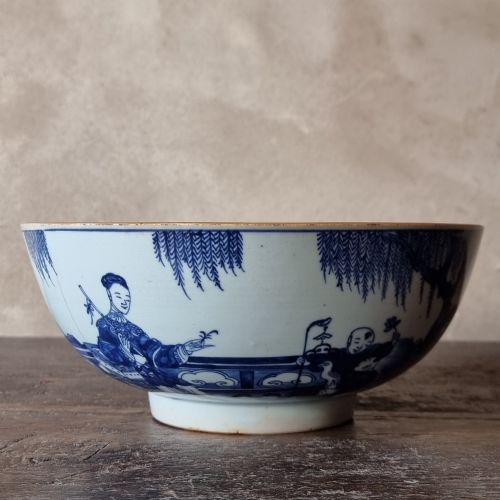
When you search for hand painted export porcelain, you encounter decorative bowls, plates, vases, and tea wares originating from China and Japan. These items span the eighteenth, nineteenth, and early twentieth centuries, reflecting diverse regional aesthetics.
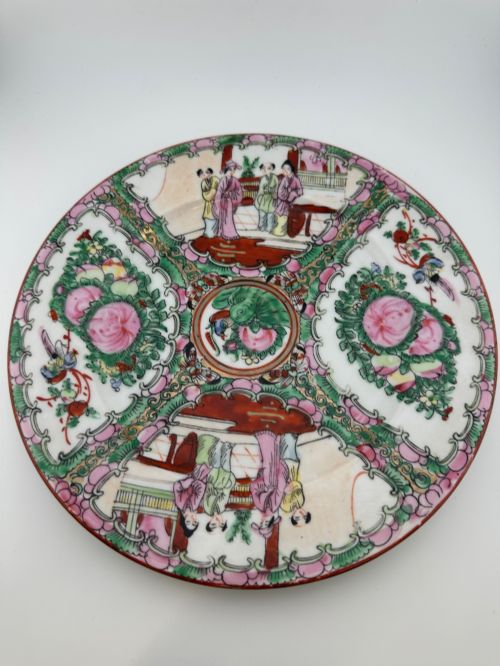
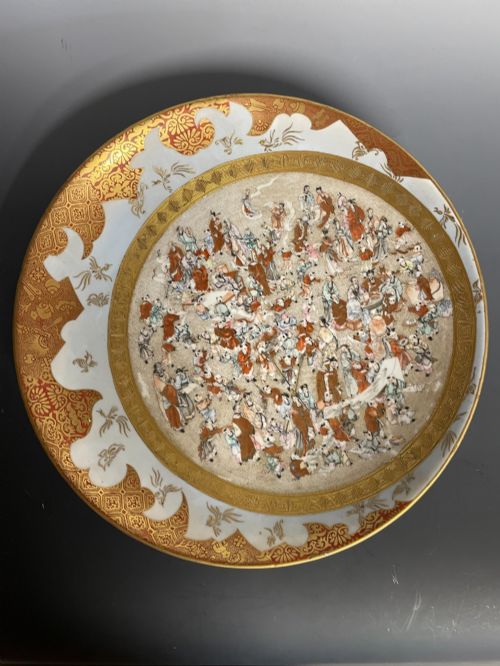
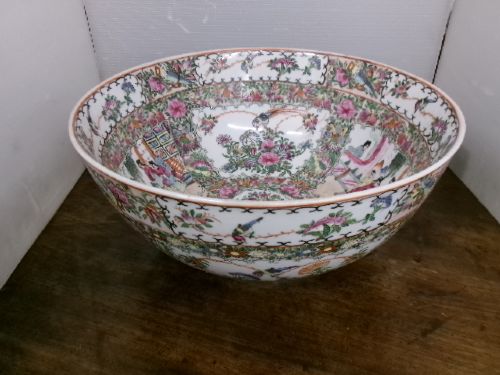
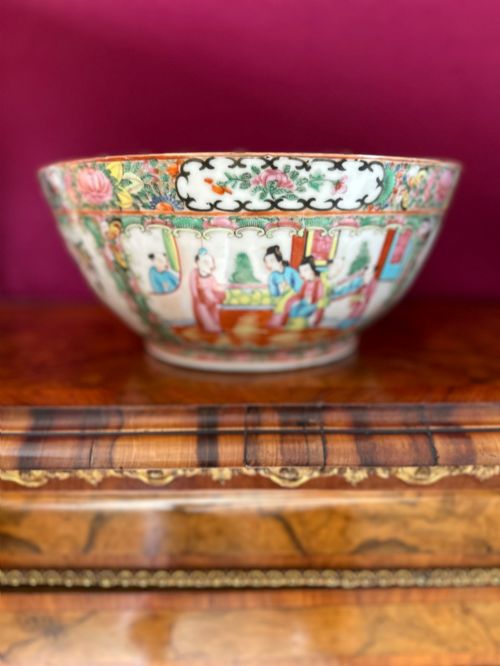
The objects on this page appear most frequently in forms such as large punch bowls, Canton dishes, and Imari charger plates. Pieces date from the Qianlong period through to the Meiji and Edwardian eras, showing varied origins across Asian kiln centres.
Vessels range from utilitarian teapots and jugs to substantial temple vases and okimono figures. Each item demonstrates the cross-cultural trade patterns that carried fine ceramics to western buyers.
How they were made
Potters shaped these ceramics from fine clay bodies, applying cobalt blue underglaze or rich enamel colours by hand. Artisans utilised gold leaf and gilt highlights to enrich floral and figural compositions.
Glazes include standard ceramic coatings alongside specific cobalt and enamel finishes fired at high temperatures. Eggshell porcelain variants required exceptional control during shaping and firing to achieve delicate, thin walls.
What varies in quality
The precision and detail of the hand painting distinguish standard items from superior examples. Complex motifs involving multiple enamel layers and fine gold work require advanced brush control.
The clarity of the glaze and the crispness of the porcelain body influence the visual strength of each vessel. Well-balanced forms and clean firing results separate accomplished studio output from volume production.
Hichozan Shinpo
The Hand Painted Export Porcelain Glossary
- Famille Rose
- A palette dominated by opaque pink enamel, introduced in the Qing dynasty. This palette permitted subtle tonal shading on floral and human subjects.
- Imari
- A Japanese export style characterised by underglaze blue, iron red, and gold highlights. Wares typically display intricate floral and geometric panel designs.
- Canton
- A style of Chinese export porcelain decorated in vibrant enamel colours depicting figures, birds, and butterflies. Decoration often fills every available surface of the vessel.
- Celadon
- A type of green-glazed ceramic produced in East Asia. The glaze colour results from iron oxide reacting in a reduction kiln atmosphere.
- Okimono
- A Japanese decorative carved object or figurine designed for display. These pieces demonstrate detailed sculptural work alongside painted surfaces.
Hand Painted Export Porcelain: Frequently Asked Questions
What is the difference between Imari and Canton styles?
Imari porcelain relies on a distinct palette of underglaze blue, iron red, and gold, featuring structured panels. It originated in Japan and focuses on geometric and floral symmetry.
Canton wares stem from China and employ densely packed enamel colours showing figures and natural scenes across the entire surface.
How were these export porcelains used?
These ceramics served both practical and decorative functions in western households. Large punch bowls and teapots formed part of formal dining and social rituals.
Charger plates, vases, and lidded jars were displayed on furniture to signal taste and global trade connections.
How should I care for antique porcelain?
Keep porcelain away from direct sunlight and dramatic temperature fluctuations. Dust gently with a soft dry cloth.
Avoid using chemical cleaning agents or submerging pieces with delicate gold leaf and enamel decoration in water.