






Polychrome Enamel Chinese Plate
These polychrome enamel chinese plate examples bring vibrant palettes and intricate historical narratives straight into your cabinet.
Polychrome Enamel Chinese Plate
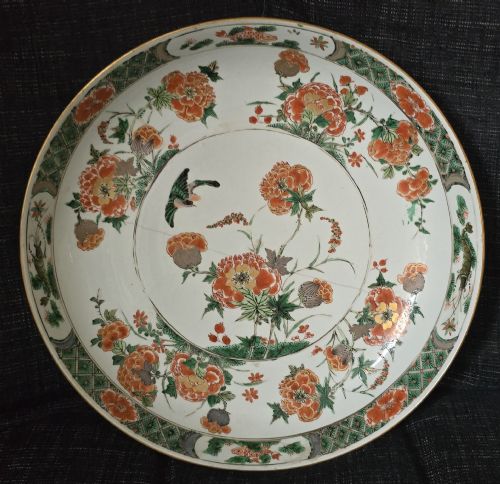
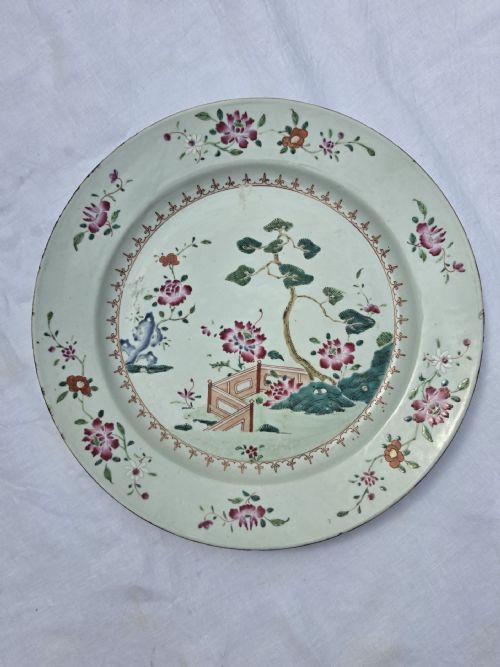
A polychrome enamel chinese plate represents centuries of decorative ceramic artistry originating from China, encompassing distinct stylistic periods. Buyers searching for a polychrome enamel chinese plate will encounter forms primarily spanning the eighteenth and nineteenth centuries, including items fashioned during the Qing Dynasty and the Qianlong period. These ceramics frequently manifest as decorative plates, chargers, and dishes decorated with varied historical scenes.
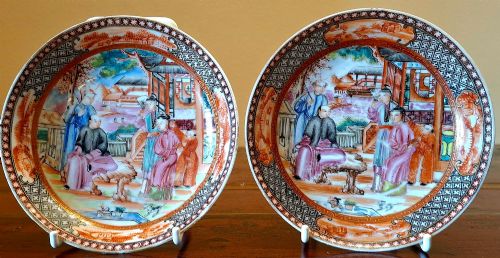
The pieces available on this page lean heavily towards traditional Chinese export ware alongside nineteenth-century Canton productions. Alongside standard round plates, collectors may find alternative formats such as bowls, saucers, trays, and shamrock-shaped dishes. The visual themes on these items range from floral and bird motifs to elaborate Mandarin palette acrobatics and armorial designs.
Assessing quality and craftsmanship
The precision and hand-painted detail of the enamel work separate standard decorative items from superior examples. Fineness in brushwork and the complexity of the pictorial narrative, such as multi-figure Mandarin palette scenes or armorial bearings, indicate higher artistic achievement.
The application of gilding and the preservation of the porcelain body over centuries influence the overall visual impact. Superior pieces maintain crisp enamel outlines and balanced compositions across the face of the plate or dish.
Polychrome Enamel Chinese Plate Retail Price Guide 2026
Typical asking prices for polychrome enamel chinese plate among the pieces listed under this phrase on Sellingantiques today, from the lower quarter to the upper quarter. They describe what is for sale here now, not the wider market.
Listings feature porcelain pieces spanning the eighteenth century, the nineteenth century, and specific years including seventeen-fifty, seventeen-sixty, seventeen-seventy, seventeen-eighty, eighteen-sixty, eighteen-eighty, nineteen-hundred, and nineteen-thirty.
The Polychrome Enamel Chinese Plate Glossary
- Famille Rose
- A major palette of Chinese ceramic enamels introduced during the Qing dynasty, distinguished by its predominant opaque pink or rose colour. This palette allowed for subtle tonal gradations in floral and figural depictions.
- Chinese Export
- Porcelain manufactured in China specifically for the Western market, often tailored to European tastes and heraldic commissions. These wares combine traditional Chinese potting techniques with Western shapes or armorial designs.
- Qianlong
- Pertaining to the reign of the Qianlong Emperor, associated with prolific ceramic production and high technical standards. Pieces from this era often feature detailed polychrome decoration.
- Mandarin Palette
- A style of Chinese export porcelain decorated with elaborate figure scenes framed by borders of butterflies, birds, and flowers. The term derives from the depiction of Mandarin officials and court figures in domestic or narrative settings.
- Overglaze Enamel
- Pigments applied over the fired and glazed porcelain surface, requiring a subsequent lower-temperature firing to fuse the colours. This technique enables a broad spectrum of bright, opaque hues.
Polychrome Enamel Chinese Plate: Frequently Asked Questions
How do I date an 18th-century plate?
Dating relies on examining the characteristics of the porcelain body, the specific enamel palette employed, and stylistic markers tied to historical periods like the Qianlong reign. Documentation or heraldic records, such as specific family arms, can also narrow down the timeframe.
Changes in painting styles from earlier export pieces to later nineteenth-century Canton designs offer further chronological clues for collectors.
What is the Mandarin palette?
The Mandarin palette refers to a decorative style featuring detailed human figures, often officials or court members, engaged in narrative or domestic scenes. These figures are typically framed by intricate floral or geometric borders.
This style became particularly popular on export porcelain destined for Western markets during the eighteenth century.
Are these plates meant for display?
Most antique decorative plates and chargers feature delicate overglaze enamels and gilding that are best preserved through careful display rather than heavy daily use. Wall mounting or cabinet placement protects the painted surfaces from wear.
Gentle dusting with a soft cloth helps maintain the condition of the enamel and any gold leaf details.