

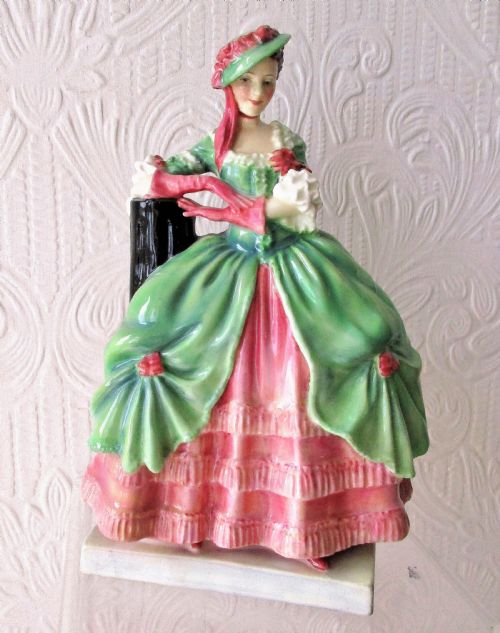
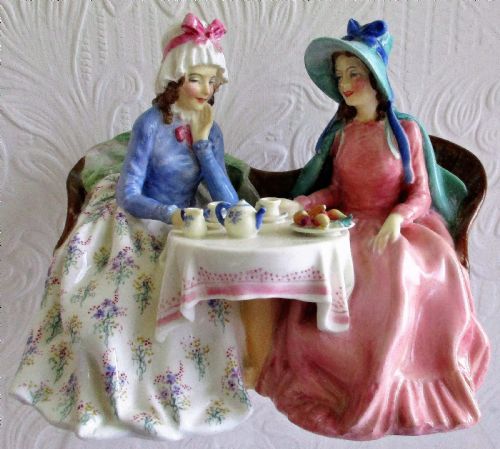
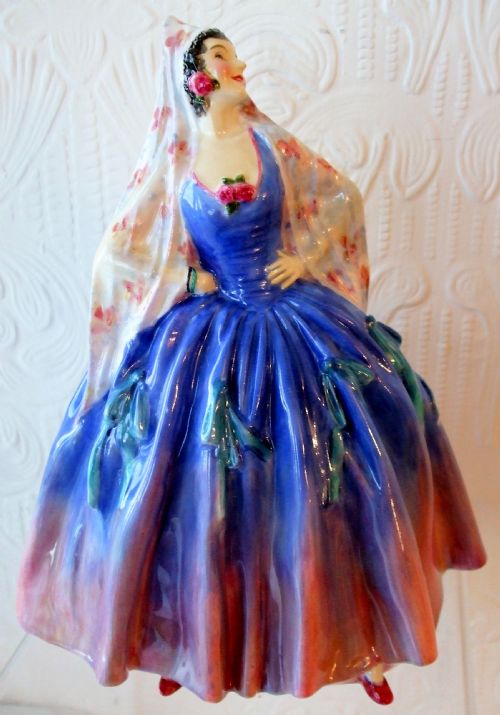


Hand Painted China Figurine
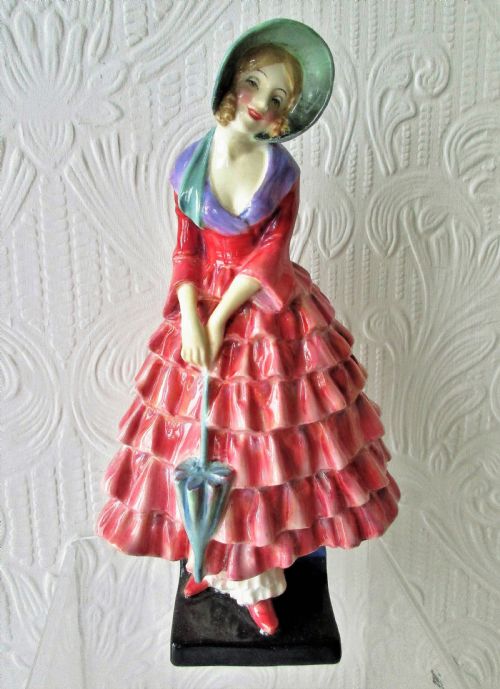
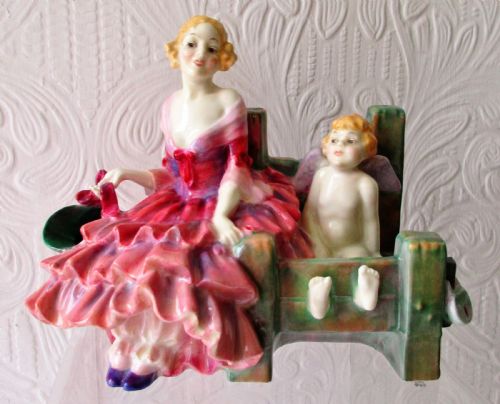
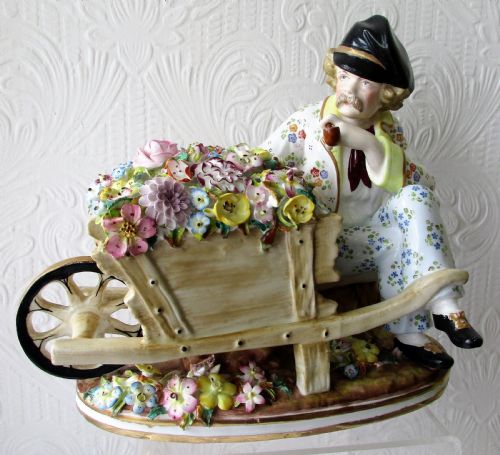
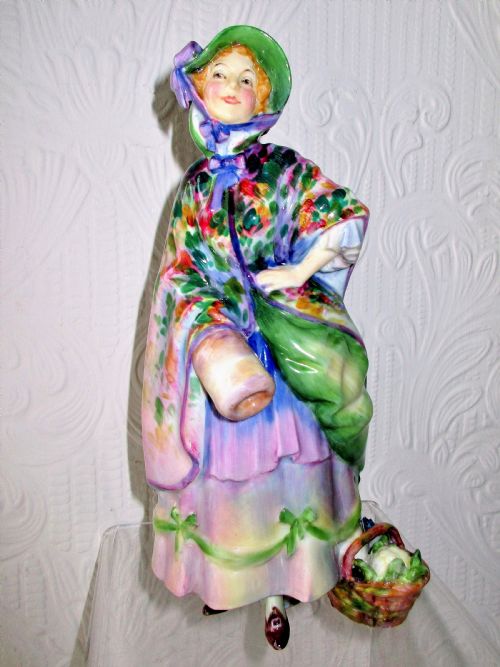
A hand painted china figurine brings domestic character and colour to a room, ranging from rural characters to allegorical subjects.
Hand Painted China Figurine
A hand painted china figurine takes the form of porcelain figures, decorative statuettes, and candle snuffers modelled in ceramic glaze and enamel. Buyers examining this page will find works spanning the eighteenth century through to the mid-twentieth century, with nineteenth-century examples and 1930s or 1940s English porcelain being particularly common.
The selection encompasses pastoral figures, pairs of dogs, gardeners, allegorical subjects, and named characters such as Chloe and Priscilla. Makers and styles represented include Royal Doulton, Chelsea, Meissen, and Derby, reflecting English, German, and French origins.
Forms range from single statuettes to pairs and multi-figure groups depicting children or seasonal themes. The decorative styles draw heavily on Rococo Revival, Victorian tastes, and Art Deco design.
How they were made
Decoration often involved detailed hand painting over the glaze, sometimes incorporating specific factory marks or stylistic derivations such as Chelsea-Derby and Meissen styles. The combination of moulded ceramic bodies and individual brushwork gives each statuette its distinct appearance.
The selection includes named characters alongside pastoral groups, Staffordshire dogs, and seasonal allegories.
What varies in quality
Quality in a hand painted china figurine depends upon the precision of the modelling and the finesse of the hand-applied enamel and gilt work. Superior examples display delicate facial expressions and crisp rendering of drapery and natural elements like leaves or flowers.
The sophistication of the painting and the clarity of factory marks or stylistic adherence separate finer pieces from simpler decorative items. Pieces created by established potteries or in specific historic styles often show greater sculptural ambition in multi-figure groups.
Royal Doulton·John Bevington·Helena Wolfsohn·Volkstedt·Minton
The Hand Painted China Figurine Glossary
- Biscuit porcelain
- Unglazed porcelain with a matte, smooth texture resembling marble. It was frequently utilised for French and continental figures.
- Gilt
- A thin layer of gold or gold-coloured material applied to highlights on the porcelain. This finish accents borders, clothing details, and bases.
- Rococo Revival
- A nineteenth-century style drawing on eighteenth-century French design, characterised by C-scrolls, asymmetry, and ornate decoration. Figures in this style often feature elaborate floral backdrops and lively postures.
Hand Painted China Figurine: Frequently Asked Questions
What are hand painted china figurines?
These pieces are ceramic sculptures moulded into human, animal, or allegorical forms and decorated with coloured enamels and glazes.
They originate from various European factories and periods, encompassing both cabinet ornaments and functional items like candle snuffers.
How were these figures used?
They served primarily as decorative ornaments for mantelpieces, tables, and cabinets in middle and upper-class homes.
Some specialised pieces, such as candlesnuffers, combined sculptural form with a practical domestic purpose.
How do I identify the period?
Dating relies on factory marks, style indicators such as Victorian or Art Deco, and the type of ceramic body used.
Nineteenth-century pieces often reflect earlier Chelsea or Meissen traditions, while 1930s examples frequently bear specific maker names and numbers.
How do I care for my figurine?
Figures require gentle dusting with a soft brush to protect delicate enamel and gilt details from abrasion.
Keeping them away from direct sunlight prevents the hand-painted colours from fading over time.