
Hand Painted China Cabinet
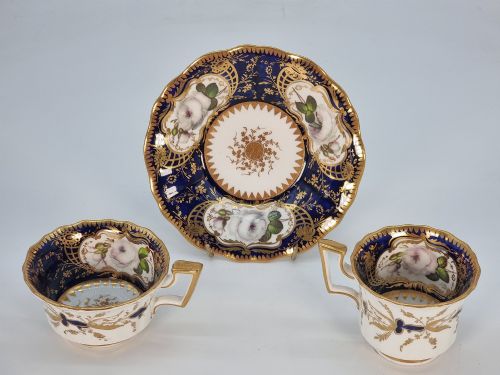
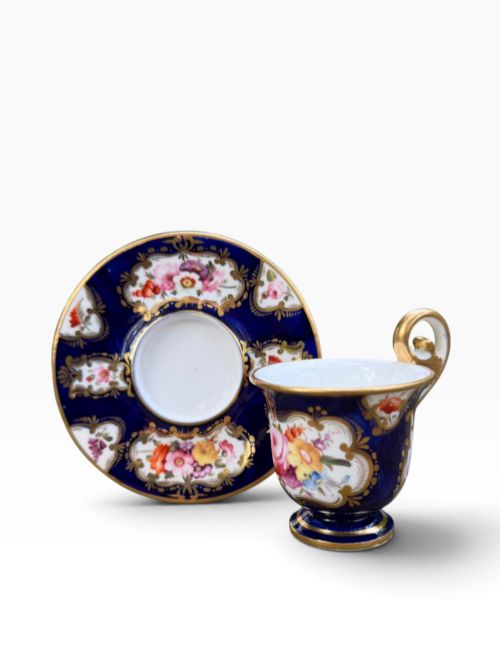
These hand painted china cabinet pieces bring together fine porcelain, rich gilding, and intricate brushwork from the Georgian, Victorian, and Edwardian eras.
Hand Painted China Cabinet
When you search for hand painted china cabinet wares, you encounter a distinct mix of items designed strictly for display rather than everyday dining.
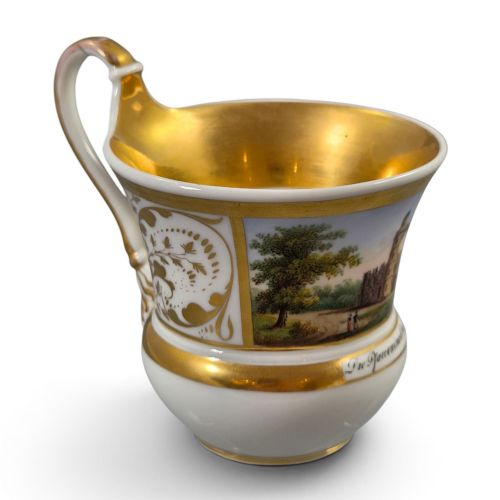
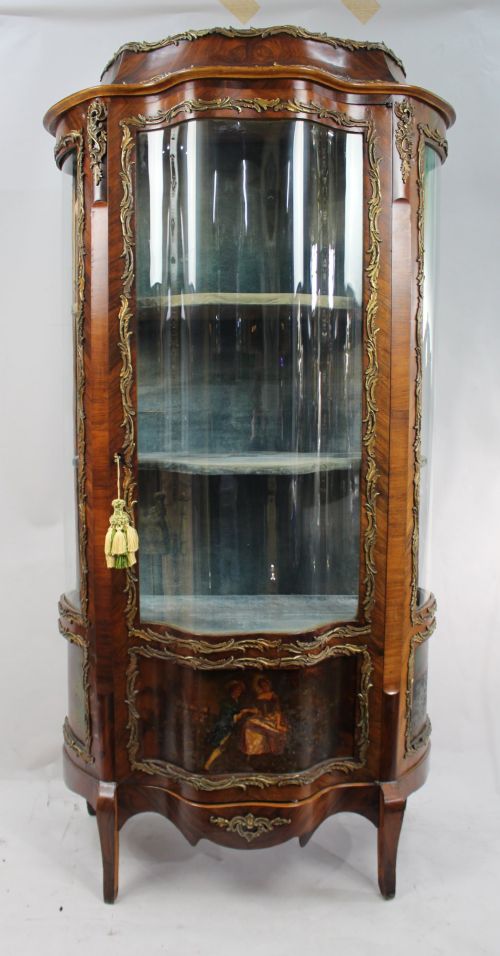
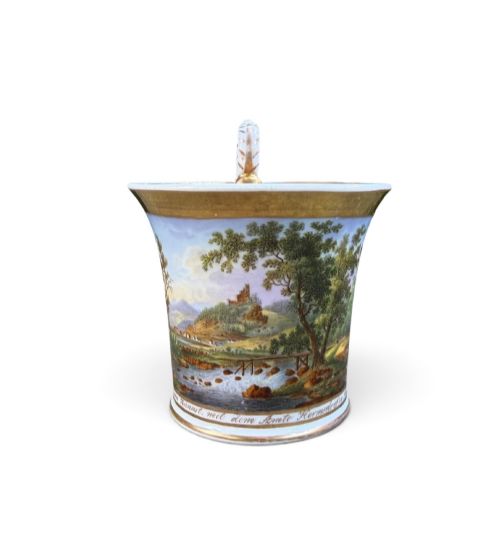
The selection ranges widely from cabinet plates and topographical cups to mahogany display cabinets decorated with painted surfaces.
Most items on this page hail from nineteenth-century English factories, alongside continental porcelain and early twentieth-century decorative pieces.
How they were made
Craftsmen shaped these items using porcelain, bone china, hard-paste porcelain, and glass, often housing delicate wares inside timber display cabinets finished with painted or vernis martin details.
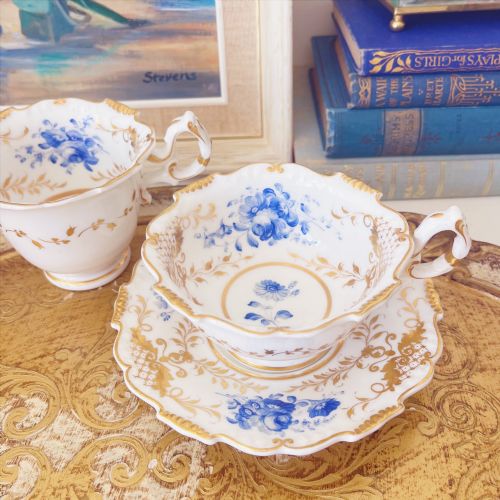
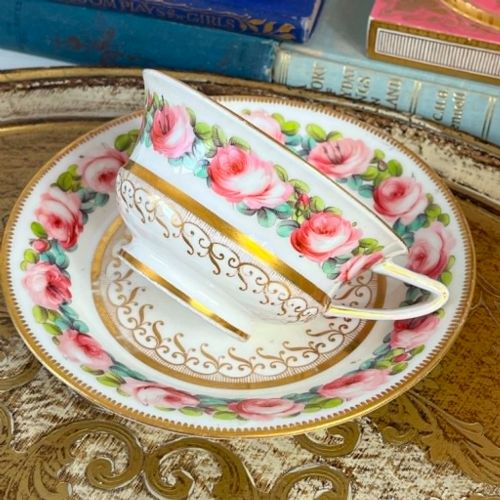
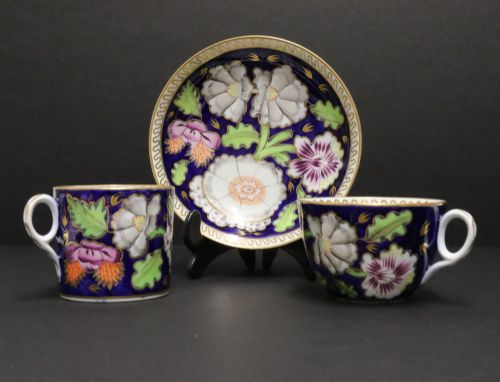
Painters applied fine enamels and gold leaf by hand, utilising gilding techniques that required multiple firings in kiln ovens to fix the metallic sheen.
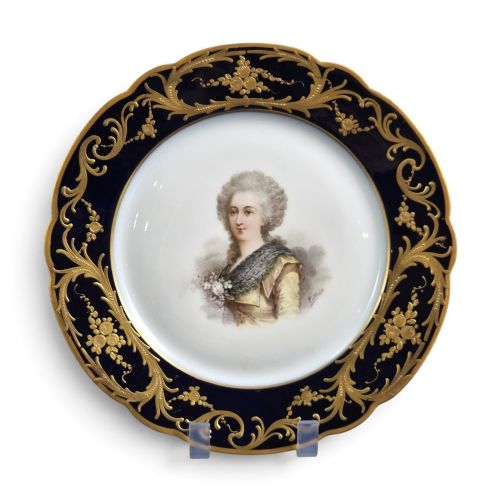
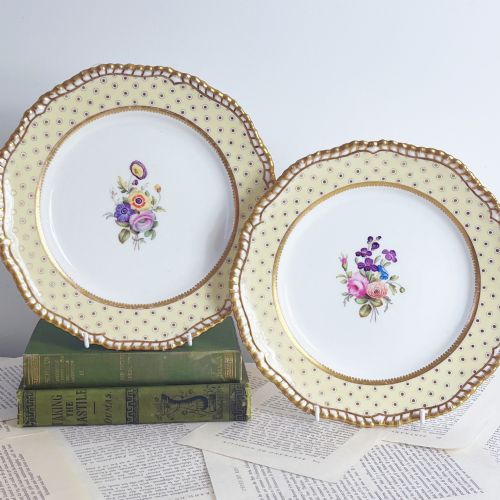
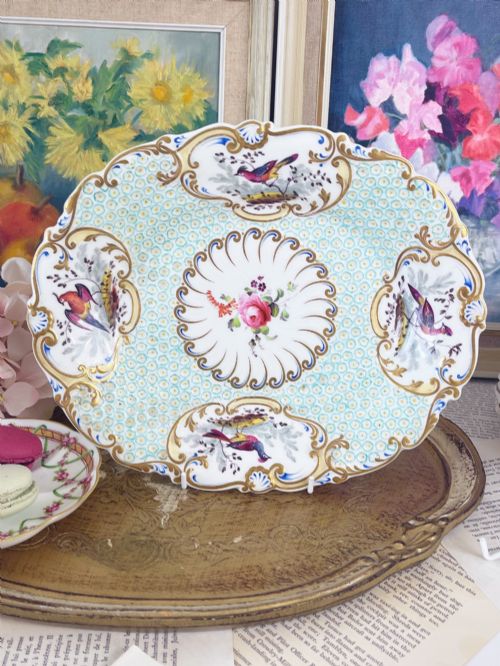
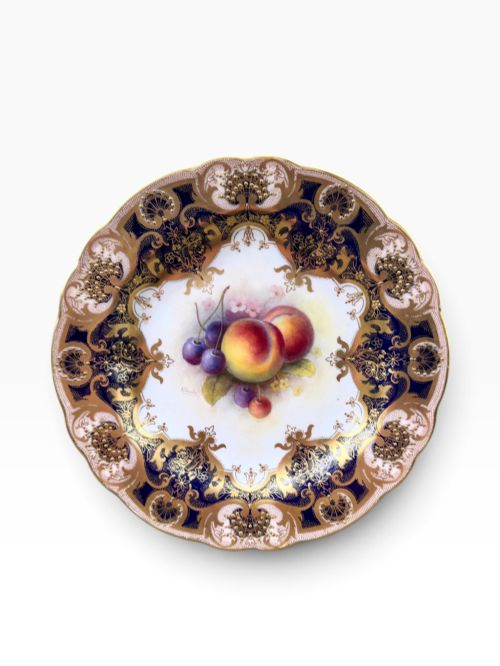
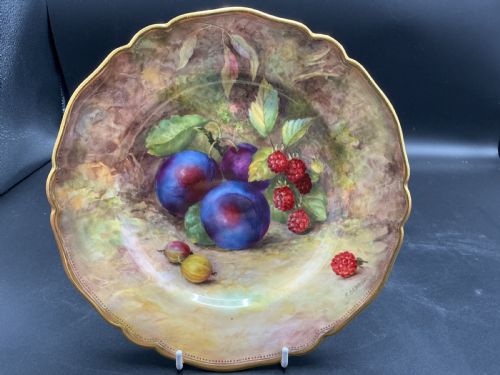
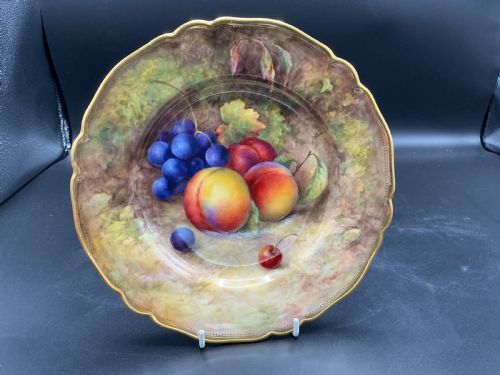
Makers such as Royal Worcester and Spode employed specialist artists to hand-paint botanical subjects, portraits, and fruit scenes directly onto the glazed ceramic body.
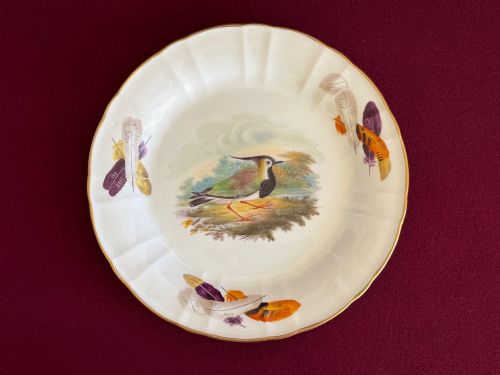
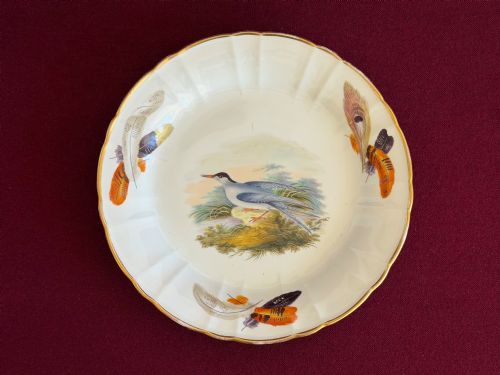
Cabinet plates were often so precious that owners stood them upright on velvet-lined ledtes just to admire the fruit and bird paintings.
What varies in quality
Quality rests upon the precision of the brushwork and the complexity of the subject, where signed artistry by known painters elevates a standard plate into a masterwork.
The application of gold leaf and enamel also dictates the tier of the piece, with dense gilding and vibrant hand-mixed colours separating fine cabinet wares from simpler factory output.
Spode·Wedgwood·Royal Worcester·KPM Berlin·Meissen·Royal Doulton
The Hand Painted China Cabinet Glossary
- Cabinet plate
- A decorative ceramic plate intended purely for display inside a cabinet rather than for table service. These often feature elaborate painted scenes or gilt borders.
- Bone china
- A type of soft-paste porcelain containing bone ash, known for its high strength, opacity, and smooth white body.
- Gilding
- The application of gold leaf or powdered gold onto the surface of porcelain or timber furniture to create a metallic decorative accent.
- Hard-paste porcelain
- A durable ceramic material fired at very high temperatures, composed of kaolin and petuntse.
- Vernis martin
- A type of simulated Japanese lacquer developed in France, used to adorn fine display cabinets with painted decorative motifs.
Hand Painted China Cabinet: Frequently Asked Questions
What is a cabinet plate?
A cabinet plate is a highly decorative ceramic piece created specifically for visual display rather than daily dining use.
These items frequently showcase detailed hand-painted scenes, topographical views, or botanical studies framed by rich gilt borders.
How do I identify a Georgian piece?
Georgian items typically date from the late eighteenth to the early nineteenth century, displaying characteristic hand-painted botanical motifs or armorial crests.
Examining the paste, weight, and factory marks on the underside helps confirm this period of manufacture.
Were these cabinets meant for display?
Display cabinets and vitrines from the Edwardian and Victorian periods were constructed with glass panels to showcase delicate ceramics safely.
Owners curated their finest porcelain inside these pieces to protect the hand-painted enamels and gold leaf from dust.
What distinguishes bone china?
Bone china incorporates bone ash into the ceramic paste, producing a finer and more translucent body than standard earthenware.
This material allowed makers to achieve thinner walls while maintaining the structural integrity required for intricate painted details.