
Hand Painted Ceramic Set
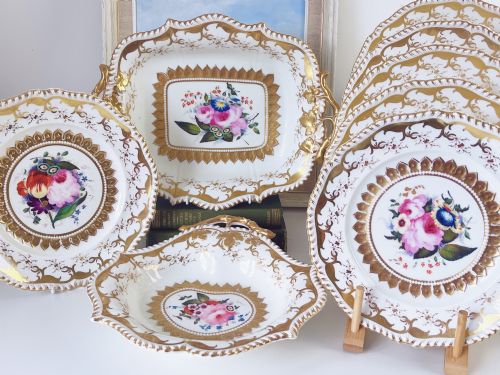
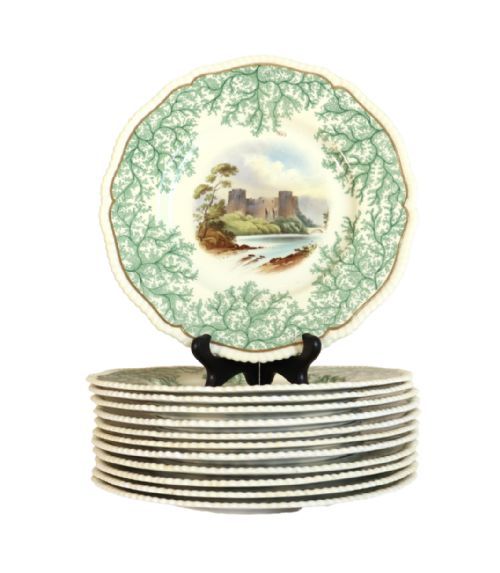
When you search for a hand painted ceramic set, you meet grouped tableware and display pieces carrying brushwork from the eighteenth, nineteenth, and early twentieth centuries.
Hand Painted Ceramic Set
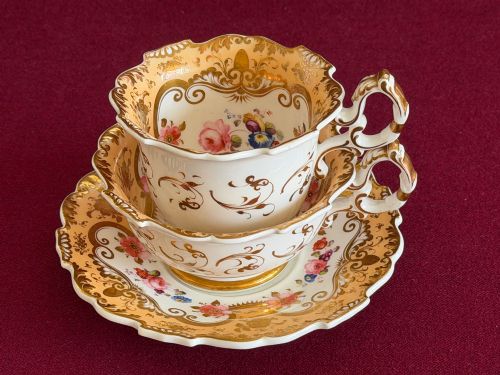
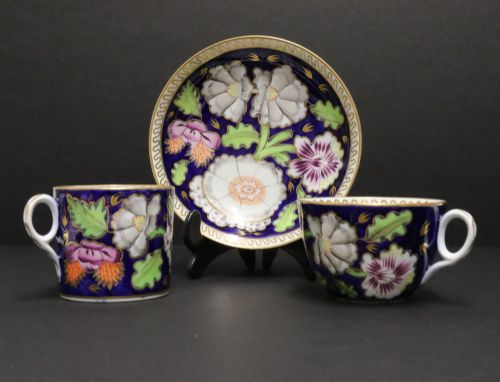
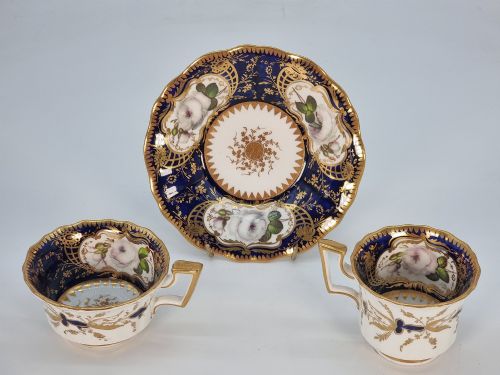
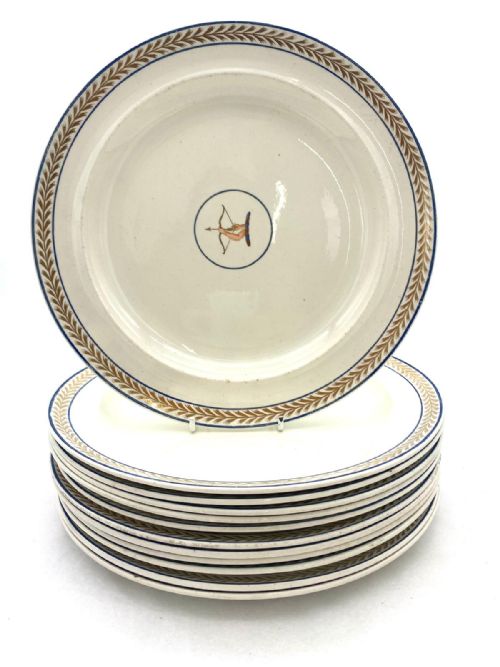
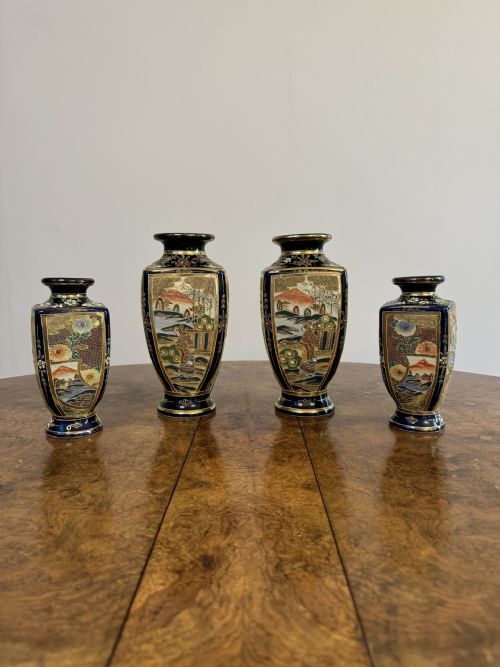
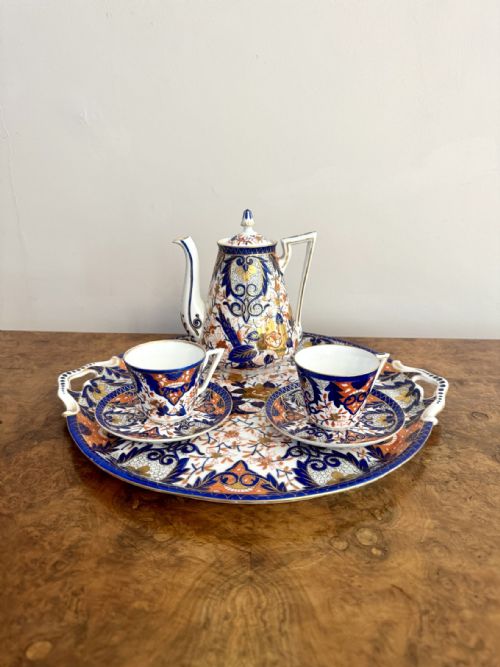
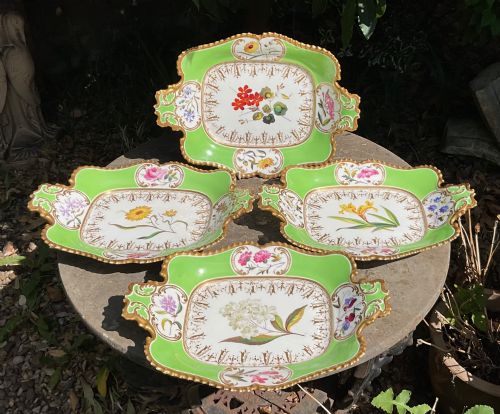
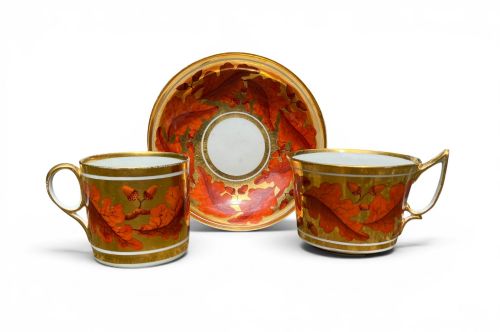
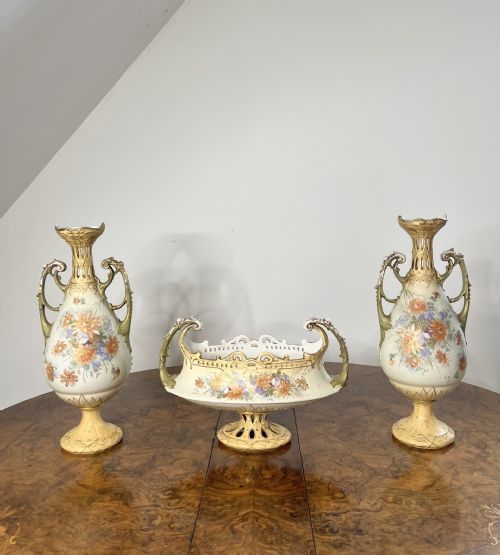
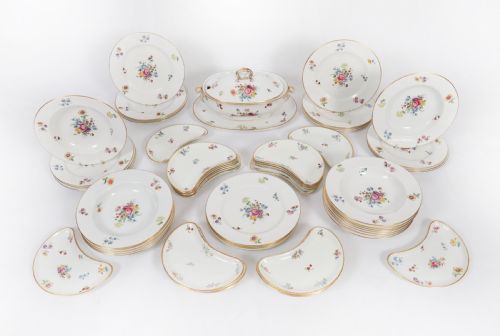
A hand painted ceramic set brings together multiple matching vessels, plates, or decorative objects designed to be used or displayed as a single unit. These groupings range from intimate tea trios and breakfast services to large dinner services and garnitures of vases.
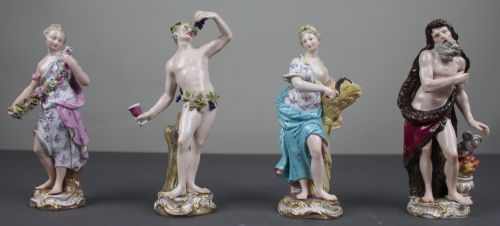
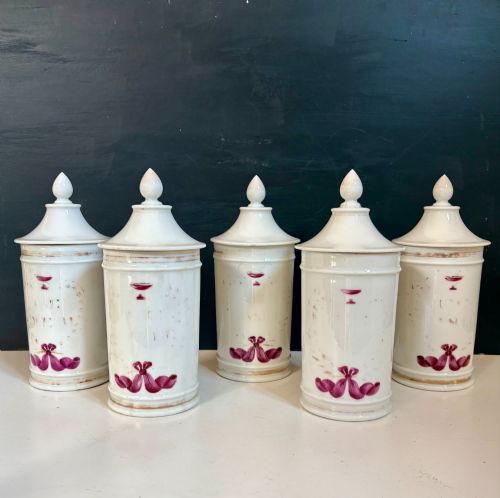
You frequently encounter nineteenth century English porcelain services alongside Japanese Imari plates and Continental cabinet pieces. The forms span functional table wares, apothecary jars, wash sets, and mantel centrepieces.
Pieces from this phrase connect domestic rituals and formal dining traditions across Georgian, Regency, Victorian, and Edwardian periods. Each set preserves individual brushwork applied by ceramic painters before industrial transfer printing took over mass production.
Materials and construction
Potters shaped these objects from porcelain, earthenware, creamware, ironstone, and soft paste ceramic bodies. Artisans then applied mineral pigments by hand beneath or over the glaze before firing the pieces in kilns.
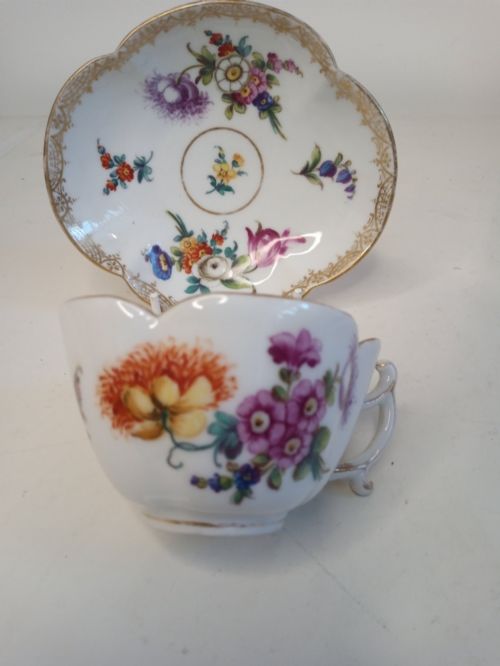
Many examples incorporate gold leaf, gilding, and enamel highlights to accent the hand painted floral, landscape, or heraldic motifs. Distinctive regional glaze traditions, such as Dutch blue and white faience and Japanese Imari palettes, define the visual surface.
Listings feature porcelain, earthenware, and ironstone decorated with enamel and gold leaf across the eighteenth, nineteenth, and early twentieth centuries.
Distinctions in execution
Quality rests upon the crispness of the ceramic moulding and the fineness of the hand painting. Superior sets display controlled brushwork, balanced composition, and precise enamel application without smudging or firing flaws.
The prestige of the producing factory and the completeness of the surviving service shape value. Fully matched sets retaining their original matching cups, saucers, plates, or lids command greater attention than assembled groupings.
Grainger Lee And Co·Spode·H And R Daniel·Newhall·Coalport·Meissen·Wedgwood·Chamberlains Worcester·Royal Vienna·Copeland·Walker And Hall·Doulton Burslem·Royal Doulton·Sevres·John Ridgway·Royal Worcester·Müller Volkstedt·Hicks Meigh And Johnson
The Hand Painted Ceramic Set Glossary
- Trio
- A matched set comprising a teacup, saucer, and matching side plate. These groupings were standard for nineteenth century tea drinking.
- Garniture
- A set of three or more matching vases or decorative vessels designed to sit together on a mantelpiece or sideboard. They typically feature graduated or matching shapes.
- Creamware
- A refined light-coloured earthenware developed in the eighteenth century with a yellowish glaze. Wedgwood and other potteries utilised this body extensively for dinner services.
- Faience
- European tin glazed earthenware decorated with opaque colours over a white glaze. Dutch Delft pieces provide familiar examples of this technique.
- Imari
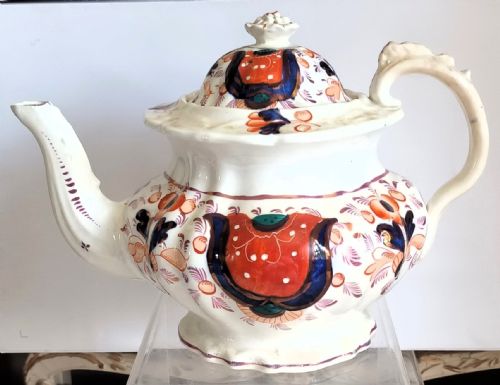
- A style of Japanese export porcelain decorated in underglaze blue and contrasting iron red, green, and gold. English potteries frequently copied these bold patterns.
Hand Painted Ceramic Set: Frequently Asked Questions
Were these sets meant for daily use?
Many dinner services and tea sets saw regular service in formal nineteenth century households. Fine cabinet trios and decorative garnitures remained primarily visual items displayed on sideboards or in glass cabinets.
Wear patterns on the wells of plates and inside teacups often reveal which pieces in a service experienced the heaviest use. Heirlooms were frequently reserved for guests and special occasions.
How can I date an unmarked painted set?
Examine the shape of the ceramic body, the handle style, and the colour palette to narrow down the manufacturing period. Regency pieces often feature distinct foot rims and delicate handles compared to later Victorian iterations.
Compare the floral motifs and border designs with documented factory patterns from archives. Glaze characteristics and weight also provide clues to whether a piece originates from the eighteenth or nineteenth century.
What is the difference between porcelain and earthenware?
Porcelain is fired at higher temperatures until the clay vitrifies into a dense, non porous material that often appears translucent when held to the light. Earthenware is fired at lower temperatures, resulting in an opaque, more porous ceramic body.
Creamware and ironstone represent refined earthenware types developed to provide durable alternatives to porcelain. Both types readily accepted hand painted enamel decoration.