
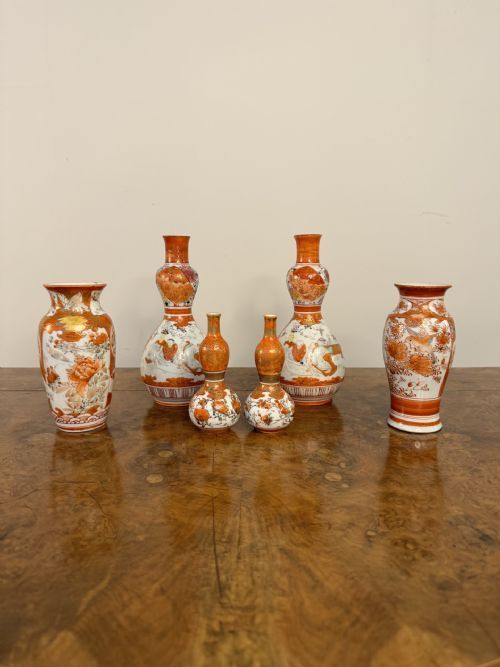


Hand Painted Ceramic Bottles
These hand painted ceramic bottles bring together centuries of global pottery traditions, offering intimate vessels decorated with figures, florals, and narratives.
Hand Painted Ceramic Bottles
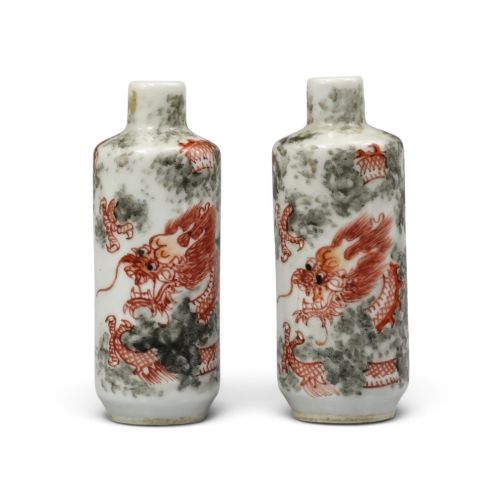
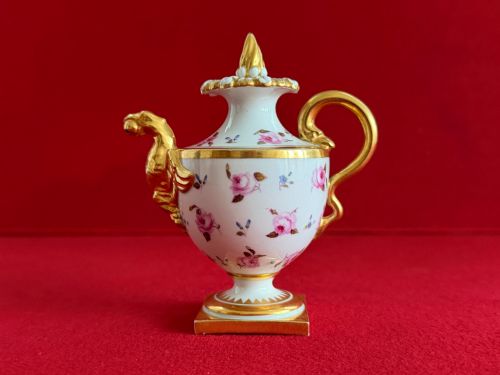
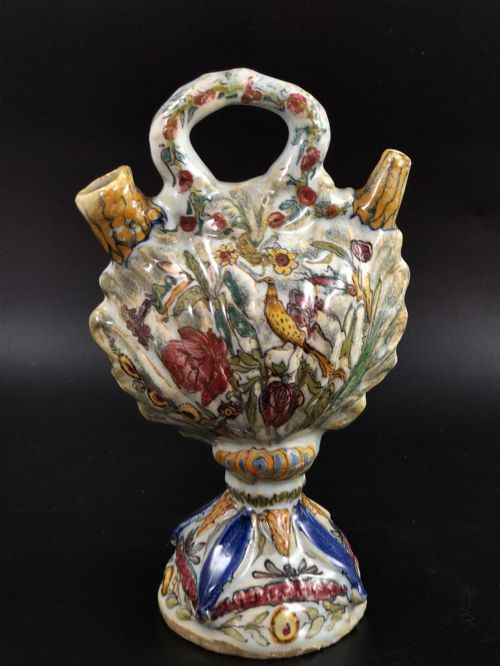
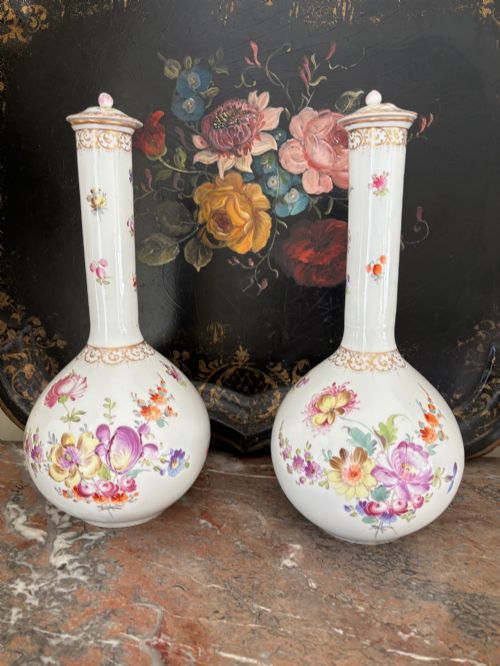
When searching for hand painted ceramic bottles, a buyer encounters a diverse group of vessels spanning multiple centuries, from 17th-century European delftware to Qing Dynasty porcelain. The forms vary widely, including small snuff bottles, scent flasks, pilgrim flasks, and larger bottle-shaped vases.
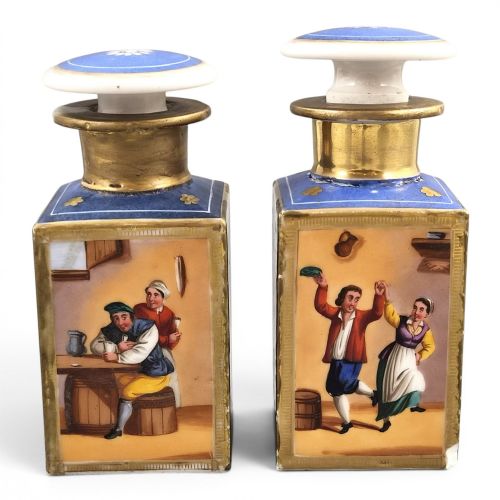
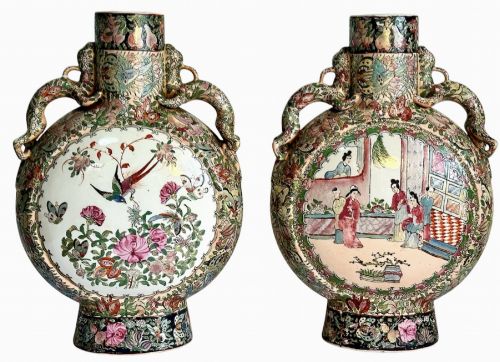
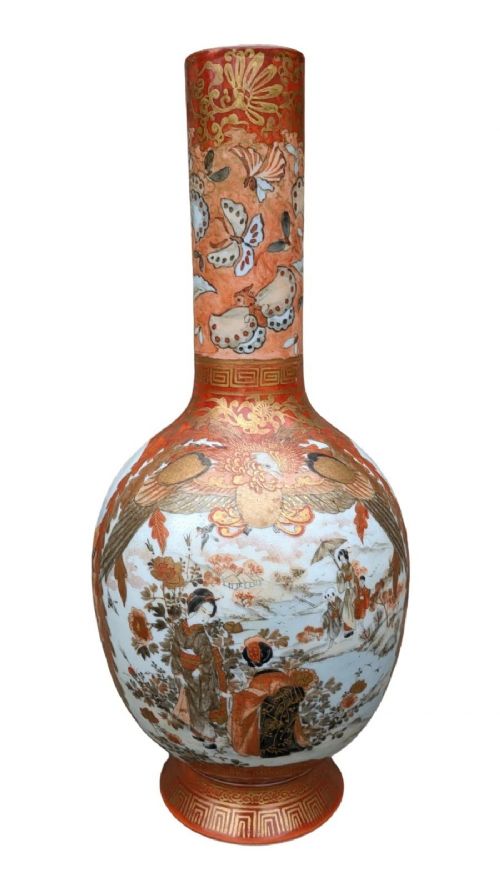
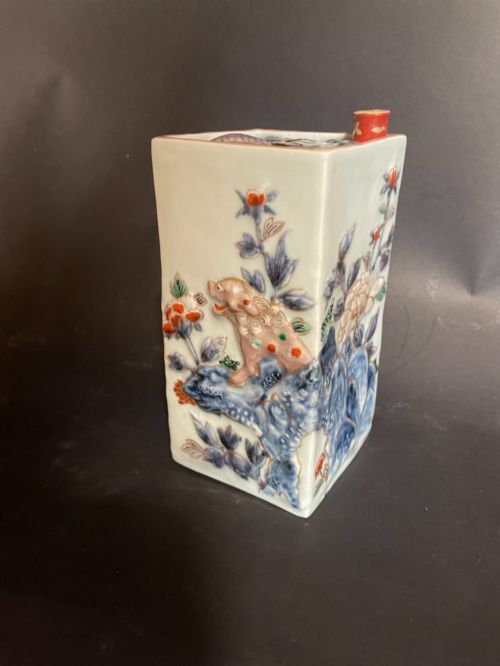
Chinese porcelain examples, particularly those decorated in famille rose or underglaze blue, frequently appear alongside Japanese Imari, Kutani, and Satsuma wares. European contributions include English Worcester sprinklers, French perfume bottles, and Dutch delft faience.
Most pieces date from the 18th and 19th centuries, reflecting periods of intense global trade and refined ceramic production. Buyers find everything from miniature scholarly snuff bottles to grand garniture vases intended for display.
Materials and methods behind the vessels
Potters shaped these vessels from ceramic, earthenware, and fine porcelain bodies, often applying tin glaze, enamel, or traditional blue and white pigments before firing. Artisans utilised gold leaf for highlights and iron-red pigments for intricate line work.
The hand painting demands exceptional brush control, visible in the detailed figural scenes, botanical motifs, and calligraphic scripts executed across small surfaces like snuff bottles and scent flasks.
One tiny snuff bottle depicts an erotic spring palace scene hidden away for private Qing Dynasty amusement.
Distinguishing quality in hand painted ceramics
Quality rests upon the precision and fluidity of the brushwork, where master painters achieved remarkable detail on miniature surfaces such as porcelain snuff bottles and scent flasks. The clarity of the glaze and the vibrancy of the enamel colours separate ordinary production from superior examples.
The sophistication of the form and the balance of the decoration dictate the standing of a piece. Well-preserved gilding, crisp underglaze cobalt, and carefully potted shapes indicate the work of esteemed potteries and skilled individual decorators.
Flight Barr And Barr·Jacob Petit·Minton·Sitzendorf
The Hand Painted Ceramic Bottles Glossary
- Famille Rose
- A palette of opaque rose-pink enamel introduced in Chinese ceramics during the Qing Dynasty. It allowed for subtle shading and complex floral or figural depictions.
- Imari
- A style of Japanese porcelain featuring a distinctive tripartite colour scheme of underglaze blue, iron-red, and gilt details. These wares were heavily exported to Europe from the port of Imari.
- Tin-Glazed Earthenware
- Pottery covered with a white tin oxide glaze that provides an opaque background for painted decoration. This technique defines European delftware and majolica.
- Snuff Bottle
- A small container designed to hold powdered tobacco, developed extensively in China. They showcase extraordinary miniature painting and carving skills.
- Pilgrim Flask
- A flattened flask with handles, originally used by travellers for carrying liquids on journeys. Ceramic versions later became decorative display pieces.
Hand Painted Ceramic Bottles: Frequently Asked Questions
How do I date a Chinese porcelain bottle?
Dating relies on stylistic markers, baseline reign marks, and the characteristics of the glaze and pigments used. Famille rose and specific iron-red iron tones often point to the 19th century.
Changes in porcelain body weight and blue underglaze hues help separate Qing Dynasty pieces from earlier 18th-century examples.
Where were Japanese Imari bottles made?
They were produced in the Hizen province around Arita and exported through the port of Imari. Artisans fired these pieces with robust mineral colours suited for international trade.
The distinct combination of blue, red, and gold became immensely popular across European interiors during the 18th and 19th centuries.
How should I clean antique ceramic bottles?
Dust gently with a soft dry brush and avoid harsh chemical cleaners that might damage delicate enamels or gold leaf. Immersion in water is risky for pieces with old repairs or porous earthenware bodies.
Display them away from direct sunlight to preserve the vibrancy of hand painted pigments over time.