
Hand Painted Botanical Porcelain
Hand painted botanical porcelain brings together natural history illustration and ceramic artistry across eighteenth, nineteenth, and early twentieth-century tableware and display pieces.
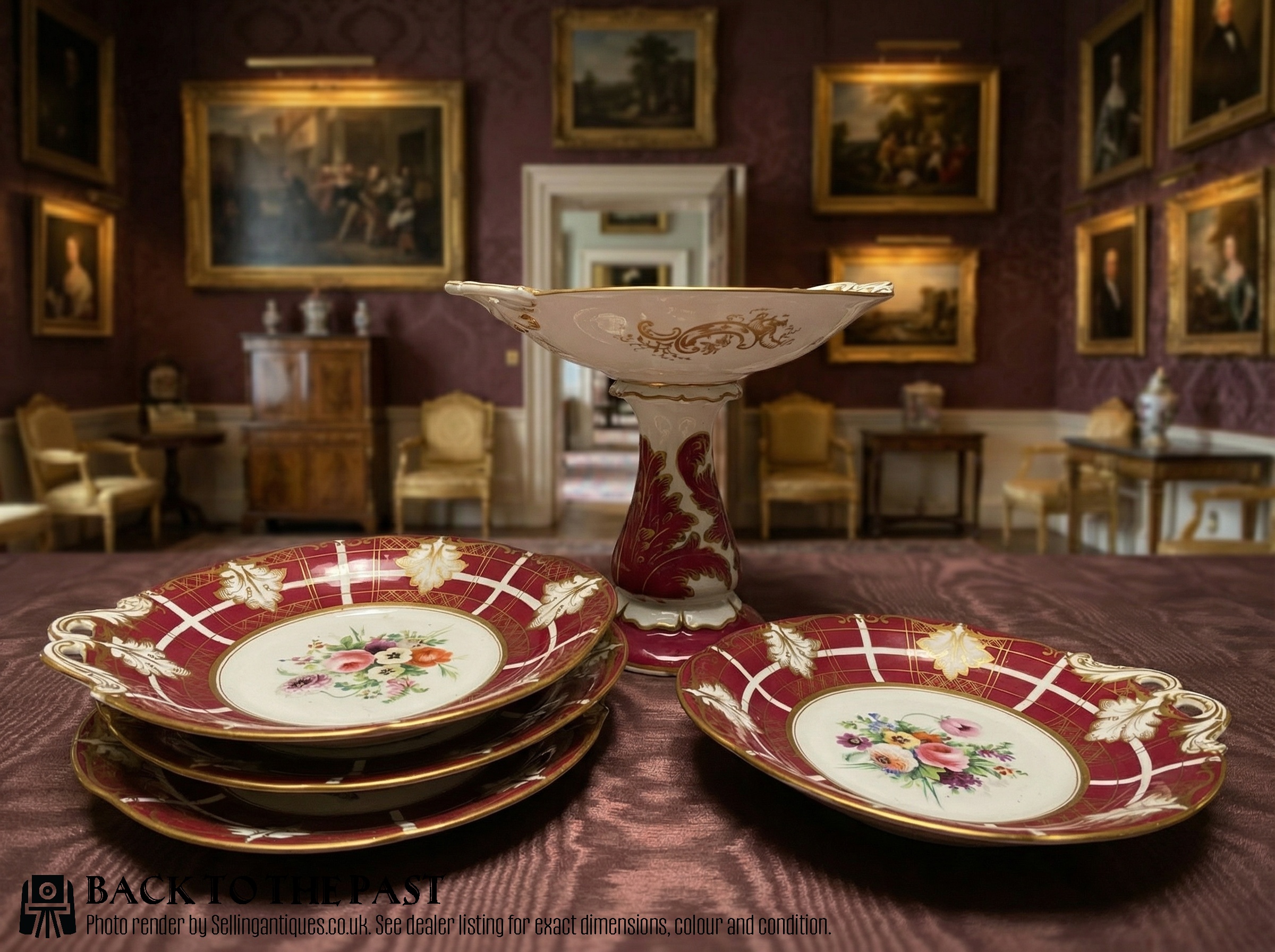
Hand Painted Botanical Porcelain
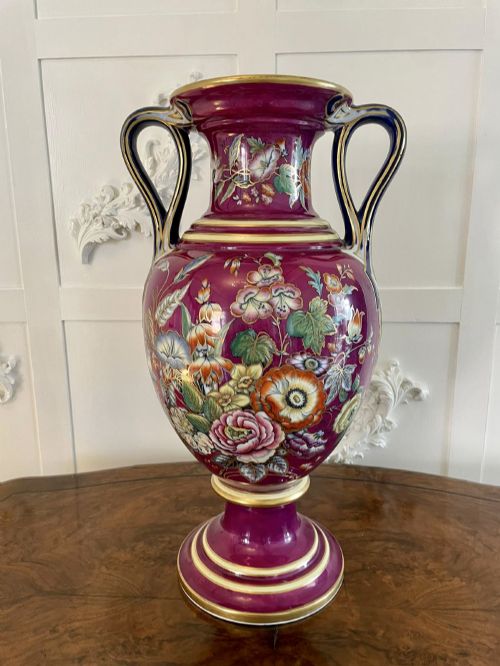
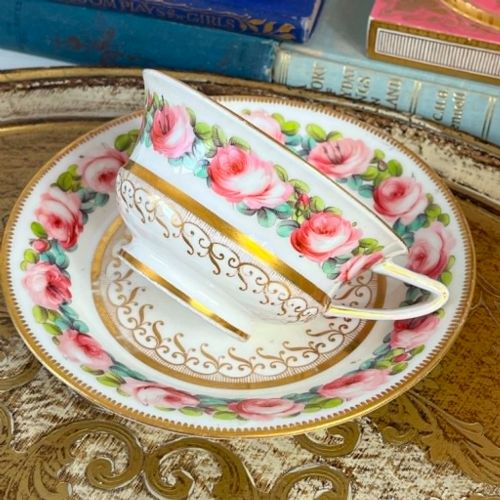
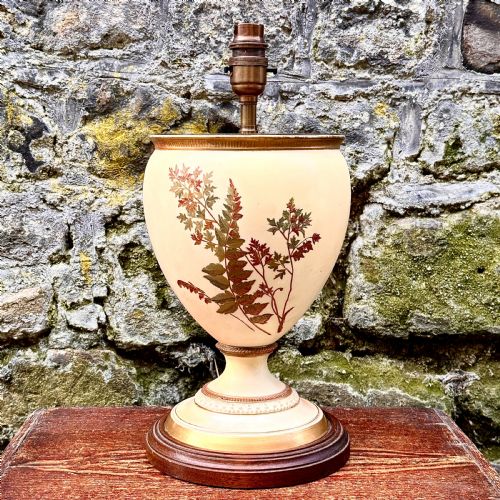
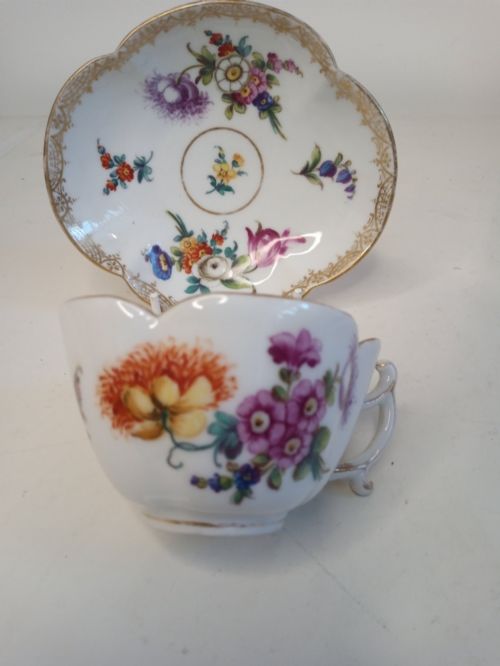
Hand painted botanical porcelain comprises cabinet plates, serving dishes, tea wares, vases, and occasional table lamps created in British and continental European manufactories. Buyers encounter domestic porcelain from historic kilns alongside continental production, spanning the Georgian, Regency, Victorian, and Edwardian eras.
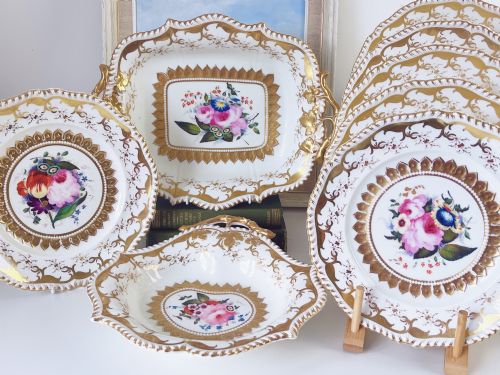
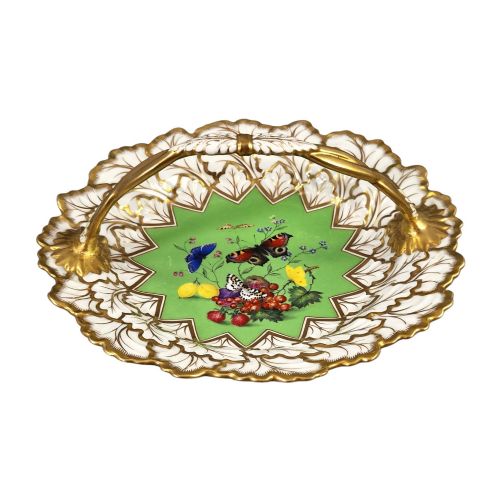
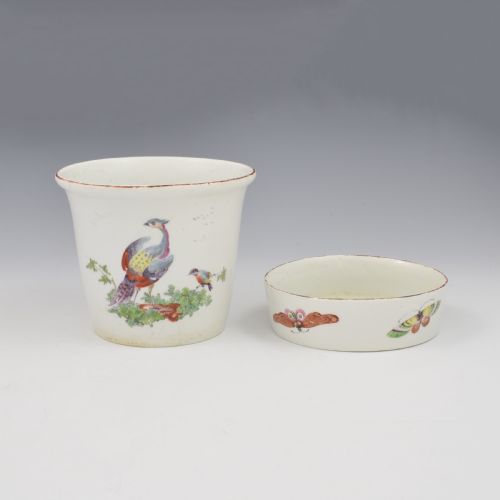
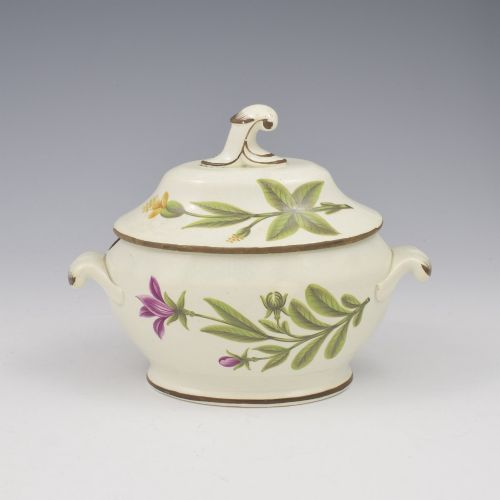
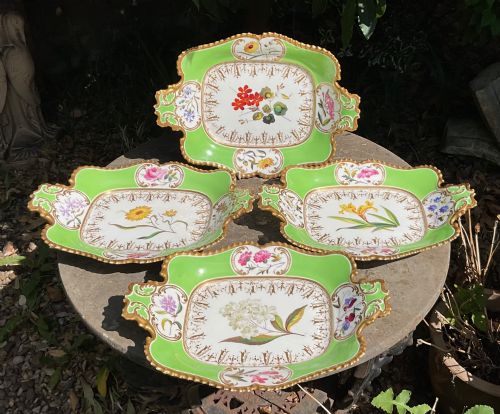
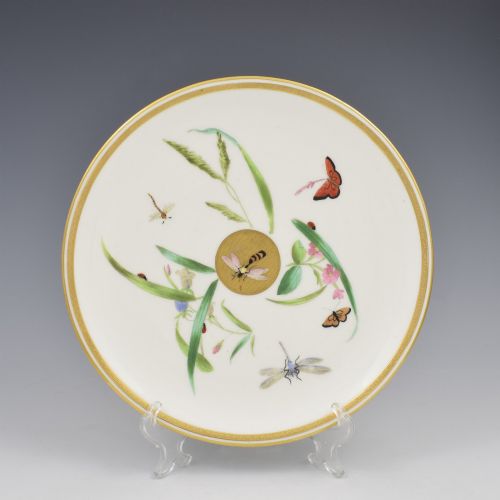
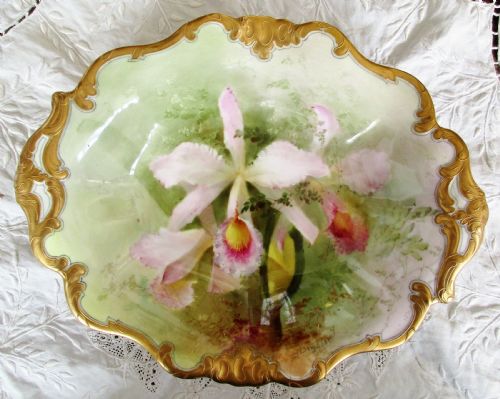
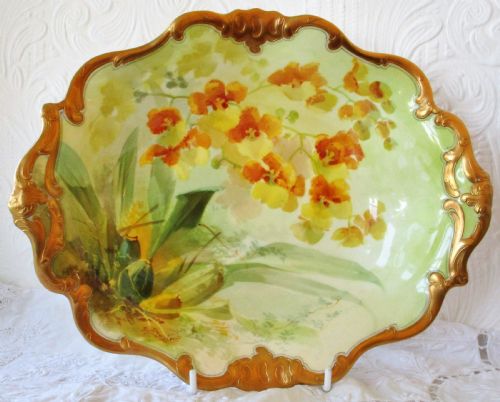
The objects take practical dining and display forms that lent themselves to botanical and ornithological illustration. Dessert services, individual plates, sauce tureens, and baskets provide the primary surfaces for detailed floral and faunal painting.
English centres such as Worcester, Derby, Coalport, and Spode appear frequently, alongside continental workshops including Meissen and Sèvres. These pieces reflect shifting stylistic movements from Rococo curves to Aesthetic design and Victorian ornamentation.
Materials and Technique
Makers utilised bone china, hard-paste porcelain, pearlware, and felspar porcelain as the ceramic body for these painted designs. Enamel pigments provided the palette for botanical subjects, applied directly onto the glazed ceramic surface.
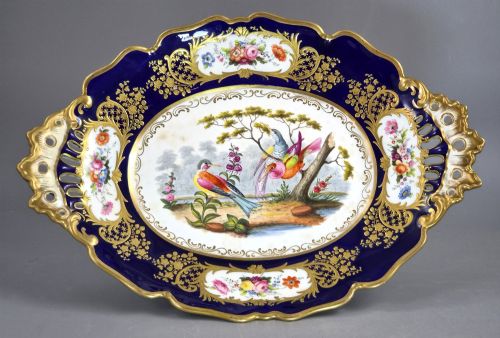
Gold leaf, gilding, and gilt accents framed the painted panels and highlighted moulded rims, handles, and borders. Potters shaped these forms through throwing, moulding, and casting before firing and hand painting.
Hand Painted Botanical Porcelain Retail Price Guide 2026
Typical asking prices for hand painted botanical porcelain among the pieces listed under this phrase on Sellingantiques today, from the lower quarter to the upper quarter. They describe what is for sale here now, not the wider market.
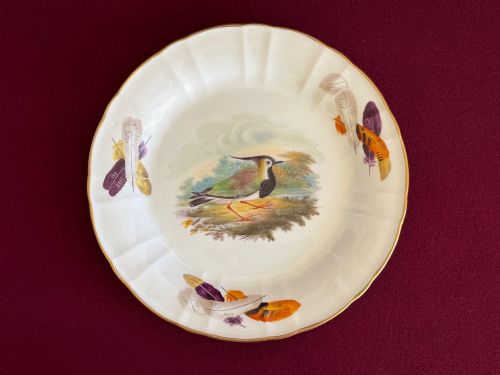
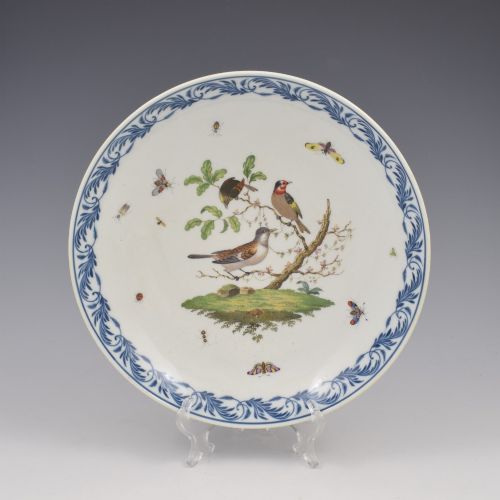
Early potters painted delicate lapwings, cabbages, and sweet williams onto porcelain, preserving kitchen gardens and garden birds in permanent enamel.
Artistic Execution and Material
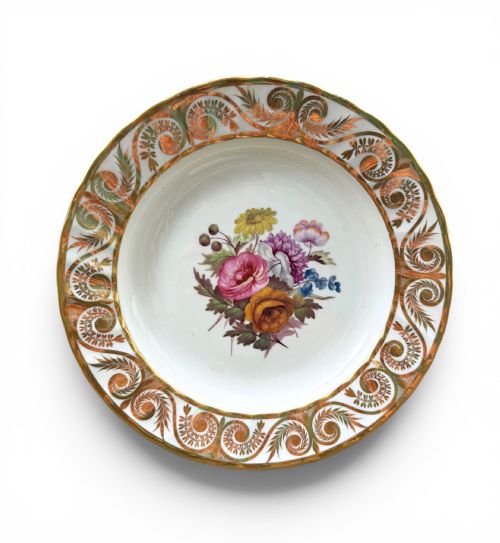
The standard of hand painting determines the quality of a piece, distinguishing naturalistic botanical studies from generic floral decoration. Works associated with known artists or leading manufactories demonstrate finer brushwork and more careful observation of flora and fauna.
The refinement of the porcelain body and the application of gilding separate utilitarian tableware from cabinet pieces intended for display. Intricate moulding, cobalt grounds, and well-preserved enamel colours elevate the status of an object.
Grainger Lee & Co·Wedgwood·Coalport·Davenport·Flight Barr and Barr·Meissen·Derby·Royal Worcester·Minton·Royal Doulton·Doe & Rogers·Bloor Derby·H & R Daniel·Furstenberg·Spode·Copeland·Sevres
The Hand Painted Botanical Porcelain Glossary
- Bone china
- A type of soft-paste porcelain incorporating bone ash, developed in England to create a durable, whiter ceramic body.
- Cabinet plate
- A decorative plate intended for display in a cabinet rather than for dining use.
- Hard-paste porcelain
- A vitrified ceramic composed of kaolin and petuntse, fired at high temperatures to produce a dense, translucent body.
- Pearlware
- An earthenware developed in the late eighteenth century with a bluish glaze that pooled in recesses to mimic Chinese porcelain.
- Gilding
- The application of gold leaf or gold paint to ceramic surfaces, particularly along borders and handles.
Hand Painted Botanical Porcelain: Frequently Asked Questions
What periods do these pieces cover?
The listings span from the eighteenth century through the Regency and Victorian eras into the early twentieth century. This covers periods of significant stylistic development in European ceramic manufacturing.
Production methods and decorative preferences shifted across these eras, moving from hand-painted botanical studies on soft-paste bodies to later industrial and artistic interpretations.
How were these porcelain items used originally?
Many items served practical functions at elite dining tables, functioning as dessert services, serving dishes, tea wares, and sauce tureens. Botanical plates and bowls formed part of larger suites used during formal dining courses.
Other objects, particularly cabinet plates and decorative vases, were created strictly for display in drawing rooms and cabinets of curiosity to showcase wealth and taste.
How do I identify different manufactories?
Makers often marked their wares with painted, impressed, or printed symbols underneath the glaze, which identify the pottery or porcelain works. Stylistic clues such as specific border patterns, paste composition, and gilding styles also help distinguish between factories like Worcester, Derby, and Coalport.
Individual artists sometimes signed their botanical work on the front or reverse of the piece, recording specific hands within larger workshops.
How should I care for hand painted porcelain?
These historical ceramics require gentle handling and hand washing in lukewarm water with mild detergent to preserve the enamel paints and delicate gilding. Dishwashers and harsh abrasives will damage the historic glaze and wear away the hand-painted details.
Displaying pieces away from direct sunlight protects the pigments from fading over time, ensuring the botanical colours remain distinct.