



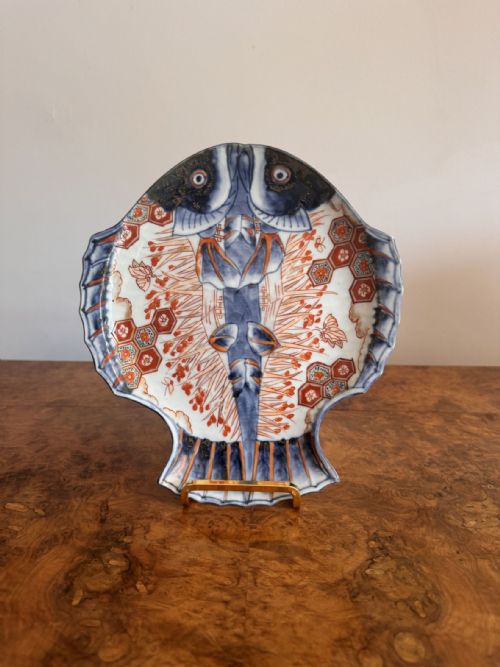
Hand Painted Blue Ceramics
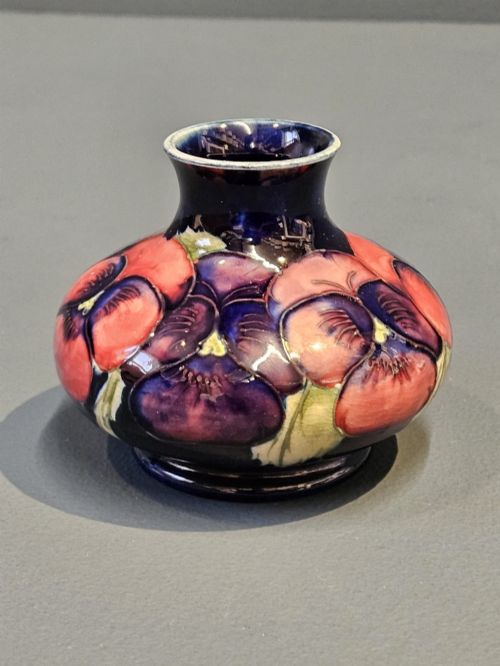
Hand painted blue ceramics combine cobalt underglaze pigments with earthenware, porcelain, and tin glazes to form centuries of decorative tableware and display pieces.
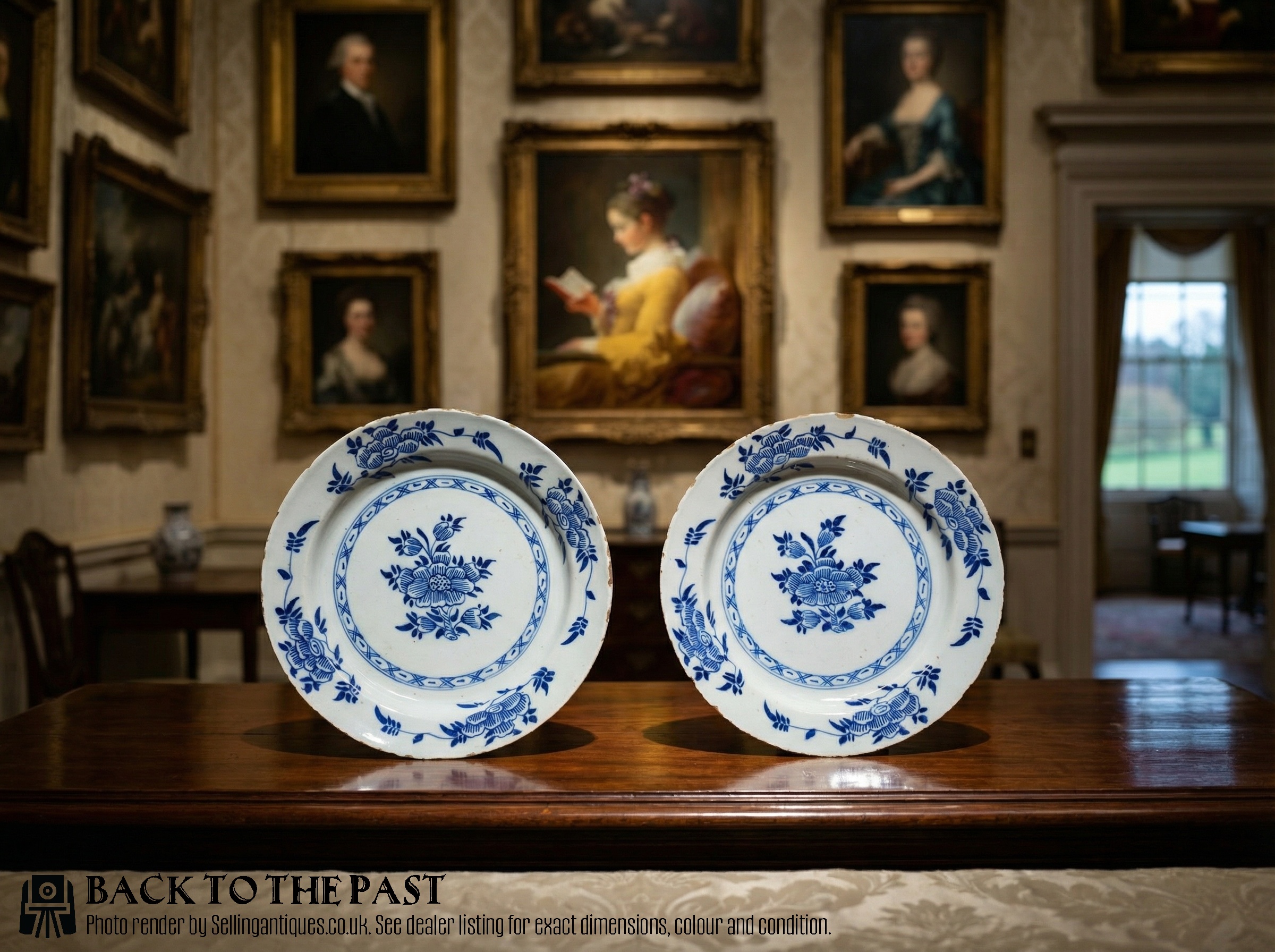
Hand Painted Blue Ceramics
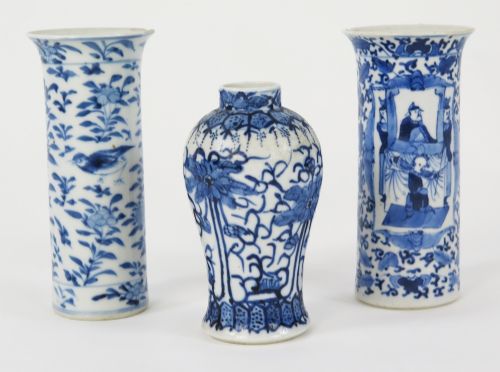
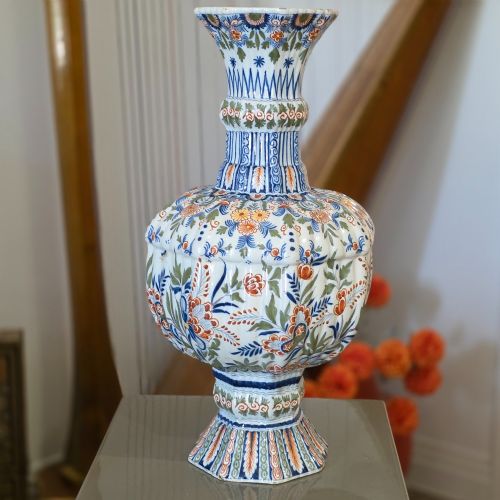
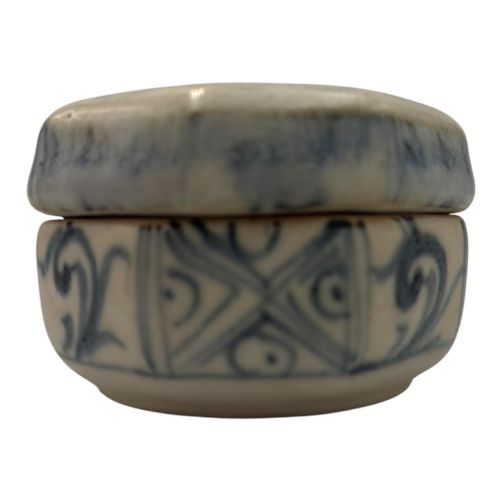
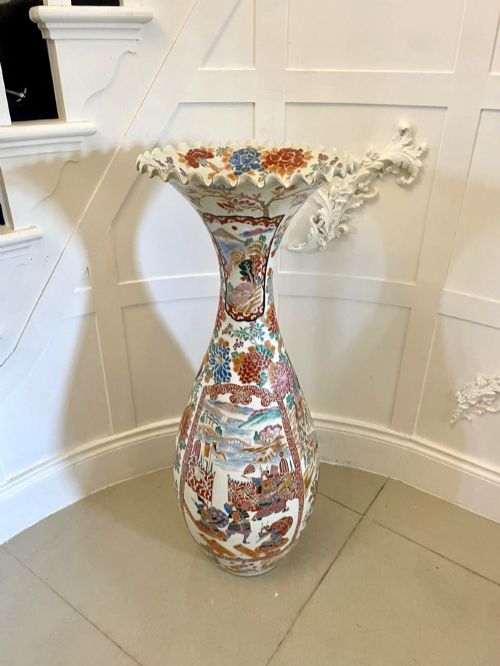
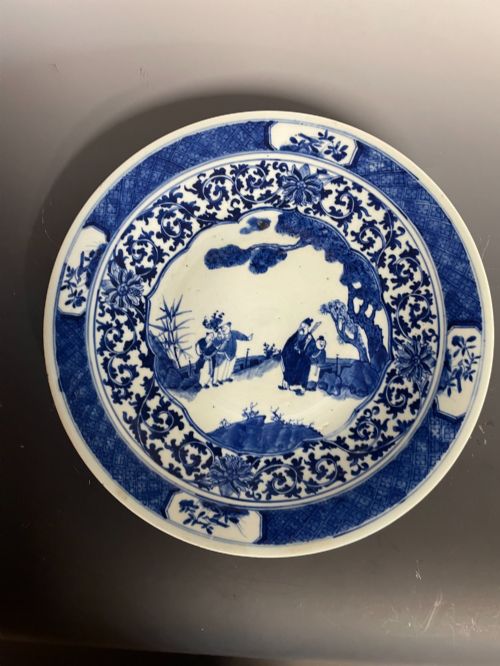
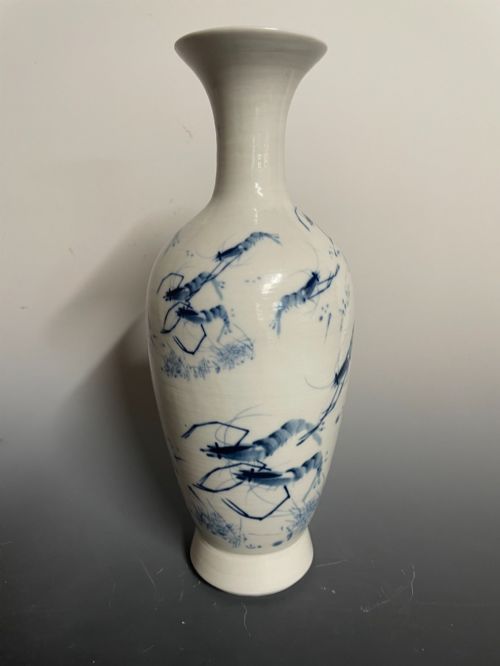
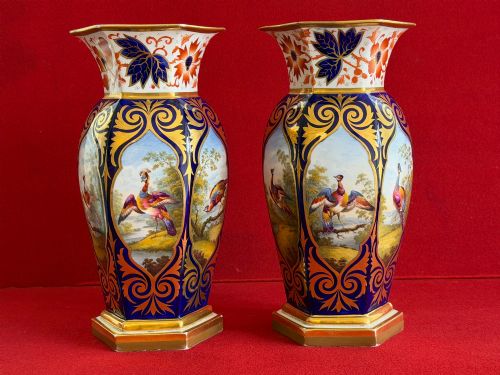
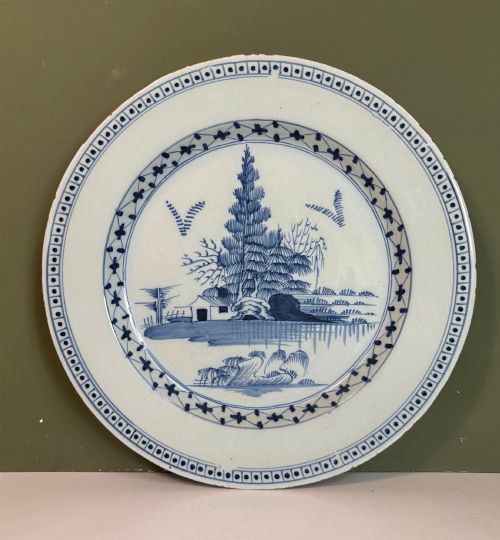
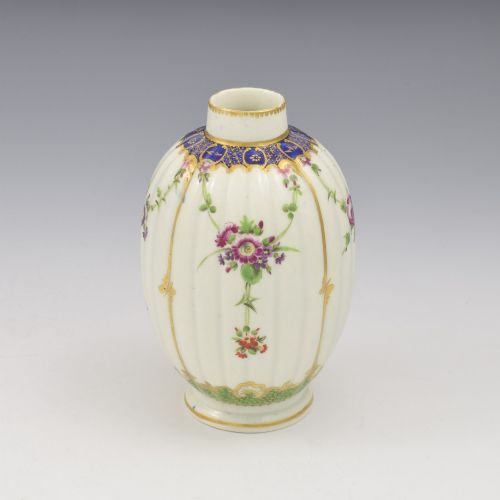
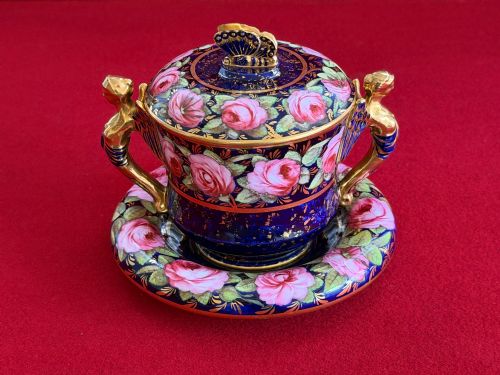
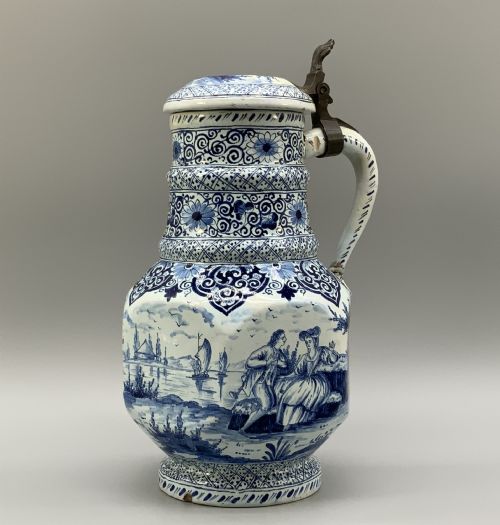
Hand painted blue ceramics encompass domestic vessels, chargers, and display pieces created across European, Asian, and Middle Eastern workshops during the eighteenth and nineteenth centuries. Buyers searching for hand painted blue ceramics encounter objects ranging from Dutch tin-glazed chargers and Chinese export porcelain to English Regency porcelain cabinet trios and Japanese Imari tableware.
The domestic forms appearing on this page include teapots, jugs, coffee cups, and serving dishes alongside large floor-standing vases and decorative plates. European factories emulate Asian designs or adopt distinct regional styles such as Delft, Gaudy Welsh, and Sèvres-style bleu céleste.
Far Eastern pieces span Japanese Meiji period Imari dishes and Chinese Qianlong vessels, demonstrating centuries of brushwork traditions. English makers like Worcester, Spode, and Coalport contribute refined porcelain bodies painted in cobalt pigments.
How they were made
Potters shape porcelain, earthenware, or soft-paste ceramic bodies before applying cobalt underglaze pigments by hand using fine brushes. Tin glazes provide an opaque white surface for traditional delftware painting, while soft-paste and hard-paste porcelain receive transparent lead glazes over intricate brushwork.
Firing takes place in high-temperature kilns that fix the cobalt blue beneath the glaze layer, often accompanied by secondary overglaze applications of gold leaf, gilding, and polychrome enamels. Specialised potteries in Florence, Desvres, and Worcester employ distinct clay preparation methods and pigment mixtures to achieve their characteristic blue tones.
The object forms span vases, decorative plates, chargers, bowls, cabinet plates, cups and saucers, decorative dishes, teapots, jugs, jars, and jardinières.
What varies in quality
Quality rests in the precision and fluidity of the hand-painted brushwork, where confident, detailed strokes separate superior artistic execution from hurried commercial output. The purity of the ceramic body and the stability of the glaze dictate the overall physical refinement of the piece.
The depth and consistency of the cobalt blue pigment under the glaze determine visual richness, while subsidiary applications of gold leaf or gilding show varying levels of crispness. Early eighteenth-century examples display different potting weights and glaze thickness compared to later nineteenth-century production.
Flight, Barr and Barr·Spode·Newhall·Coalport John Rose·Royal Sèvres·Cantagalli·Moorcroft·Royal Bonn·Fourmaintraux Courquin·Wedgwood
The Hand Painted Blue Ceramics Glossary
- Cobalt Underglaze
- A blue metallic oxide pigment applied to the ceramic body before glazing and firing at high temperatures. This technique ensures the colour sinks permanently into the ceramic surface.
- Tin Glaze
- An opaque white glaze containing tin oxide, applied to earthenware bodies to create a smooth surface for painting. It forms the foundation of traditional delftware and maiolica.
- Soft-Paste Porcelain
- A vitreous ceramic composition made from glass paste and white clay rather than hard-paste ingredients. Eighteenth-century European factories utilised this formula for delicate tea wares.
- Imari
- A Japanese ceramic style featuring deep cobalt blue, iron red, and gold, named after the port of shipment. European kilns frequently copied these distinct decorative arrangements.
- Cabinet Plate
- A decorative ceramic plate intended for display in a cabinet or on a wall rather than dining use. These pieces typically feature elaborate hand-painted scenes and gilded borders.
- Charger
- A large ornamental plate or dish used historically for serving food or displayed upright on a sideboard. Eighteenth-century examples often span significant diameters and display bold painted motifs.
Hand Painted Blue Ceramics: Frequently Asked Questions
What are hand painted blue ceramics?
Hand painted blue ceramics are decorative and functional vessels, plates, and vases adorned with cobalt blue pigments applied directly by artisans.
These pieces span earthenware, porcelain, and tin-glazed pottery produced across various global traditions over several centuries.
How do I care for antique ceramic plates?
Antique ceramic plates require gentle hand washing in warm water using mild soap to preserve the delicate hand-painted glaze and any applied gold leaf.
Avoid soaking them for extended periods and keep them away from modern dishwashers and harsh abrasive cleaners.
How do I date a blue and white ceramic?
Dating relies on examining the potting style, the composition of the ceramic body, and identifying factory marks or handwritten signatures on the base.
Comparing the brushwork technique and cobalt pigment shade to documented examples from specific centuries provides further chronological clarity.
Where were these ceramic pieces made?
These pieces originate from major ceramic manufacturing centres across Europe, China, and Japan, reflecting diverse cultural aesthetics.
Notable production sites include English porcelain works in Worcester and Shropshire, Dutch delft kilns, French faience potteries, and Japanese export workshops.