


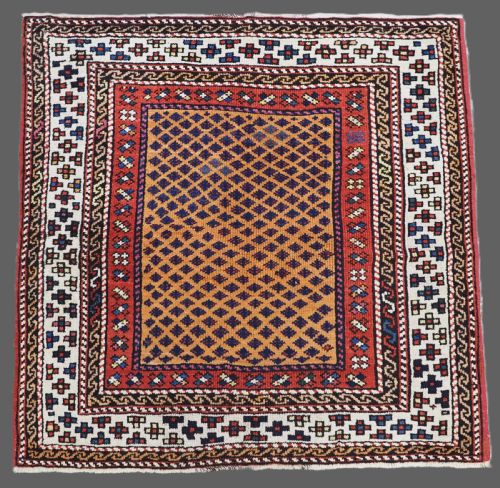
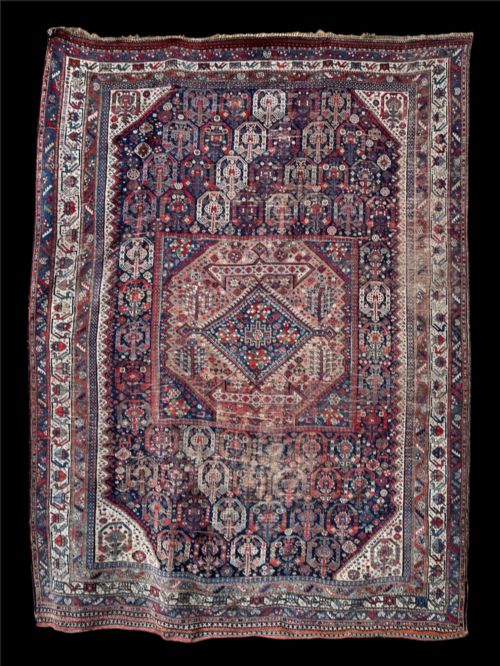
Hand Knotted Tribal Mat
When you search for a hand knotted tribal mat, you are looking at small wool floor coverings woven by nomadic or village weavers across Central Asia, Persia, and the Caucasus.
Hand Knotted Tribal Mat
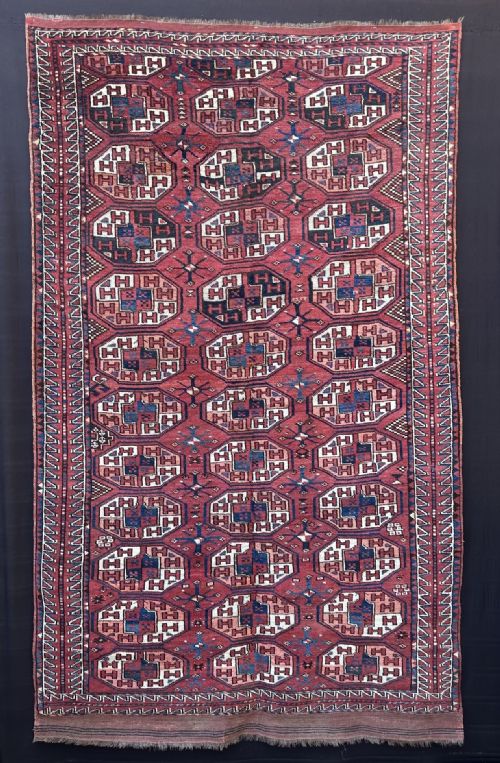
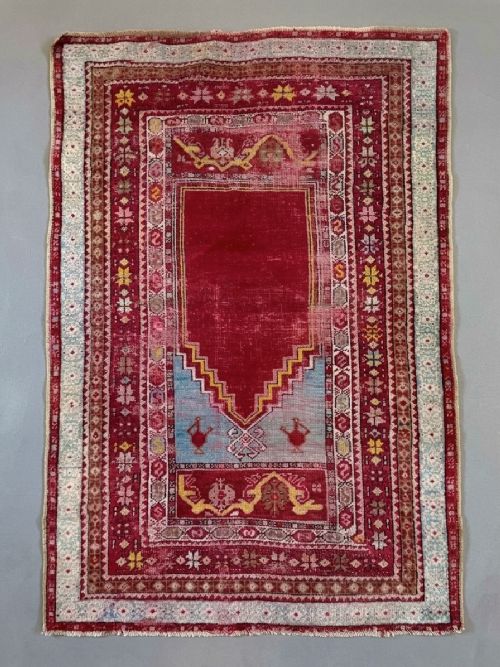
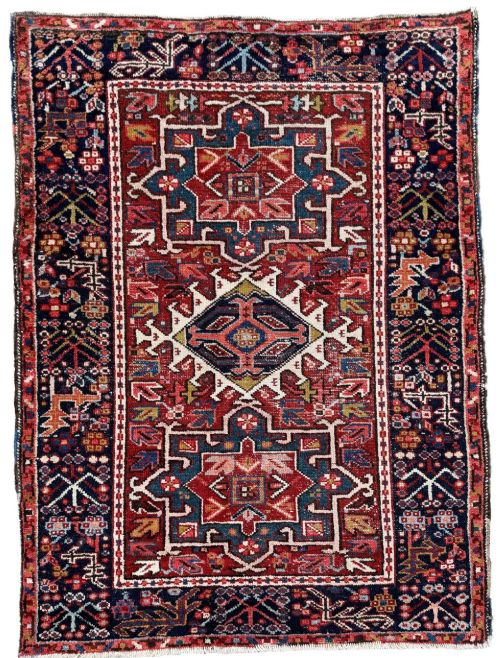
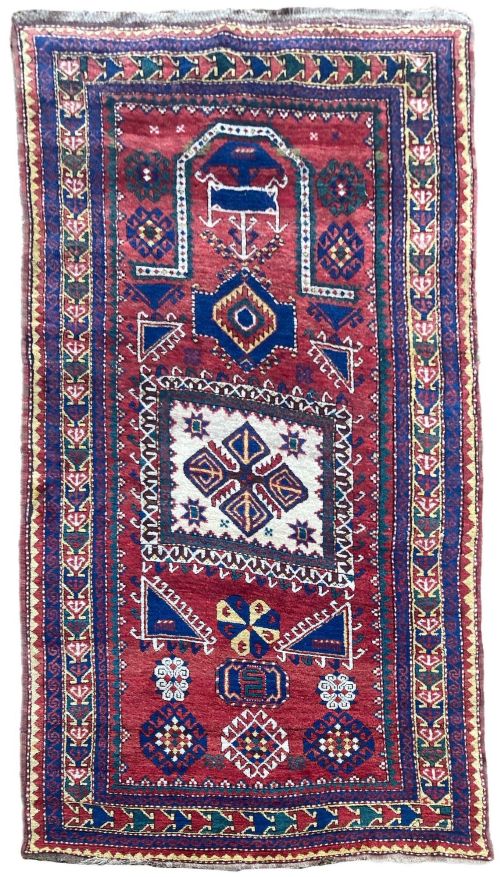
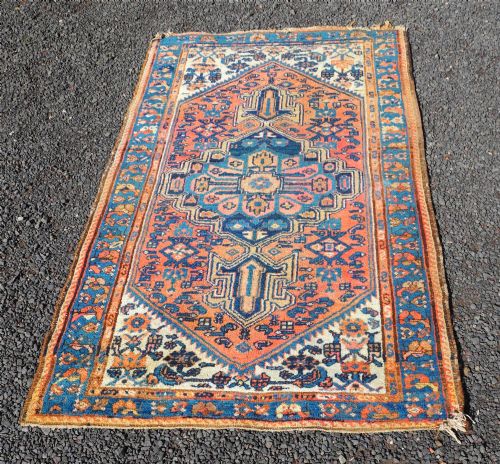
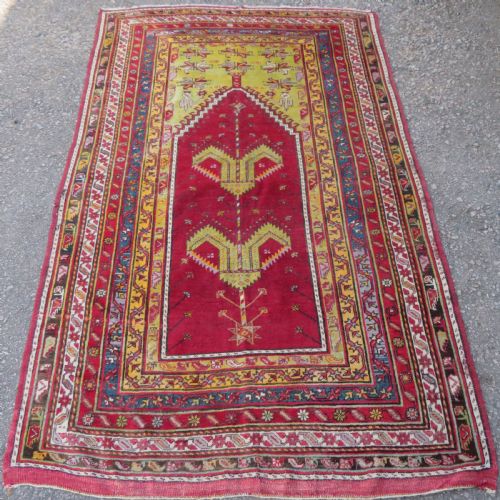
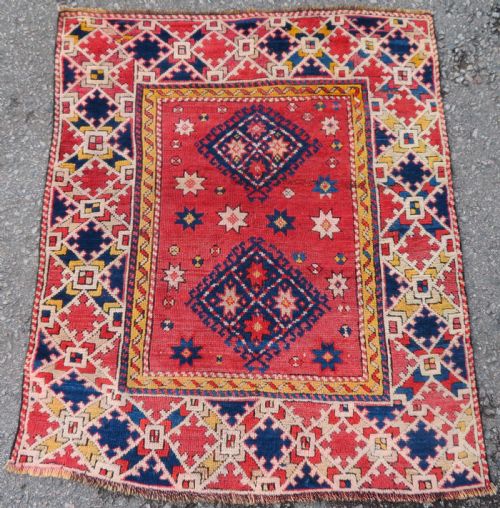
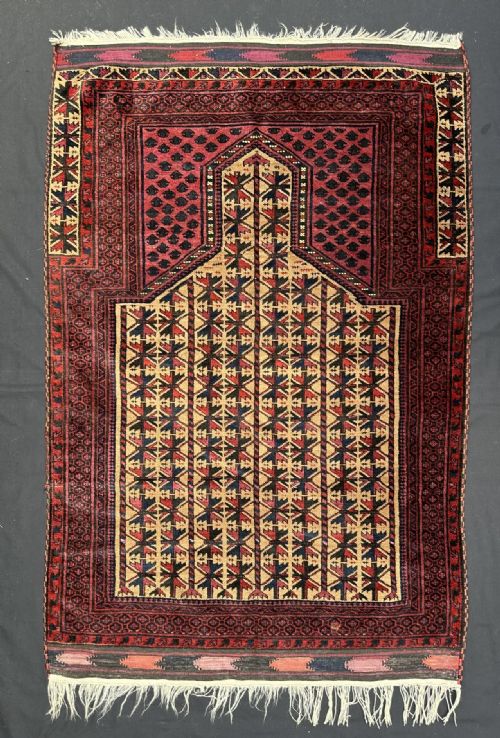
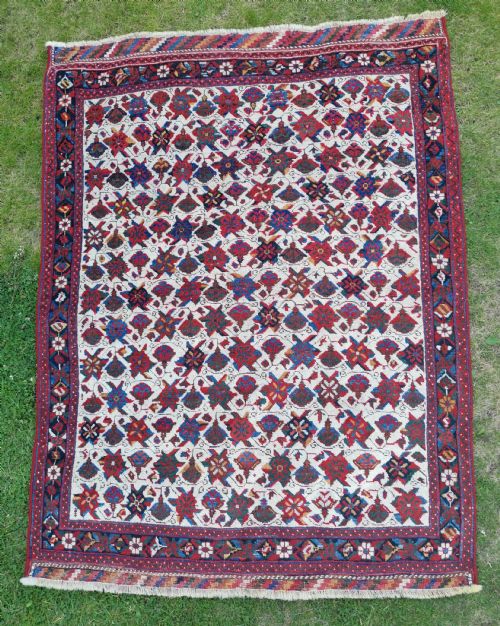
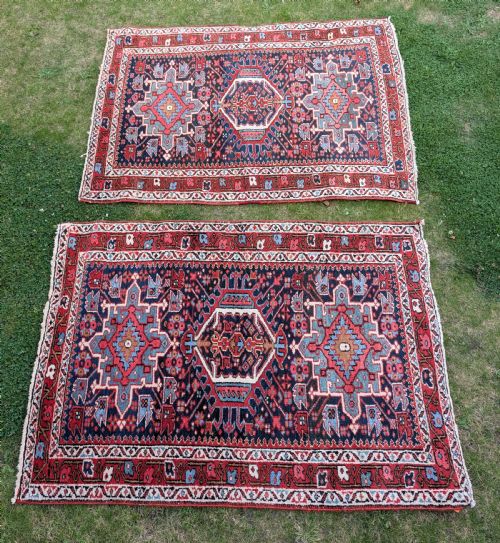
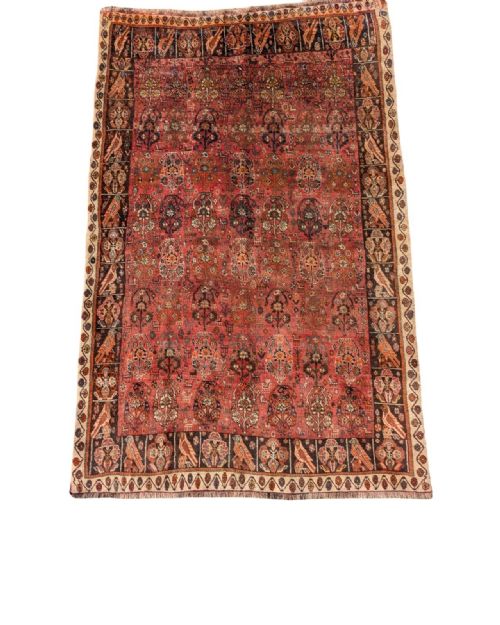
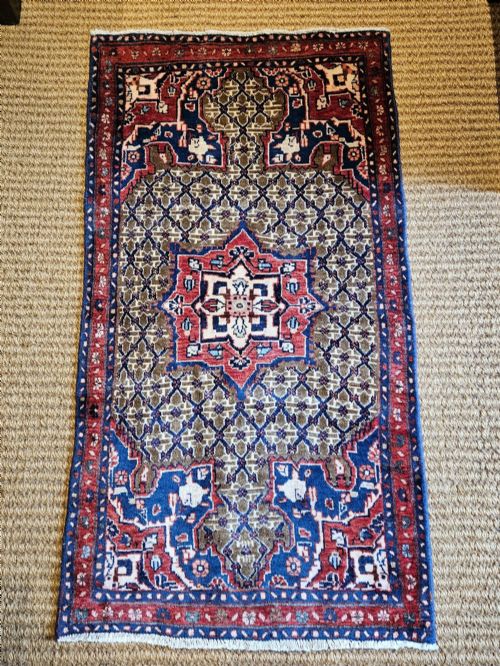
A hand knotted tribal mat encompasses small-scale nomadic and village weaving traditions originating from regions such as Persia, Anatolia, the Caucasus, and Turkmenistan. These pieces span from the early nineteenth century through the early twentieth century, taking forms such as prayer rugs, small squares, bag faces, and saddle covers.
The specimens you meet on this page include tribal designations like Baluch, Qashqai, Yomut, and Karaja, reflecting specific regional motifs and weaving structures. Their dimensions suit compact spaces, hearth sides, or wall placement rather than broad salon floors.
Materials and Construction
Weavers utilised hand-spun wool for the pile and foundation yarns, often supplemented with cotton warps or goat hair selvedges for added structural durability. These natural fibres were dyed using plant-based and mineral colourants that yield rich, variable tones across the surface.
The construction relies on manual knotting onto vertical or horizontal looms, securing the pile row by row with sturdy wool wefts. This dense interlocking method produces a flexible yet resilient textile designed to withstand daily village or tent use.
Hand Knotted Tribal Mat Retail Price Guide 2026
Typical asking prices for hand knotted tribal mat among the pieces listed under this phrase on Sellingantiques today, from the lower quarter to the upper quarter. They describe what is for sale here now, not the wider market.
Some bag faces retain traces of dusty desert winds carried across borders a century ago.
Evaluating Quality
Quality rests in the handling of the wool, the saturation of the dyes, and the precision of the tribal pattern work. Finer knots permit crisper geometric detailing, while superior wool retains a supple handle and distinct lustre.
The artistry of the abrash - the natural tonal shift in colour where dye batches change - separates ordinary production from compelling folk expression. Pieces that maintain structural integrity alongside bold, clear iconography stand apart in this tradition.
The Hand Knotted Tribal Mat Glossary
- Abrash
- A natural variation in colour within a single field of a rug, caused by changes in dye batches or hand-spun wool lots. This unevenness adds visual depth and authenticity to older textile work.
- Mihrab
- A niche design element found primarily in prayer rugs, pointing the weaver toward Mecca. Its arched contour directs the visual focus of the textile.
- Gul
- A medallion or repeating octagonal motif used extensively in Turkmen and Central Asian weaving traditions. Each tribe utilised distinct variations to signify ancestry and regional identity.
- Selvedge
- The reinforced side edges of a rug formed by wrapping the outermost warp threads. It prevents the sides from fraying and keeps the geometric form stable.
Hand Knotted Tribal Mat: Frequently Asked Questions
What is a tribal mat?
A tribal mat is a small, hand-knotted textile produced by nomadic or village weavers for practical domestic use. These pieces often feature geometric designs tied to specific regional groups and families.
Unlike large city carpets, these smaller formats served functional roles inside tents and village houses, functioning as prayer spaces, saddle bags, or hearth rugs.
How do I care for wool rugs?
Wool rugs require gentle maintenance, primarily regular vacuuming without a rotating brush bar to protect the pile. Keeping them away from direct, harsh sunlight prevents the natural dyes from fading prematurely.
Pronounced spills benefit from immediate professional cleaning rather than heavy home chemical treatments, which can weaken vintage fibres and alter the wool's natural oils.
How do I date an antique rug?
Dating relies on examining the palette of the natural dyes, the structural materials, and the structural symmetry of the motifs. Earlier examples tend to display softer secondary shades and organic irregularities in the weave.
Analysing the specific tribal patterns and structural techinques helps place pieces within broad nineteenth and early twentieth century brackets.
Can I use these on floors?
These textiles were originally constructed for heavy floor use in nomadic camps and village homes, making them durable enough for light modern traffic. Placing a quality rug underlay beneath prevents slipping and reduces friction against hard flooring.
Placing them in low-traffic zones preserves the historical pile and protects the foundation yarns from excessive wear over time.