
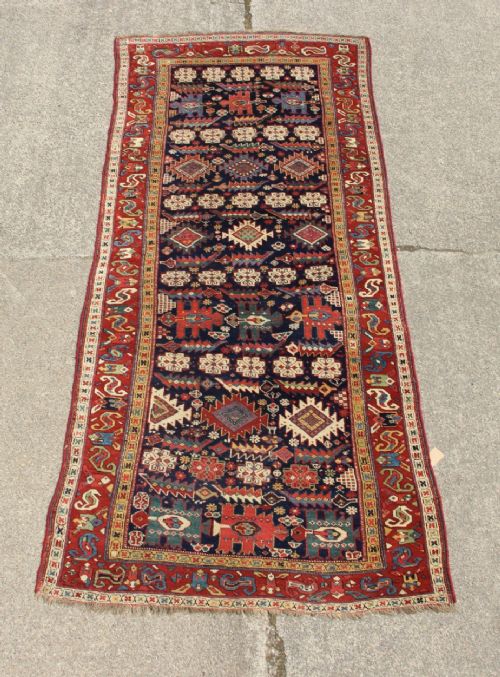
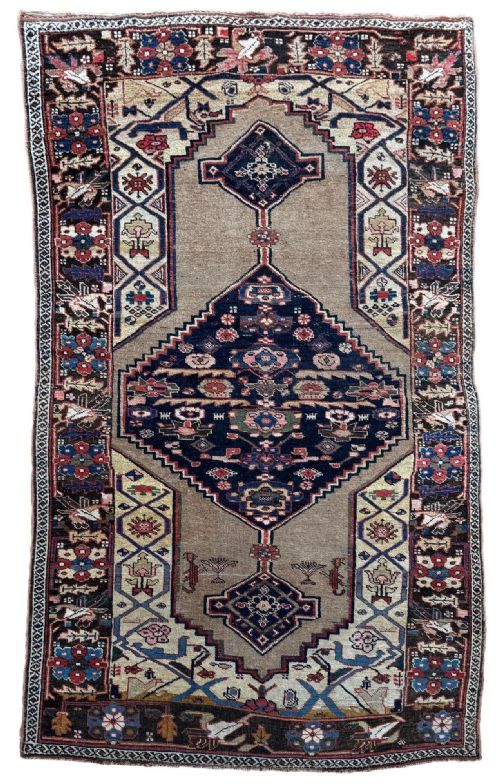
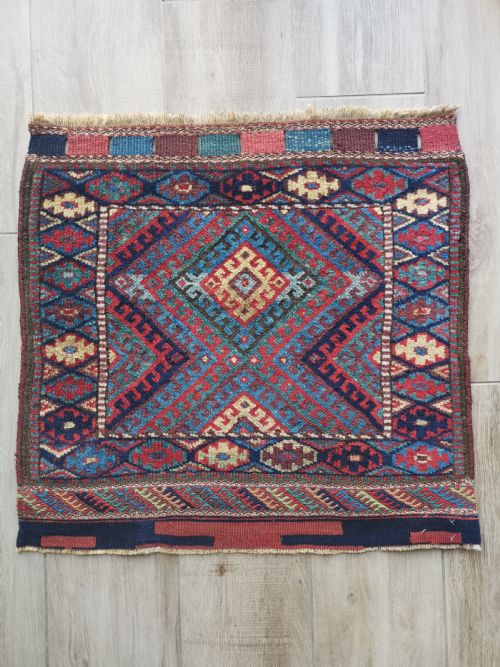
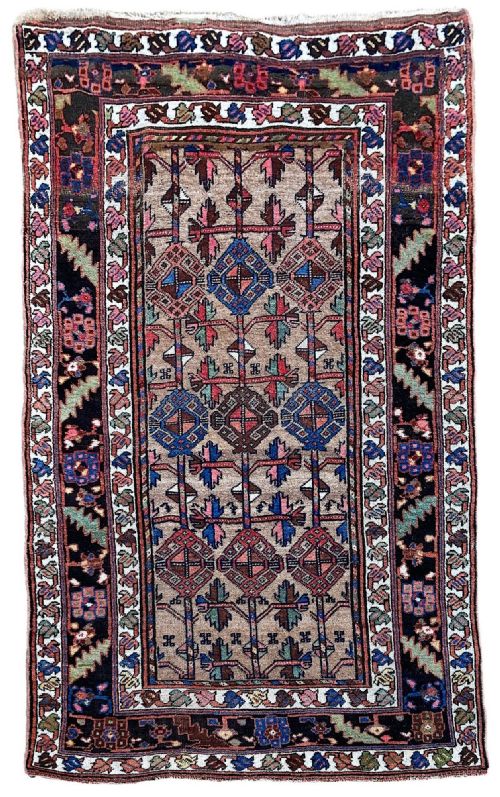


Hand Knotted Kurdish Carpet
A hand knotted kurdish carpet brings heavy tribal wool, saturated natural dyes and dense weave into domestic spaces from the nineteenth and early twentieth centuries.
Hand Knotted Kurdish Carpet
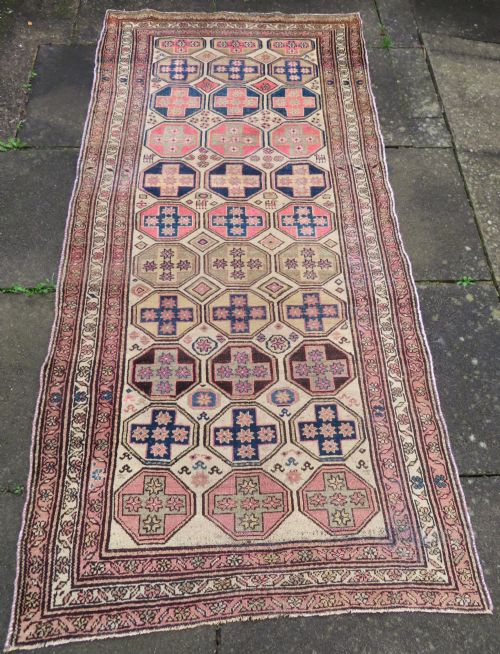
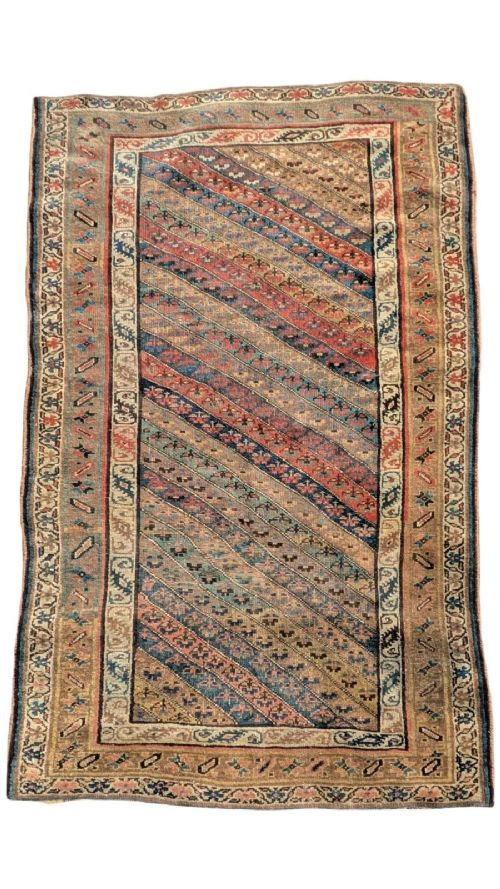
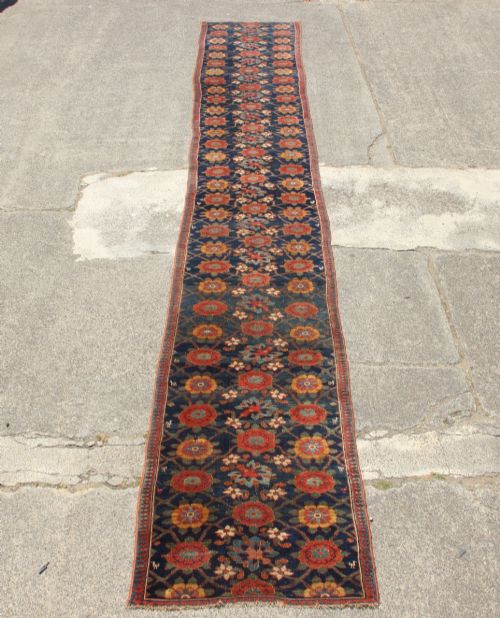
A hand knotted kurdish carpet represents the weaving traditions of nomadic and village communities across West Persia and surrounding regions. These heavy floor coverings range from compact scatter rugs and bags to long hallway runners and large kelleh formats.
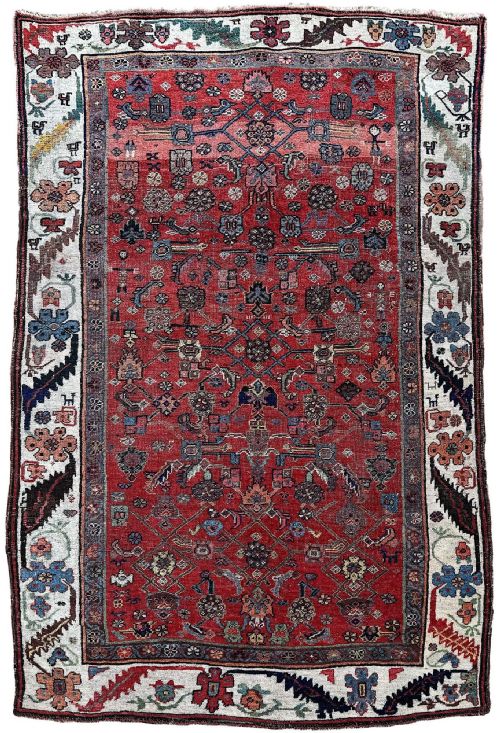
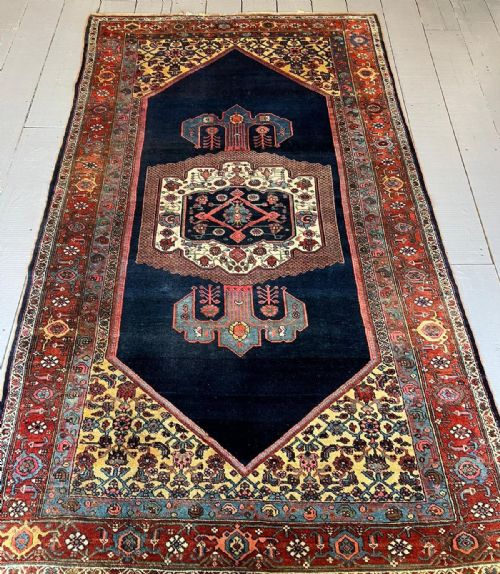
Most examples seen here date from the nineteenth century up to the 1930s, reflecting tribal designs rooted in specific districts such as Bidjar, Senneh, Hamadan and Jaf territories. Buyers choose them for their robust wool structures and archaic geometric or floral patterns.
The aesthetic bridges rustic tribal artistry and structured Persian workshop output, yielding pieces that suit both country houses and modern interiors. These textiles carry the distinct visual vocabulary of Kurdish weavers working with traditional vertical looms.
How they were made
Weavers constructed these carpets using hand-spun wool for the pile, combined with wool or cotton foundations to create a dense, heavy fabric. The reliance on natural dyes produces rich, saturated tones that mature gracefully over decades of use.
The knotting technique varies from coarse tribal loops to the famously tight, stiff construction of Bidjar pieces, often described as iron rugs. Skilled hands tied symmetric or asymmetric knots onto warp threads, resulting in durable textiles designed to withstand generations of heavy foot traffic.
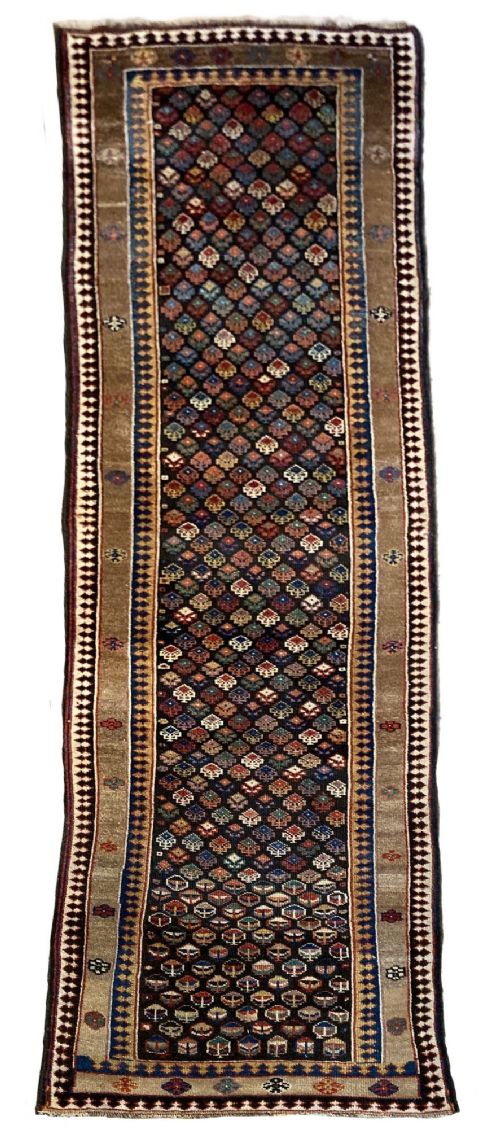
Some nineteenth-century runners carry small weaver errors in the borders where a forgotten talismanic motif was hastily squeezed into the wool.
What varies in quality
Quality in a hand knotted kurdish carpet depends on the integrity of the wool, the depth of the palette and the precision of the knotting. Finer examples exhibit high knot density and supple handles, whereas coarser tribal pieces lean towards heavy, stiff wool structures.
The brilliance and stability of the natural dyes separate standard utility rugs from exceptional collector pieces. Well-preserved pile length and intact original side cordings further distinguish superior survivals from heavily worn specimens.
The Hand Knotted Kurdish Carpet Glossary
- Kelleh
- A large format carpet, longer than it is wide, traditionally used in Persian domestic interiors. These grand formats often serve as room-anchoring pieces.
- Gul
- A repeating medallion or octagonal motif found in tribal rugs. This design element often identifies the specific weaving tribe or region.
- Bidjar
- A town and surrounding district in West Persia known for exceptionally dense, durable carpets. These pieces utilise heavy construction methods that resist wear.
- Senneh
- A regional weaving centre celebrated for finely knotted rugs and carpets. These textiles frequently feature delicate boteh motifs and intricate field patterns.
- Jaf
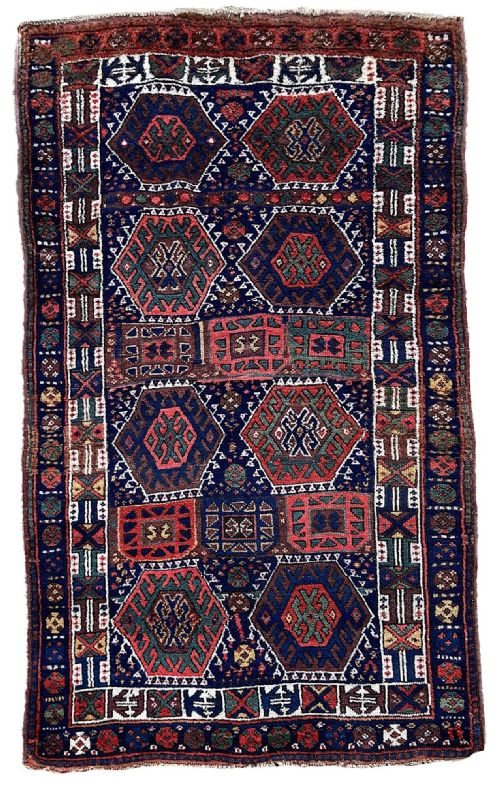
- A Kurdish nomadic tribe whose weavers produced distinctive small rugs and bagfaces. Their work often displays repeating geometric patterns in saturated wool.
Hand Knotted Kurdish Carpet: Frequently Asked Questions
Where were these carpets made?
These textiles originate from the mountainous regions of West Persia, Kurdistan and neighbouring Anatolian districts. Nomadic groups and village workshops produced them on traditional upright looms.
Weavers drew upon local tribal motifs, incorporating regional designs that distinguished one valley or confederation from another.
How do I care for an old wool carpet?
Protect the heavy wool pile by placing a quality breathable underlay beneath the rug to prevent slipping and friction. Vacuum gently with the suction attachment rather than a rotating brush.
Keep the textile out of direct sunlight to protect the natural dyes from fading over time. Rotate the rug periodically to ensure even wear across the surface.
What is an iron rug?
This term describes heavy carpets from the Bidjar region, constructed with such dense wool knotting that the foundation remains exceptionally stiff. The tight packing of the rows forces the pile to stand upright.
This robust technique yields a structure capable of enduring decades of heavy domestic use without losing its form.
How do I distinguish regional styles?
Examine the structural weight, knot density and primary motifs present in the field. Senneh pieces tend to be finer with delicate floral repeats, whereas Jaf and general Kurdish works often feature bolder geometric guls.
Foundation materials also offer clues, as cotton warps frequently point towards settled village workshops while pure wool foundations suggest nomadic origins.