

Geometric Patterned Rug
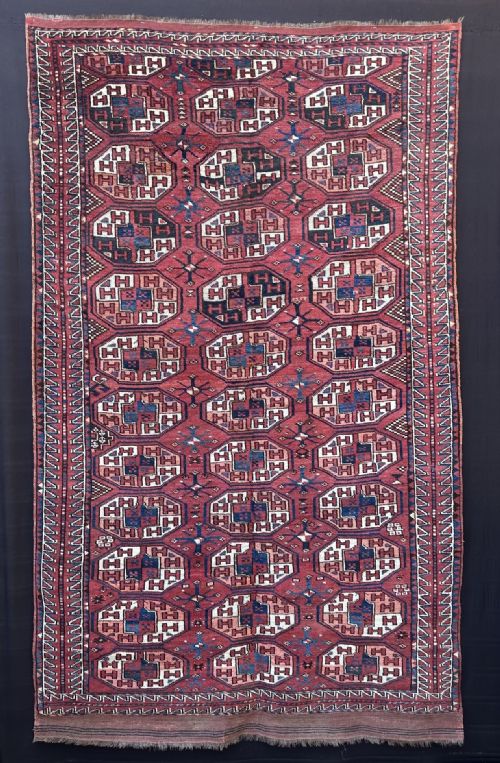
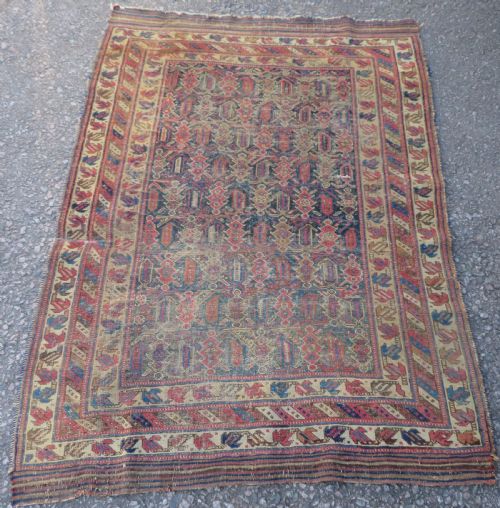
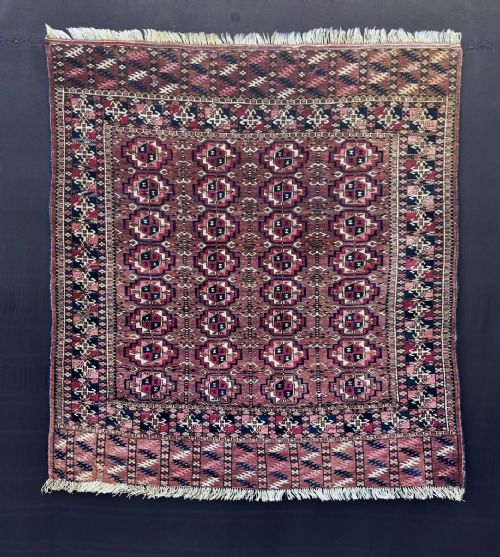
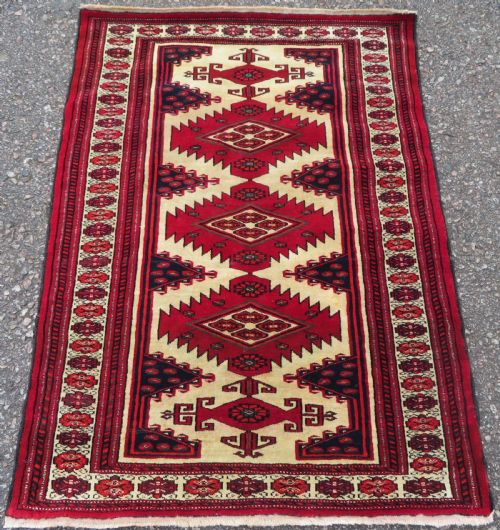
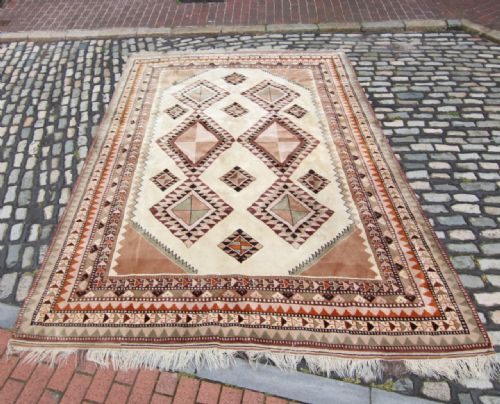
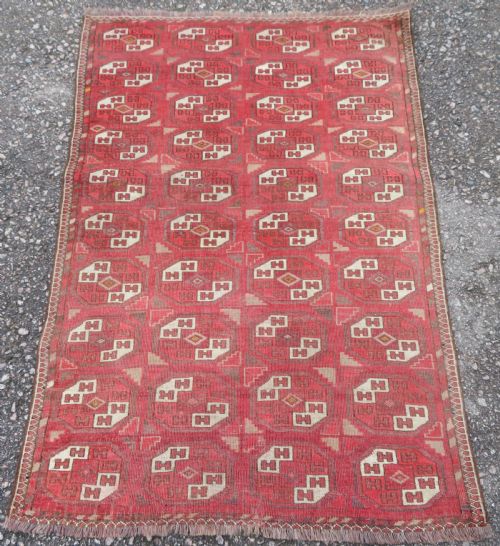
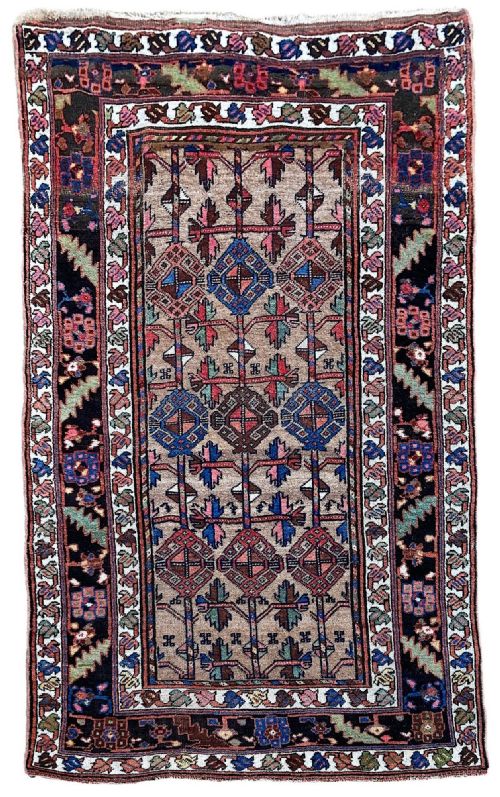
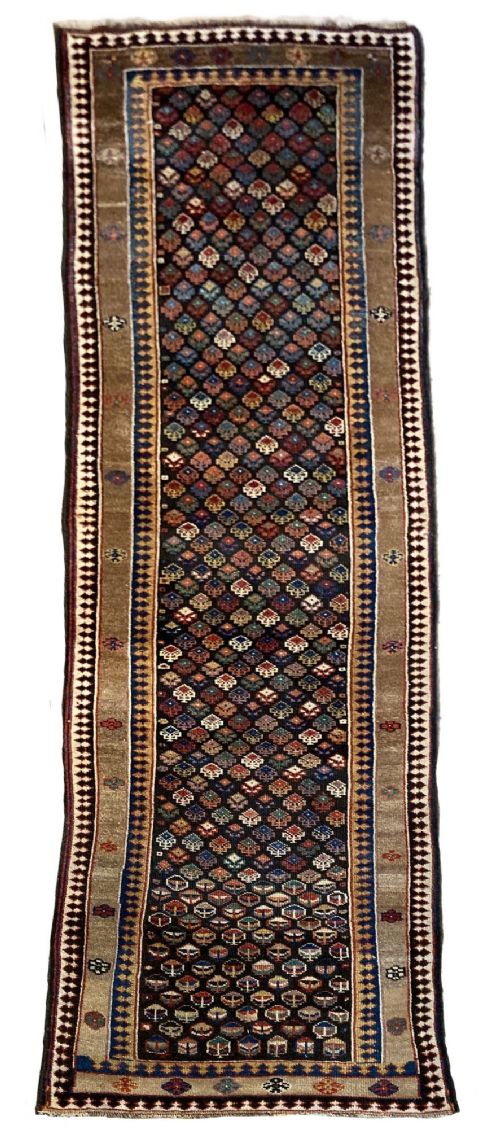
These geometric patterned rug examples bring together tribal craftsmanship, repeat lattice designs, and centuries of hand-knotted wool weaving from Central Asia and Persia.
Geometric Patterned Rug
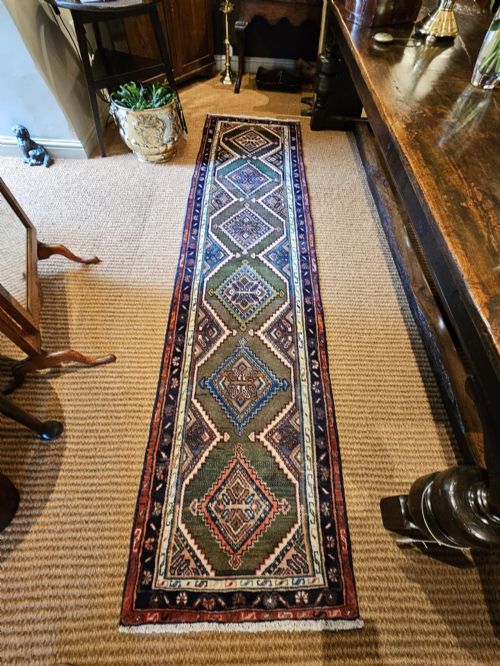
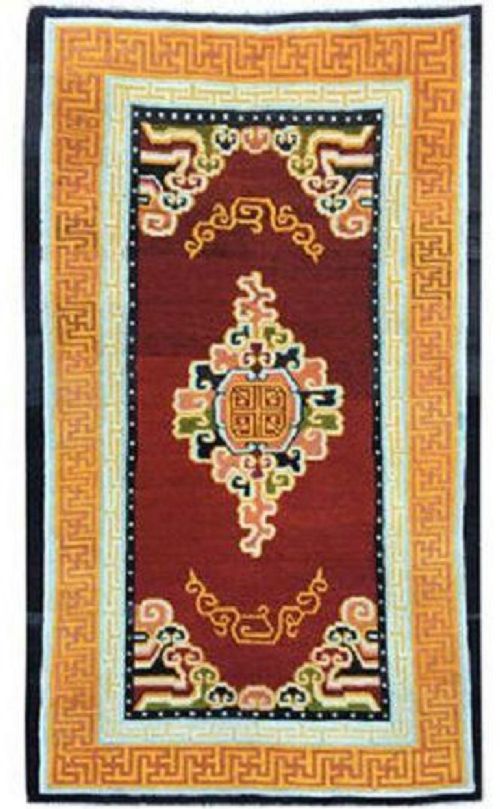
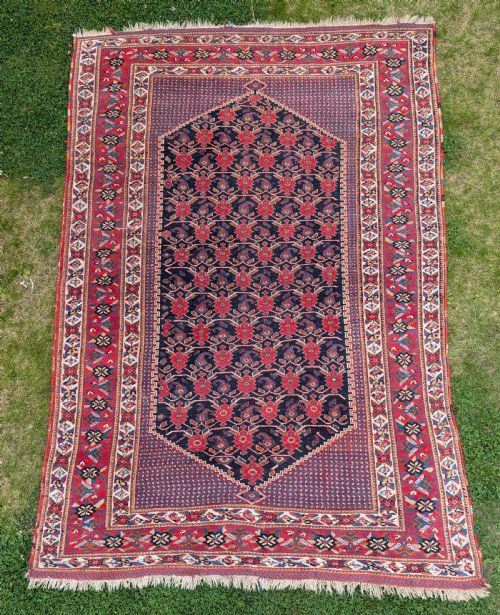
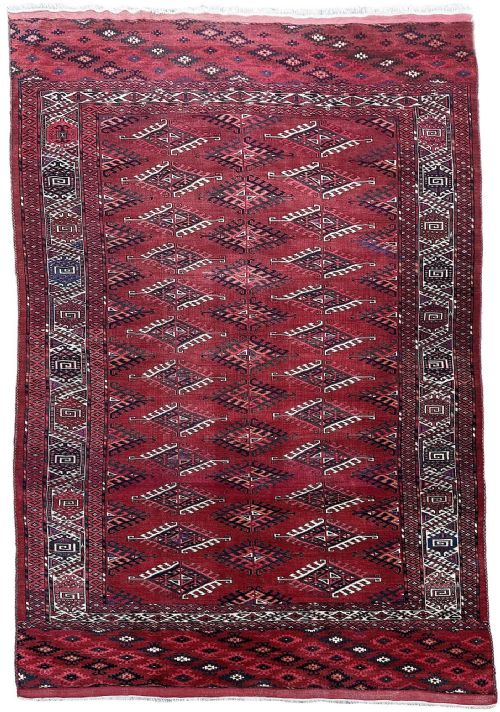
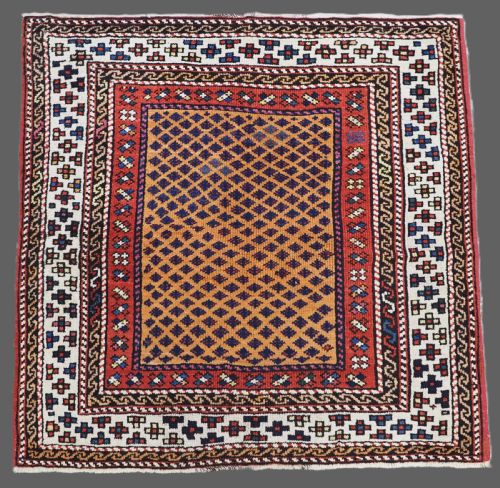
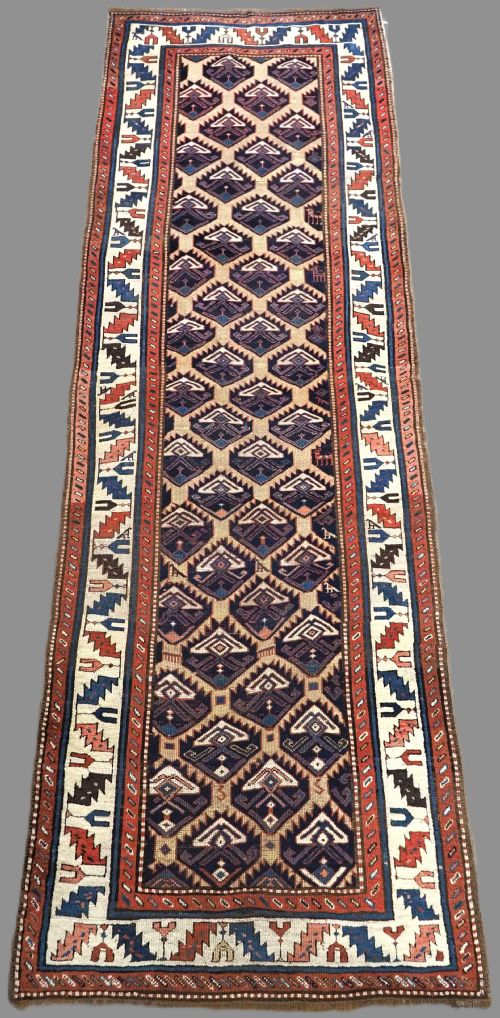
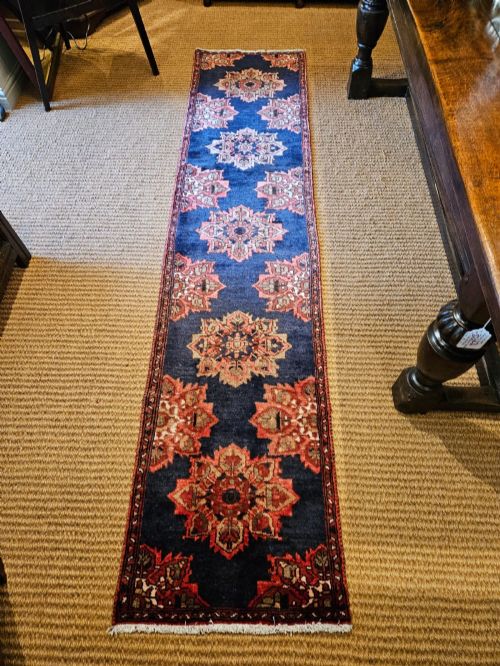
A geometric patterned rug covers hand-knotted carpets, runners, and flatweave kilims originating from nomadic and village workshops in regions such as Persia, Anatolia, and Turkmenistan. When exploring this selection, buyers frequently encounter pieces featuring traditional tribal motifs, lattice layouts, and repeat square formats dating from the nineteenth and early twentieth centuries.
The inventory leans heavily towards regional wool productions, including specific tribal outputs like Turkmen Yomut, Ersari, and Teke carpets alongside Kurdish, Afshar, and Caucasian Kazak weaves. These textiles served various domestic and nomadic functions, ranging from floor coverings and long hallway runners to tent door rugs and wedding hangings.
Makers utilised durable formats designed for practical use, resulting in sturdy floor coverings that retain their structural integrity across generations. The geographical spread encompasses major rug-producing centres across Central Asia and the Caucasus, providing a clear window into traditional village aesthetics.
Construction and materials
Production relies primarily on natural wool and cotton foundations, utilising hand-spun fibres that absorb dyes with distinct depth and variation. Artisans constructed these textiles using hand-knotted and flatweave techniques, anchoring the dense pile securely to the warp and weft threads.
Natural dyes provide the foundational palette across these village and tribal pieces, yielding characteristic tones of navy blue, olive green, and rich reds. The combination of hand-spun wool and traditional dyestuffs ensures the enduring resilience visible in surviving nineteenth and twentieth-century examples.
Several runners display delightfully crooked geometry, proving that nomadic weavers preferred charming human imperfection over rigid factory straightness.
Assessing the weaving
Quality in a geometric patterned rug rests on the tightness of the knotting, the crispness of the repeat lattice design, and the integrity of the wool foundation. Finer examples display precise execution of geometric motifs and balanced proportions across both runners and square formats.
The handling of natural dyes also dictates the distinction between standard and superior pieces, where subtle variations in colour depth enhance the visual texture. Well-preserved edges and original borders indicate careful historical use and superior initial craftsmanship by the tribal weavers.
The Geometric Patterned Rug Glossary
- Kelim
- A flatweave carpet or rug produced without a pile, traditionally utilised across Persian and Anatolian regions. These textiles are known for their sharp geometric patterns created by interlocking the weft threads.
- Engsi
- A specialised tribal rug used primarily as a tent door hanging among Turkmen groups. They typically feature a quartered geometric design scheme.
- Runner
- A long and narrow format of rug specifically suited for hallways and corridors. Surviving examples often display repeating medallion or lattice patterns down their length.
- Kelleh
- A large format Persian carpet traditionally proportioned longer than a standard room-size rug. These pieces often incorporate complex tribal field designs.
- Warp
- The vertical threads stretched tightly on the loom that form the structural skeleton of the rug. The fringe at either end of a finished piece consists of the extended warp threads.
Geometric Patterned Rug: Frequently Asked Questions
What is a geometric patterned rug?
A geometric patterned rug is a hand-knotted or flatweave textile featuring repeating angles, lattice layouts, and tribal motifs originating from regions such as Persia, the Caucasus, and Turkmenistan.
These pieces were traditionally produced by nomadic and village weavers using hand-spun wool and natural dyes to create durable floor coverings and domestic furnishings.
How were these rugs used originally?
Nomadic and village communities utilised these textiles as floor coverings in tents and houses, as well as specialised items like tent door hangings and wedding rugs.
Longer formats served practical purposes in hallways, while square or large carpets anchored the main living spaces of traditional dwellings.
How do I care for an antique wool rug?
Maintenance involves regular gentle vacuuming without a beater bar and professional cleaning when necessary to protect the natural wool fibres and dyes.
Placing the rug in a stable environment away from direct, harsh sunlight helps preserve the historic colour tones of the natural dyes.
How can I tell different tribal designs apart?
Tribal designs vary by region, with Caucasian pieces often displaying bold primary colours and sharp geometric medallions, while Turkmen weaves favour deep reds and repeat lattice motifs.
Examining the specific structural characteristics, such as knot density and border arrangements, helps attribute pieces to groups like the Yomut, Afshar, or Kazak.