

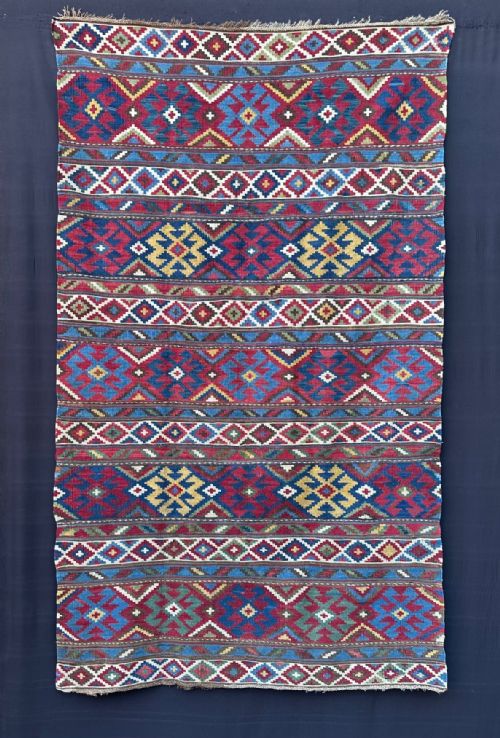




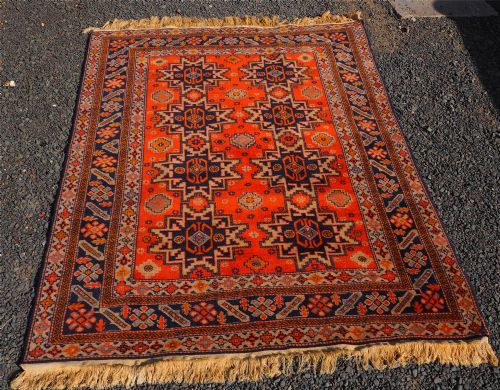
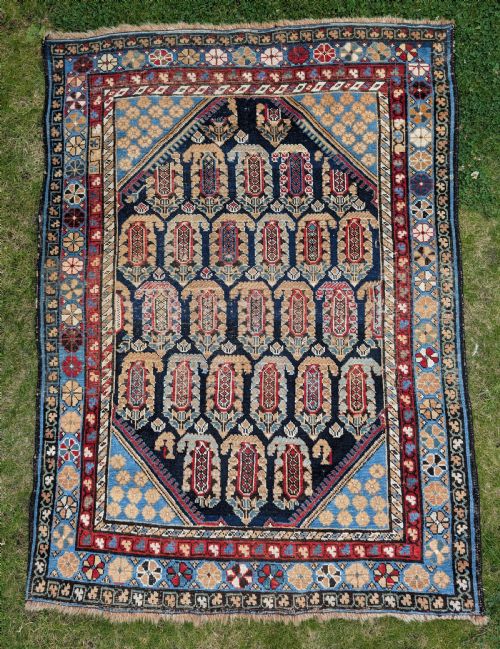
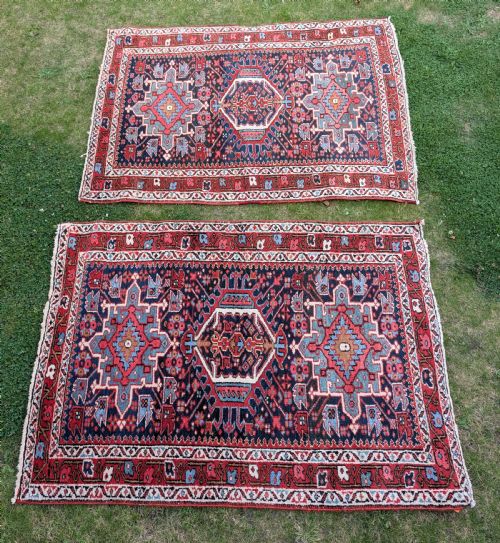
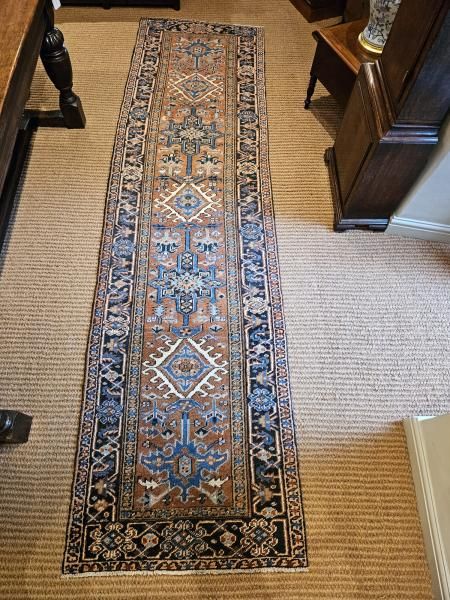
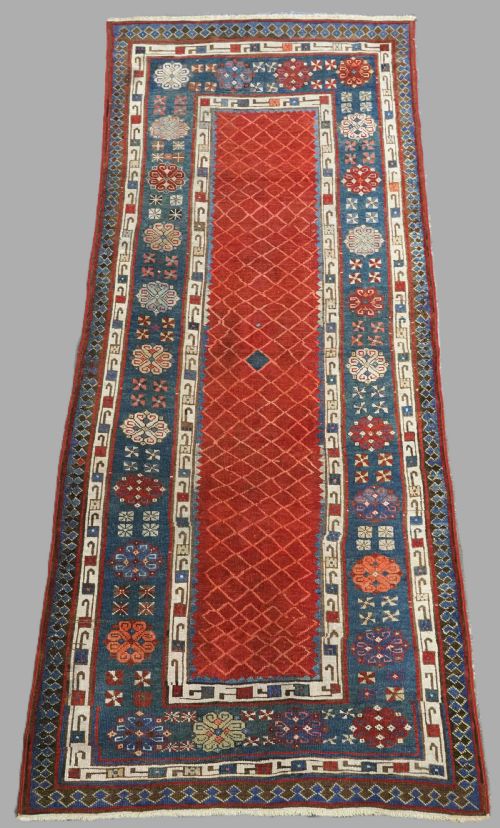
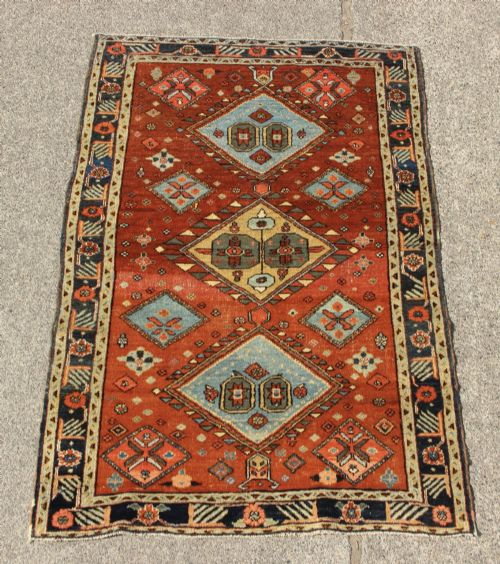
Caucasian Geometric Wool Carpet
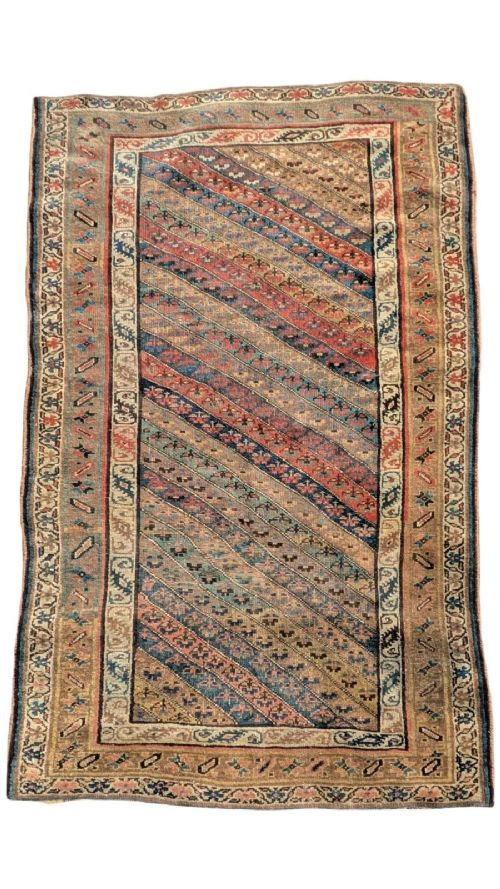
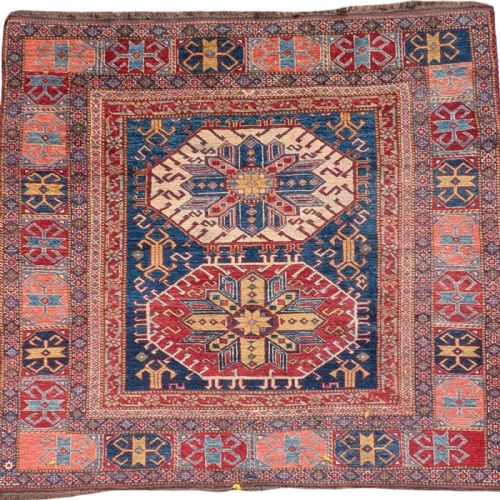
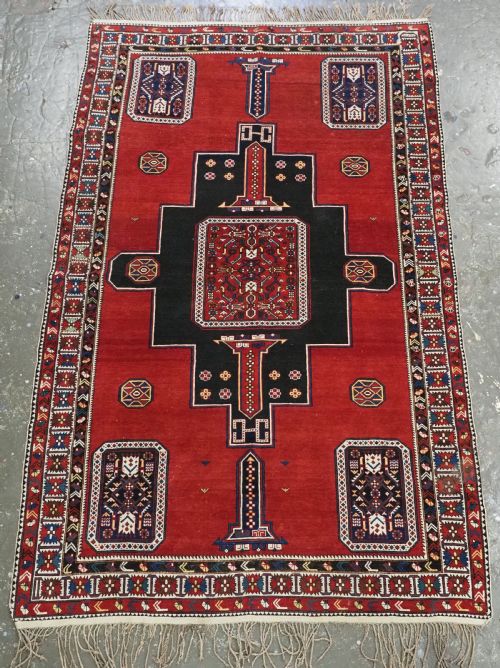
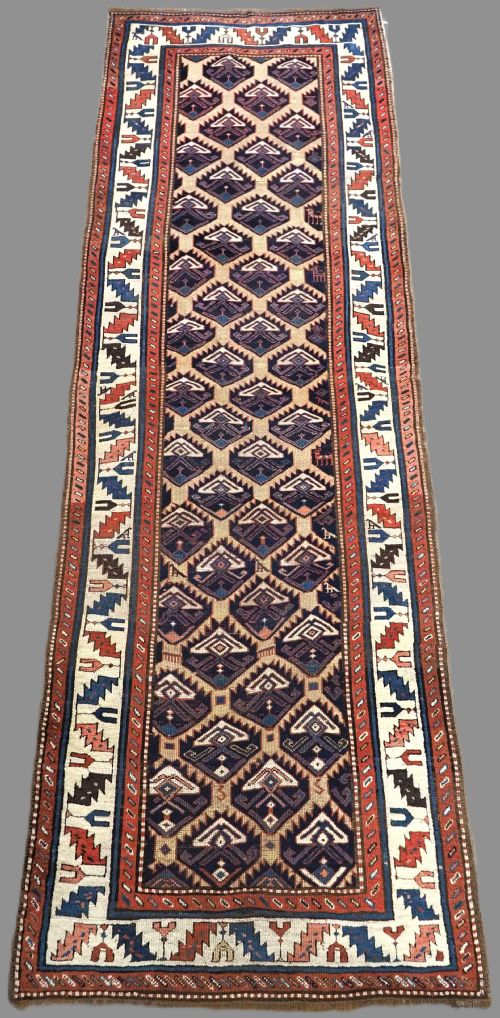
A caucasian geometric wool carpet brings strong tribal character into a room through bold medallions and crisp angular motifs.
Caucasian Geometric Wool Carpet
A caucasian geometric wool carpet brings together traditional rug weaving traditions from the Caucasus region, spanning the nineteenth and early twentieth centuries. These floor coverings range from compact prayer rugs and small hallway runners to larger carpets featuring distinct regional patterns.
Buyers will encounter various traditional formats on this page, including Kazak, Shirvan, Kuba, and Karabagh types. Each variety displays characteristic motifs such as cruciform medallions, lattice designs, and geometric field arrangements.
The pieces emerge from village and tribal workshops across the region, reflecting local weaving customs passed down through generations. Dating predominantly from the 1870s to the 1930s, they represent a mature period of regional floor covering production.
How they were made
These floor coverings utilise hand-spun wool for the pile, combined with cotton foundations in many examples. Artisans dyed the wool using natural colour sources to achieve rich, lasting shades that mellow gracefully over time.
Weavers knotted the wool tightly onto vertical looms, creating durable structures designed for generational daily use. Regional techniques incorporate specific pile clipping heights and distinctive edge finishes that help identify the origin of each piece.
Listings span production dates from the 1850s through the 1930s, documenting village and tribal weaving traditions across the Caucasus.
What varies in quality
The clarity and execution of the geometric design separate finer examples from standard village production. Tighter knot density allows for sharper definition in medallions and lattice work, while superior dyework yields greater depth of colour.
Proportion and balance within the border and field arrangement dictate the aesthetic success of the piece. Well-balanced symmetry and harmonious colour saturation distinguish the most desirable examples in this category.
The Caucasian Geometric Wool Carpet Glossary
- Medallion
- A central ornamental motif set within the field of the carpet. These geometric focal points often feature cruciform or star shapes.
- Pile
- The surface layer of a carpet formed by the cut ends of knotted yarn. In these rugs, hand-spun wool creates a dense and durable pile.
- Runner
- A long, narrow carpet format designed for hallways, corridors, or narrow spaces. Runners in this selection frequently display repeating lattice patterns.
- Prayer rug
- A small format rug featuring a mihrab or arch design indicating the direction of prayer. These pieces were traditionally utilised for personal devotion.
- Natural dyes
- Colourants derived from plants, insects, and minerals rather than synthetic compounds. They produce the subtle tonal variations seen across older village carpets.
Caucasian Geometric Wool Carpet: Frequently Asked Questions
Where should I place a runner?
Runners fit well in hallways, corridors, and narrow passageways where their elongated format can guide movement through a home. They also function effectively alongside beds or in galley kitchens.
Ensure the floor surface is level and use an appropriate underlay to prevent sliding and protect the foundation of the rug from premature wear.
How do I care for wool carpets?
Vacuum gently across the surface using suction only, avoiding rotary brush attachments that can pull at the hand-spun wool pile. Rotate the piece periodically to ensure even exposure to foot traffic and light.
Address spills immediately by blotting with a clean, dry cloth rather than rubbing. Professional cleaning is recommended when dust accumulates deep within the foundation.
How do I identify a Kazak rug?
Kazak rugs are distinguished by their bold, geometric medallions, primary coloration in reds and blues, and relatively thick wool pile. Their designs often feature large stars, cruciform shapes, and hooked motifs.
These pieces typically originate from the western Caucasus and display a robust, substantial construction that sets them apart from finer coastal or city weaves.
What does distressed condition mean?
Distressed pieces show areas of low pile, worn foundation threads, or historical repairs resulting from decades of genuine domestic use. This character reflects their age and history rather than a manufacturing defect.
Many collectors appreciate this patinated state because the softened colours and worn textures integrate smoothly into relaxed, lived-in interiors.