


Hand Carved Wooden Head
When you want a hand carved wooden head, you are looking at expressive busts, folk art milliner pieces, and animal studies shaped across centuries.
Hand Carved Wooden Head
A hand carved wooden head encompasses human busts, folk art milliner blocks, animal studies, and architectural wall masks. These pieces emerge from traditions spanning the eighteenth century through the early twentieth century.
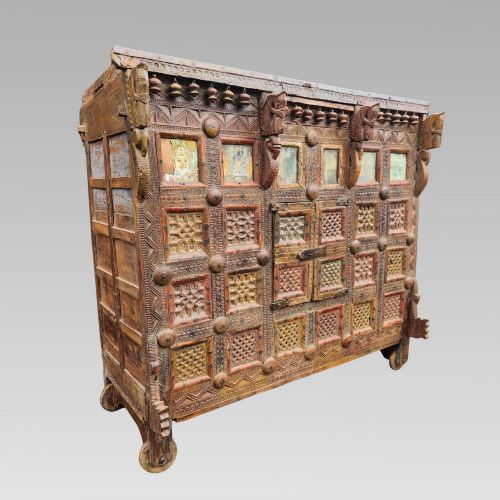
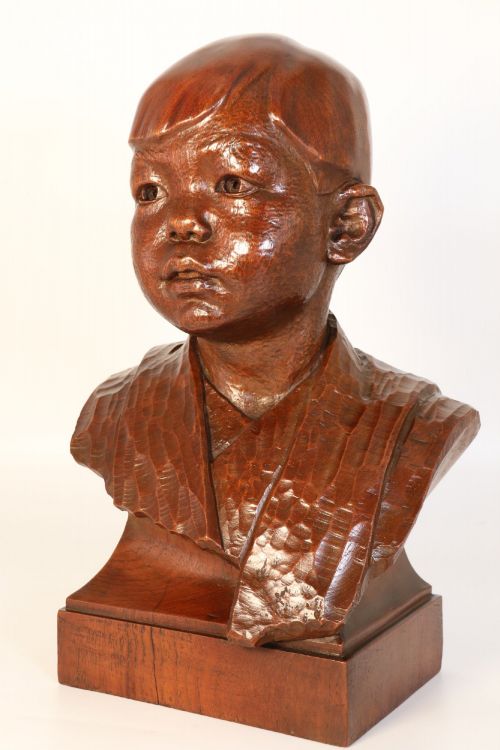
Buyers meet diverse regional interpretations here, ranging from European Black Forest animal carvings to Scandinavian folk art and Asian tribal mask work. Forms vary from life-sized walnut portraits of boys and monks to practical hat racks and nutcrackers.
Subjects range from historical noble ladies and tribal figures to foxes, chamois goats, tigers, and horses. Each object reflects the specific carving traditions and utilitarian or decorative purposes of its origin.
Materials and Technique
Makers utilised traditional hand chisels, gouges, and knives to achieve depth, texture, and anatomical precision. Some surfaces received polychrome paint or polished finishes to enhance realism and preserve the grain.
Listings span periods from the eighteenth century to the early twentieth century, featuring walnut, teak, pine, and oak.
Evaluating Quality
Quality rests in the precision of the anatomical rendering and the liveliness of the expression captured in the grain. Master carvers conveyed distinct character, muscle tension, and realistic textures in hair, skin, and fur.
The depth of relief and the ambition of the composition separate standard utility objects from superior sculptural works. Clean tool work without clumsy sanding preserves the integrity of the original hand carving.
George Henry Paulin RBS·Boudewijn Tuerlinckx
The Hand Carved Wooden Head Glossary
- Black Forest
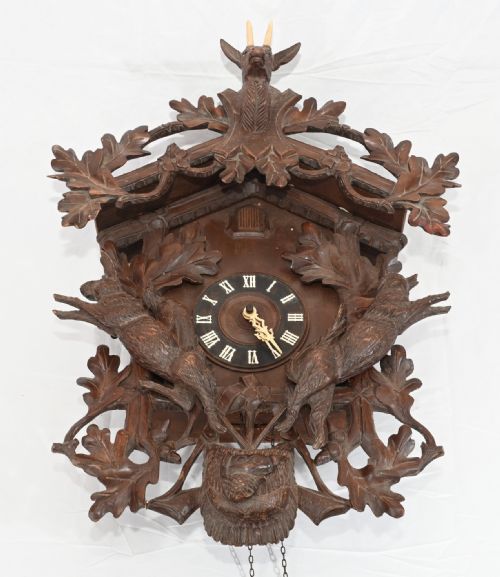
- A style of wood carving originating from the mountainous region of central Europe, renowned for realistic animal studies and flora. Pieces often take the form of wall clocks, nutcrackers, and hat racks.
- Folk art
- Utilitarian or decorative objects created by self-trained or traditional artisans outside formal academic traditions. These items often display charming irregularities and regional character.
- Mangle board
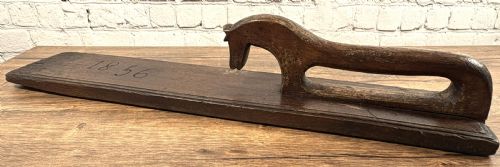
- A domestic Scandinavian laundry tool traditionally featuring a flat board and a carved handle shaped like a horse head or other animal. Husbands gave these carved boards as courtship gifts.
- Walnut
- A heavy, dark timber prized by carvers for its rich grain and stability under detailed chisel work. It appears frequently in nineteenth-century European busts and animal masks.
- Polychrome
- The practice of decorating wooden surfaces with multiple colours of paint. This technique brings realism to folk art puppets, masks, and architectural elements.
Hand Carved Wooden Head: Frequently Asked Questions
What were carved wooden heads used for?
Many wooden heads served practical roles as milliner display blocks for hats or functional items like coat racks and nutcrackers. Others functioned purely as decorative sculptures, wall masks, or artistic studies of human and animal subjects.
Over time, utilitarian pieces transitioned into collector items appreciated for their craftsmanship and distinct regional styles.
How do I identify Black Forest carvings?
Black Forest carvings typically depict animals such as bears, chamois goats, dogs, and foxes rendered with high realism. They frequently appear on functional objects originating from nineteenth-century European workshops.
Look for deep brown walnut timber, naturalistic poses, and detailed texturing representing fur and muscle.
Are these pieces made by hand?
The objects listed here rely on traditional hand-carving techniques using chisels, gouges, and knives. Artisans worked directly into woods like walnut, teak, and pine to shape each specific form.
Visible tool marks and subtle variations between pieces confirm the manual skill involved in their creation.
How do I care for antique wooden carvings?
Keep wooden carvings away from direct sunlight and dramatic temperature swings to prevent the timber from splitting or drying out. Dust them gently with a soft, dry cloth rather than using liquid polishes.
Maintaining stable indoor humidity preserves both the natural wood grain and any historic painted surfaces.