

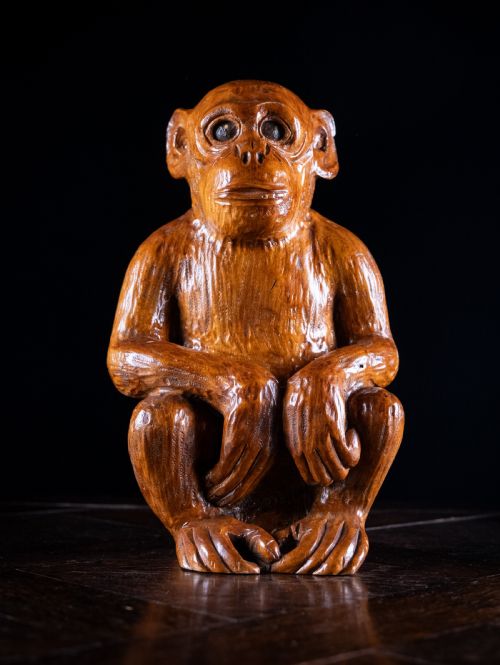
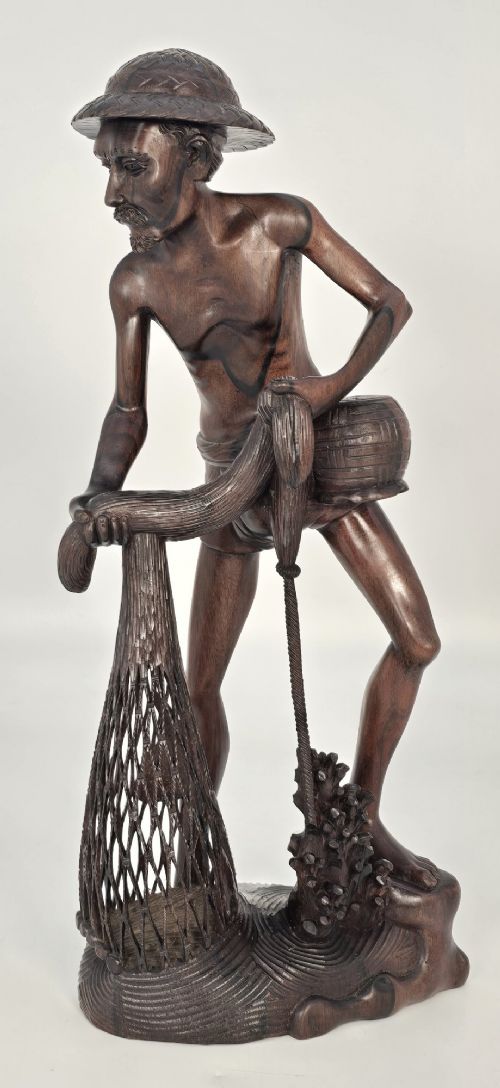
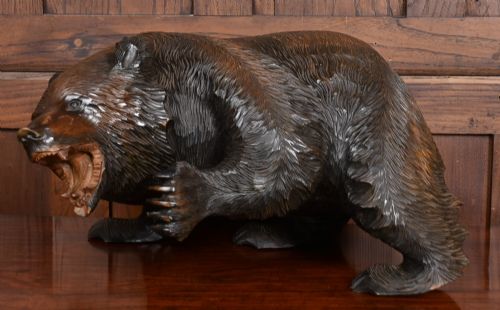
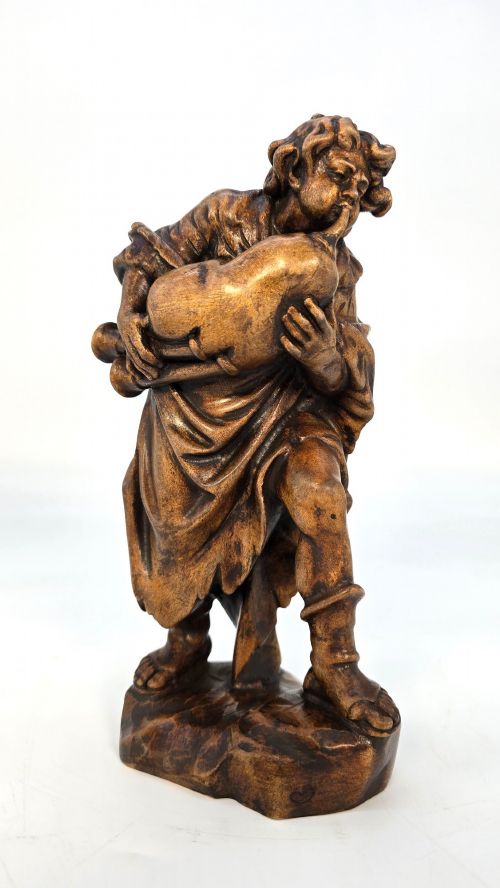


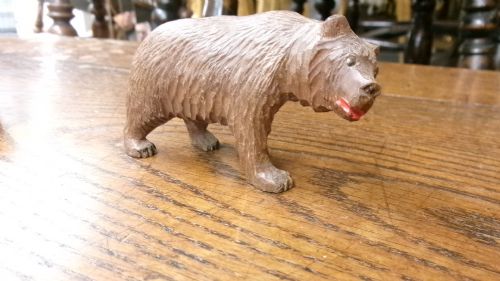
Hand Carved Timber Figure
A hand carved timber figure brings character and depth to a room, ranging from folk carvings to European animal studies.
Hand Carved Timber Figure
When you search for a hand carved timber figure, you encounter works spanning multiple centuries, continents and sculptural traditions. The selections on this page encompass European ecclesiastical carvings, Black Forest animal studies, folk art pieces and Asian sculptures.
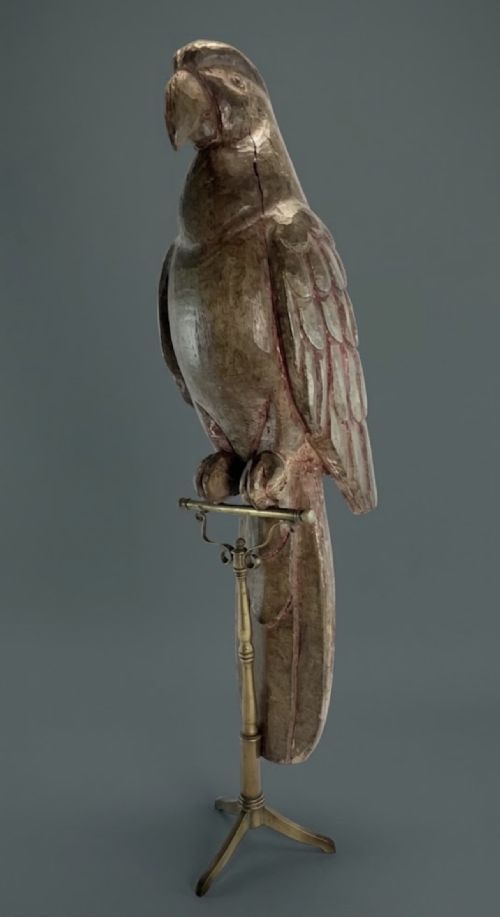
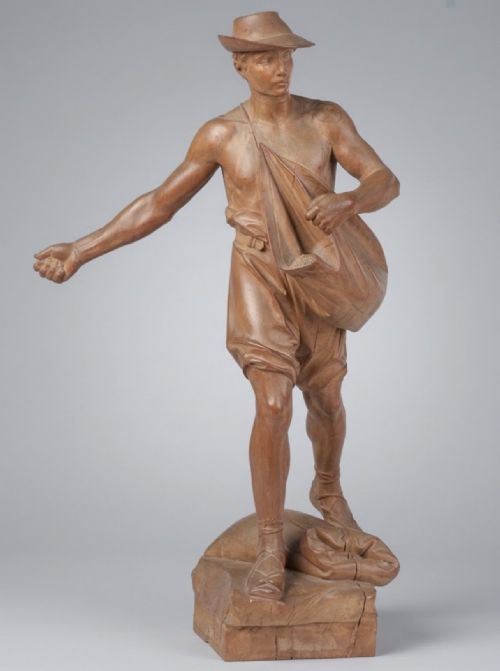
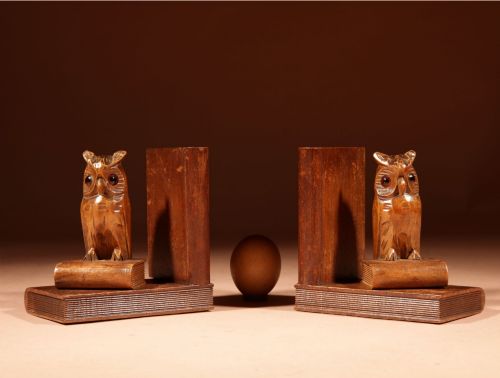
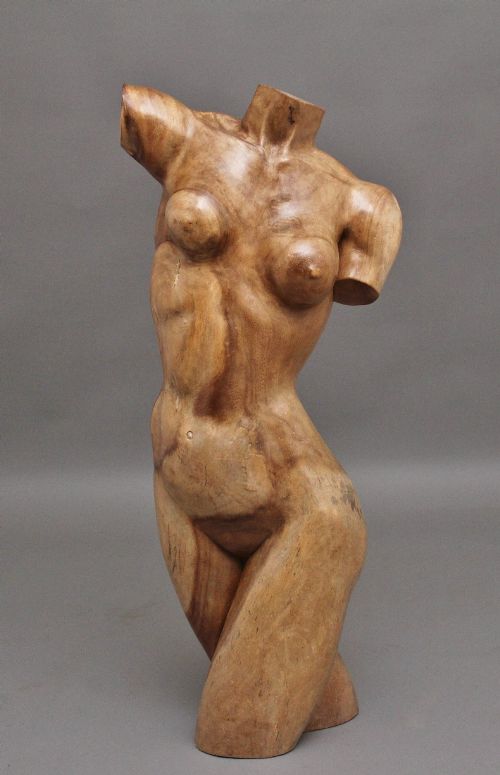
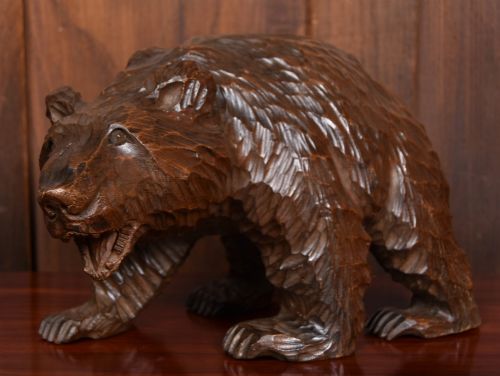
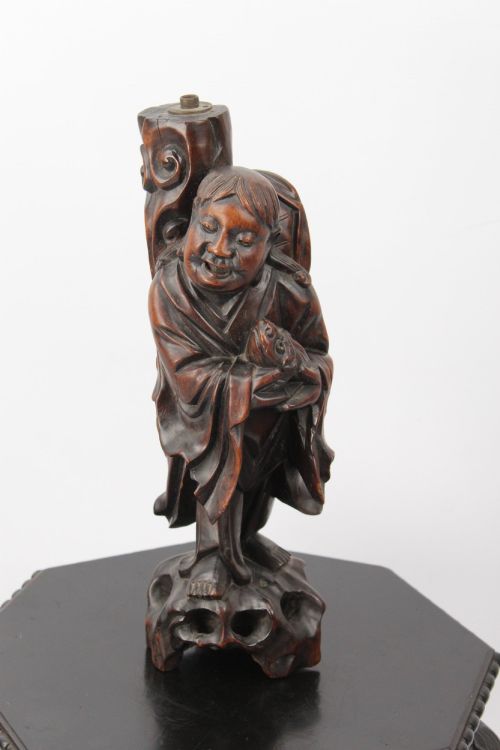
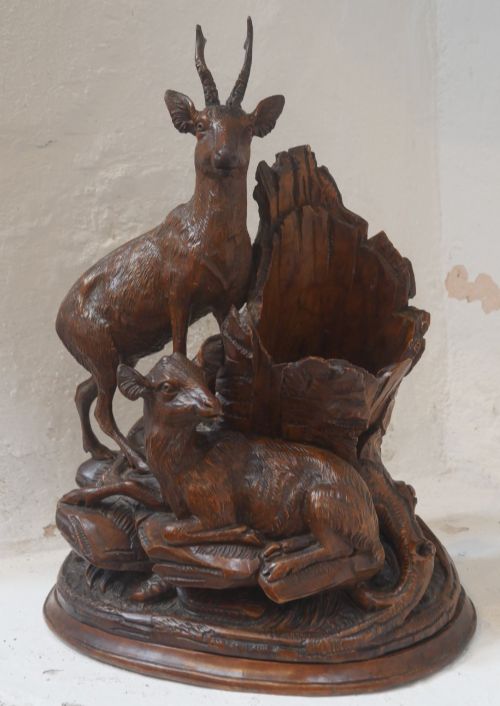
You are most likely to meet 19th century and early 20th century examples on this page. These pieces take the form of saints, animals, human figures, bookends and trade signs.
Origins vary widely, extending from British and European workshops to African tribal regions and East Asian studios. Each region imparts distinct regional techniques and subject matter to the finished work.
How They Were Made
Carvers utilised native and exotic timbers selected for their grain and density. Common woods include fruitwood, limewood, oak, walnut, teak and hardwood.
Sculptors shaped the timber using gouges, chisels and knives, sometimes applying paint or glass eyes to enhance the finished surface.
The listings span from pre-16th century church figures to mid-20th century tribal sculptures, utilising oak, fruitwood, limewood and painted surfaces.
What Varies in Quality
The anatomical precision and fluidity of the carving determine the distinction between ordinary and exceptional pieces. Master carvers capture movement and expression with economy of line.
The preservation of the original surface, whether unpolished wood or early painted layers, heavily influences the integrity of the piece.
The Hand Carved Timber Figure Glossary
- Fruitwood
- Timber derived from fruit-bearing trees such as pear or apple. Carvers favoured it for its fine, dense grain which accepts intricate detail.
- Limewood
- A pale timber with an even texture used extensively in European carving. It resists splitting and allows for deep undercut details.
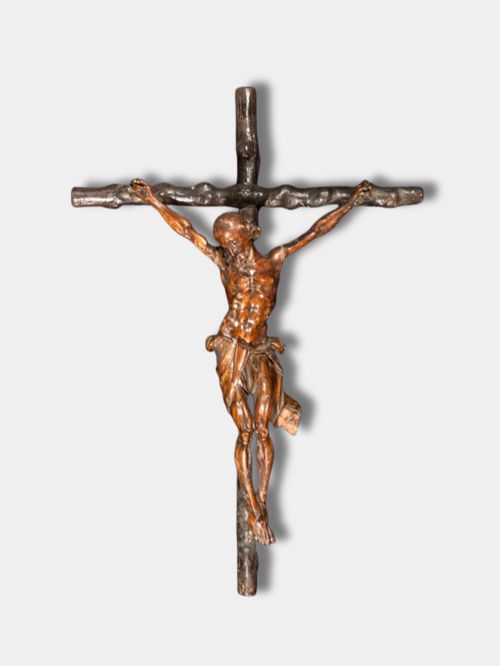
- Corpus Christi
- A representation of Christ on the cross. These figures appear in various sizes and regional European styles across multiple centuries.
- Black Forest
- A term designating wooden carvings produced in the Swiss and German border regions. Bears and woodland animals are typical subjects of this tradition.
Hand Carved Timber Figure: Frequently Asked Questions
How do I clean a carved wooden figure?
Dust the surface gently with a dry, soft brush to prevent accumulation in the carved crevices.
Avoid liquid cleaners and wax polishes unless the finish specifically requires conditioning.
Where were Black Forest carvings made?
These pieces originated in the mountainous regions of central Europe, particularly Switzerland and Germany.
Local woodcarving industries produced domestic items, figures and animal sculptures for the tourist and export markets.
How can I tell the age of a wooden carving?
Age is determined by tool marks, timber shrinkage, wear patterns and the composition of underlying paint or finish layers.
Comparing stylistic conventions and regional motifs provides further chronological context.