







Hand Carved Saint Sculpture
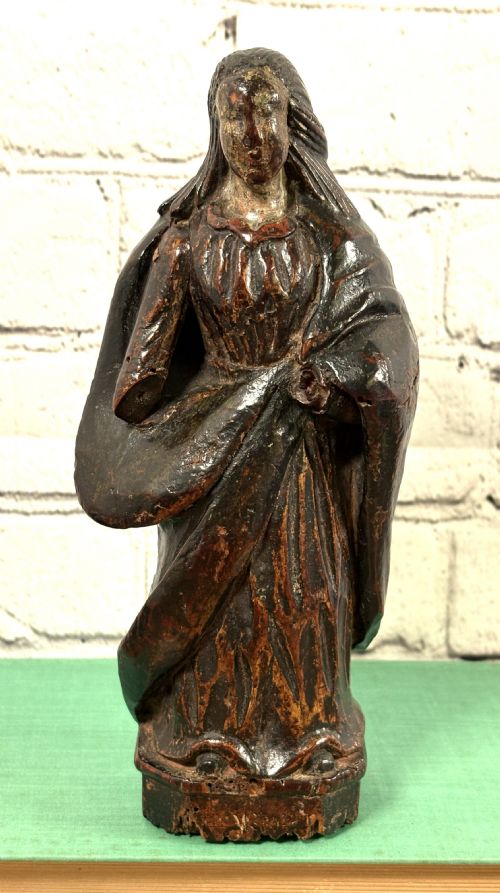
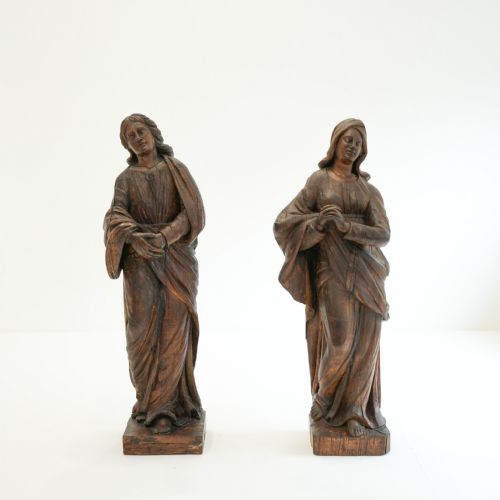
These hand carved saint sculpture pieces offer timeless devotion and regional folk artistry, ranging from rustic village workshops to stately church altars.
Hand Carved Saint Sculpture
A hand carved saint sculpture represents figures of veneration across multiple centuries, emerging from traditions ranging from Alpine folk art to formal Gothic Revival ecclesiastical workshops. The pieces span periods from pre-sixteenth century late medieval items up through nineteenth century devotional objects.
Most examples take the form of freestanding wooden statues or architectural figures depicting specific historical and religious personalities such as Saint Paul, Saint Jerome, and the Virgin Mary. Regional origins stretch across European traditions including Italian, German, and Croatian ecclesiastical carving.
Buyers encounter everything from small processional figures to substantial oak studies and paired church statues. Each piece carries the distinct marks of the carver's chisel and the spiritual context of its original placement.
What Varies in Quality
Preservation of original polychrome paint and gesso surfaces influences character and historical integrity. Pieces retaining genuine early pigment carry greater visual weight than later stripped or repainted examples.
Listings feature woods such as oak and limewood, alongside applied gesso and polychrome paint.
Franz Keller
The Hand Carved Saint Sculpture Glossary
- Polychrome
- Decoration in multiple colours applied to wood sculpture. This technique was widely used in medieval and baroque periods to give statues lifelike vibrancy.
- Gesso
- A plaster mixture applied to wood as a smooth base for paint and gilding. It seals the wood grain and creates a crisp surface for fine detailing.
- Limewood
- A pale, fine-grained wood favoured by European carvers for intricate religious figures. Its lack of pronounced grain allows for microscopic detail in facial expressions.
- Processional figure
- A sculpture designed to be carried during religious festivals and street processions. These items often feature hollow construction to reduce weight.
- Gothic Revival
- A nineteenth-century architectural and artistic movement drawing inspiration from medieval forms. Sculptures in this style emulate earlier devotional traditions.
Hand Carved Saint Sculpture: Frequently Asked Questions
How do I identify older wooden saint sculptures?
Examine the tool marks left behind by the carver, as hand-wrought chisel marks differ significantly from modern machine milling. Tool technology and wood shrinkage patterns over centuries offer strong clues to a piece's age.
Consider the style of the carving and the wear on the wood surface. Period characteristics in drapery and facial design help align a figure with specific eras like the late medieval period or the baroque movement.
Where were these religious figures originally displayed?
Many of these sculptures stood within churches, mounted on altars, or placed inside architectural niches to anchor prayer spaces. Others served a domestic function in household shrines or rural farmhouses.
Some lighter pieces were made specifically for outdoor processions and community festivals. Their intended setting often dictated the scale and the choice of protective paint finishes.
How should I care for antique wood carvings?
Keep wooden sculptures away from direct heat sources and dramatic humidity fluctuations to prevent the wood from splitting. Stable indoor environments preserve both the timber and any fragile gesso layers.
Dust the surface gently with a soft, dry brush rather than using liquid polishes or chemical cleaners. Allowing the piece to age naturally protects its historical patina.
What does polychrome finish mean on a statue?
A polychrome finish involves painting the carved wood surface in various colours to depict garments, hair, and flesh tones with realism. This traditional method brought devotional figures to life in dim church interiors.
Over the centuries, these painted layers often develop craquelure or wear away. Traces of original pigment remain a key indicator of authenticity and age.