

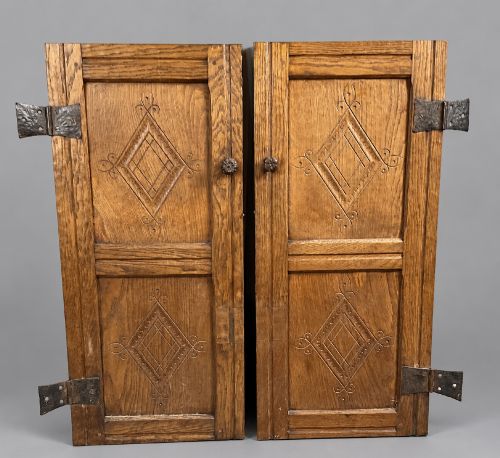
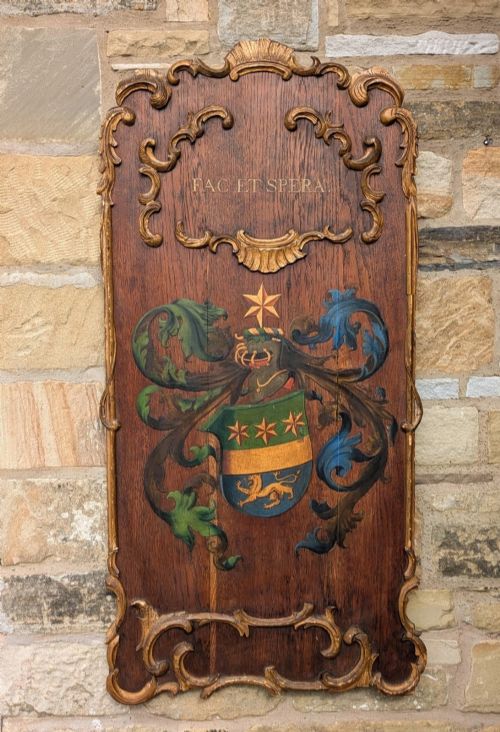
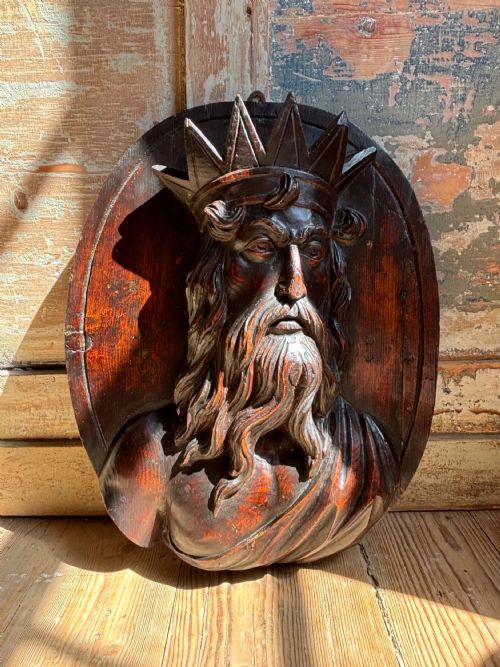
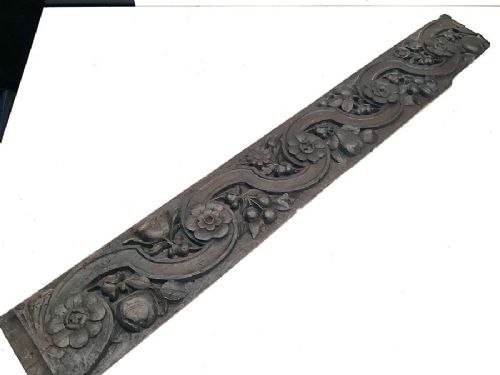
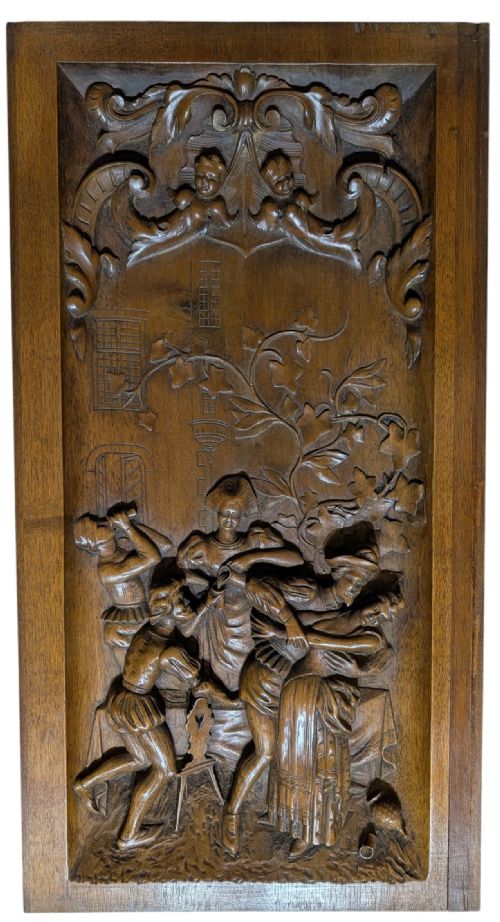
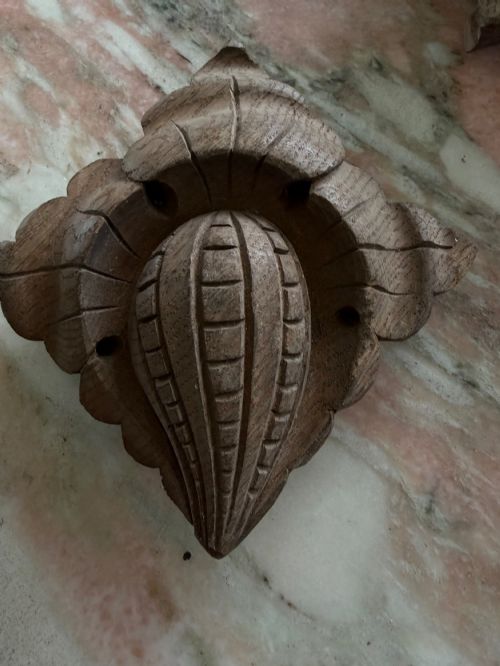


Hand Carved Oak Panel
These hand carved oak panel examples bring centuries of architectural woodwork and figurative sculpture directly into modern interiors.
Hand Carved Oak Panel
A hand carved oak panel serves as a tangible link to historic interiors, originating as architectural salvage, furniture components, and decorative wall art. Buyers encounter various forms on this page, ranging from geometric ceiling bosses and friezes to figural plaques and linenfold designs.
The material record spans centuries from the sixteenth to the nineteenth, incorporating Gothic Revival, Tudor, Jacobean, and Victorian aesthetics. These timber sections often emerge from domestic buildings, country houses, and ecclesiastical settings across Britain and continental Europe.
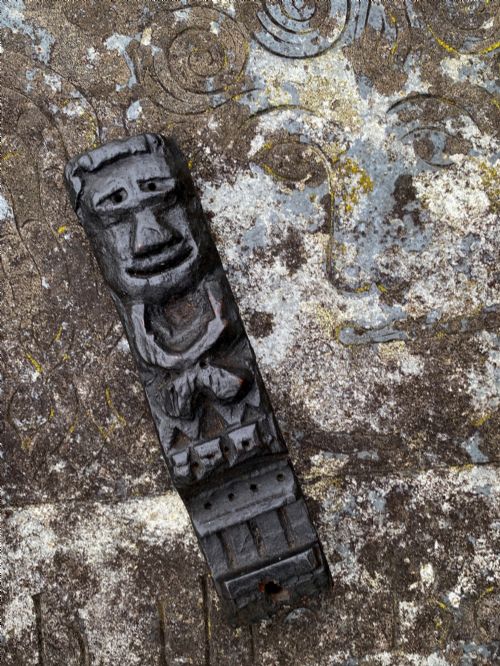
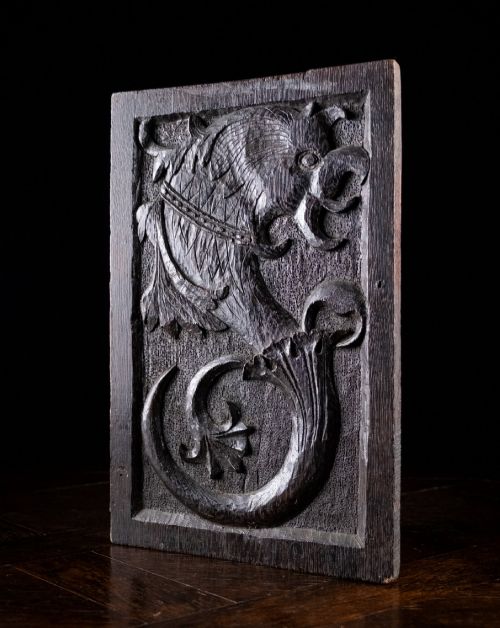
Surviving examples function today as standalone wall sculptures, overmantle components, or integrated architectural elements within traditional and contemporary rooms. Each piece displays distinct sculptural motifs, from mythological figures and serpents to heraldic Tudor roses.
Materials and Techniques
Craftsmen worked primarily with solid timber, utilising dense native oak alongside occasional walnut and secondary woods. Workshops employed traditional hand tools including gouges, chisels, and mallets to achieve deep relief and intricate undercutting directly into the grain.
Surface treatments recorded in the evidence include historical paint, leaf gilding, and occasional metal fixtures in brass and iron. Structural joinery relied on pegged mortise and tenon construction or straightforward surface mounting depending on whether the timber formed part of a coffer, door, or wall.
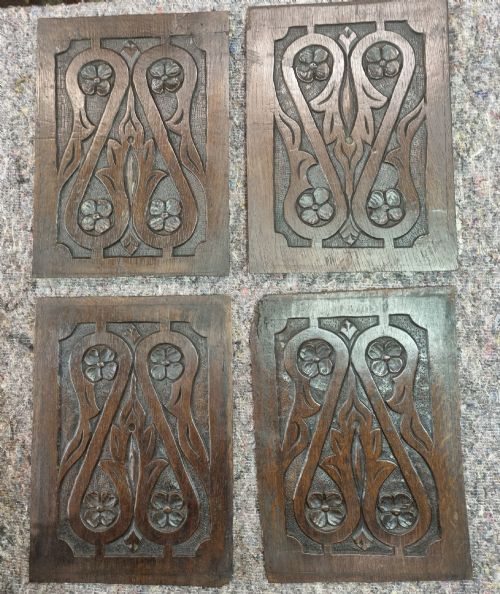
Carving techniques varied from strict symmetrical geometric repetitions, such as linenfold patterns and ceiling roses, to fluid figurative narratives depicting mythological scenes and human masks.
Hand Carved Oak Panel Retail Price Guide 2026
Typical asking prices for hand carved oak panel among the pieces listed under this phrase on Sellingantiques today, from the lower quarter to the upper quarter. They describe what is for sale here now, not the wider market.
Listed object types include architectural salvage, wall panels, ceiling bosses, friezes, and coat racks alongside integrated furniture.
Judging Quality and Depth
Quality rests primarily on the crispness and ambition of the chisel work, distinguishing dynamic high-relief figurative sculpture from stiff, mechanical repetition. The most accomplished panels demonstrate a deep understanding of human anatomy, drapery, and proportion within the dense grain of the timber.
The integrity of the surface skin and the honesty of the age matter immensely to collectors who value untouched patination over heavy modern intervention. Evidence of early tool marks, original fixings, and stable timber movement elevate an artefact well above later pastiches or heavily sanded surfaces.
The Hand Carved Oak Panel Glossary
- Linenfold
- A decorative motif carved onto wooden panels to imitate folded fabric or parchment. This style gained widespread popularity in Tudor interiors.
- Ceiling Boss
- A projecting block of carved wood placed at the intersection of ribs in a ceiling. These architectural elements frequently depict foliage, figures, or heraldic symbols.
- Frieze
- A wide central section of a wall or furniture piece decorated with carving or relief. Historical examples often incorporate running scrolls, grotesques, or figurative motifs.
- Terminal
- A pillar or pilaster that tapers toward the base, typically topped with a carved bust or figure. These architectural supports often frame larger sculptural compositions.
- Overmantle
- A decorative framework positioned directly above a fireplace opening. These assemblies frequently incorporate multiple carved panels, columns, and architectural mouldings.
Hand Carved Oak Panel: Frequently Asked Questions
How were these panels originally used?
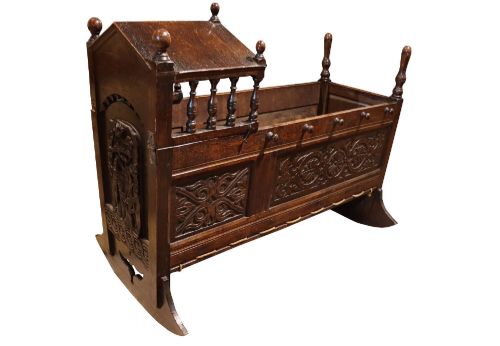
Historic panels formed structural components of larger architectural schemes, lining the interior walls of important secular and ecclesiastical buildings to provide insulation and display status. They also served as decorative elements on substantial furniture items such as coffers, wardrobes, and partner desks.
Over time, many of these architectural elements were salvaged from dismantled buildings and repurposed as standalone wall art or integrated into later decorative schemes.
Can I hang a heavy oak panel on a modern wall?
Mounting heavy timber requires careful assessment of both the panel's weight and the wall construction. Solid oak pieces often necessitate professional fixing directly into wall studs or masonry using appropriate metal brackets.
Consulting a specialist installer ensures the antique timber remains secure and undamaged by the hanging mechanism.
How do I clean and maintain antique oak?
Maintenance requires minimal intervention, typically limited to gentle dusting with a dry, soft cloth to prevent particulate accumulation in the carved recesses. Modern polishes and liquid cleaners should be avoided because they can penetrate unsealed historic wood and alter the natural patination.
Maintaining stable room humidity protects the timber from splitting or warping over time.
How do I distinguish seventeenth-century work from later revivals?
Distinguishing period work from later nineteenth-century revivals involves examining tool marks, timber shrinkage, and structural wear patterns. Early work often displays irregular hand-chiseled surfaces and pegged joinery consistent with historical hand tools rather than mechanical saws.
Comparing stylistic conventions and patination against documented museum examples provides further clarity on dating.