


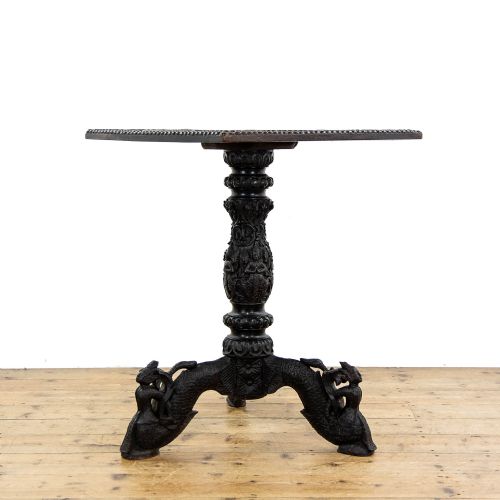


Hand Carved Chinese Tables
Hand carved Chinese tables bring intricate cultural motifs and dense timberwork into a room, offering both functional surface space and striking sculptural presence.
Hand Carved Chinese Tables
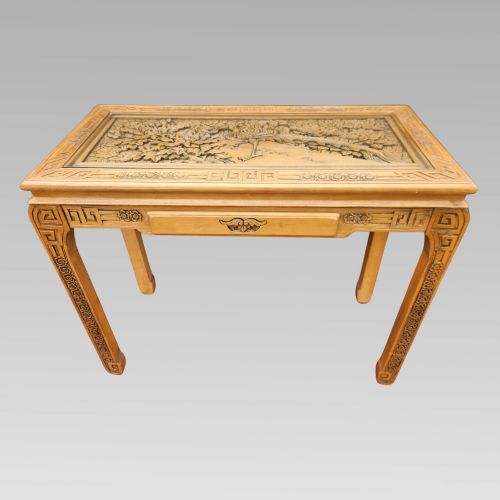
When you search for hand carved Chinese tables, you encounter a diverse array of forms designed for various domestic uses. The selection typically spans functional furniture such as side tables, coffee tables, nests of tables, and console tables.
Most examples you are likely to meet originate from the nineteenth and early twentieth centuries. These pieces reflect traditional craftsmanship through styles including Chinese Export, Qing Dynasty, and Chinoiserie.
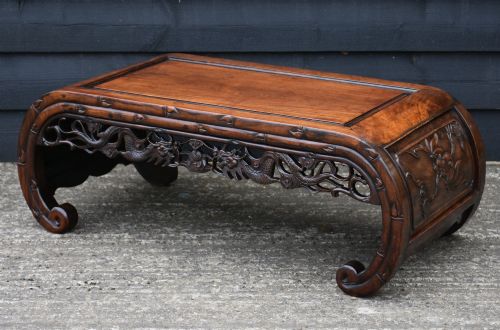
Beyond standard occasional and centre tables, the inventory incorporates specialised forms like plant stands and low opium tables. Each piece utilises traditional joinery and detailed surface carving to display distinct regional and period characteristics.
Materials and construction
The makers relied heavily on dense, durable timbers suited to intricate relief work. Rosewood, teak, camphorwood, and general hardwoods form the structural foundation of these tables.
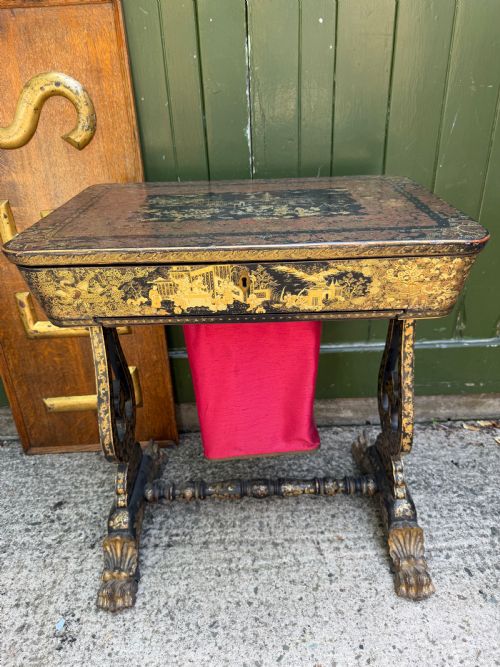
Skilled artisans employed precise hand-carving techniques to articulate complex motifs such as dragons and traditional figures. Surface enrichment often included lacquer work, gilded decoration, and occasionally inset marble panels to complement the carved wooden frames.
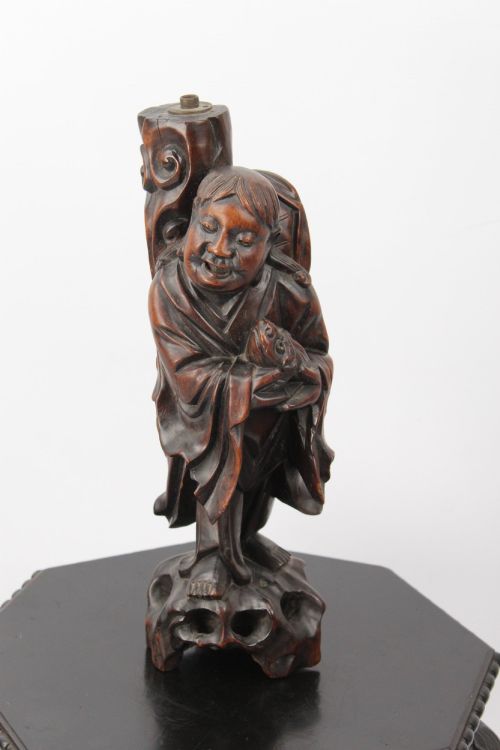
Among the seated immortals and roaring dragons, one solitary root wood table lamp waits patiently to illuminate the room.
Distinctions in quality
Quality in these tables rests upon the depth, sharpness, and vitality of the hand carving. Finer examples show crisp execution in repetitive motifs and organic subjects like dragons without stiffness or shallow definition.
The choice of material similarly dictates the tier of the piece, with dense rosewoods and heavy hardwoods commanding greater appreciation than softer woods. Furthermore, the integrity of the original joinery and the preservation of any lacquered or gilded surface finish determine the overall standard.
The Hand Carved Chinese Tables Glossary
- Hardwood
- Dense, slow-growth timber such as rosewood or teak that resists warping and supports fine, detailed carving. These woods provide the structural strength necessary for heavily decorated furniture.
- Chinoiserie
- European interpretation and imitation of Chinese artistic traditions and motifs, prevalent in decorative arts and furniture. It combines Western forms with Asian aesthetic elements.
- Opium Low Table
- A low-profile surface traditionally used in domestic settings for resting items or social gatherings. These pieces frequently incorporate distinctive recessed legs and subtle carving.
- Nest of Tables
- A set of graduated tables designed to stack neatly beneath one another when not in use. This practical form became particularly popular in hardwood variants during the late nineteenth and early twentieth centuries.
Hand Carved Chinese Tables: Frequently Asked Questions
What woods were used for hand carved Chinese tables?
The listings show a reliance on dense timbers, predominantly rosewood, teak, camphorwood, and general hardwoods.
These materials were chosen for their stability and ability to hold crisp, deep hand carving over centuries.
How do I date an antique Chinese table?
Dating relies on stylistic indicators, construction methods, and materials associated with periods like the Qing Dynasty or the nineteenth century.
Changes in carving styles and export trends help place an object within a specific decade or broader era.
Where were these tables placed originally?
These tables served various domestic functions, from central display surfaces in halls to low seating-level tables in living spaces.
Nests and occasional tables offered flexible utility for serving tea or displaying decorative objects.
What subjects appear in the wood carvings?
Common decorative motifs include powerful dragons, traditional figures, and intricate foliage patterns.
These symbols reflect cultural narratives and the aesthetic priorities of the period in which the furniture was made.