



Hand Carved Accent Table
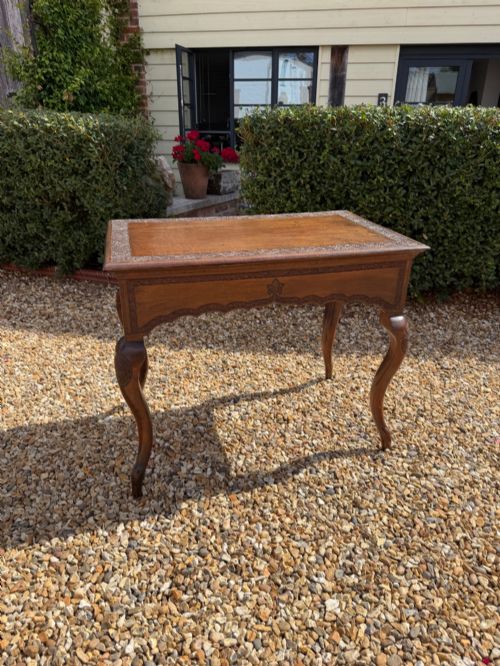
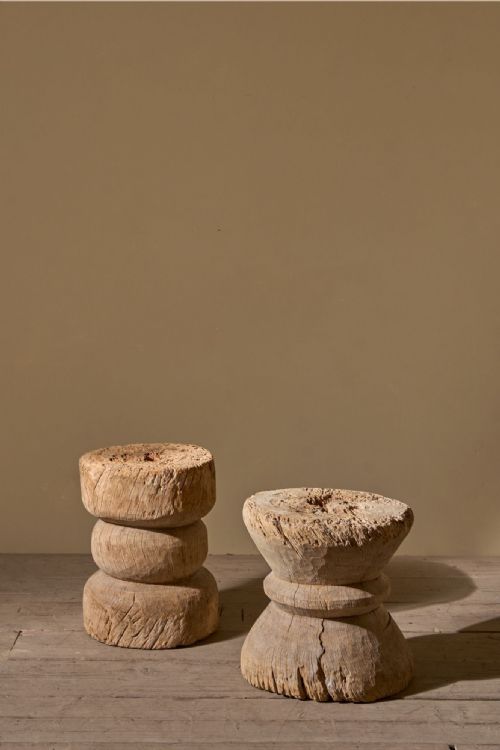
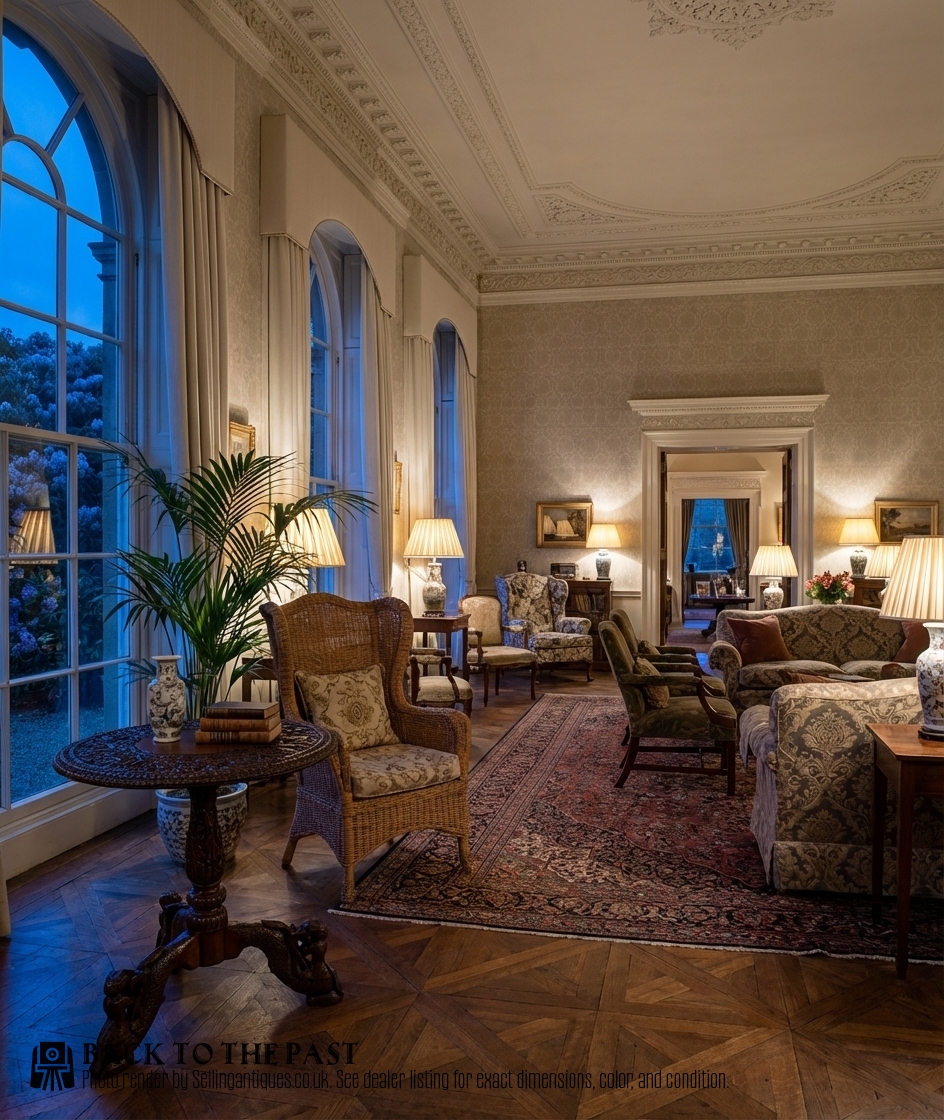
A hand carved accent table brings deep relief work and rich timber into a room, offering surface space with genuine character.
What They Are
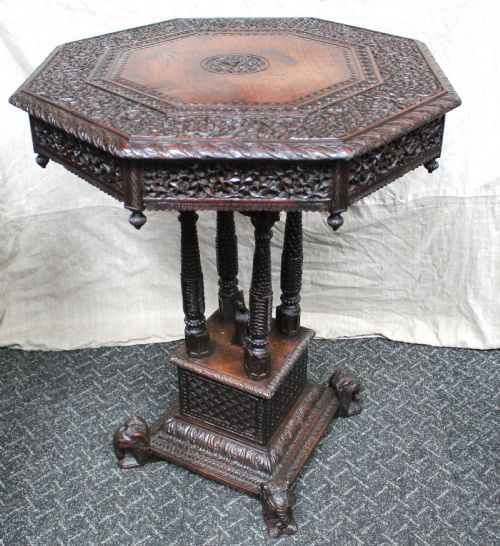
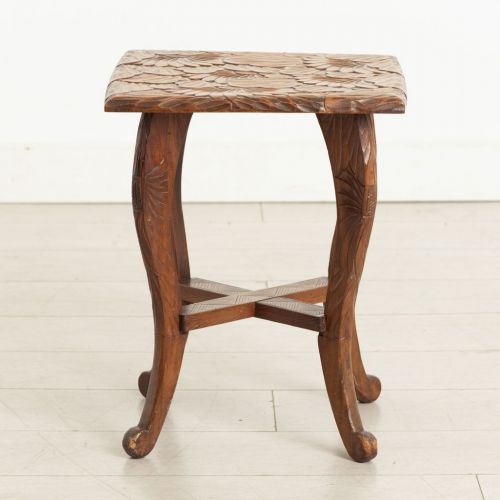
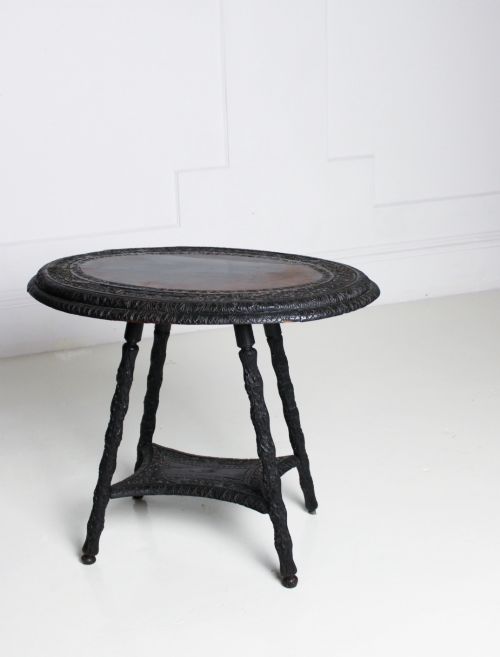
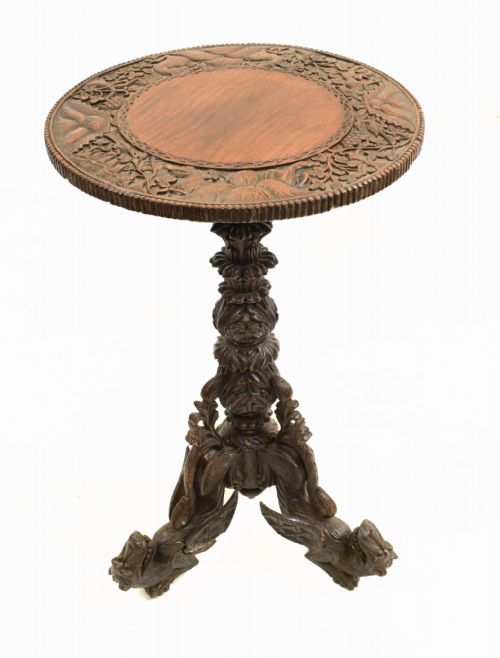
A hand carved accent table encompasses occasional tables, side tables, and coffee tables shaped by intricate hand chiselling. These pieces frequently emerge from nineteenth century and early twentieth century traditions, spanning Anglo-Indian, Chinese Export, and Anglo-Burmese origins.
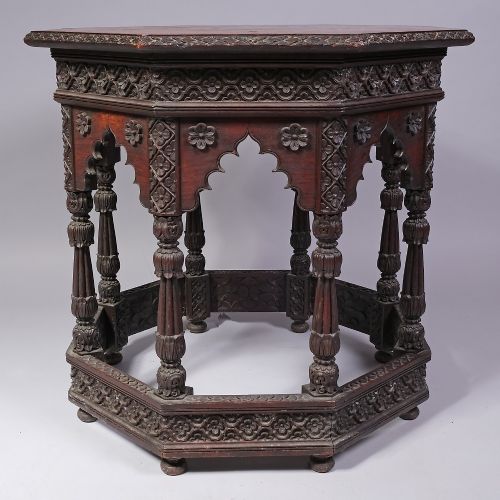
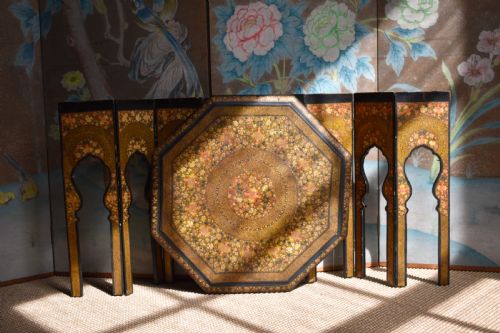
Buyers meet forms ranging from octagonal occasional tables to low coffee tables designed for everyday placement. The construction relies heavily on distinct regional motifs, from dense Indian foliage patterns to traditional Chinese export carving.
How They Were Made
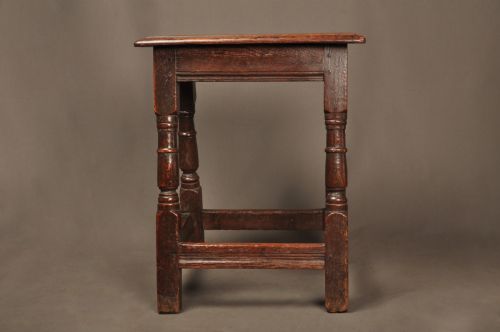
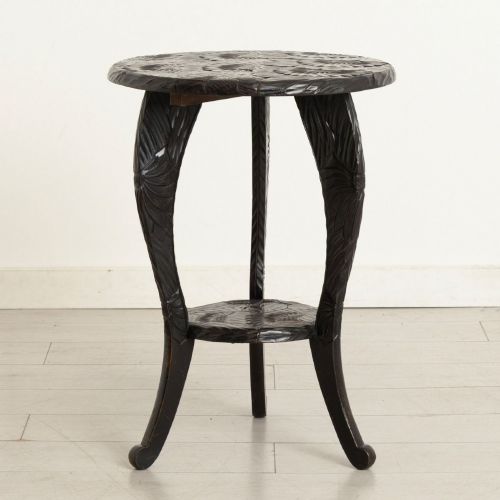
Artisans utilised dense hardwoods including teak, oak, rosewood, and timber veneer to form the structural base of each table. Ebonised wood finishes occasionally appear alongside intricate bone inlay work set directly into the timber surface.
Woodworkers carved motifs by hand using traditional chisels and gouges, producing deeply textured surfaces across tops and pedestals. Bobbin turned elements appear on specific frames, created through specialised lathe work.
Retail Price Guide 2026
Typical UK retail prices for hand carved accent table, calculated from the Sellingantiques database of over a million retail prices indexed since 2003. This retail price guide relies exclusively on Sellingantiques data; no external sources or auction records are used, so the figures do not describe the wider market.
Current listings feature hardwood, teak, oak, rosewood, ebonised wood, bone inlay, and timber veneer across nineteenth and early twentieth century periods.
What Varies in Quality
Quality rests in the depth and crispness of the hand carving, where sharper chisel work separates superior examples from softer, shallower execution. The complexity of the overall design, such as fully detailed octagonal tops versus plain surfaces, dictates the visual weight.
The choice of material heavily influences the piece, with dense rosewood and teak outlasting simpler timber veneers. Integrated details like precise bone inlay demand high technical skill, elevating the sophistication of the construction.
The Hand Carved Accent Table Glossary
- Anglo-Indian
- A descriptive term for decorative arts produced in India during the British period, combining local craftsmanship with British furniture forms.
- Bobbin turned
- A method of woodturning that creates a series of rounded spheres or discs along a length of timber, resembling a string of bobbins.
- Bone inlay
- A decorative technique where small pieces of carved bone are embedded into recesses within a wooden surface to form geometric or floral patterns.
- Occasional table
- A small, movable table designed for intermittent use in a living space, often functioning as a side or display surface.
- Ebonised
- Wood that has been chemically or physically treated to mimic the dark, dense appearance of ebony.
Frequently Asked Questions
What is a hand carved accent table?
A hand carved accent table is a small occasional, side, or coffee table shaped through manual woodworking and detailed chisel work. These pieces draw on historical traditions from India, China, and Burma.
They serve practical needs in modern rooms while introducing heavily patterned timber surfaces and intricate relief carvings.
How do I use an accent table?
These tables function effectively beside seating as a surface for lamps, books, or cups. Their decorative carved tops allow them to stand alone as focal points.
Positioning them away from direct heat sources helps protect the dry hardwood and delicate inlay work from movement.
What woods were used for these tables?
Maker workshops utilised durable hardwoods including teak, oak, and rosewood alongside basic timber veneer. Ebonised finishes and bone inlay were frequently applied to enhance visual contrast.
Each material responds to the carving process differently, yielding varied textures across different regional styles.
How are different periods identified?
Periods are identified through construction traits, regional styles, and material choices associated with the nineteenth and early twentieth centuries. Pieces labelled nineteenth century often display traditional Burmese or Indian colonial carving methods.
Later pieces from the early twentieth century introduce variations like ebonised surfaces and low coffee table heights.