



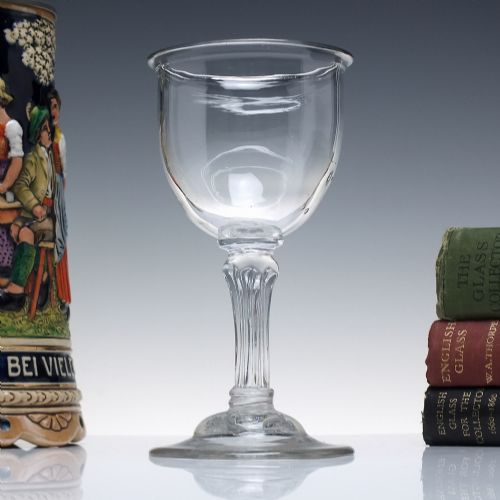
Hand Blown Wine Goblet
These hand blown wine goblet pieces bring tactile historical character to the table through centuries of glassmaking tradition.
Hand Blown Wine Goblet
A hand blown wine goblet bridges functional diningware and historical display, offering tangible connection to past drinking customs. Buyers seek these items to bring period authenticity and distinctive silhouettes to modern settings.
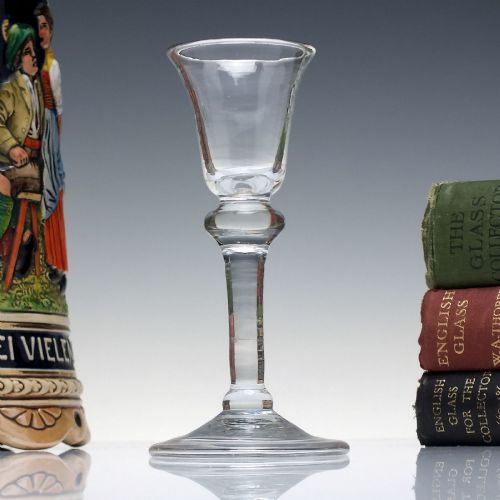
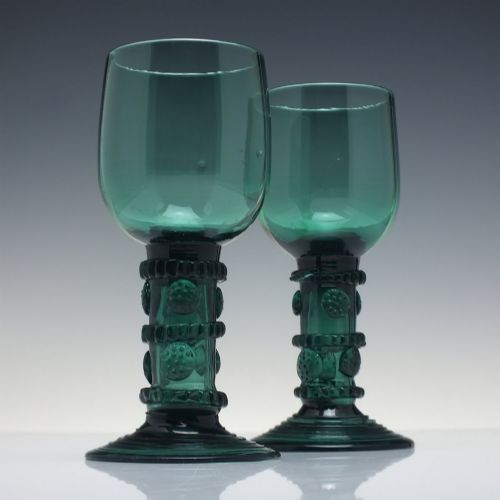
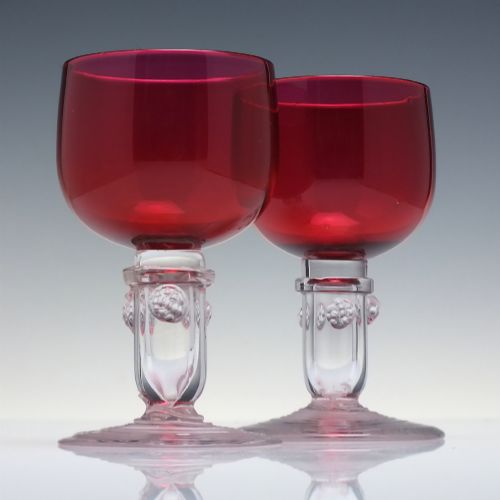
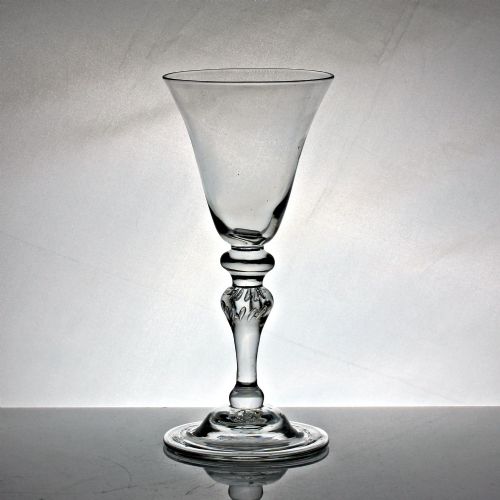
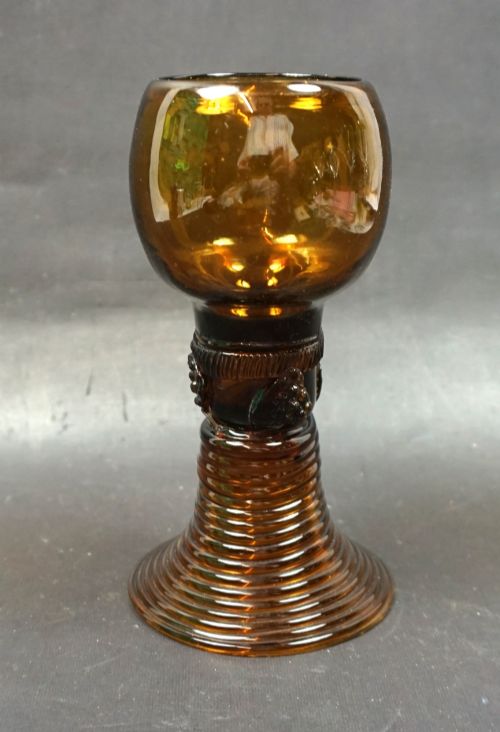
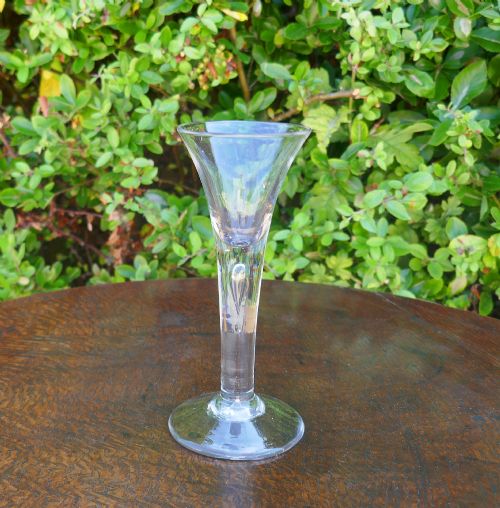
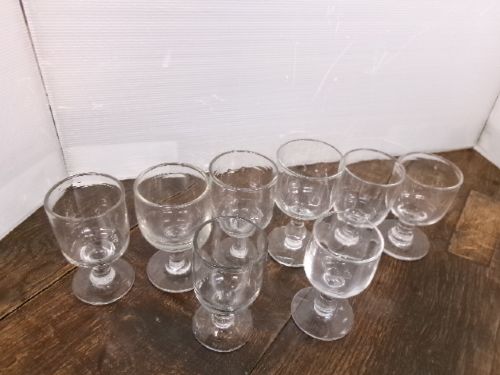
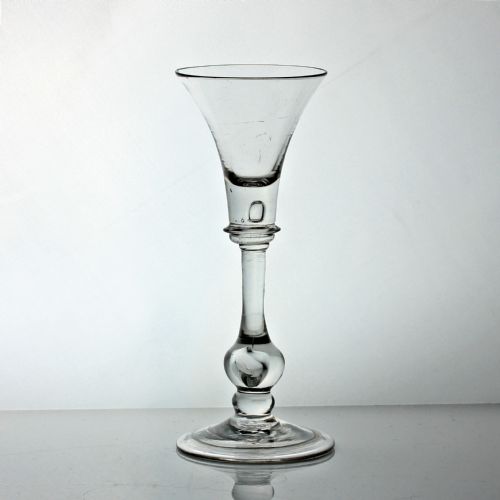
Georgian and 18th Century examples dominate the selection, alongside Victorian sets and later Edwardian variations. Forms range from heavy tavern rummers and balustroid wine glasses to delicate cordial vessels and tall green export roemers.
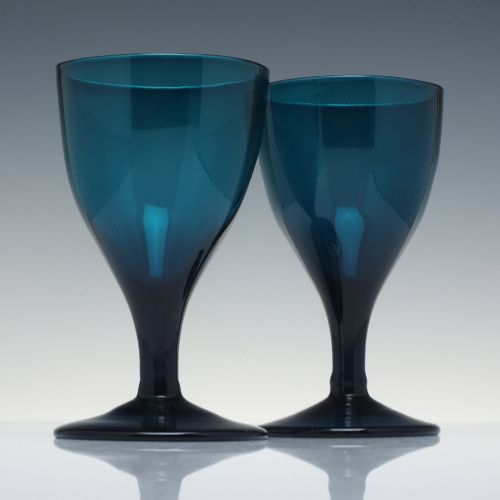
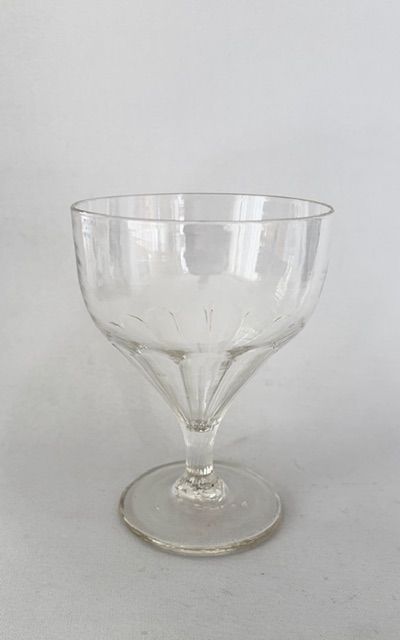
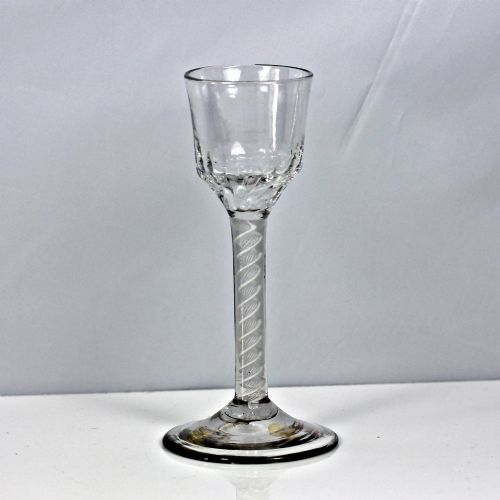
Moulded bowls, air-teared stems, and varied hues such as turquoise, cranberry, and Bristol green define the visual variety available. Pieces appear individually, in pairs, or in larger matched sets suitable for display or occasional use.
Materials and production techniques
Makers utilised lead glass, clear glass, and coloured glass, shaping molten material by hand and mouth-blowing it into moulds or free-forming the vessel. Complex stems required specialised manipulation to incorporate air bubbles, twists, and baluster profiles.
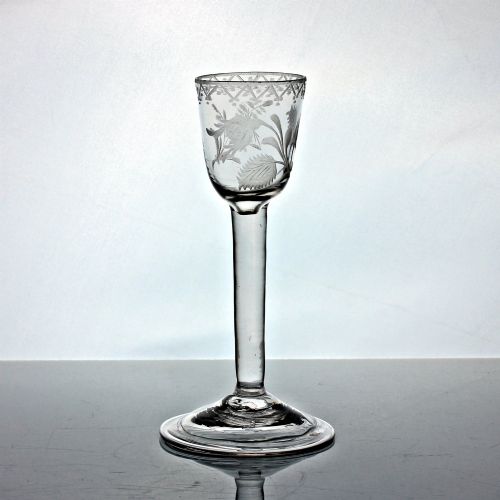
Decorations often involved optical moulding, wrythen fluting, and enamel applications applied while the glass remained malleable. Pontil marks on the undersides of feet confirm the manual separation of the vessel from the blowing iron.
Hand Blown Wine Goblet Retail Price Guide 2026
Typical asking prices for hand blown wine goblet among the pieces listed under this phrase on Sellingantiques today, from the lower quarter to the upper quarter. They describe what is for sale here now, not the wider market.
Listings feature lead glass and coloured glass items spanning Georgian, Victorian, and Edwardian periods.
Assessing quality in antique drinkware
The clarity of the glass, the depth of the applied colour, and the absence of distracting accidental flaws differentiate standard utilitarian drinkware from finer cabinet pieces.
The Hand Blown Wine Goblet Glossary
- Baluster
- A heavy, swelling stem form reminiscent of architectural balusters, common in early eighteenth-century drinking vessels.
- Pontil mark
- The rough scar left on the base of a vessel where the punty rod was detached after blowing.
- Roemer
- A large, historically German or Dutch style of drinking glass featuring a patterned or hollow stem.
- Rummer
- A short, sturdy type of drinking glass with a large bowl, popular for heavier wines and punch during the Georgian and Victorian eras.
- Wrythen
- A decorative spiral moulding or ribbing twisted around the body of a glass bowl or stem.
Hand Blown Wine Goblet: Frequently Asked Questions
How do I date an old wine glass?
Dating relies on combining stylistic clues such as bowl shape, stem construction, and foot profile with the type of metal used. Early pieces often feature heavy baluster stems or distinct air twists, while later Victorian items show different colour palettes and manufacturing marks.
Examining the base for a rough pontil mark also helps establish whether a piece predates the widespread adoption of nineteenth-century machine grinding.
Can I use antique goblets for drinking?
Many collectors use sturdy Georgian rummers and Victorian wine glasses for special occasions, treating them with the care required by fragile historical items. Hand washing in lukewarm water without harsh detergents protects the glass.
Delicate eighteenth-century glasses with air twists or enamel work are better suited to careful display than regular dining use.
What is an air twist stem?
An air twist stem contains elongated bubbles or threads of air trapped inside the glass stem during manufacture. Makers created these by drawing and twisting the hot glass to form helical patterns.
This technique required high skill and remains a defining characteristic of mid-eighteenth-century English drinking glasses.
Why are some glasses coloured?
Coloured glass was produced by adding metallic oxides to the molten batch, yielding shades like cranberry, Bristol green, and turquoise. These hues served both aesthetic and practical purposes, often hiding impurities in early metal.
Specific colours frequently point toward particular periods, such as deep cranberry in Victorian settings or rich green in Georgian export items.