

Hallway Pendant Lighting
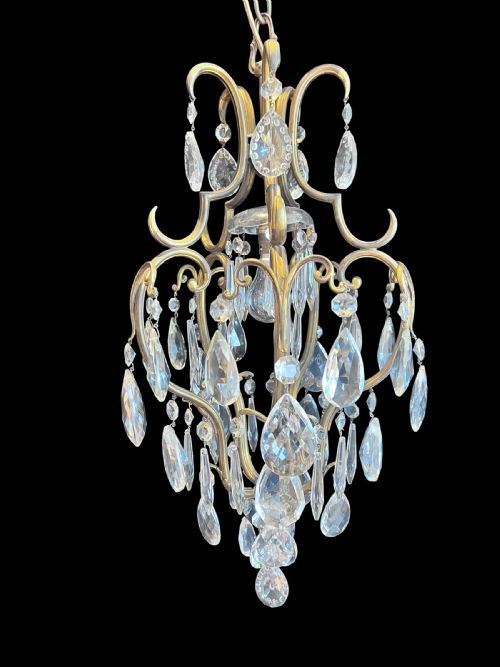
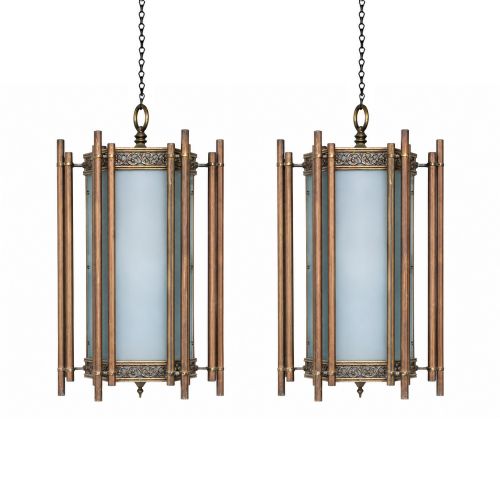
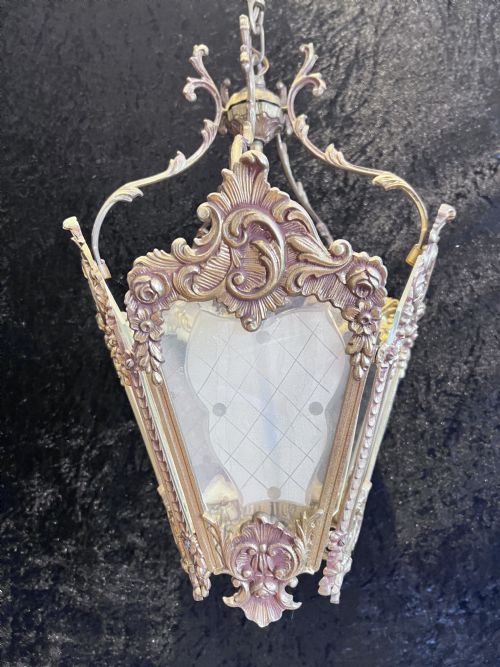
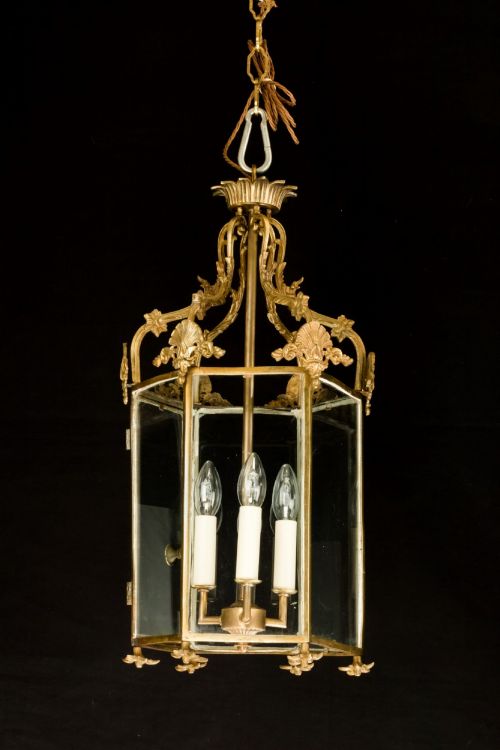
These hallway pendant lighting pieces bring period character to entrance spaces through historic brass frames, cut glass prisms and authentic lantern forms.
Hallway Pendant Lighting
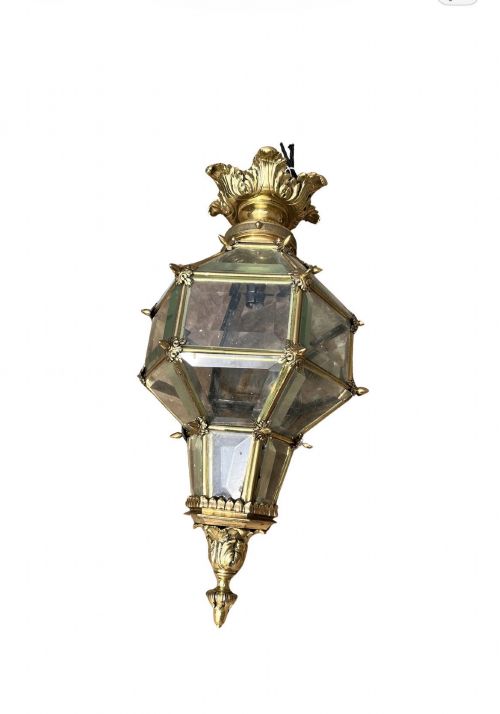
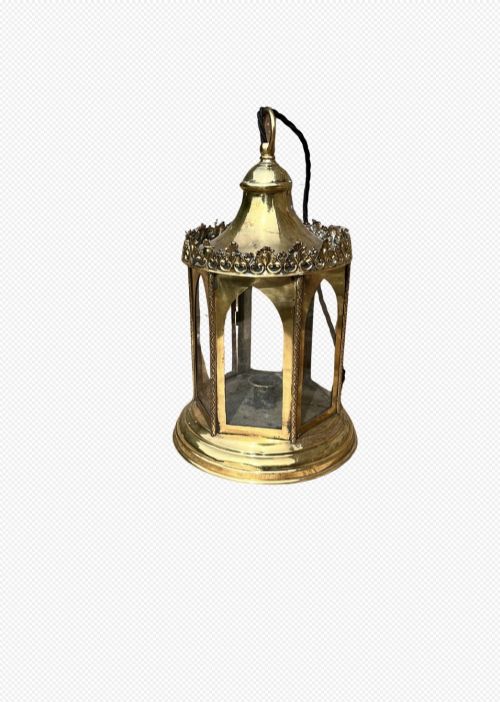
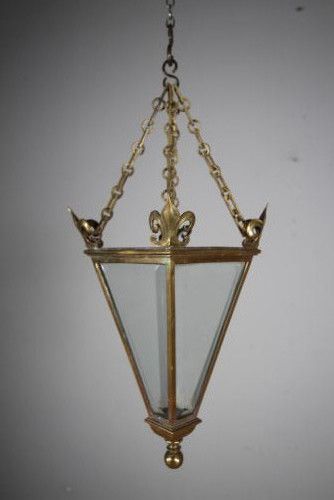
Hallway pendant lighting comprises ceiling-hung fixtures designed for narrow passageways, predominantly taking the form of enclosed lanterns, bag chandeliers and single-light pendants. The selection leans heavily towards early twentieth-century examples, alongside Victorian and nineteenth-century pieces.
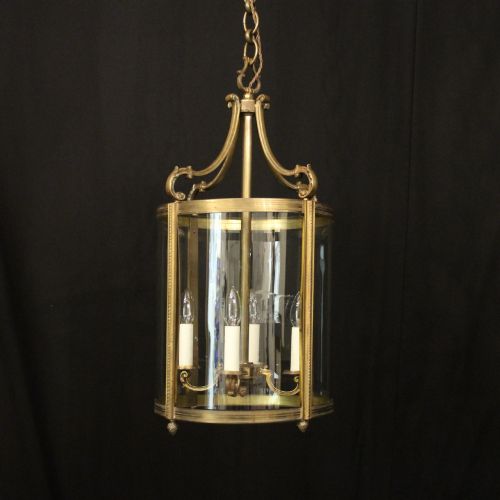
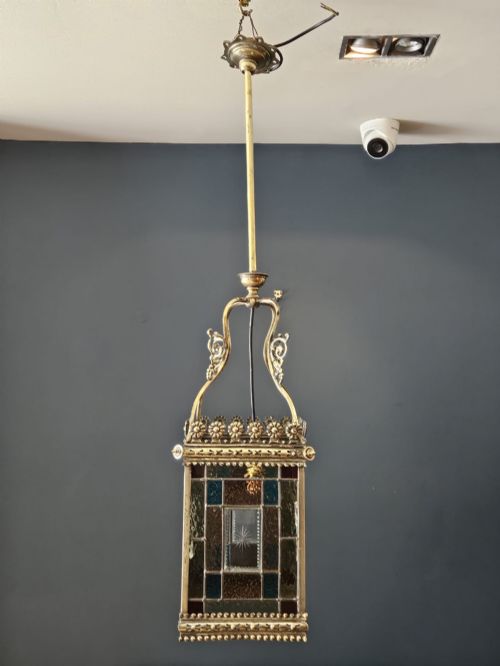
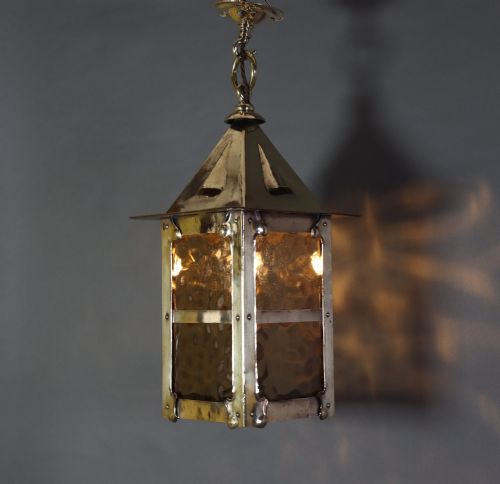
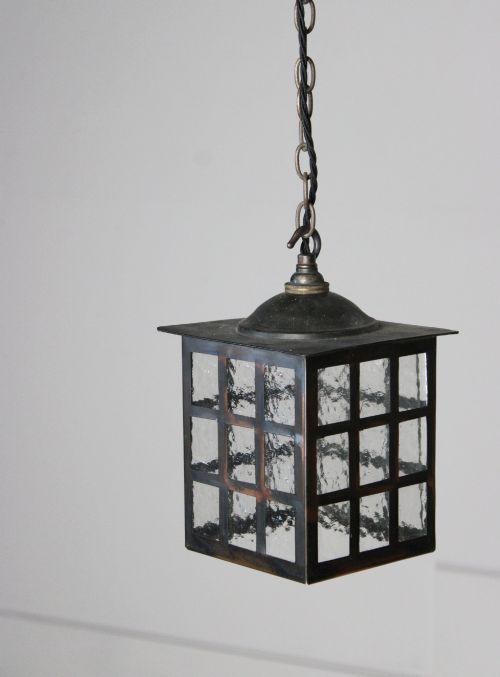
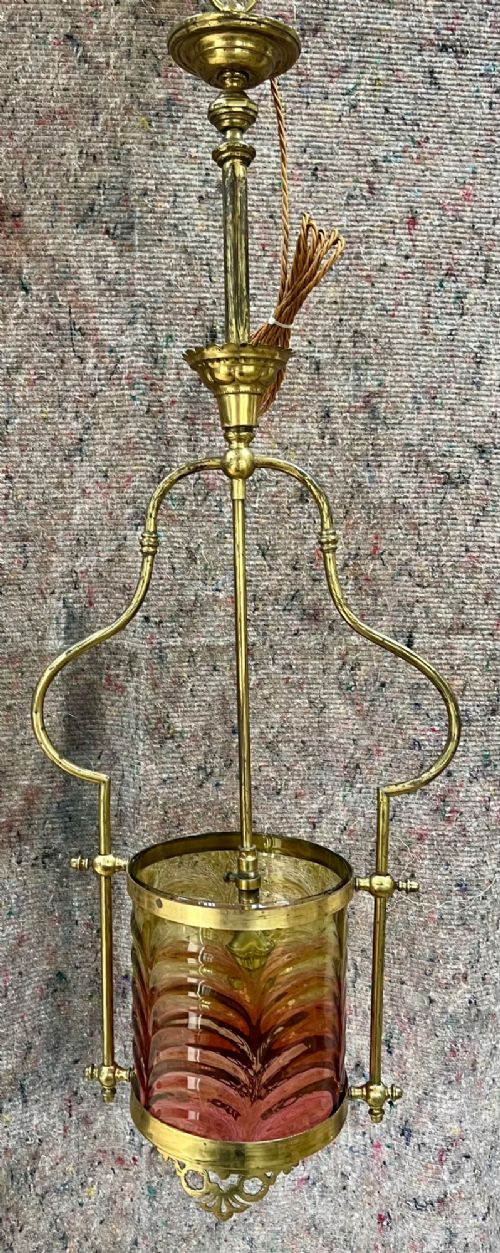
Framed glass lanterns represent the most common format within this category, often featuring hexagonal or dome-top profiles. These fixtures draw upon stylistic influences ranging from Arts and Crafts and Art Nouveau to French Rococo and Gothic Revival.
Smaller scale options appear frequently, alongside occasional monumental pairs intended for substantial entrance halls. Materials span from brass and wrought iron to gilt bronze and copper.
Materials and construction methods
Makers constructed these fixtures primarily using structural frames of cast or sheet brass, bronze, and wrought iron to hold glass panes securely. Lead glass, cut crystal, and moulded opaline glass panels were then fitted into the metal armatures.
Decorative detailing relied on mechanical joining, soldering, and hand-finishing of metalwork, alongside precision cutting of glass prisms and bead chains. Many surviving pieces retain evidence of early electrical conversion alongside original candle-burning apertures.
The selection spans from the nineteenth century through to the 1930s, featuring glass, brass, crystal, and wrought iron.
Distinguishing quality in period fixtures
Quality rests on the heaviness of the metal casting, the clarity and weight of the cut glass or crystal, and the crispness of decorative motifs such as brass ornamentation and wrought iron work. Substantial frames with tight joinery separate high-grade workshop production from lighter commercial output.
The sophistication of the glass components, including bevelled edges, leaded stained glass, and detailed moulding, dictates the refinement of the piece. Original patination on bronze and brass surfaces further distinguishes superior examples.
Voysey·F&C Osler
The Hallway Pendant Lighting Glossary
- Pfalonnier
- A ceiling-mounted flush or semi-flush light fitting with a glass bowl enclosing the bulbs. This style sits close to the ceiling rather than hanging on a long chain.
- Bag chandelier
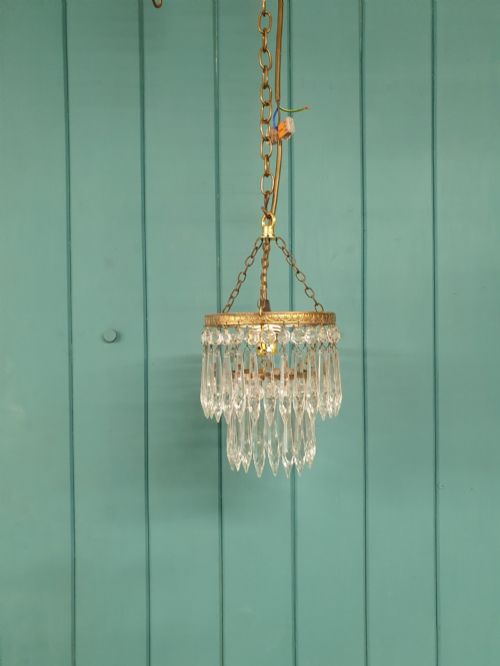
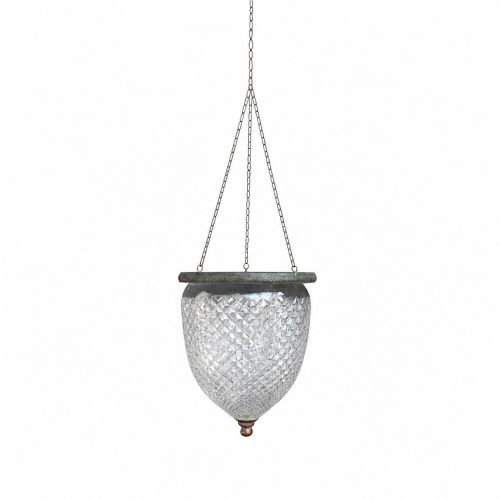
- A light fixture featuring cascading glass beads or crystal drops gathered in a tapered bag shape below a metal crown. They create concentrated sparkle in confined spaces.
- Hall lantern
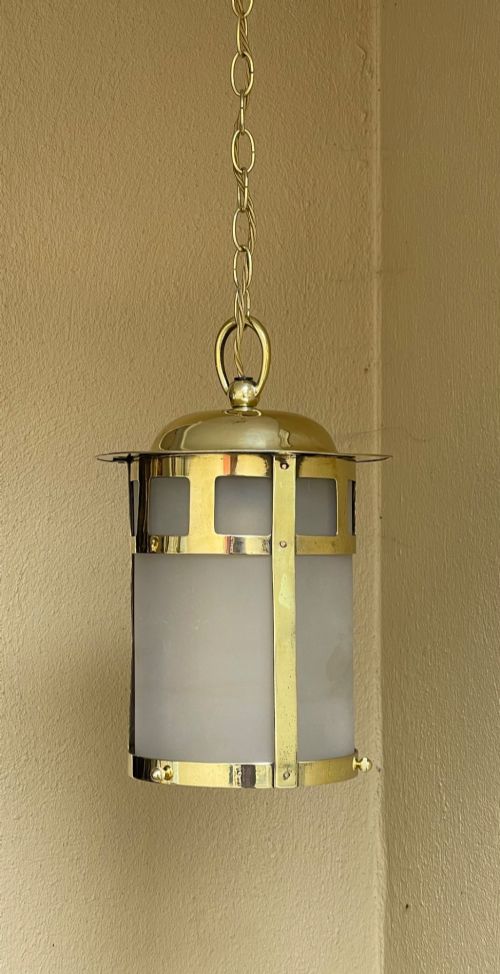
- An enclosed hanging light designed specifically for corridors and vestibules, usually featuring glazed panels within a metal frame. They protect the light source from drafts.
- Opaline glass
- A pale, translucent milk glass popular in twentieth-century lighting. It diffuses light softly to reduce glare in smaller rooms.
- Gilt bronze
- Bronze metal treated with a thin layer of gold or gold-coloured alloy. This finish provides a warm, lasting lustre resistant to heavy tarnish.
Hallway Pendant Lighting: Frequently Asked Questions
How do I choose the right size hallway pendant?
Consider both the ceiling height and the floor area of your entrance space before selecting a fixture. Smaller domes and bag chandeliers suit lower ceilings, while larger lanterns require adequate vertical clearance.
Proportion remains key to ensuring the light complements rather than overwhelms the corridor width. Review the stated dimensions of the metal frame and drop length carefully.
Are these antique lanterns suitable for modern wiring?
Most period hanging lights have undergone rewiring or can be adapted safely by a qualified electrician to meet current standards. Original internal lampholders are often updated while preserving the exterior historic shell.
It is advisable to check the internal space for bulb clearance before installation. Professional fitting ensures the weight of heavy brass and iron frames is supported securely.
How do I clean and maintain antique glass and brass?
Dust glass panels and crystal prisms regularly with a soft, dry cloth to maintain their clarity and brilliance. Avoid harsh chemical cleaners that can strip the natural aged patina from brass and bronze frames.
For intricate cut glass or beaded bag chandeliers, specialist glass cleaning sprays applied to a cloth prevent moisture seeping into old metal joints.
How can I tell an Edwardian lantern from a Victorian one?
Victorian hall lanterns often display heavier structural ironwork or ornate cast brass with Gothic or classical Revival influences. They frequently show construction methods suited to early gas or candle use.
Edwardian and later pieces frequently introduce lighter Arts and Crafts simplicity, Art Nouveau curves, or refined cut glass crystal spires. Examining the joinery and glass thickness helps indicate the manufacturing era.