
Cut Crystal Pendant
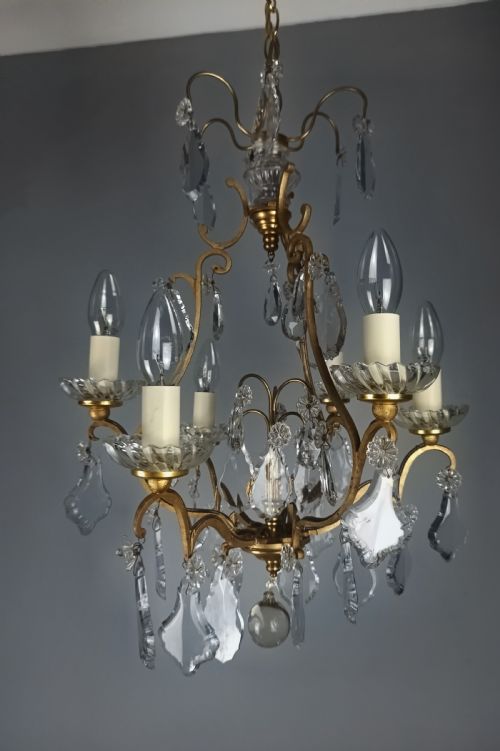
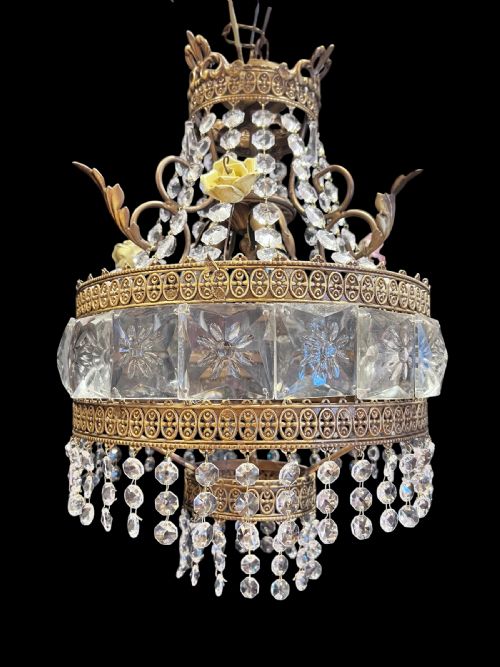
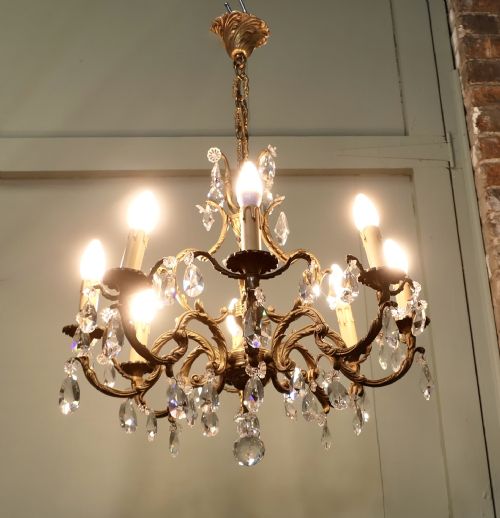
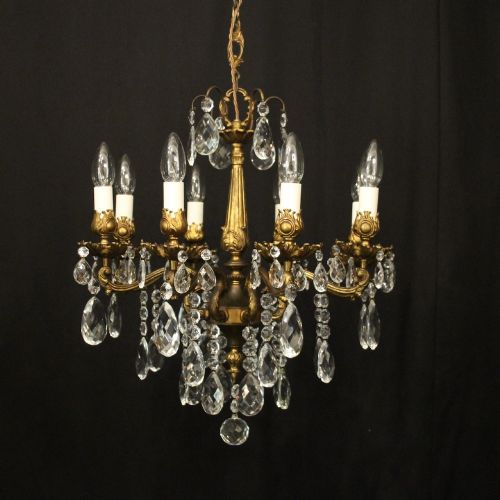
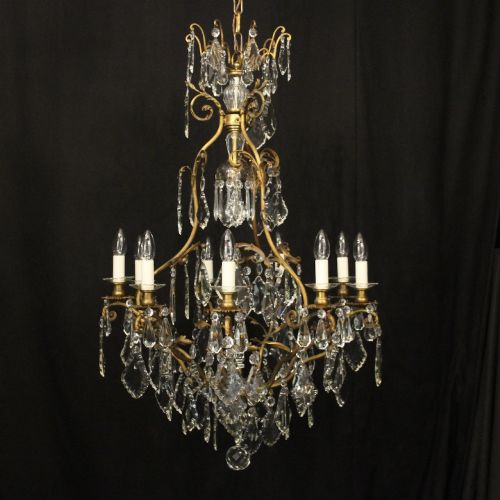
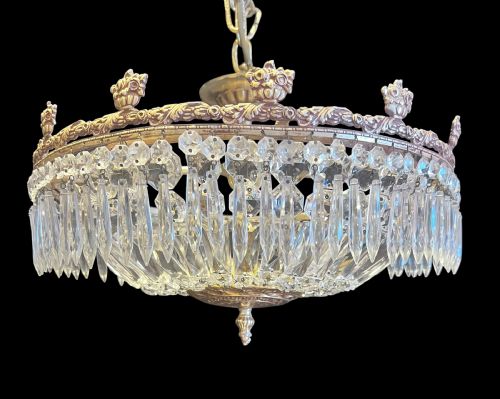
These cut crystal pendant fixtures bring prismatic sparkle to a room, drawing the eye upwards with their brilliant glass facets.
Cut Crystal Pendant
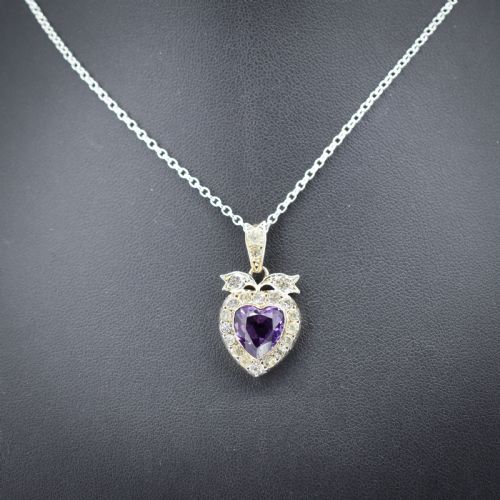
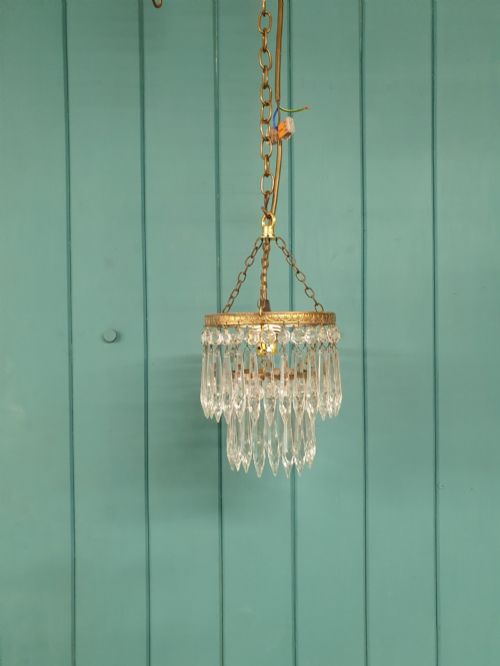
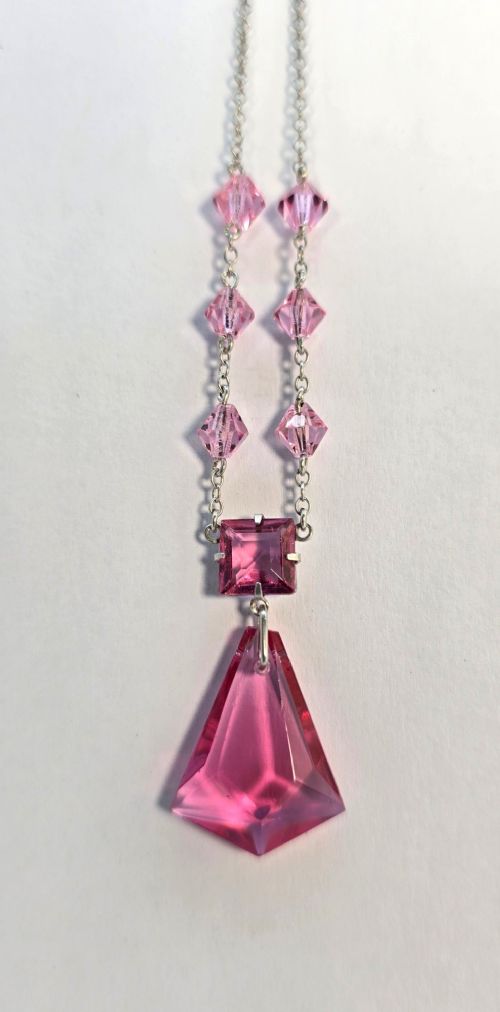
A cut crystal pendant search reveals hanging ceiling fixtures and individual necklaces, spanning Edwardian, Victorian, and early twentieth-century periods.
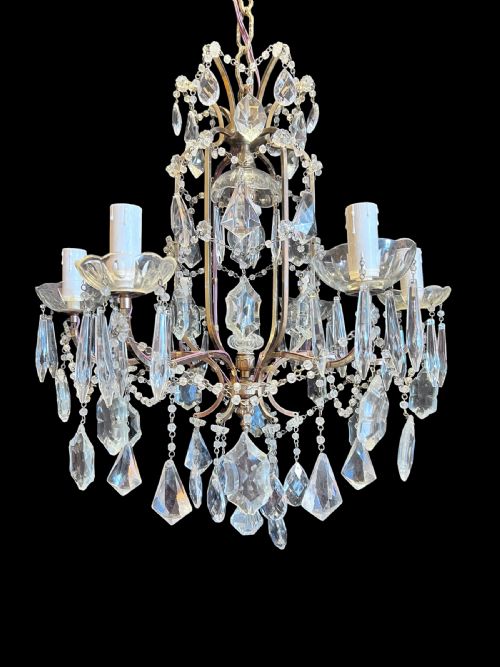
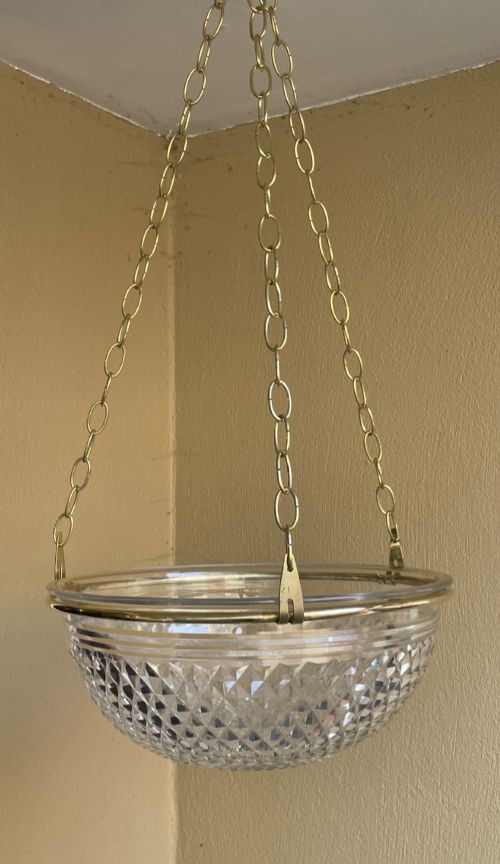
The ceiling fixtures appear most frequently as single-light or small multi-arm hanging lights, often featuring brass or silver-plated galleries.
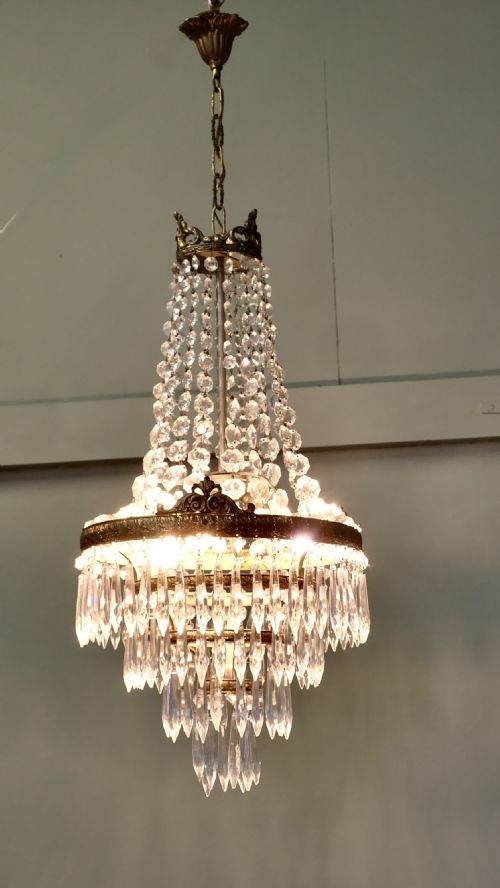
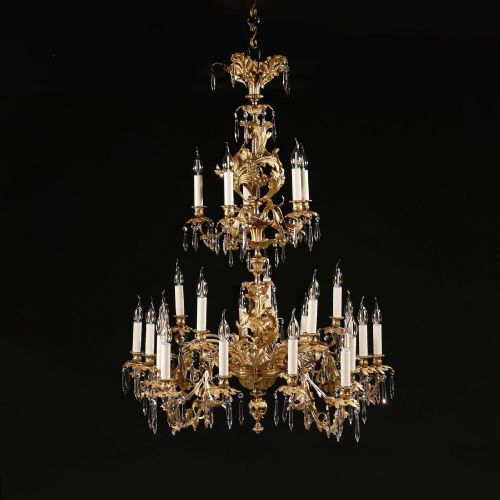
Makers utilised various forms ranging from simple glass domes to elaborate tiered chandeliers and small pendant lights.
Materials and Construction
Craftsmen shaped these objects using cut glass, lead crystal, and rock crystal, supported by brass, bronze, silver, and gilt metal frames.
Components such as lustres, drops, and prisms were hand-cut to maximise light refraction, then secured to metal galleries and frames.
Cut Crystal Pendant Retail Price Guide 2026
Typical asking prices for cut crystal pendant among the pieces listed under this phrase on Sellingantiques today, from the lower quarter to the upper quarter. They describe what is for sale here now, not the wider market.
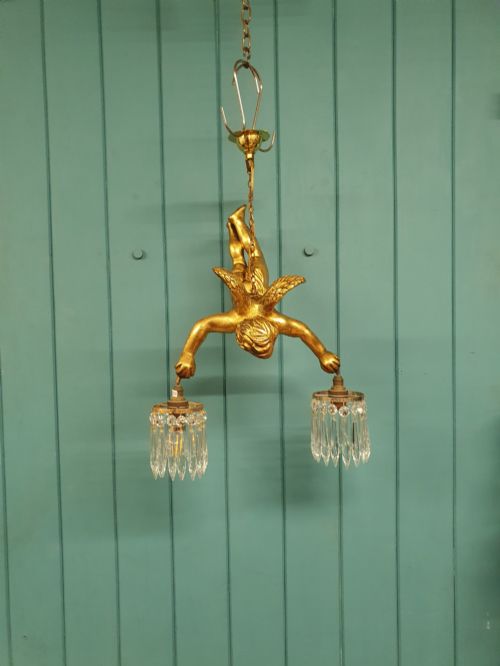
Several chandeliers incorporate playful brass cherubs and lion masks amongst the sparkling crystal spikes.
Assessing Quality
Quality depends upon the clarity of the glass and the precision of the cutting on each crystal facet.
Substantial metalwork, original brass galleries, and intact drop arrangements elevate the distinction of the piece.
The Cut Crystal Pendant Glossary
- Plafonnier
- A ceiling light that sits flush or close to the ceiling surface. This form directs illumination downwards into the room.
- Lustre
- A cut crystal pendant drop hung from a chandelier or light fixture. These elements catch and scatter light.
- Tent and bag
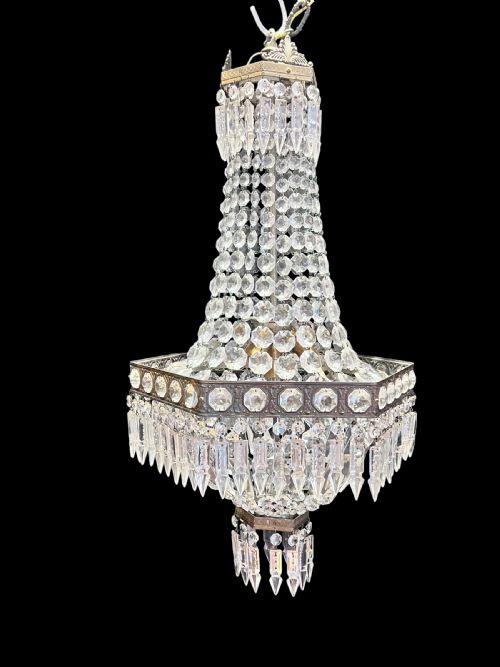
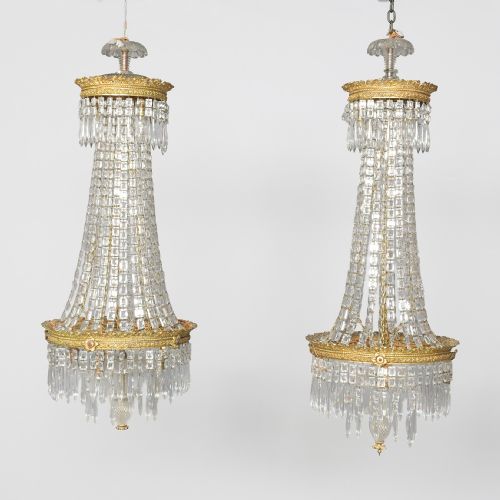
- A chandelier style featuring a triangular upper section of strings of beads above a gathered bag of crystal drops. This arrangement creates a cascading silhouette.
Cut Crystal Pendant: Frequently Asked Questions
How do I hang a pendant light?
Pendant ceiling lights suspend from a wired flex or chain attached to a ceiling rose. They require secure anchoring to a ceiling joist for safety.
Electrical connection should follow standard wiring practices, often utilising an original or compatible brass gallery to conceal the fixings.
What periods do these pieces date from?
The inventory spans the nineteenth century through the Edwardian era and into the 1920s and 1930s. Styles range from French Empire and Rococo Revival to simpler early twentieth-century designs.
Earlier nineteenth-century examples often display heavier cast bronze or gilt metal frames alongside deep hand-cut crystal.
Are these lights rewired for modern use?
Many hanging pendant lights in the archive record recent rewiring to meet contemporary electrical standards. Buyers often check internal wiring before installation in a room.
Original brass galleries and metal components generally remain intact while internal lamp holders are updated.
How do I clean cut crystal?
Crystal pendants and lustres require gentle cleaning with warm water and mild soap to preserve their brilliance. Metal frames need care to avoid harsh chemical exposure.
Removing individual glass drops allows thorough cleaning of both the facets and the connecting brass pins.