



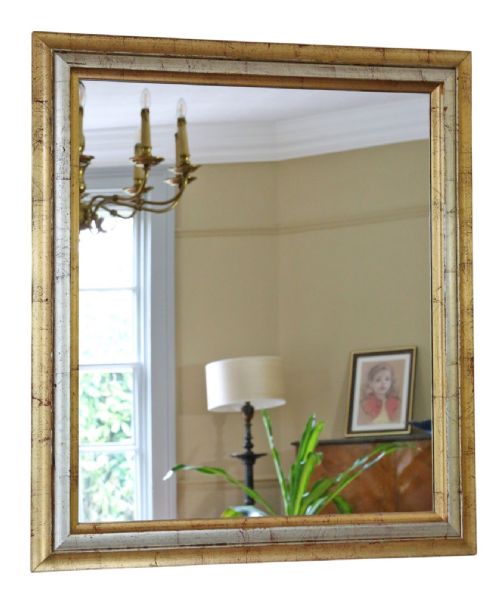


Hallway Accent Mirror
These hallway accent mirror pieces bring immediate light and focus to a narrow entrance space, combining practical reflection with period character.
What these pieces are
A hallway accent mirror serves as a functional and decorative focal point within an entrance space, utilising reflective glass to expand the visual field of narrow corridors. These furnishings span several distinct historical eras, ranging from eighteenth-century Georgian forms to mid-century examples.
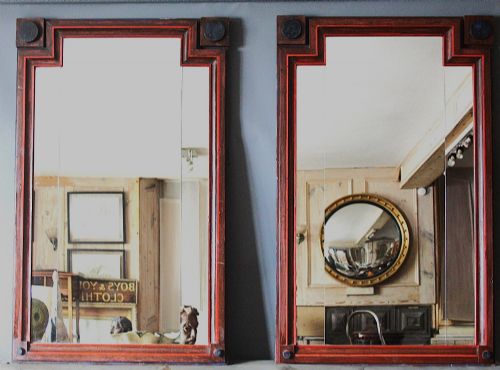
The selection encountered on this page includes robust oak frames from the late nineteenth century alongside elaborate Victorian Rococo Revival and French Empire pieces. Buyers frequently encounter styles influenced by classic European design traditions and geometric Art Deco aesthetics.
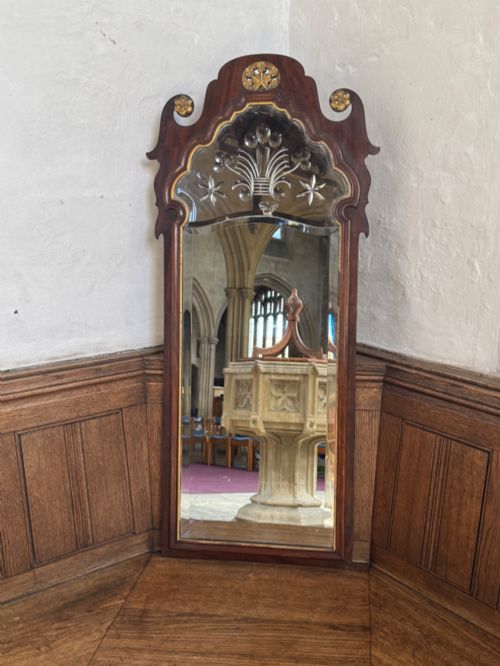
Wall mirrors dominate the available inventory, featuring formats like the parcel gilt pier mirror with reverse cut plate. Each object relies on specific period materials to establish its visual presence in a hallway setting.
How they were made
Cabinetmakers constructed these frames using timber species such as oak, mahogany, and burr walnut, often applying giltwood or parcel gilt details to enhance the visual depth. The integration of silvered glass plates provides the primary reflective surface across the various periods.
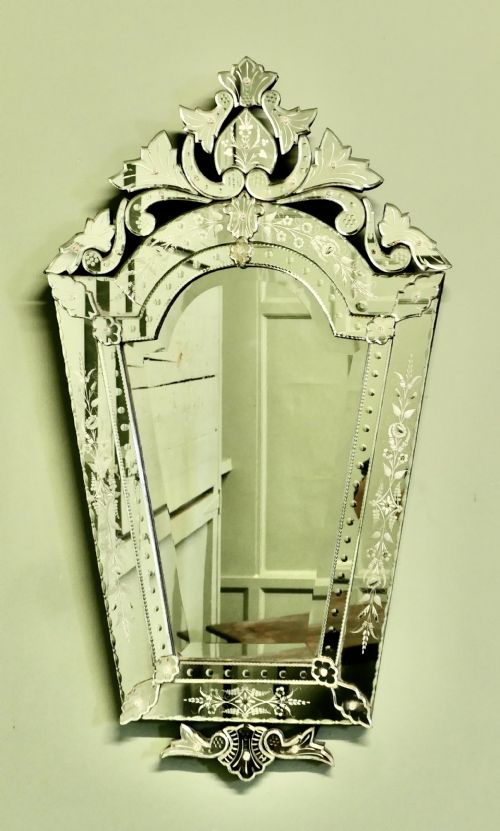
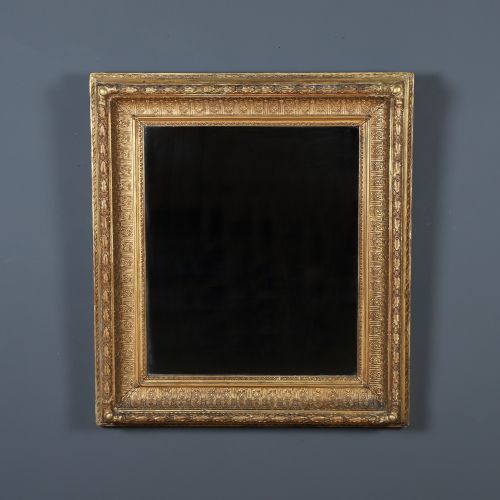
Decorative techniques involve carving, moulding, and applying gold leaf to wood substrates to achieve the characteristic finishes seen in Georgian and Victorian workshops. Artisans also utilised specialist glass-cutting methods, including reverse cut plates, to add intricate surface detail.
Retail Price Guide 2026
Typical UK retail prices for hallway accent mirror, calculated from the Sellingantiques database of over a million retail prices indexed since 2003. This retail price guide relies exclusively on Sellingantiques data; no external sources or auction records are used, so the figures do not describe the wider market.
A charming Art Deco Venetian mirror sits comfortably alongside eighteenth-century Georgian ancestors, proving that great glass transcends its decade.
What varies in quality
The distinction between standard examples and superior pieces rests upon the precision of the frame construction and the fineness of the original gilding or timber grain. Burr walnut and detailed parcel gilt work indicate a higher level of craftsmanship from the maker.
The clarity and condition of the glass plate, particularly in pieces featuring reverse cut decoration, significantly influence the overall character and visual impact of the mirror.
The Hallway Accent Mirror Glossary
- Pier mirror
- A tall wall glass designed specifically to hang on the narrow wall space between windows. These pieces often feature decorative crests and elaborate frames.
- Parcel gilt
- A decorative technique where only specific portions of a wooden frame are gilded with gold leaf, leaving the underlying wood grain exposed elsewhere. This highlights carved details.
- Burr walnut
- A prized timber veneer obtained from the gnarled growths of walnut trees, displaying intricate, swirling grain patterns. It was favoured for high-status furniture.
- Reverse cut plate
- A glass plate where the decorative motif is incised into the back of the glass, creating a layered, three-dimensional visual effect when viewed from the front.
Frequently Asked Questions
How do I hang a heavy antique mirror safely?
These large wooden and gilt frames require secure fixing directly into wall studs or the use of appropriate masonry anchors to support their substantial weight.
Professional mirror fixings and heavy-duty picture wire or brackets ensure the piece remains stable against the wall.
What periods do these mirrors cover?
The selection encompasses items from the eighteenth century, the Victorian era, the Edwardian period, and mid-century twentieth-century designs.
Each period brings distinct stylistic traits, from Georgian symmetry to Art Deco geometry.
Are the glass plates original?
Many pieces retain their original silvered glass plates, which often display light foxing and age spots that evidence their long history.
Buyers should examine the plate for signs of historical wear that match the age of the frame.
How do I clean an antique frame?
Giltwood and polished timber frames require gentle dusting with a soft, dry brush to prevent damage to delicate surfaces and gold leaf layers.
Avoid using modern chemical cleaning sprays on historic wood finishes and glass.