

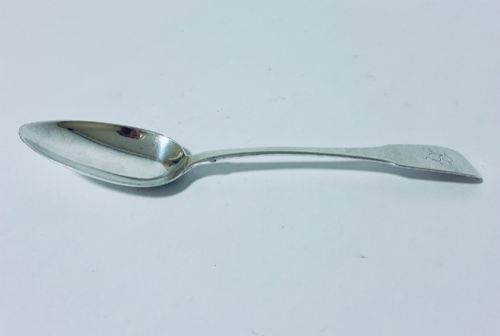
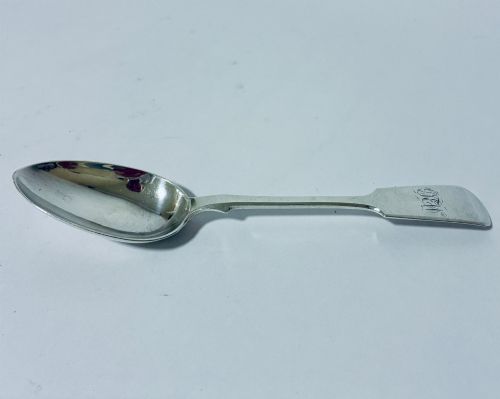
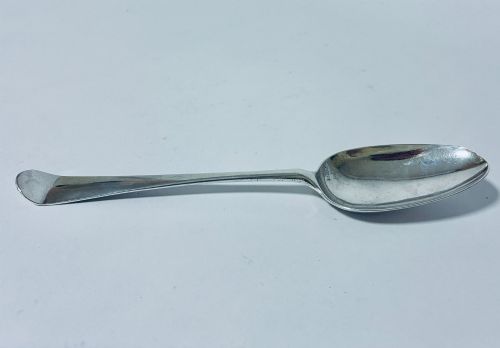
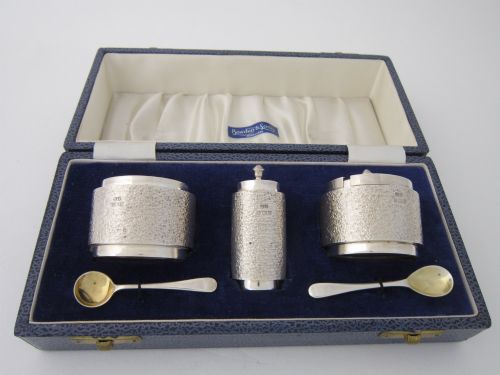
Hallmarked Sterling Spoon
A hallmarked sterling spoon carries centuries of British silversmithing directly to the table, offering solid weight and crisp assay marks that collectors prize.
Hallmarked Sterling Spoon
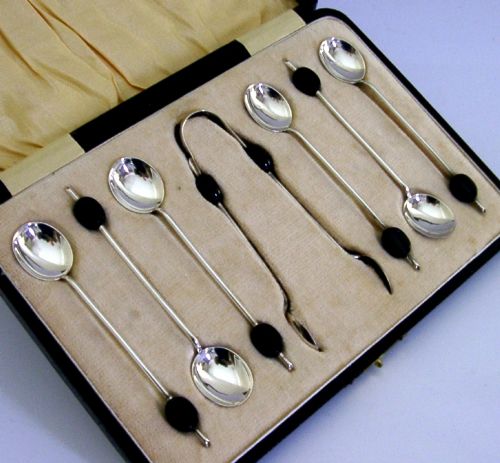
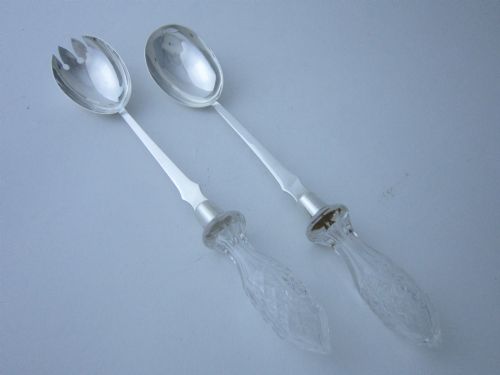
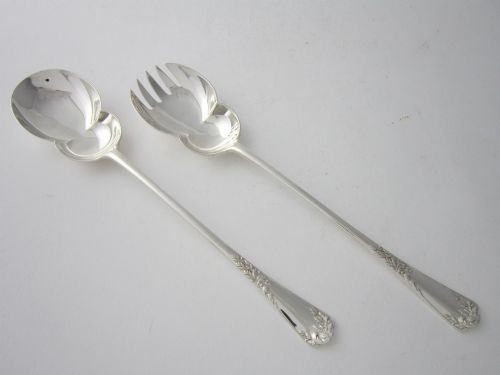
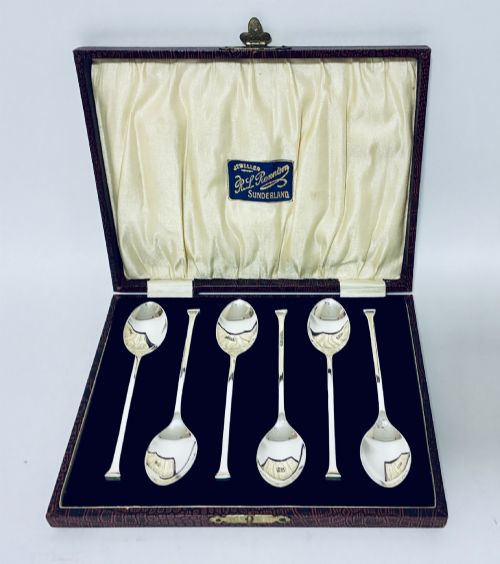
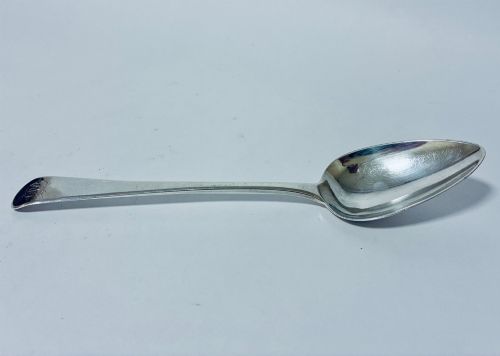
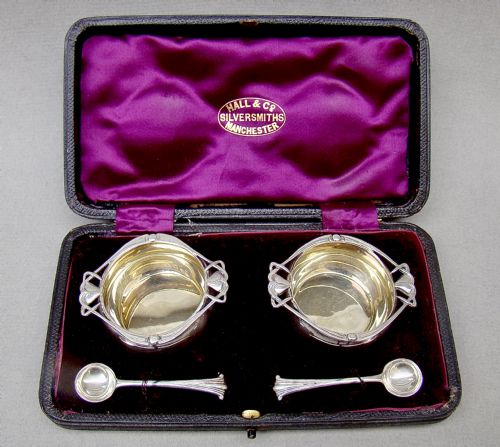
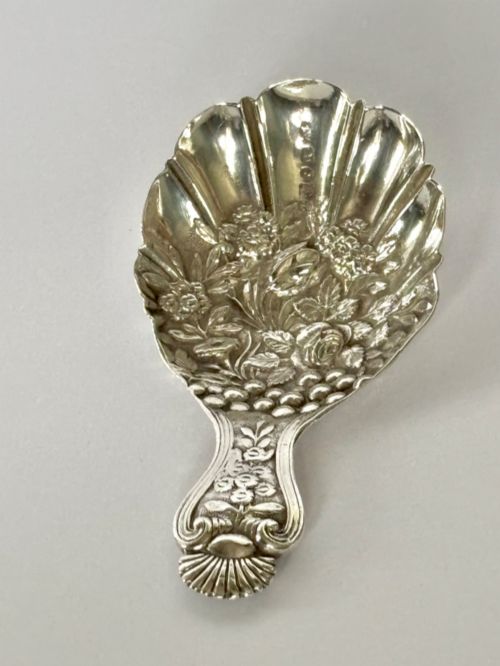
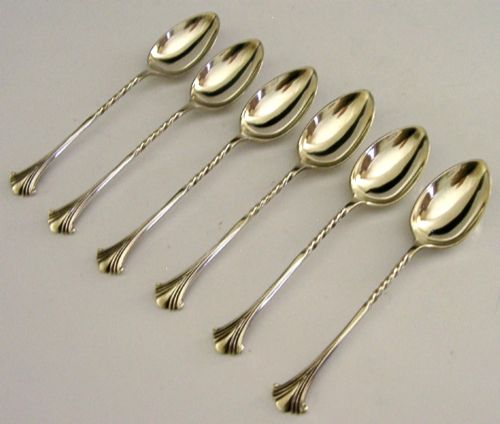
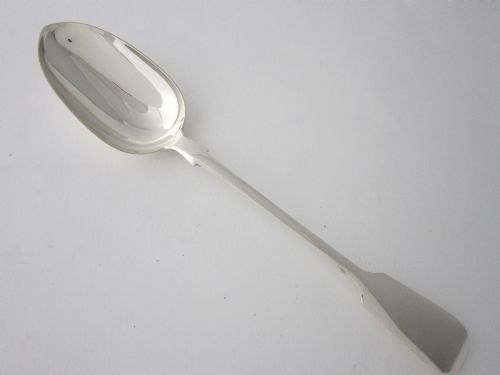
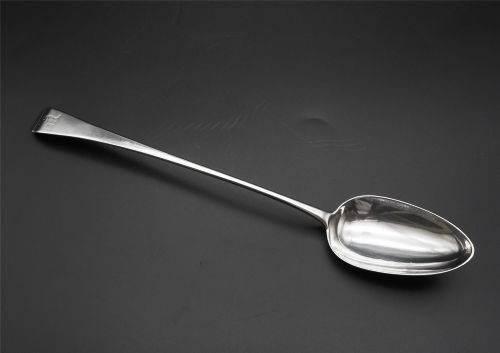
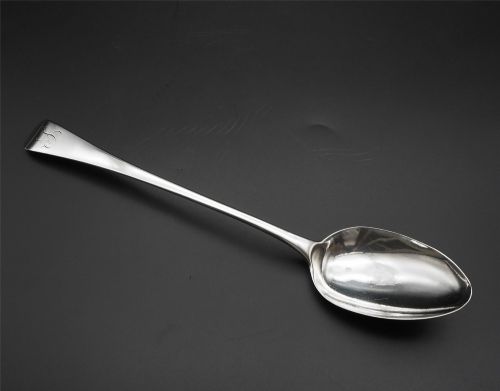
When searching for a hallmarked sterling spoon, buyers encounter various forms ranging from Georgian tablespoons and basting spoons to Victorian caddy spoons, Edwardian salad servers, and Art Deco tea sets.
The material standard is solid sterling silver, often accompanied by official town marks, date letters, and maker initials stamped directly into the metal.
Most examples originate from British assay offices such as London, Birmingham, Chester, Sheffield, Exeter, and Newcastle, spanning the seventeenth century through to the mid-twentieth century.
How they were made
Silversmiths shaped these utensils from sterling silver using traditional hammering, casting, and piercing techniques, frequently finishing handles with bright-cut engraving, rat-tail drops, or fiddle patterns.
Specialised items incorporate supplementary materials such as glass liners, silk, velvet, and leather within fitted presentation cases, alongside accents of silver gilt or Bakelite.
Hallmarked Sterling Spoon Retail Price Guide 2026
Typical asking prices for hallmarked sterling spoon among the pieces listed under this phrase on Sellingantiques today, from the lower quarter to the upper quarter. They describe what is for sale here now, not the wider market.
Some nineteenth-century silver caddy spoons take the whimsical shape of a human hand or a jockey cap ready for the races.
What varies in quality
Quality rests upon the crispness of the official hallmarks, the preservation of original bowl shapes without excessive thinning from polishing, and the clarity of any hand-engraved crests or decorative motifs.
Peter and Jonathan Bateman·Josiah Williams and Co·Martin Hall and Co·Goldsmiths and Silversmiths·Hamilton and Inches
The Hallmarked Sterling Spoon Glossary
- Hallmark
- Official stamps struck into precious metals to guarantee purity and origin. These include the maker mark, standard mark, assay office mark, and date letter.
- Assay office
- The official body responsible for testing the purity of precious metal items and applying statutory hallmarks. London, Birmingham, Chester, and Sheffield are common examples.
- Caddy spoon
- A short-handled spoon specifically designed for measuring loose tea leaves from a caddy. They often feature novelty designs such as jockey caps, hands, or shells.
- Basting spoon
- A large utensil used in food preparation to spoon juices over roasting meat. They typically date from the Georgian and Victorian periods.
- Bright-cut engraving
- A surface decoration technique utilising faceted angled cuts to reflect light. It creates a glittering geometric pattern popular on late eighteenth-century flatware.
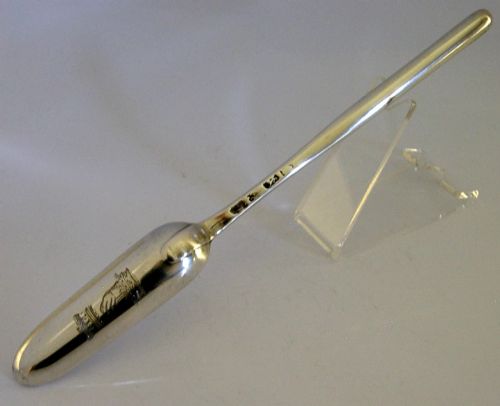
- Marrow scoop
- A narrow, double-ended spoon designed for extracting bone marrow. One end is trough-shaped while the other is smaller and spoon-like.
Hallmarked Sterling Spoon: Frequently Asked Questions
How do I read silver hallmarks?
Assay office marks, standard marks for sterling silver, and date letters stamped into the metal reveal where and when an item was made.
Matching these symbols against established silversmith registers provides the exact year of production and the maker's registered initials.
What is a marrow scoop used for?
Marrow scoops were dining utensils used during the eighteenth and nineteenth centuries to extract marrow from bones.
Their elongated double-ended design allowed diners to reach deep into narrow bone cavities during formal meals.
How should I clean antique silver spoons?
Antique silver requires gentle washing in warm soapy water using a soft cloth, avoiding harsh abrasive dips that strip away patination.
Regular handling naturally maintains a soft shine on the high points of the engraving without damaging the underlying metal.
Are caddy spoons rare?
Caddy spoons survive in diverse novelty shapes such as hands, leaves, and caps, making them popular targets for specialist collectors.
Their small size and decorative variety have encouraged focused collections since the Victorian era.