





Hallmarked Silver Table Cutlery
These hallmarked silver table cutlery pieces span centuries of dining refinement, offering collectors genuine sterling silver craftsmanship from the Stuart era onwards.
Hallmarked Silver Table Cutlery
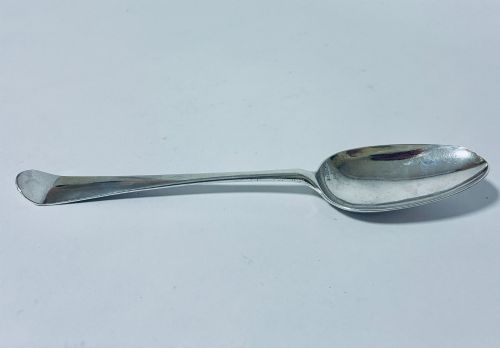
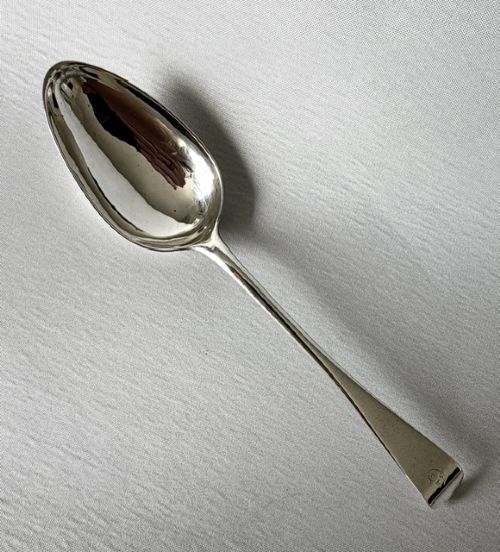
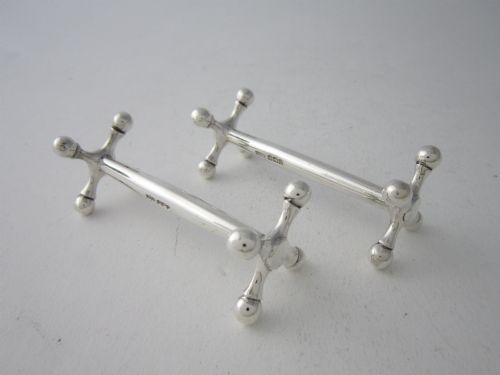
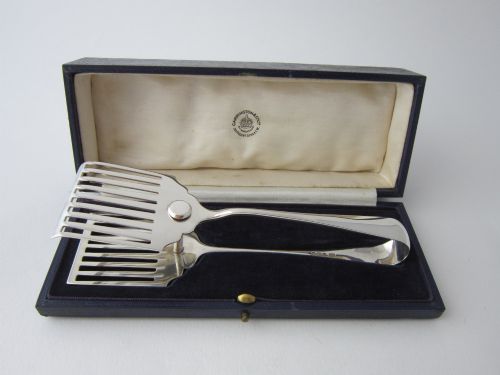
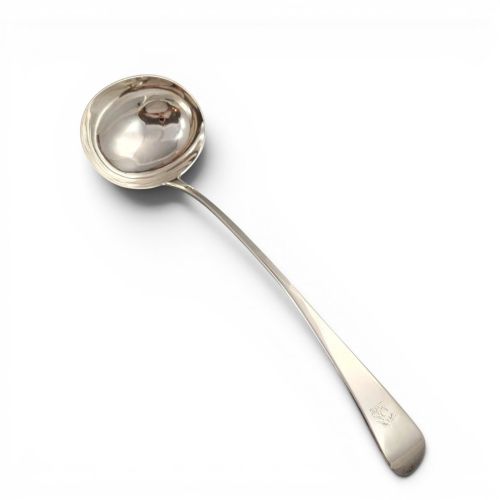
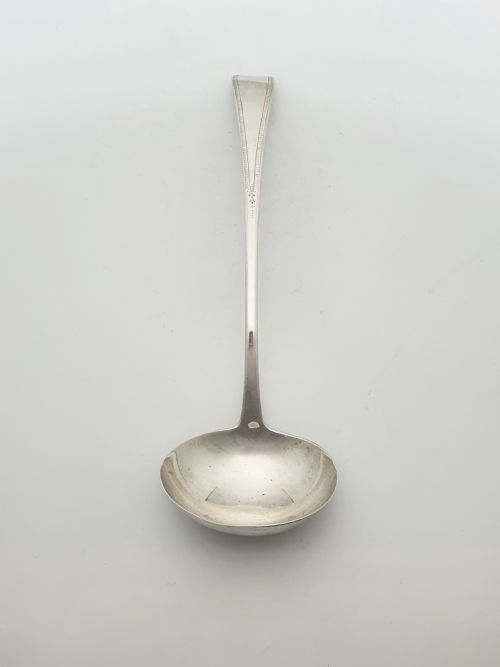
When you search for hallmarked silver table cutlery, you are looking at functional dining implements including serving spoons, soup ladles, knives, butter knives, asparagus tongs, and knife rests forged in sterling silver. These pieces encompass individual utensils and matched pairs designed for formal dining over successive centuries.
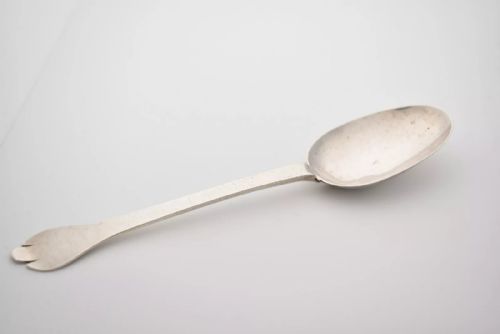
The items found here range from early 17th century trefid spoons to 18th century Georgian berry and serving spoons, alongside Victorian, Edwardian, and Art Deco iterations like George V and George VI pieces. Regional British assay offices such as London, Newcastle, Dublin, Exeter, and Sheffield feature prominently among the British items.
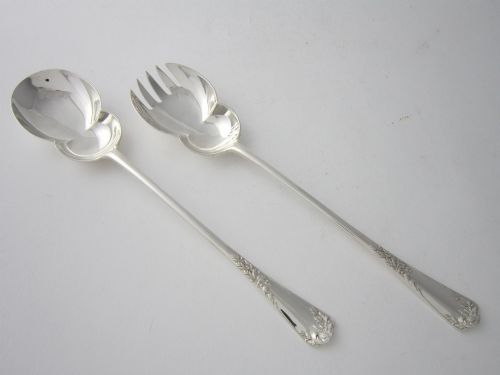
Beyond standard spoons and forks, the selection includes specialised implements like salad servers and gravy spoons housed in fitted cases, often lined with velvet or silk. Alongside British makers, Scandinavian design appears in items such as large Danish silver serving spoons.
What varies in quality
The distinction between standard items and exceptional pieces rests upon the clarity of the hallmarks, the weight and gauge of the sterling silver, and the preservation of original decorative detail. Crisp execution of patterns like the Queens pattern or delicate threading elevates a piece.
Rarity of form and origin also dictate standing, with provincial assay marks or scarce early dates such as the 17th century commanding greater interest among serious collectors compared to later mass-produced items.
The listings span multiple centuries, ranging from 17th century Stuart pieces to 20th century Art Deco and George VI designs in solid sterling silver.
Thomas Issoa·J Ladyman·John King
The Hallmarked Silver Table Cutlery Glossary
- Hallmark
- Official stamps struck into precious metals indicating purity, maker, and assay office. These marks provide the primary evidence for dating and authenticating antique silver.
- Sterling silver
- An alloy consisting of pure silver and other metals, usually copper, standardised at a high degree of purity. It forms the primary material for the cutlery listed here.
- Trefid spoon
- An early form of dining spoon featuring a flat, three-lobed terminal handle popular during the late 17th century. This style marks a distinct departure from earlier medieval spoon designs.
- Assay office
- An official body charged with testing the purity of precious metal items and applying appropriate hallmarks. Towns such as London, Sheffield, Dublin, and Exeter maintained historical offices.
- Queens pattern
- A heavily ornamented Victorian flatware and cutlery design featuring shell and scroll motifs along the borders. It represents a more elaborate development of earlier Georgian styles.
Hallmarked Silver Table Cutlery: Frequently Asked Questions
What is hallmarked silver table cutlery?
Hallmarked silver table cutlery comprises eating and serving implements made from sterling silver bearing official assay office stamps. These items include spoons, ladles, knives, and rests originating from various historical periods.
They reflect the shifting dining habits and domestic metalworking standards of British and European households over several hundred years.
Were these pieces used for daily dining?
Many items, particularly Georgian and Victorian serving spoons and ladles, saw active use at formal dining tables and family meals. Specialised implements like asparagus tongs fulfilled specific roles in aristocratic and middle-class households.
Over time, many such items were preserved in fitted wooden cases lined with velvet or silk.
How should I care for antique silver cutlery?
Maintaining antique silver requires gentle cleaning with specialised silver polishes to preserve the hallmarks and surface detail. Avoid abrasive materials that can wear down thin sections or engraved crests.
Proper storage in tarnish-resistant environments or original fitted cases helps protect the metal between uses.