



Hallmarked Silver Scoop
These hallmarked silver scoop designs range from Georgian marrow scoops to Edwardian caddy spoons, offering tactile function and historic metalwork.
Hallmarked Silver Scoop
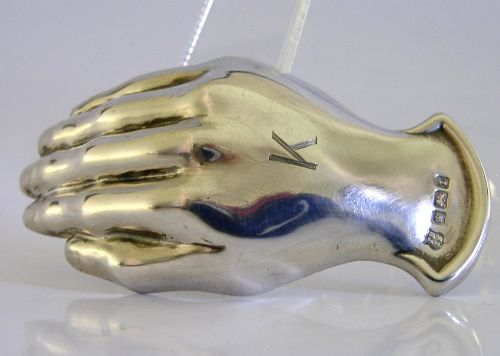
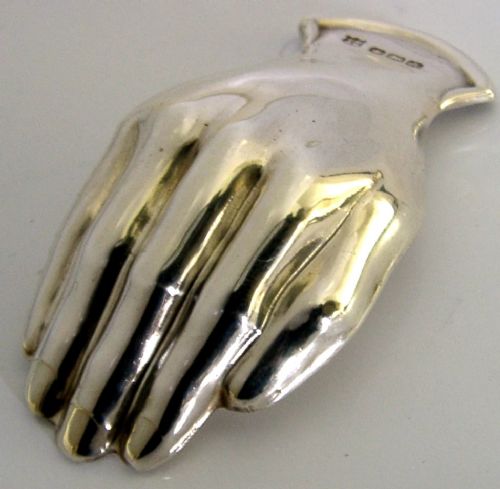
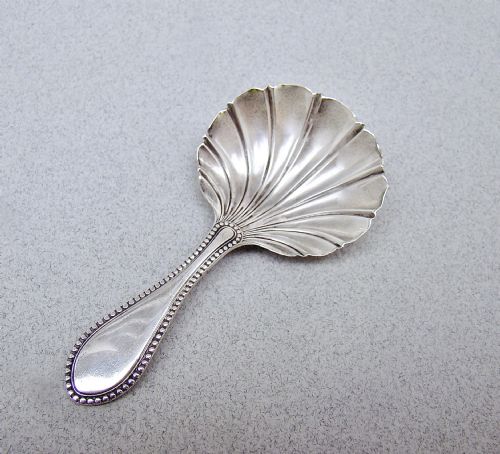
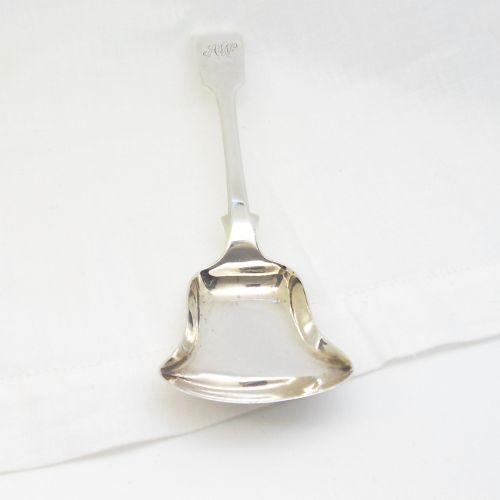
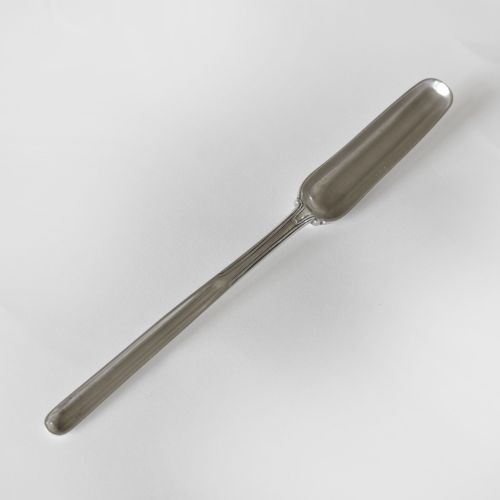
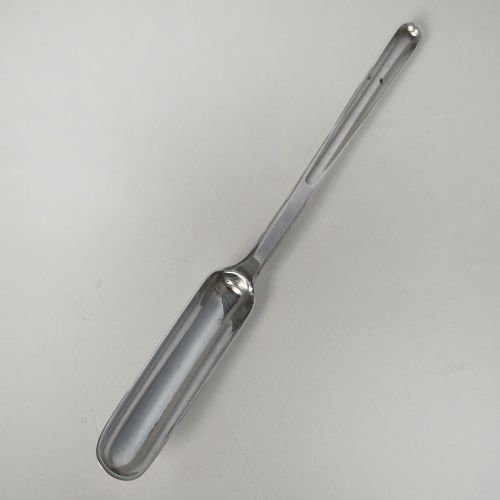
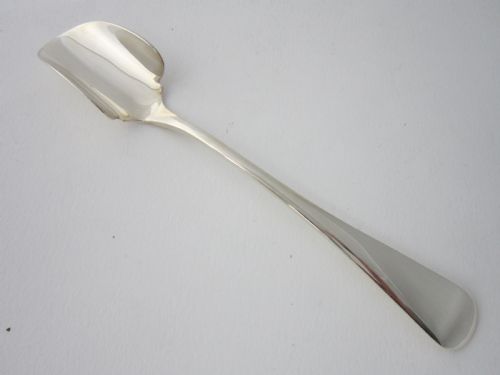
A hallmarked silver scoop encompasses a diverse group of utilitarian and serving implements designed for specific foods, most frequently encountered here as caddy spoons, marrow scoops, and stilton scoops. These pieces span periods from the eighteenth century through to the mid-twentieth century, including Georgian, Victorian, Edwardian, and later iterations.
The selection on this page leans heavily toward tea caddy spoons and marrow scoops, alongside specialised serving utensils such as cheese scoops and ice cream servers. Makers utilise sterling solid silver, occasionally paired with bone or stained bone handles, reflecting the domestic habits of each successive era.
Materials and technique
Silversmiths constructed these pieces primarily from solid sterling silver, applying traditional manufacturing techniques such as hammering, casting, and piercing. Many examples feature detailed engraving or chasing upon the bowl and handle.
Handles occasionally incorporate organic materials like bone and stained bone, secured to the metal shank through pinned or fitted joints. Every piece relies on official assay office hallmarks to certify the standard of the silver.
Listings feature sterling silver, bone, and stained bone across Georgian, Victorian, Edwardian, and Art Deco periods.
Assessing the pieces
Quality in a hallmarked silver scoop rests upon the crispness of the original chasing, the weight of the solid silver used in the bowl, and the legibility of the town and maker stamps. Superior examples retain their original structural integrity without thinning to the bowl edges from heavy historical use.
Novelty forms, such as jockey cap caddy spoons, depend entirely on the skill of the modeler for their distinct shape and proportion. Pieces that maintain sharp, unrubbed hallmarks alongside balanced proportions command greater appreciation from collectors.
Martin Hall And Co·John Walton·Jonathan Hayne·William Neale·Mappin And Webb·George Unite·Thomas Johnson·William Hutton And Sons
The Hallmarked Silver Scoop Glossary
- Hallmark
- Official stamps struck into precious metals to guarantee the purity of the silver, indicate the assay office, and date the piece.
- Caddy spoon
- A small spoon specifically proportioned for measuring loose tea leaves from a caddy into a teapot.
- Marrow scoop
- A narrow, double-ended silver implement historically used for extracting bone marrow from joints during dining.
- Stilton scoop
- A long-handled utensil designed for digging into hard cheeses like Stilton.
- Double struck
- A method where dies strike a coin or flatware pattern twice to produce a sharper, deeper relief on both sides.
Hallmarked Silver Scoop: Frequently Asked Questions
What is a silver scoop used for?
These utensils served various dining and domestic duties, depending on their specific form. Smaller versions measured tea leaves, while longer implements handled marrow or cheese.
Over time, many of these functional items transitioned into decorative display pieces or specialised serving tools for modern tables.
How do I date a silver scoop?
Dating relies upon the stamped hallmarks, which include date letters specific to each assay office and year. Comparing the maker's mark and stylistic traits such as Georgian or Victorian motifs narrows down the period further.
Reference books and online punch registers help translate the specific lion passant, leopard head, and date ciphers found on the metal.
Are these scoops solid silver?
The listings here consist of sterling silver and solid silver pieces, alongside occasional examples incorporating bone elements for the handles.
Assay office hallmarks stamped directly onto the metal confirm the sterling standard of the silver used in construction.
How should I clean a silver scoop?
Maintenance requires gentle washing with warm water and mild soap, followed by drying with a soft cloth to protect the antique surface. Avoid harsh abrasive dips that strip away desirable historical patina.
Storage in a dry environment away from direct sunlight helps prevent accelerated tarnishing of the silver.