


Hallmarked Silver Bottle
A hallmarked silver bottle spans functional drinkware and pocket scent flasks, offering tangible proof of British assay office standards across centuries of craftsmanship.
Hallmarked Silver Bottle
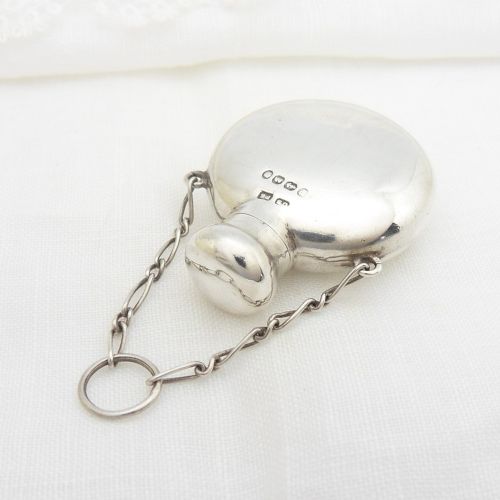
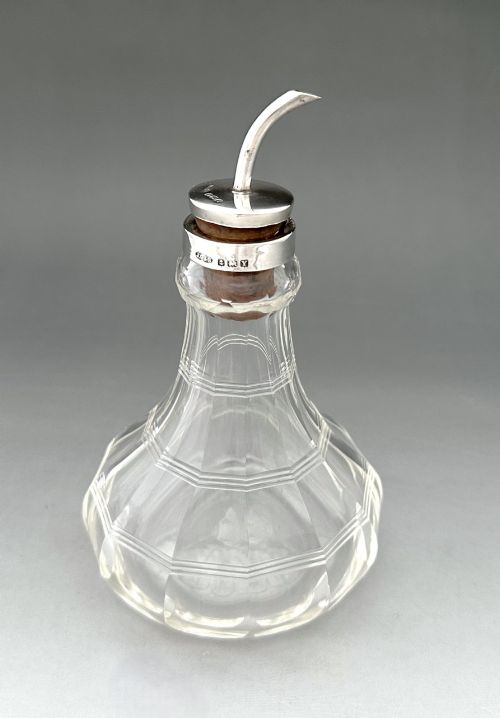
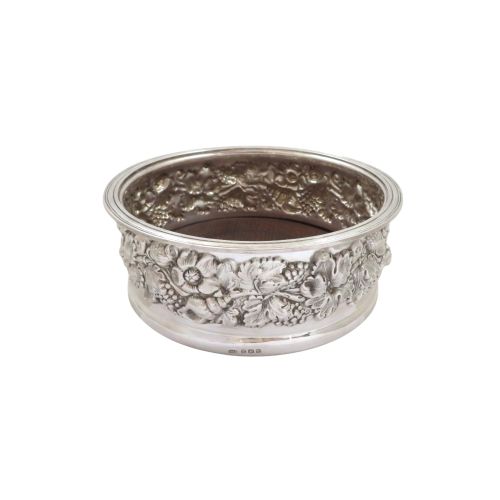
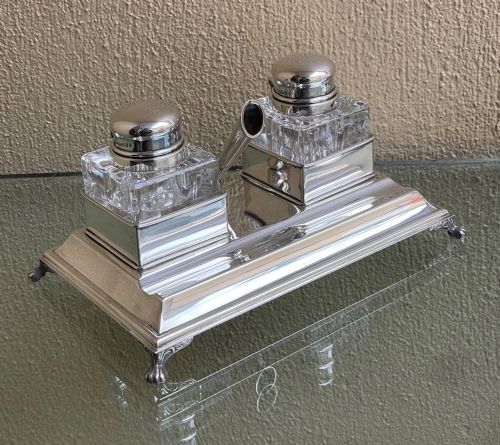
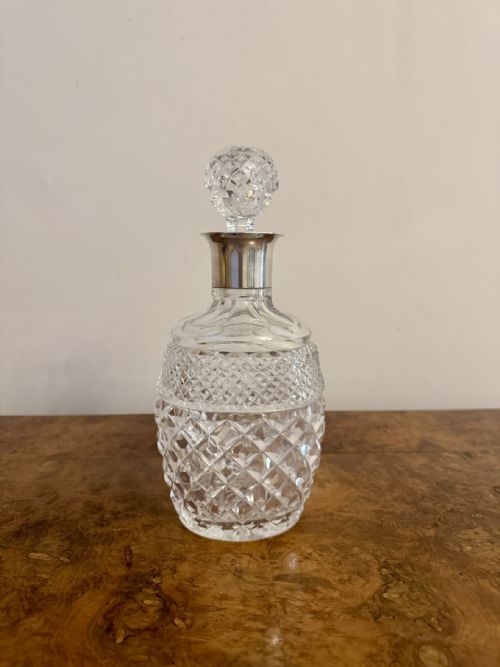
When searching for a hallmarked silver bottle, buyers encounter a diverse group of objects spanning scent bottles, decanters, perfume flasks, and wine coasters. The records show these pieces primarily originating from Victorian, Edwardian, and Georgian periods, alongside twentieth-century examples up to the Elizabeth II era.
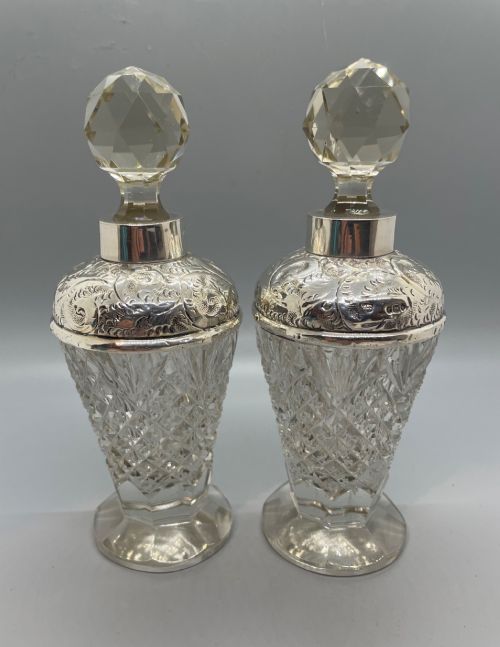
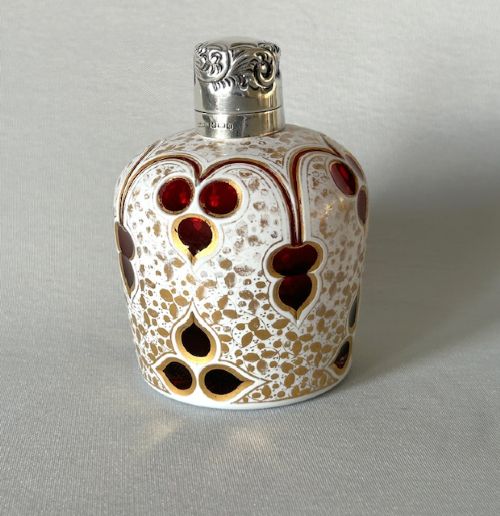
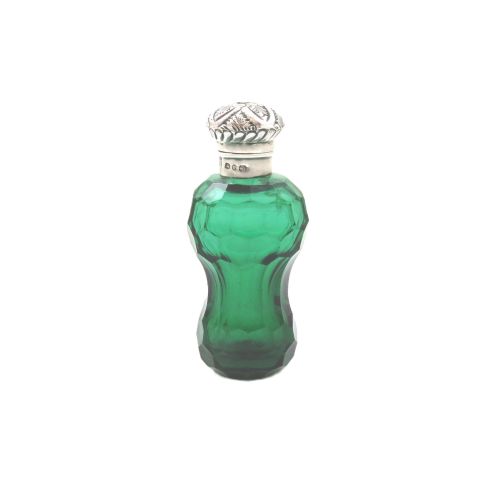
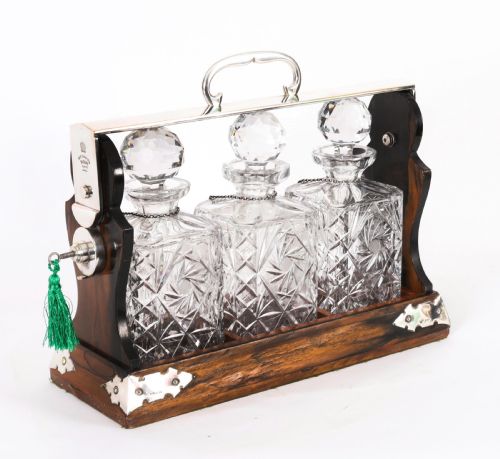
The version most commonly met on this page is the Victorian or Edwardian cut glass scent bottle featuring a hinged or screw-top sterling silver lid. Decanter bottles with silver collars and associated wine labels also form a substantial part of the available selection, alongside matching cruet sets and spirit flasks.
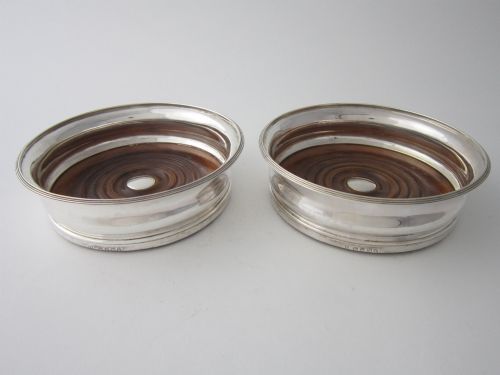
Objects range from diminutive pocket perfume containers bearing Birmingham or Chester assay marks to heavy table decanters and wine bottle holders bearing London hallmarks. The temporal span stretches from the eighteenth century into the mid-twentieth century, capturing shifting domestic habits around dining and personal grooming.
Materials and construction methods
The objects combine sterling silver mounts, collars, or lids with blown and heavy cut glass or crystal bodies. Glass portions frequently feature deep vertical or spiral fluting, diamond cutting, and occasionally hand-painted enamel decoration or overlaid tortoiseshell and wood.
Silver components were shaped through casting, repoussé embossing, or spinning, then stamped with official hallmarks including the maker's mark, standard mark, assay office town mark, and date letter. Lids and collars were secured to glass vessels using specialised adhesives or tight mechanical mountings.
Listings feature sterling silver combined with cut glass, crystal, enamel, velvet, and wood across Victorian, Edwardian, and Georgian periods.
Assessing the range of execution
Quality in these pieces rests upon the crispness of the silver chasing and the depth and clarity of the glass cutting. Superior examples exhibit heavy, well-balanced crystal bodies paired with thick-gauge silver mounts that retain sharp, legible hallmarks.
Finer scent bottles and decanters integrate secondary materials like enamel, tortoiseshell, or coromandel wood with precise joinery. The alignment of hinged lids and the legibility of engraved crests or monograms further distinguish standard production from exceptional maker output.
Horton & Allday·Digby Scott Benjamin Smith·Edward Smith·Charles Thomas Fox·Henry Perkins·Hukin & Heath·G H James & Co·Asprey·G Watts & Co·Arthur Wilmore Pennington·Collett & Anderson·A and J Zimmerman
The Hallmarked Silver Bottle Glossary
- Hallmark
- An official stamp applied by an assay office to guarantee the purity of precious metal. These marks typically include symbols for the maker, metal standard, assay office, and year of testing.
- Decanter label
- A small silver tag hung by a chain around the neck of a bottle to identify the contents such as port, sherry, or madeira. These tags often feature vine leaf motifs or pierced lettering.
- Vinaigrette
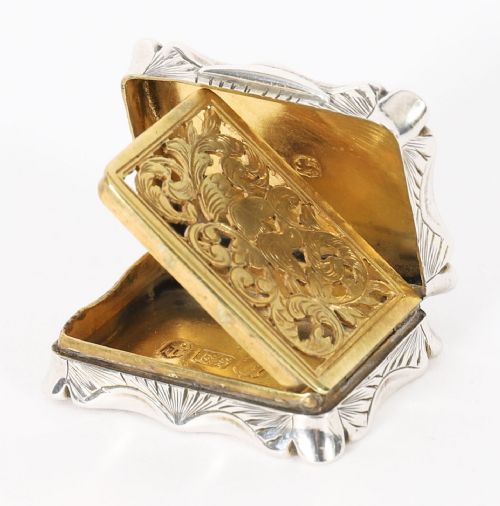
- A small ornamental metal box or bottle containing a sponge soaked in aromatic vinegar. They usually feature an internal pierced gilt grille and date predominantly from the nineteenth century.
- Tantalus
- A locking wooden frame that holds decanters securely while displaying their contents through a glass or crystal body. The mechanism prevents unauthorized access to the liquor inside.
- Cruet set
- A matched collection of glass bottles or casters for condiments held on a supportive silver or metal stand. These sets frequently service vinegar, oil, pepper, and mustard at the dining table.
Hallmarked Silver Bottle: Frequently Asked Questions
How do I read silver hallmarks?
Silver hallmarks consist of a series of small stamped symbols that reveal the maker, the purity of the metal, the town where it was tested, and the year of manufacture. By consulting standard reference guides, collectors match the date letter and assay mark to pinpoint the exact origin of a piece.
Assay offices in cities like London, Birmingham, and Chester used distinct symbols over successive centuries. Finding these marks guarantees the metal is solid sterling silver rather than plated.
What were silver scent bottles used for?
Victorian and Edwardian ladies carried small scent bottles in purses or chatelaines to combat unpleasant odours in public spaces. The hinged or screw silver lids kept volatile perfumes from evaporating while offering a decorative accessory.
Some specialised variants contained smelling salts or aromatic vinegars to revive someone feeling faint. Their compact size made them practical everyday items for personal use.
How do I care for antique glass and silver?
Maintenance requires keeping silver polish away from the glass body to prevent staining or residue buildup in the cut facets. A soft cloth is sufficient for routine dusting of both surfaces.
Harsh chemical immersion should be avoided, particularly on pieces with enamel work, tortoiseshell, or fitted cork stoppers. Gentle hand washing with lukewarm water preserves internal glass integrity.
Are decanter labels period specific?
Decanter labels often reflect the drinking preferences and decorative tastes of their specific decade, ranging from Georgian vine leaf designs to later geometric forms. They were hung around wine bottles or decanters using fine silver link chains.
Many bear specific beverage names like madeira, hock, or gin to prevent confusion at the dinner table. Their presence adds contextual detail to antique drinkware collections.