



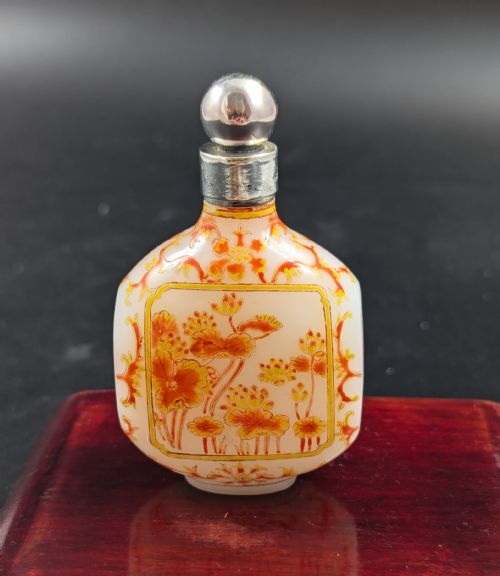


Miniature Scent Flask
These miniature scent flask pieces are pocket-sized vessels for perfume and snuff, offering portable luxury from Georgian, Victorian and Edwardian centuries.
Miniature Scent Flask
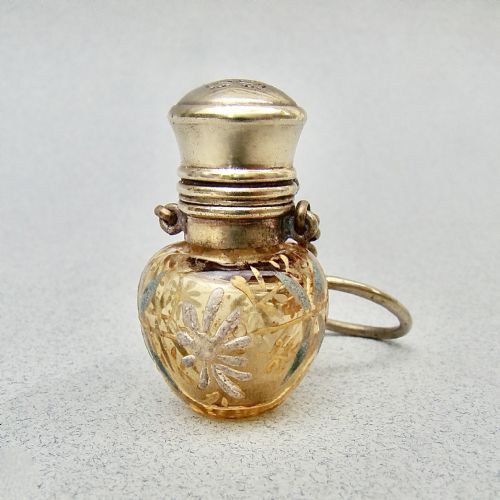
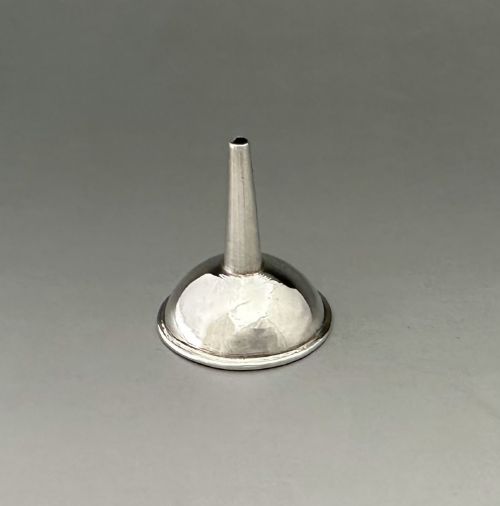
When you search for miniature scent flask pieces, you encounter tiny portable containers designed for perfume, smelling salts, or snuff. The items appearing here range from pocket bottles and chatelaine companions to complete etui tool sets.
The versions you are most likely to meet on this page span the eighteenth, nineteenth, and early twentieth centuries. They originate from British, European, and Chinese workshops, taking forms such as carved jade, enameled glass, and silver violin shapes.
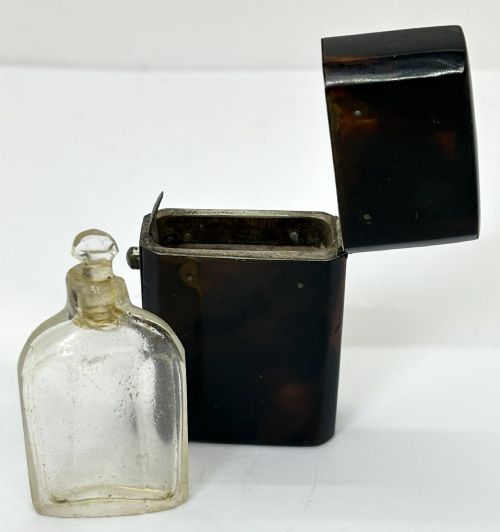
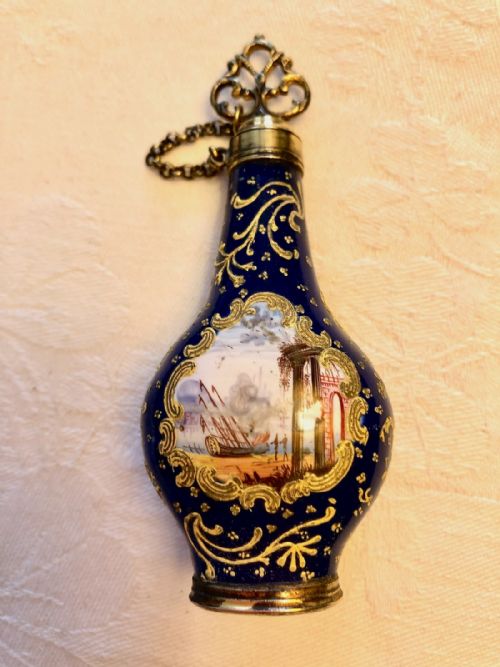
Georgian and Victorian examples often feature tortoiseshell, silver, or hand-painted enamel with delicate hinged lids. Later pieces include Edwardian porcelain vases and Qing dynasty snuff bottles carved from coral or jade.
Materials and construction
Makers shaped these miniature scent flask objects using precious metals like silver and Old Sheffield plate, alongside organic materials such as tortoiseshell and coral. Glass and porcelain bodies frequently receive hand-painted scenes, enamel work, or intricate jade carving.
Techniques combine metalsmithing, glass blowing, and detailed miniature painting. Mounts, stoppers, and hinged lids require precise fitting to ensure proper closure for volatile contents.
One nineteenth-century maker shaped a silver scent flask as a miniature violin, complete with tiny strings and fingerboard.
Assessing quality in miniature scent flask designs
Quality rests in the crispness of the carving, the delicacy of the enamel painting, and the integrity of the metal mounts. Superior examples retain their original matching stoppers and tight-fitting hinges.
The distinction between standard production and exceptional work lies in the handling of materials, whether through fine jade detailing or hand-painted enamel scenes that remain sharp and vivid.
The Miniature Scent Flask Glossary
- Chatelaine scent bottle
- A small perfume container suspended from a belt hook by chains. These allowed Victorian women to keep fragrance immediately to hand.
- Etui
- A small ornamental case holding needles, tweezers, and other toilet implements. Often paired with scent bottles in Georgian necessaires.
- Old Sheffield plate
- A composite material made by fusing a thin sheet of silver to a thicker copper base. Common in Georgian functional wares.
- Guyue Xuan mark
- A reign mark or studio mark found on fine Qing dynasty enameled ceramics and glass. It indicates high-level imperial workshop association.
Miniature Scent Flask: Frequently Asked Questions
What were miniature scent flask pieces used for?
These small vessels carried liquid perfume, smelling salts, or powdered tobacco for personal refreshment. Their pocket-sized nature allowed owners to neutralise unpleasant odours or indulge in snuff while away from home.
Many hung from chatelaines or fitted inside travel necessaires alongside miniature tools. They served as both functional accessories and displays of personal taste and status.
How do I clean a miniature scent flask?
Cleaning depends entirely on the specific material, requiring gentle dry dusting for tortoiseshell and careful avoidance of moisture on painted enamel surfaces. Silver components respond well to standard non-abrasive polishing cloths, keeping metal free from harsh chemical dips.
Internal cleaning of glass or porcelain bottles is rarely necessary unless residue interferes with display. Professional advice should be sought before attempting to clear stubborn blockages in antique stoppers.
How do I date a miniature scent flask?
Dating relies on stylistic markers, hallmarks on silver mounts, and the specific materials typical of periods like the Georgian or Victorian eras. Hand-painted enamel scenes and distinct cutting styles on glass offer further clues to manufacture dates.
Maker marks and Asian reign characters help narrow down the origin and decade. Comparing construction techniques with known period examples remains the most reliable method.
Are these flasks safe to carry perfume in today?
Modern use is generally discouraged because historic corks, stoppers, and seals degrade over centuries and rarely prevent leakage. Hairline fractures in glass or porcelain can also yield under liquid pressure.
It is best to treat these pieces as cabinet display items or collector objects rather than daily carry accessories. Preserving the interior and original stoppers protects their long-term integrity.