

Hallmarked Spoon
A hallmarked antique spoon brings centuries of assay office history to the table through solid sterling silver, Caddy spoons, and serving pieces.
Hallmarked Spoon
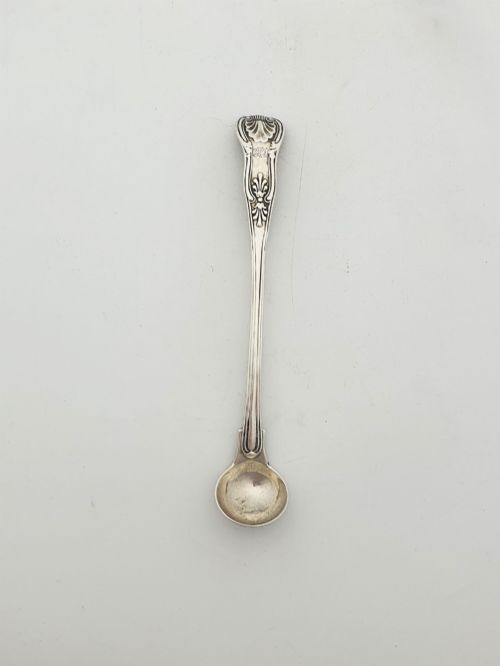
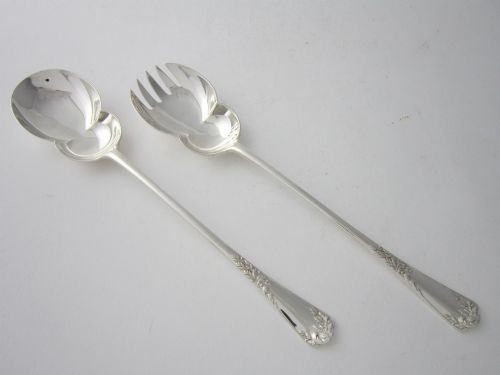
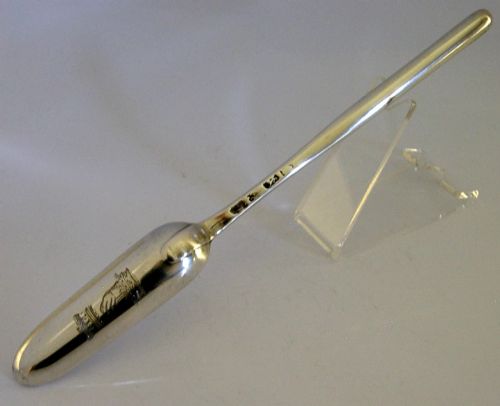
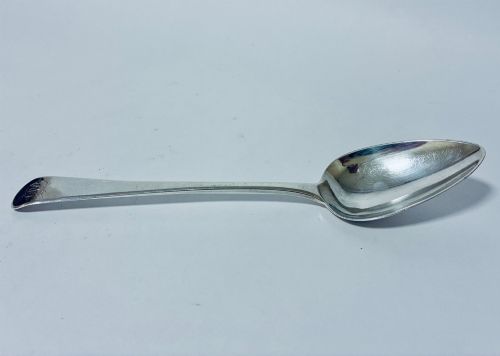
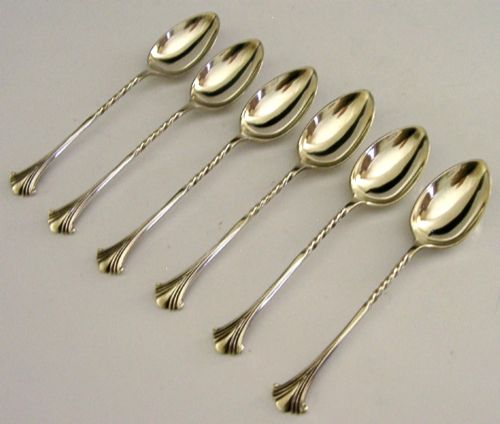
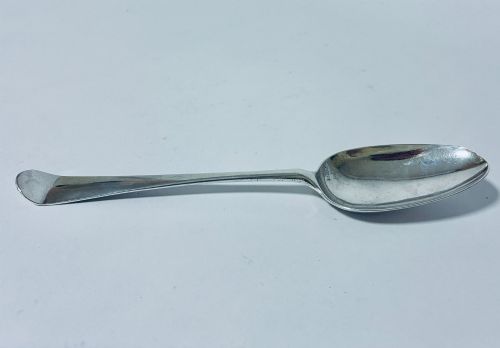
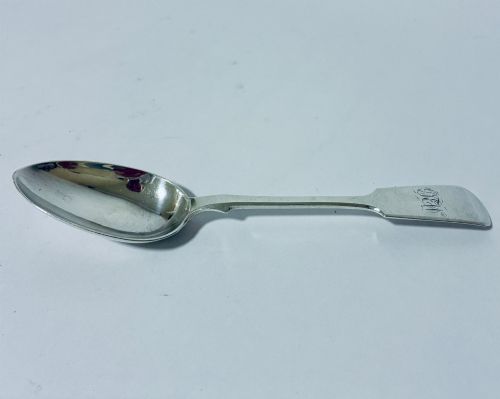
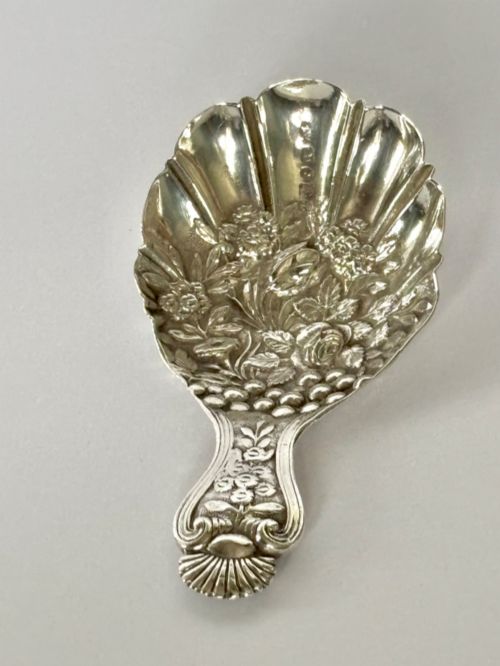
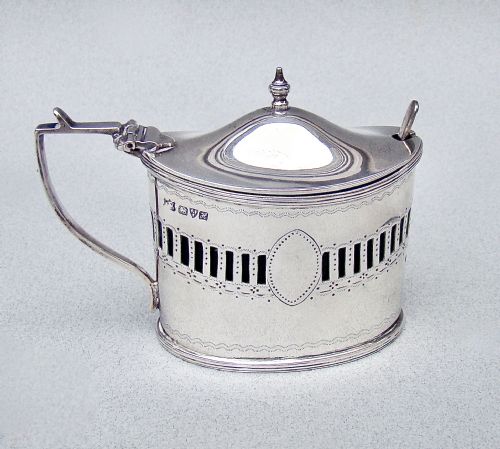
A hallmarked antique spoon spans domestic flatware and specialty serving pieces such as caddy spoons, marrow scoops, basting spoons, and mustard ladles. These utensils originate from distinct historical periods including the eighteenth century, the Georgian era, the Victorian age, and the early twentieth century.
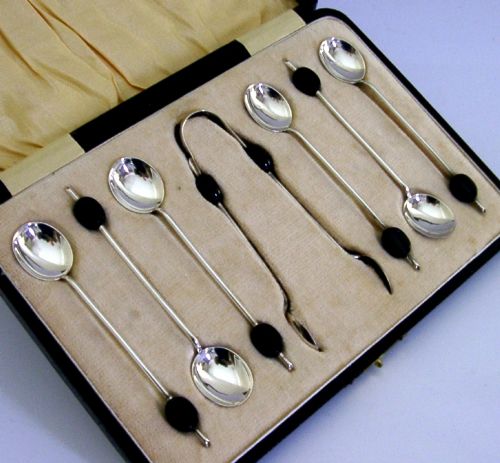
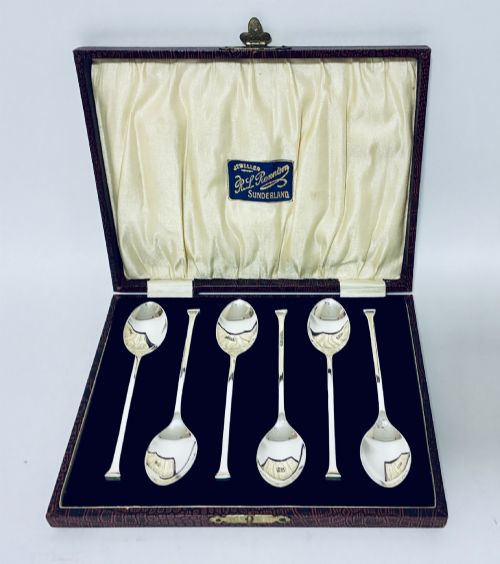
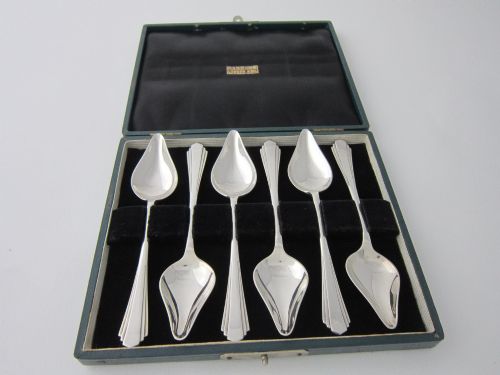
Buyers will encounter single tablespoons alongside cased sets of coffee bean spoons, grapefruit spoons, and seal top spoons. Regional assay offices like Exeter, Newcastle, Chester, Sheffield, Edinburgh, and London stamp these items with clear marks of authenticity.
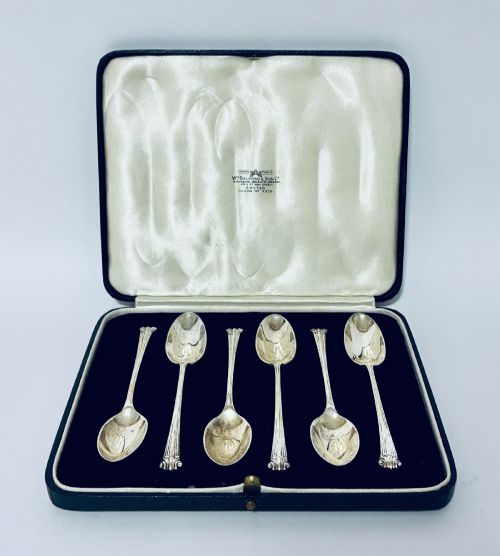
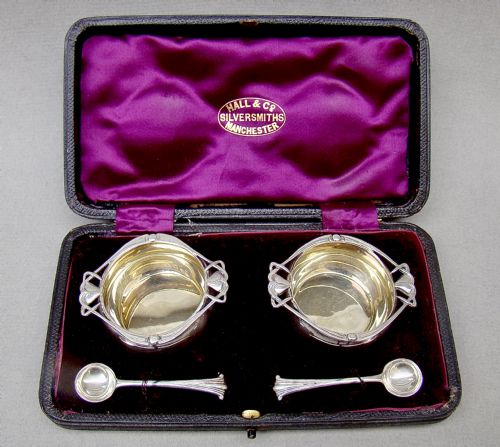
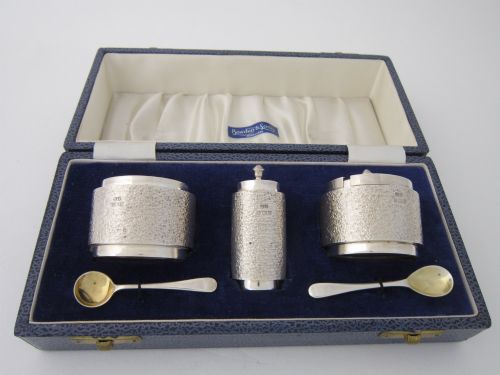
Forms range from simple fiddle pattern flatware to ornate bright-cut teaspoons, novelty jockeys cap caddy spoons, and sugar sifters. Many pieces survive inside fitted presentation boxes lined with velvet, silk, or satin.
Materials and construction methods
Makers shaped these items primarily from solid sterling silver, occasionally applying silver gilt for decorative contrast within bowls or on detailed handles. Skilled silversmiths hammered, cast, and engraved the metal by hand, producing robust dining tools intended for daily use or formal service.
Specialised items like marrow scoops and caddy spoons required precise forming to create functional bowls and long, narrow stems. Assay offices stamped each finished piece with town marks, standard marks, and date letters to certify the silver content.
Hallmarked Spoon Retail Price Guide 2026
Typical asking prices for hallmarked spoon among the pieces listed under this phrase on Sellingantiques today, from the lower quarter to the upper quarter. They describe what is for sale here now, not the wider market.
Silversmiths once fashioned tiny silver spoons into the shape of jockey caps, ensuring morning tea came with a sporting dash of whimsy.
Assessing quality in antique silver
Quality rests in the crispness of the hallmarks, the preservation of original hand-engraving, and the weight of the silver used in the bowl and stem. Pieces that retain their intended thickness without thinning from decades of polishing demonstrate superior durability.
Maker attribution also influences distinction, with marked works from known workshops or silversmiths holding greater interest for collectors. The condition of associated fitted cases lined with silk or velvet contributes to the overall integrity of cased sets.
Peter and Jonathan Bateman·Josiah Williams and Co·Martin Hall and Co·Goldsmiths and Silversmiths·Hamilton and Inches·John Walton·Alfred Marston·William Neale·Jonathan Hayne·Joseph Willmore·Jerimiah Johnson
The Hallmarked Spoon Glossary
- Hallmark
- Official stamps pressed into precious metal to indicate the maker, the silver standard, the assay office, and the year of testing. These marks provide the primary evidence for dating an antique piece.
- Caddy Spoon
- A short-handled spoon designed specifically for measuring loose tea leaves from a storage caddy. They often feature decorative bowls shaped like shells, leaves, or jockey caps.
- Marrow Scoop
- A long, narrow utensil with a small trough at each end used for extracting bone marrow. Georgian examples in solid silver are particularly sought after by collectors.
- Fiddle Pattern
- A nineteenth-century flatware design characterised by a shoulder on the handle that resembles the body of a violin. It remains one of the most recognisable traditional cutlery styles.
- Bright-Cut
- An engraving technique utilising faceted cuts to create a sparkling, geometric pattern across the surface of the silver. It appears frequently on spoons from the late eighteenth century.
Hallmarked Spoon: Frequently Asked Questions
What is a caddy spoon used for?
A caddy spoon was specifically designed to scoop dry tea leaves from a caddy into a teapot during the eighteenth and nineteenth centuries.
These small spoons often featured inventive bowl shapes, including shells, leaves, and caps, making them popular collector items today.
How do I read silver hallmarks?
Silver hallmarks consist of a series of stamped symbols indicating the purity of the metal, the town where it was tested, the maker, and the exact year of production.
Assay office symbols like leopards heads for London or crowns for Sheffield help establish the precise age and origin of the piece.
What is a marrow scoop?
A marrow scoop is a long, slender utensil featuring a small trough at each end designed to extract bone marrow from joints during formal dining.
Georgian examples in solid silver were standard dining accessories before falling out of common kitchen use in later periods.
How should I clean antique silver?
Antique silver requires gentle washing in warm, soapy water followed by thorough drying with a soft cloth to protect the metal and any engraved details.
Harsh abrasive dips should be avoided because they can strip away desirable surface patination and soften crisp hallmarks.