
Hall Wall Mirror
When choosing a hall wall mirror, collectors encounter timber frames and gilded surfaces spanning the Victorian era through the early twentieth century.
Hall Wall Mirror
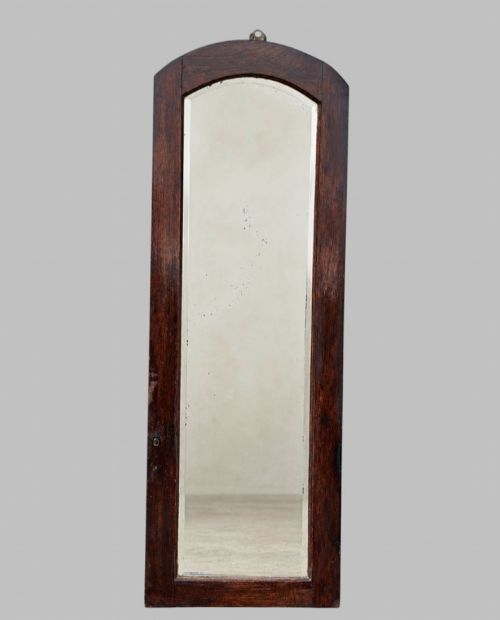
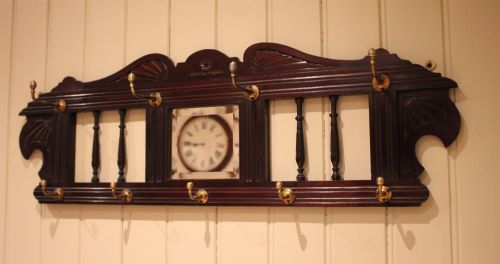
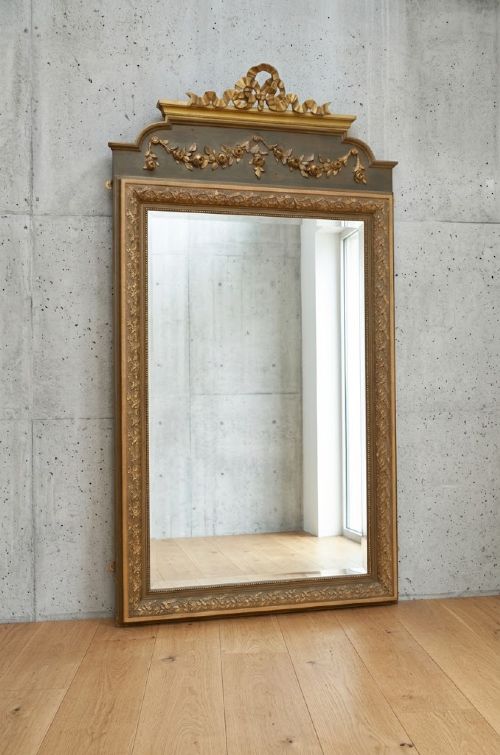
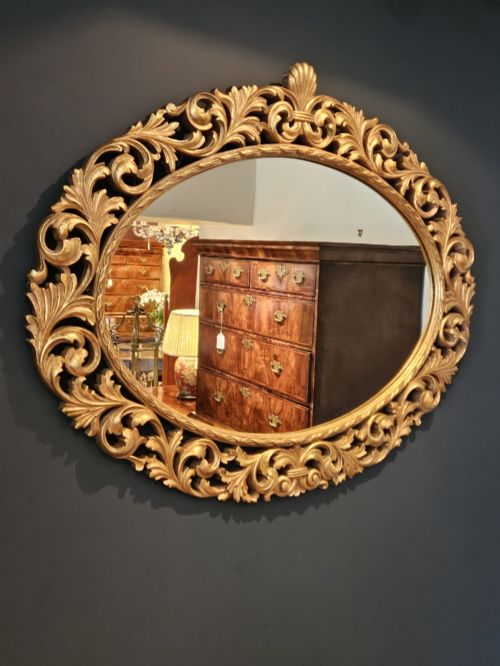
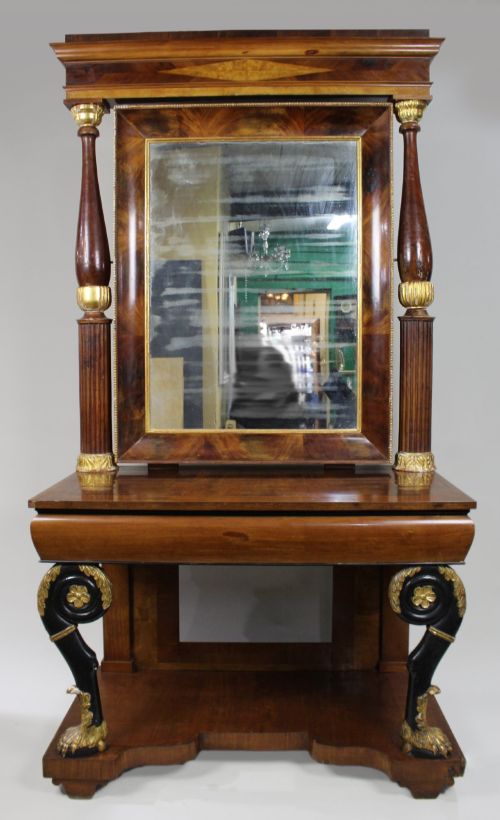
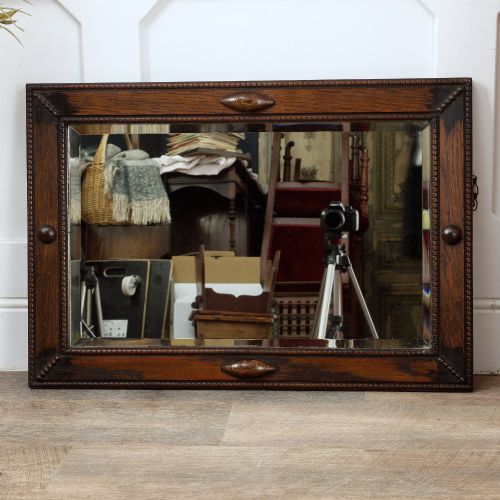
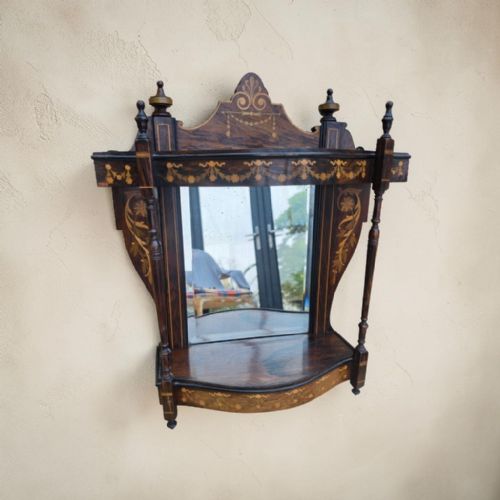
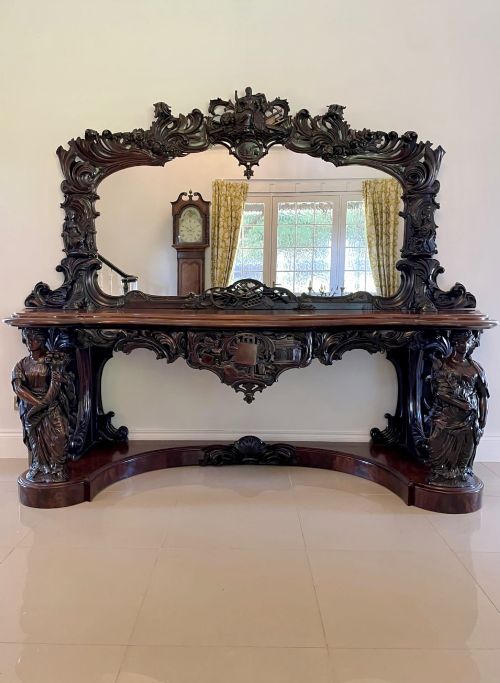
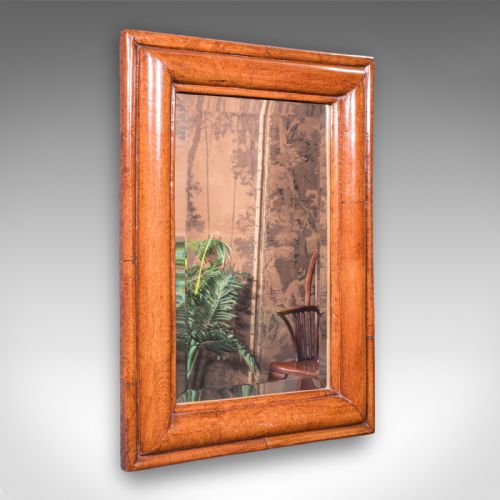
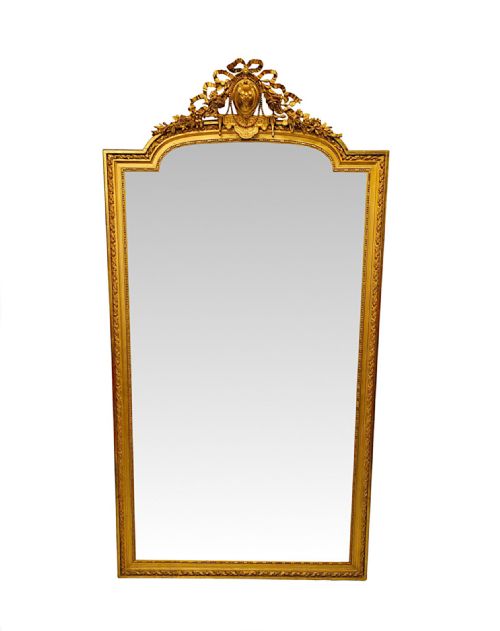
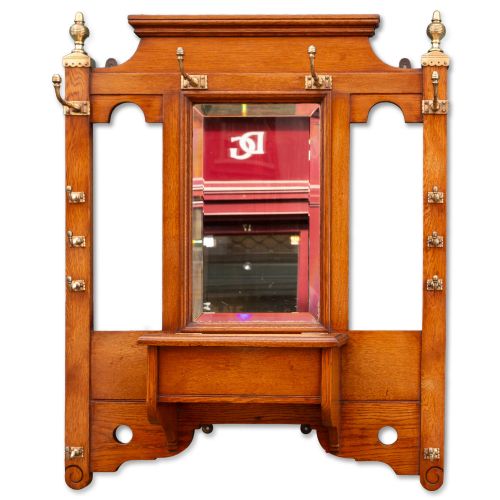
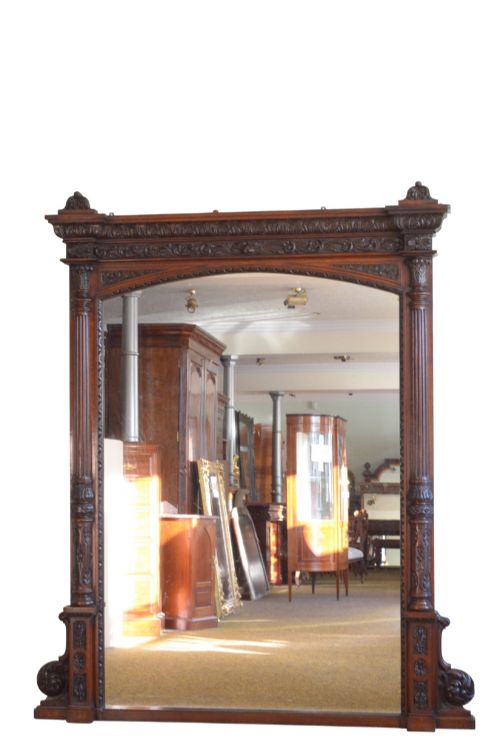
The items found on this page range from simple oak and mahogany wall-mounted frames with integrated shelving to grand, full-length giltwood pier mirrors and console table combinations designed for reception halls. Buyers routinely select these furnishings to anchor a hallway while providing practical utility for daily departures and arrivals.
How They Were Made
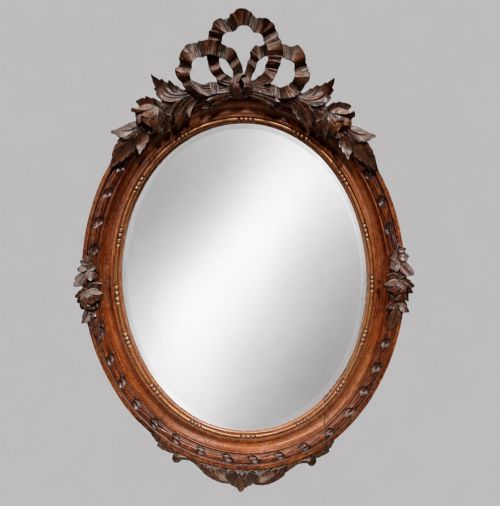
Cabinetmakers utilised hardwoods such as oak, mahogany, walnut, and rosewood for structural durability, often employing carved timber, fretwork, or inlay work to ornament the frames. Gilded pieces relied on gesso and gold leaf applied over wood bases to achieve reflective, ornate surfaces associated with French and English revival aesthetics.
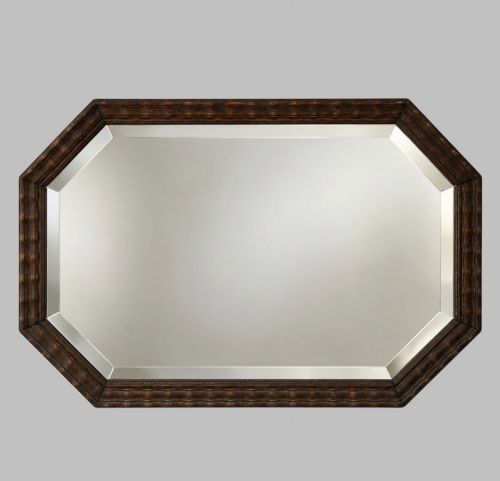
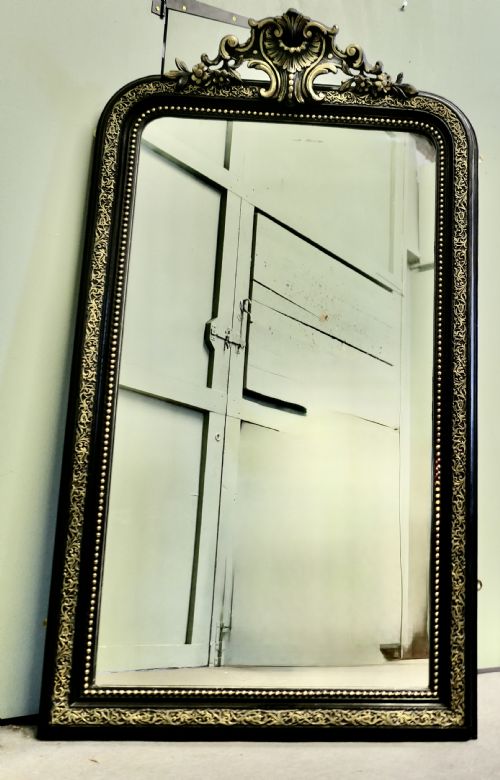
Mirrors from this span typically feature bevelled glass plates secured within rebated frames, sometimes accompanied by brass coat hooks, bronze fittings, or hand-hammered copper details seen in Arts and Crafts examples.
What Varies in Quality
Quality rests in the depth and crispness of the hand-carved details on the frame, the integrity of the original gilding or timber finish, and the presence of integrated functional elements like valet drawers or glove boxes. Finer examples display meticulous joinery, balanced proportions, and original bevelled glass plates rather than later replacements.
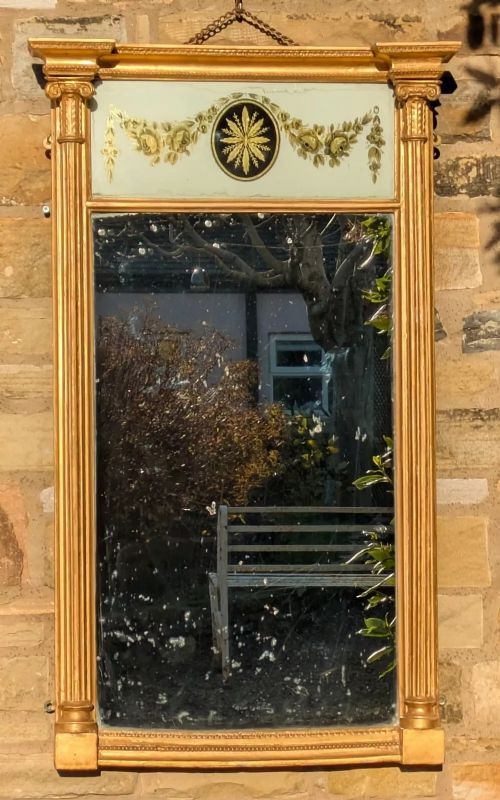
Makers and design influences also separate standard utilitarian items from exhibition-grade pieces, where specialised materials such as parcel gilt, faux tortoiseshell, or verre églomise panels elevate the object's decorative presence.
Waring & Gillow
The Hall Wall Mirror Glossary
- Pier glass
- A tall mirror designed specifically for the wall space between windows. These pieces often sit above console tables.
- Gesso
- A plaster-based mixture applied to wood frames to create a smooth surface for gilding. It allows intricate relief ornamentation.
- Verre églomise
- A cold decoration technique where designs are gilded and painted on the reverse side of glass panels. This creates a reflective, layered appearance.
- Valet
- A furniture feature incorporating compartments such as glove boxes, brush rails, or small drawers. These additions served practical entry hall needs.
- Fretwork
- Openwork ornamentation carved or cut from thin wood boards. It defines the decorative borders of many Edwardian and Georgian revival frames.
Hall Wall Mirror: Frequently Asked Questions
What is a hall wall mirror?
A hall wall mirror is a decorative looking glass designed for entrance spaces and hallways, frequently incorporating storage elements like coat hooks, valet drawers, or umbrella stands.
These pieces range from simple wooden frames to elaborate gilded consoles, serving both a practical function for daily use and an architectural purpose in interior design.
How do I date a hall mirror?
Dating a mirror involves examining the wood species, construction techniques, framing styles, and the characteristics of the glass plate itself. Cabinetry details often reflect the prevailing aesthetic of periods such as the Victorian or Edwardian eras.
Signatures, stamps, or labels on the reverse woodwork can occasionally identify specific makers or retail houses from the nineteenth and early twentieth centuries.
Where should I hang a hall mirror?
These mirrors suit entrance halls, corridors, and reception rooms, ideally positioned to reflect natural light and create a sense of expanded space. Placement often depends on matching the height of the piece with existing furniture like console tables or coat racks.
Secure mounting is essential, particularly for heavy timber frames, large giltwood overmantels, or mirrors with integrated shelving and storage compartments.
Are hall mirrors fragile?
While the solid wood and metal components of these frames are robust, the antique glass plates and applied gesso or gilding require careful handling. Periodic inspection of hanging wire and wall fixings helps ensure safe placement over time.
Cleaning should involve gentle methods to preserve original finishes, avoiding harsh chemical sprays that might damage historical silvering or gilt surfaces.