

Hall Tree Umbrella Holder
These hall tree umbrella holder pieces combine practical coat storage and stick stands for the hallway, offering period character alongside daily function.
Hall Tree Umbrella Holder
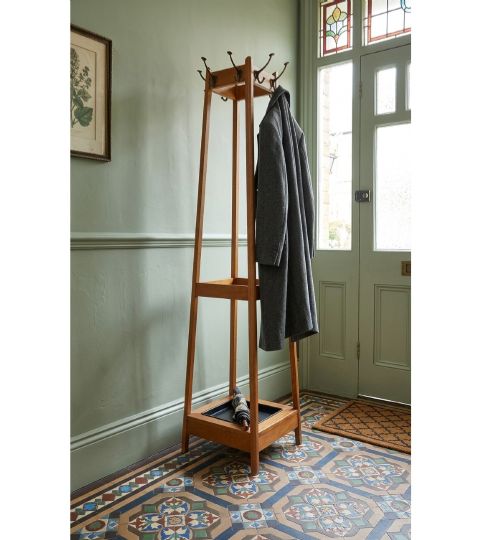
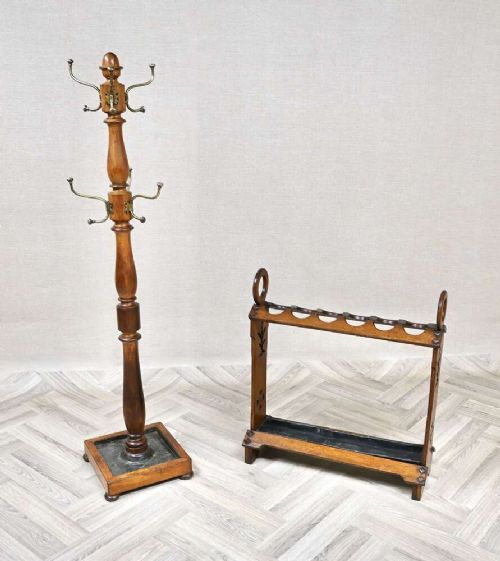
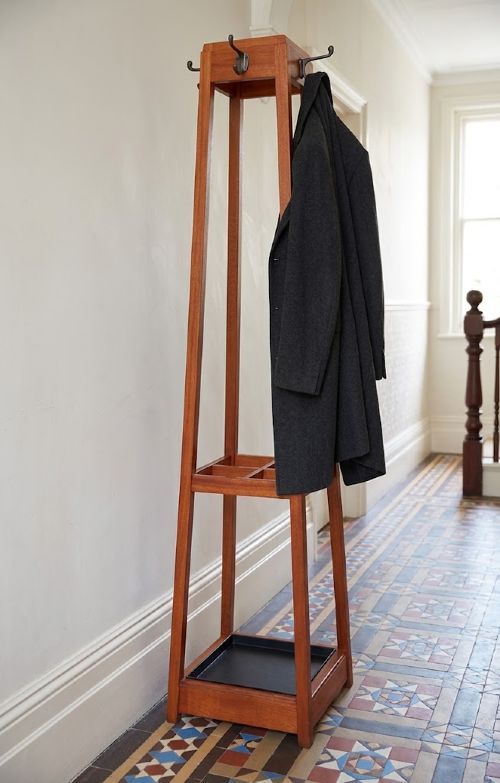
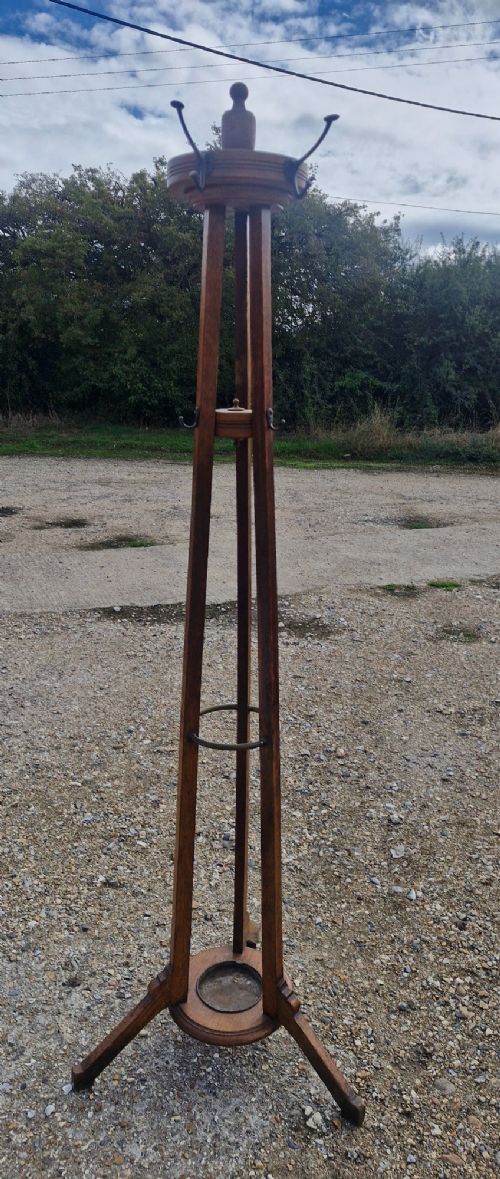
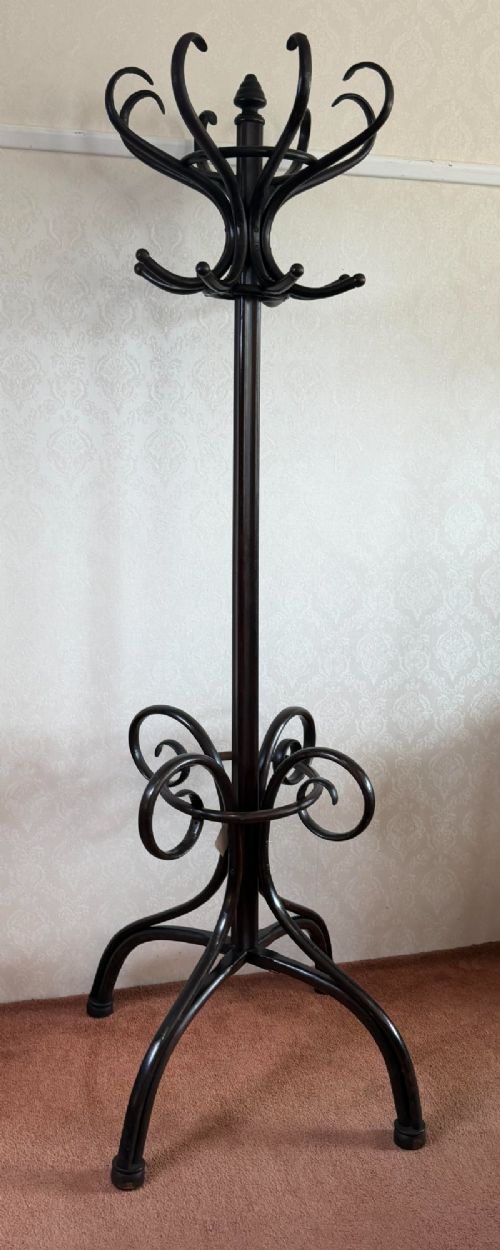
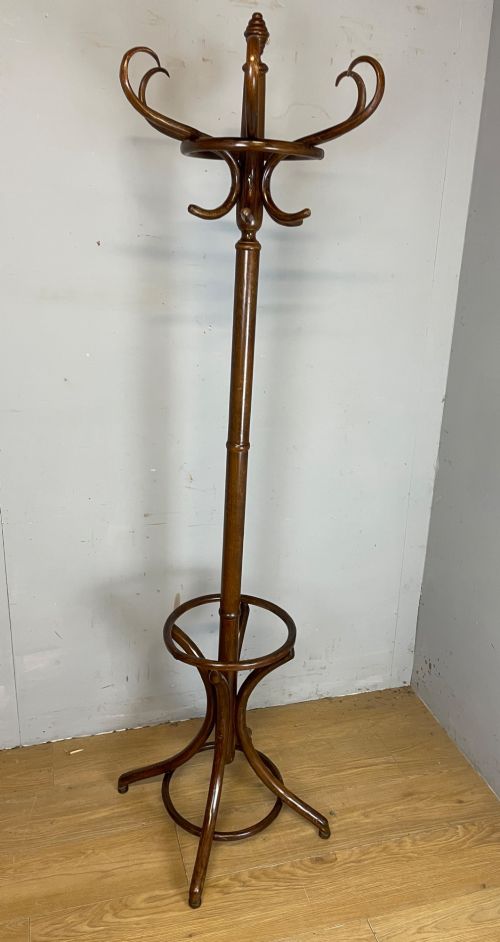
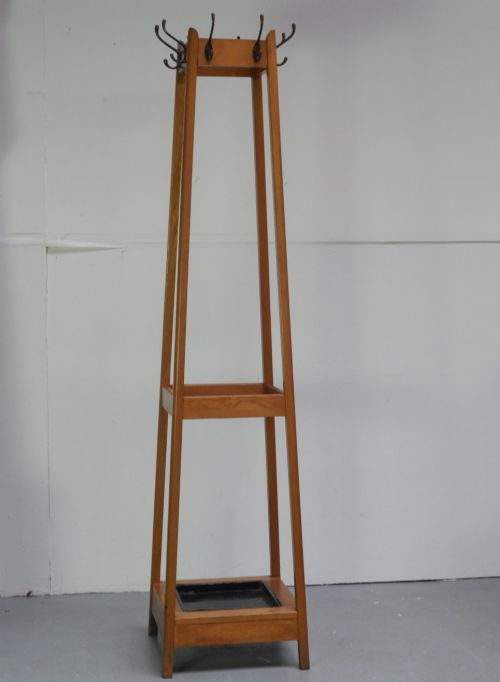
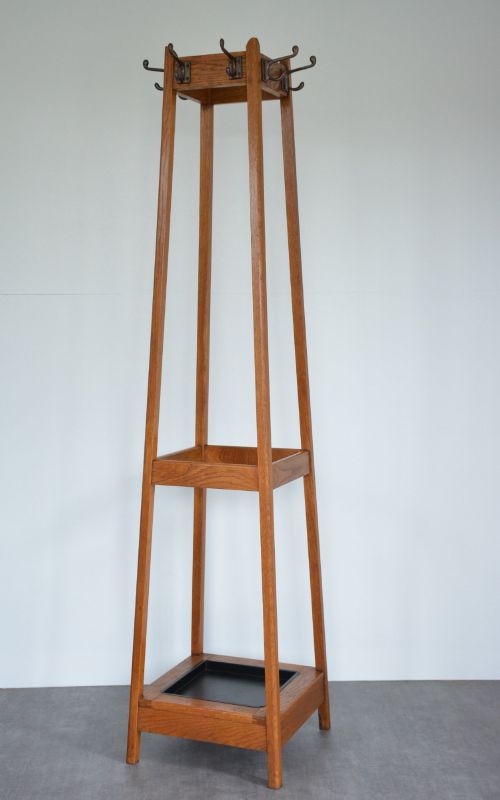
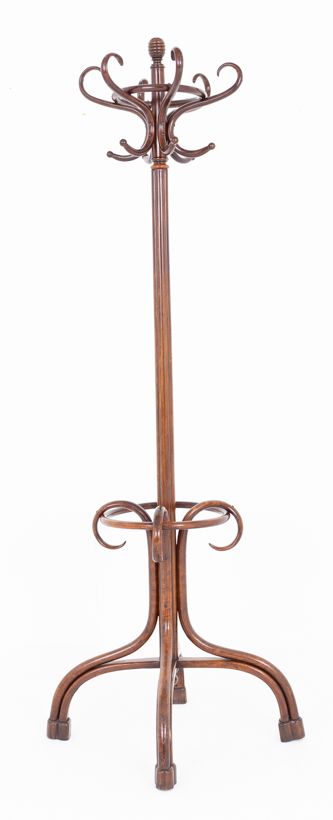
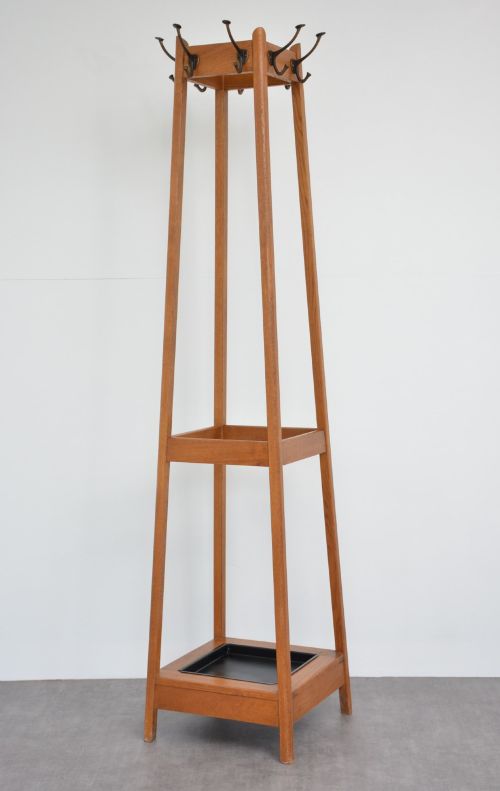
A hall tree umbrella holder serves as a combined furniture piece for hanging outerwear and storing wet sticks or umbrellas upon entry. The listings show forms ranging from heavy oak hall stands to lighter bentwood designs.
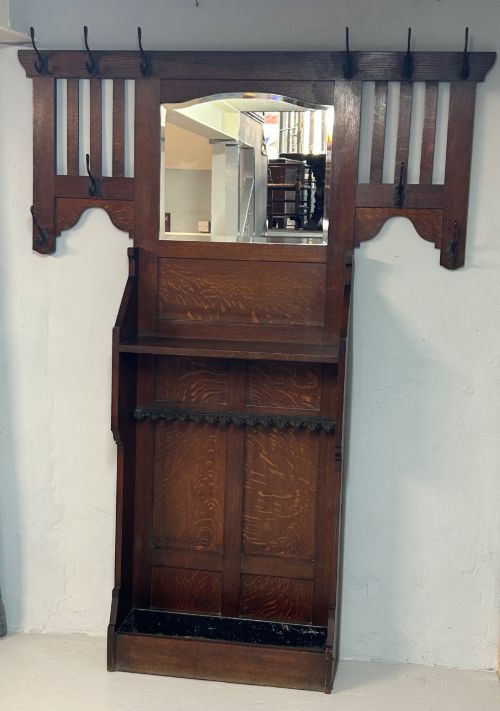
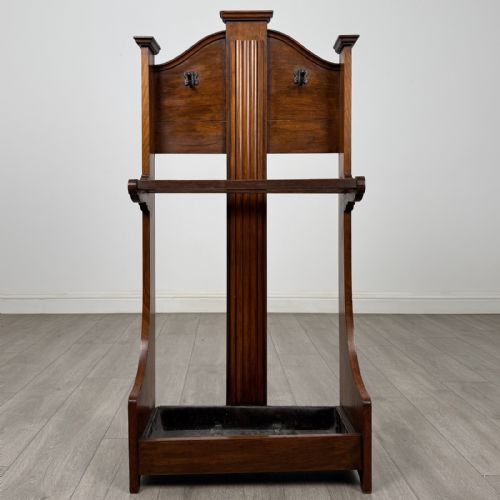
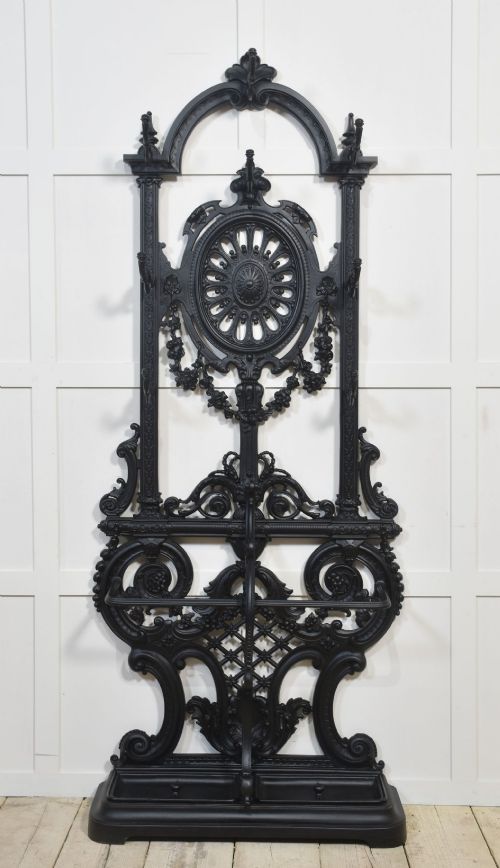
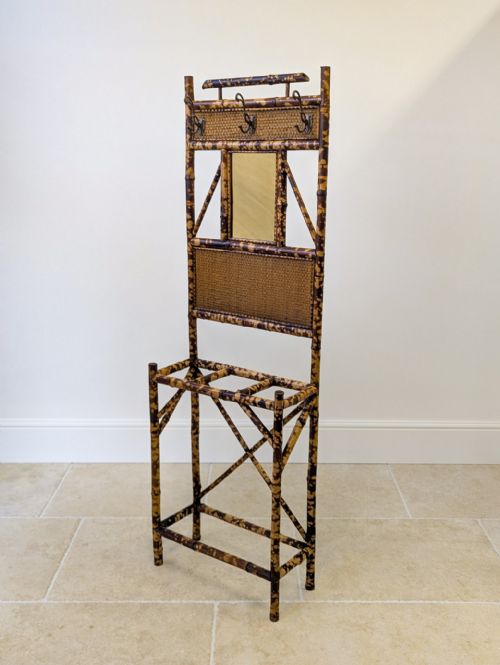
Victorian and Edwardian examples dominate the selection, often incorporating hooks, mirror panels, and lower umbrella wells with drip trays. Buyers frequently encounter robust timber construction alongside occasional cast iron and bamboo variants.
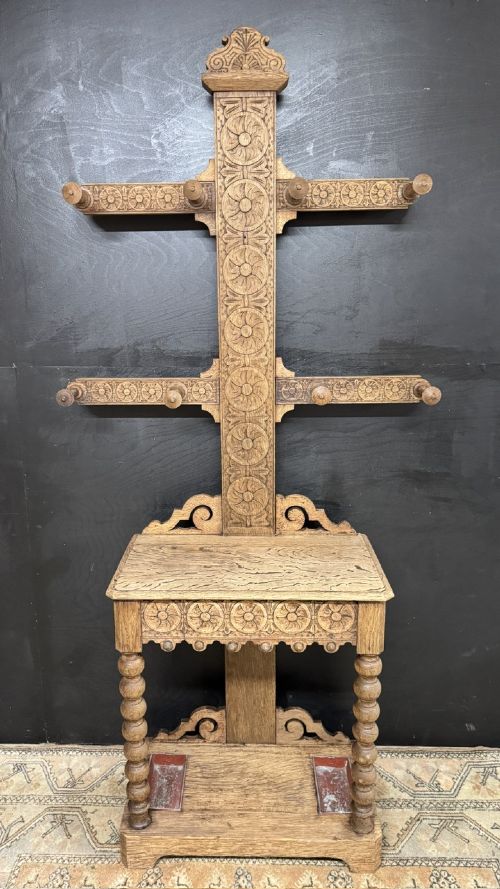
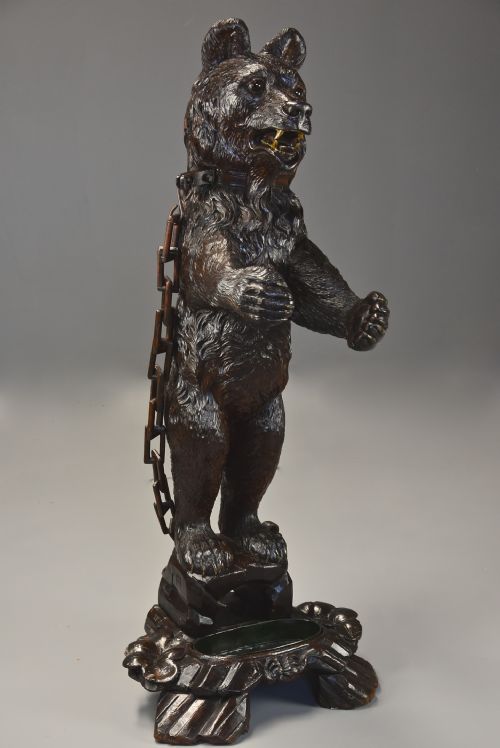
The objects span multiple decades from the nineteenth century into the mid-twentieth century, including Arts and Crafts interpretations and Black Forest carved animal motifs. Each variation addresses the practical needs of the hallway with distinct regional or period tastes.
How they were made
Makers utilised solid timbers like oak, mahogany, and beech, often shaped through steam bending techniques in Austrian bentwood pieces. Carving and joinery define the structural frames, particularly in elaborate nineteenth-century versions.
Metal elements appear frequently, utilising cast iron, brass, and incorporated drip trays to catch water from umbrellas. Glass components and marble shelves add contrasting textures to specific Victorian and Edwardian iterations.
Hall Tree Umbrella Holder Retail Price Guide 2026
Typical asking prices for hall tree umbrella holder among the pieces listed under this phrase on Sellingantiques today, from the lower quarter to the upper quarter. They describe what is for sale here now, not the wider market.
The listings show materials ranging from oak, beech, and mahogany to cast iron, brass, and glass.
What varies in quality
Depth of carving and sculptural detail separate standard hall furniture from exhibition pieces, as seen in elaborate Black Forest bear motifs. Timber selection also dictates grade, with figured golden oak or rich mahogany representing higher tiers of production.
Structural integrity depends on the retention of original hardware, such as brass coat hooks, mirrors, and metal drip trays. Pieces retaining their complete fitted components demonstrate superior preservation compared to altered examples.
The Hall Tree Umbrella Holder Glossary
- Hall Stand
- A piece of furniture designed for an entrance hall, combining hooks for coats, a mirror, and umbrella storage. These items organise outerwear in domestic settings.
- Bentwood
- Wood heated by steam and bent into curved shapes, commonly utilised in chairs and coat stands. This technique creates lightweight yet strong frames.
- Drip Tray
- A removable metal basin placed at the base of umbrella holders to catch water from wet sticks. It protects the surrounding wood flooring from moisture damage.
- Aesthetic Movement
- A late nineteenth-century design movement that emphasised visual beauty over narrative subject matter. Pieces from this period often incorporate bamboo and Japanese-inspired motifs.
- Black Forest
- A style of intricate wood carving originating from the mountain region in Germany, typically featuring bears and forest animals. These carvings often form the structural supports of hall stands.
Hall Tree Umbrella Holder: Frequently Asked Questions
Where should I place a hall stand?
These pieces suit entrance halls and corridors where guests remove coats and umbrellas.
Ensure adequate wall clearance and check that the height accommodates longer garments without crowding the space.
How do I maintain the drip trays?
Remove the metal trays periodically to empty accumulated water and prevent rust formation.
Dry the metal thoroughly before returning it to the wooden base of the umbrella holder.
Can these hold heavy winter coats?
Most examples utilise robust timber frames designed to bear the weight of heavy wool coats and hats.
Inspect the fixings of individual hooks to confirm stability before loading them with heavy garments.
How do I identify Victorian pieces?
Victorian items often feature darker mahogany or oak timbers, ornate carvings, and integrated bevelled mirrors.
Construction methods typically rely on traditional joinery and heavy brass or cast iron hardware.