


Hall Stick Rack
When choosing a hall stick rack, you select a functional piece designed to organise wet umbrellas, walking canes, and heavy outerwear near the entrance of a home.
Hall Stick Rack
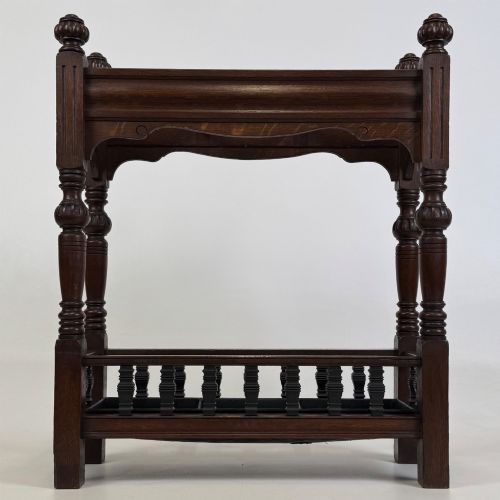
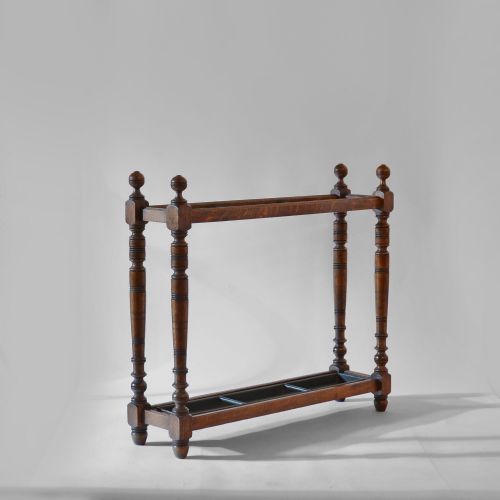
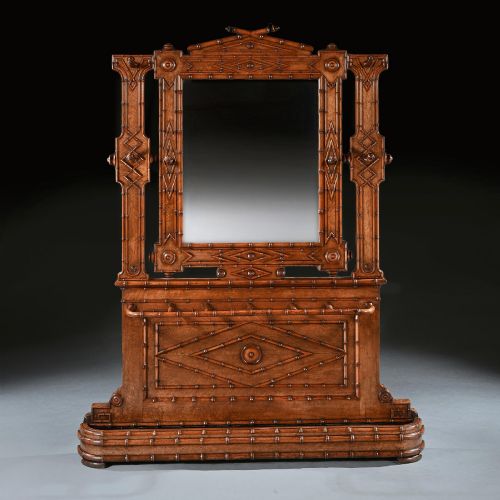
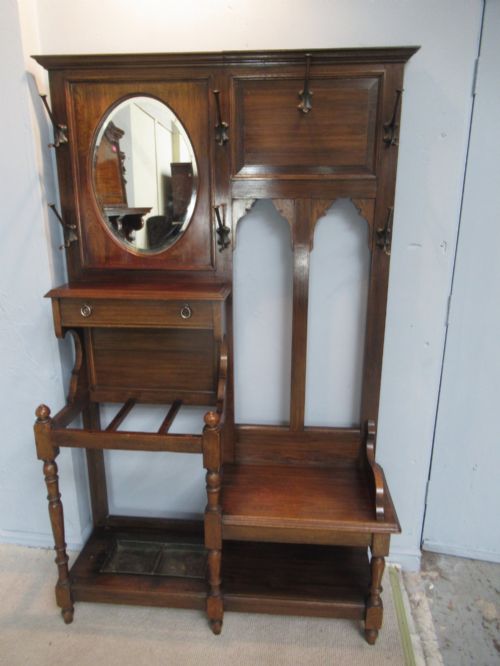
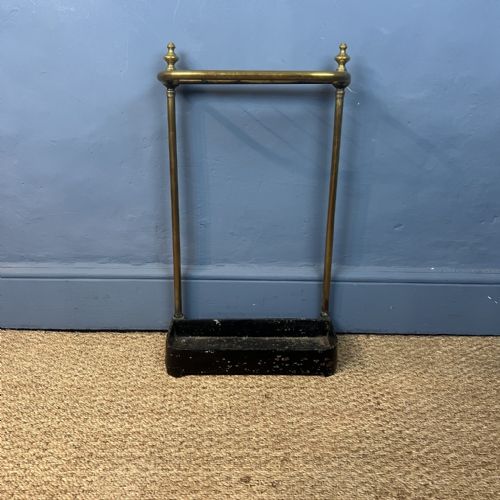
A hall stick rack serves as a practical entryway furnishing designed to hold umbrellas, walking canes, and riding crops while keeping entranceways tidy. These pieces range from dedicated standalone umbrella holders to large multi-functional hall furniture combining coat hooks, mirrors, and hat shelves.
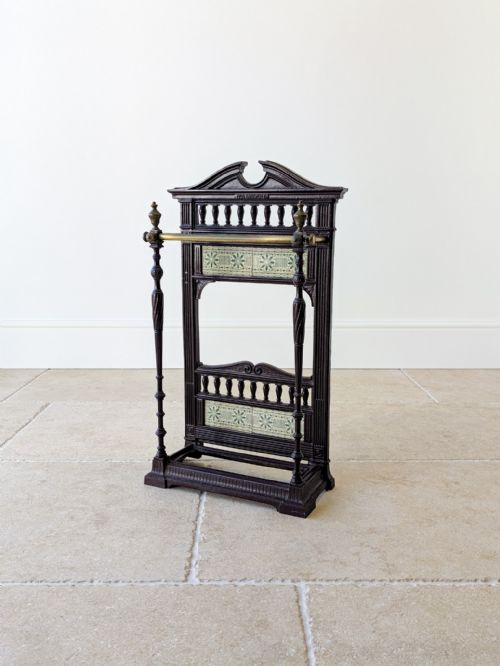
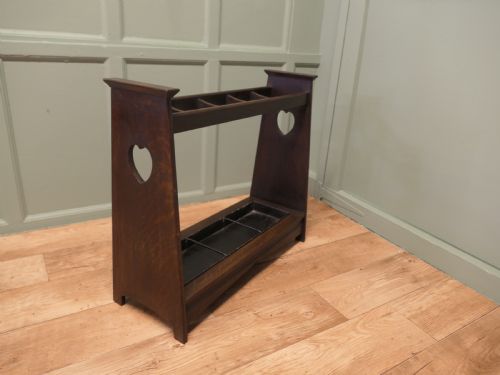
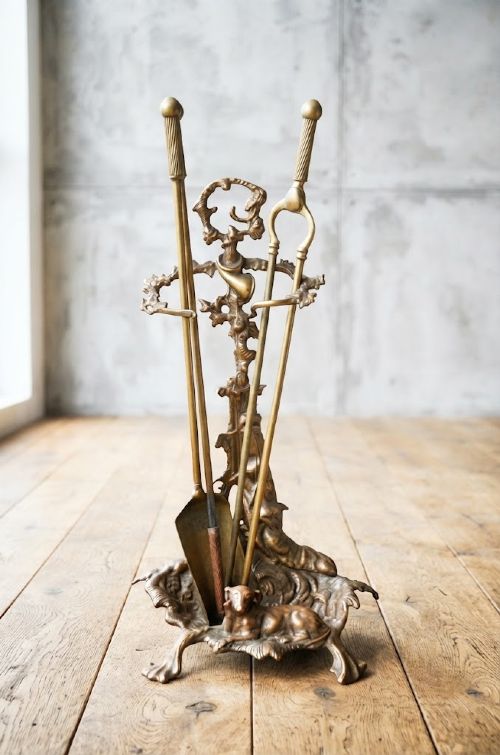
The versions most commonly met on this page date from the Victorian and Edwardian periods, alongside substantial examples from the Arts and Crafts and Art Nouveau movements. Oak and mahogany dominate the timber forms, while heavy cast iron and polished brass feature heavily in standalone frames.
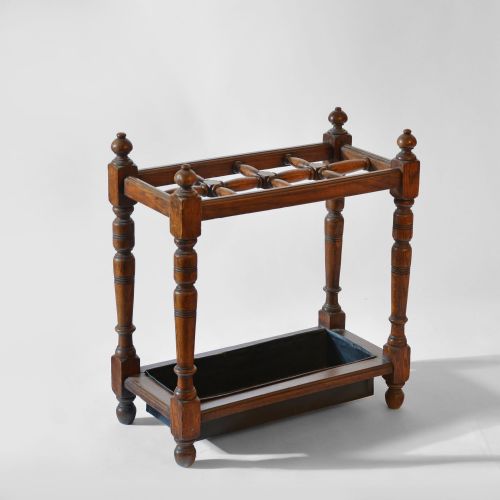
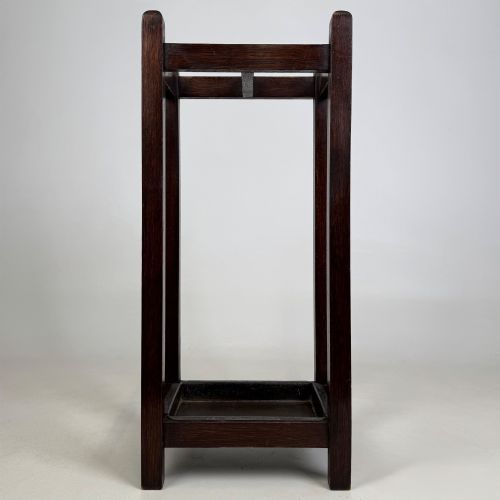
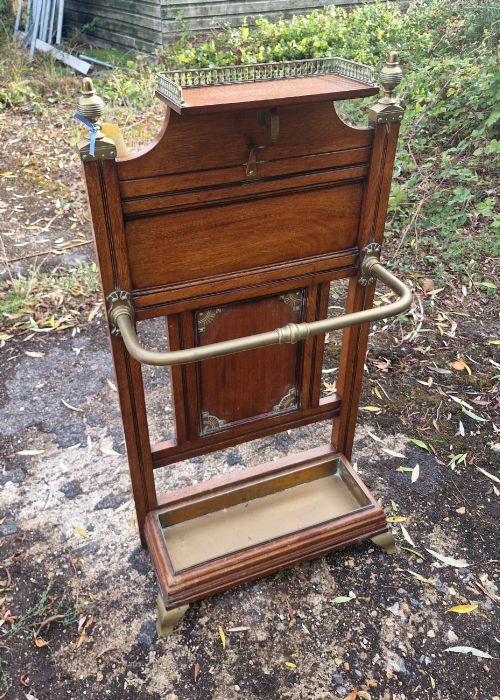
Makers integrated practical elements such as removable metal drip trays to catch rainwater and protect wooden flooring. Buyers encounter both compact domestic models and expansive country house versions designed to handle large quantities of outdoor gear.
How They Were Made
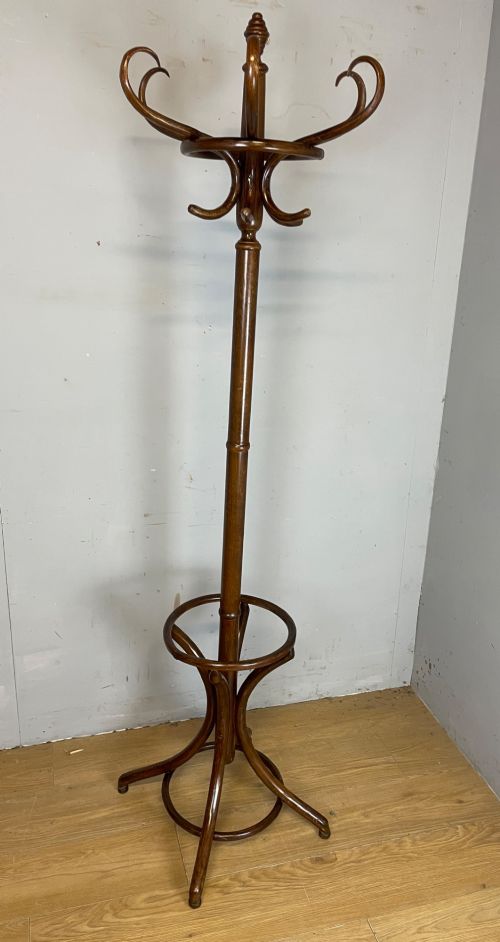
Carpenters constructed the wooden frames using sturdy timbers like oak, mahogany, and beech, frequently employing bentwood techniques to curve beech into smooth hat and coat hooks. Golden oak and dark mahogany receive durable finishes to withstand daily wear in busy hallways.
Foundries produced the heavy metal elements through sand casting, creating intricate cast iron frames shaped into botanical motifs, faux bamboo, or geometric patterns. Brass rails, dividers, and companion sets provide polished contrast against dark iron and warm timber.
Makers incorporated functional accessories including zinc or galvanized metal drip trays positioned beneath the stick divisions to collect moisture. Integrated mirrors and brass cloak hooks were securely screwed or doweled into the main backboards of larger hall furniture.
Listings include cast iron, oak, metal, brass, glass, mahogany, bamboo, and mirror across Victorian, Edwardian, and Art Deco periods.
What Varies in Quality
The distinction between standard utility items and finer examples lies in the crispness of the casting and the selection of timber. Cast iron models with sharply defined mouldings and intricate openwork exhibit superior foundry work compared to softer, blurred castings.
Substantial construction methods differentiate robust pieces from lighter alternatives, visible in solid oak frames versus veneered substitutes. The presence of original, matching metal drip trays and intact brass division bars indicates a higher degree of preservation and original integrity.
Coalbrookdale·Thonet·J. Parker of Woodstock
The Hall Stick Rack Glossary
- Faux bamboo
- A decorative carving technique where wood or cast iron is shaped to imitate natural bamboo stalks. This style appears frequently on nineteenth-century pieces influenced by Japanese design.
- Demi-lune
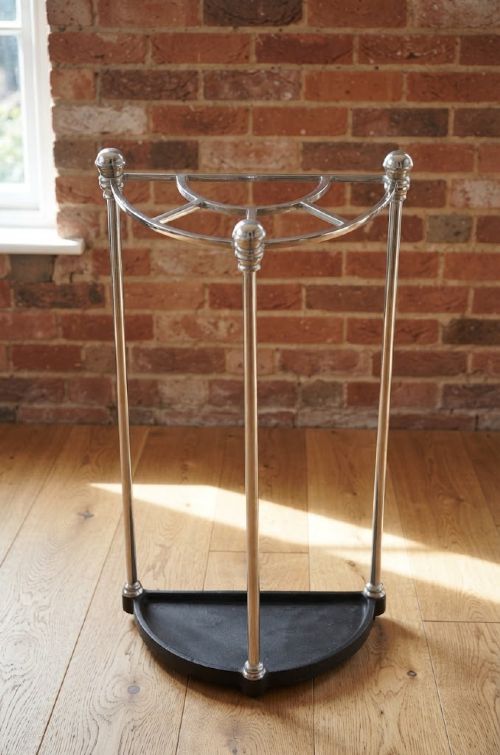
- A half-moon or semicircular shape utilised in the design of space-saving wall-adjacent umbrella stands. This profile allows the rack to sit flush against an entryway wall.
- Bentwood
- Timber softened by steam and bent into curved structural forms under pressure. This method creates lightweight yet resilient frames for coat and hat hooks.
- Aesthetic Movement
- A late nineteenth-century design style emphasising visual beauty over narrative subject matter. Pieces from this period often feature stylized natural motifs and dark timber.
Hall Stick Rack: Frequently Asked Questions
Where should a hall stick rack go?
These pieces belong in an entrance hall, vestibule, or boot room where wet outerwear and walking aids accumulate. Placing them near the primary doorway protects interior flooring from dripping rainwater.
Standalone frames fit neatly into narrow corners, while larger combination pieces require adequate wall space and clearance for hanging coats.
How do I protect timber frames from moisture?
The integrated metal drip trays catch the majority of water draining from wet umbrellas and walking sticks. Ensuring these trays remain clean and dry prevents stagnant moisture from reaching the wooden base.
Applying occasional furniture wax to oak and mahogany surfaces maintains a protective barrier against ambient hallway humidity.
How can I tell Victorian pieces apart from Edwardian ones?
Victorian examples typically display heavier proportions, darker timbers, and ornate cast iron ornamentation reflecting historic revival styles. They often incorporate dense foliage motifs or Gothic details.
Edwardian versions generally appear lighter in scale, favouring golden oak, simpler geometric lines, and brighter brass elements influenced by Arts and Crafts ideals.
What is the difference between a stick stand and a hall stand?
A stick stand is a compact, dedicated holder specifically designed for umbrellas, canes, and riding crops with vertical divisions. They occupy minimal floor space.
A hall stand is a larger piece of furniture that combines umbrella storage with a mirror, hat hooks, glove drawers, and coat pegs for complete entryway organisation.