

Hall Pendant Lighting
These hall pendant lighting pieces provide architectural presence and illumination, bringing period character directly into entranceways and corridors.
Hall Pendant Lighting
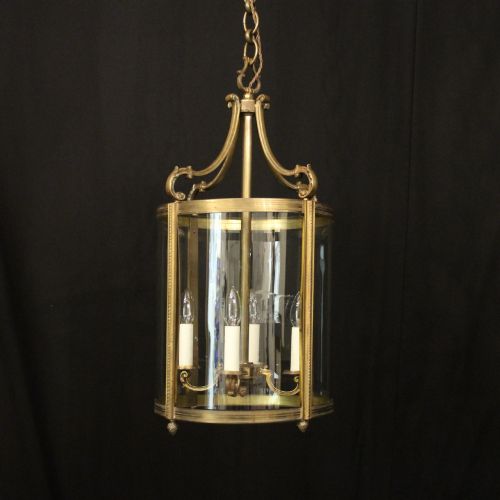
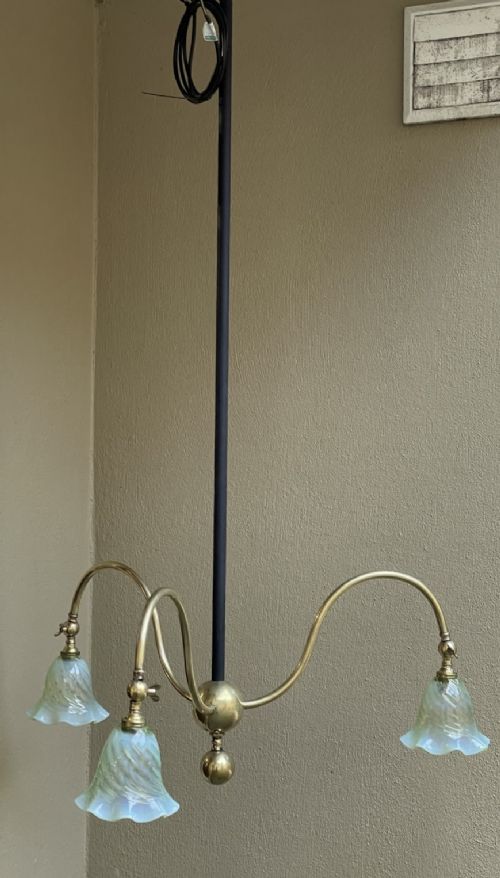
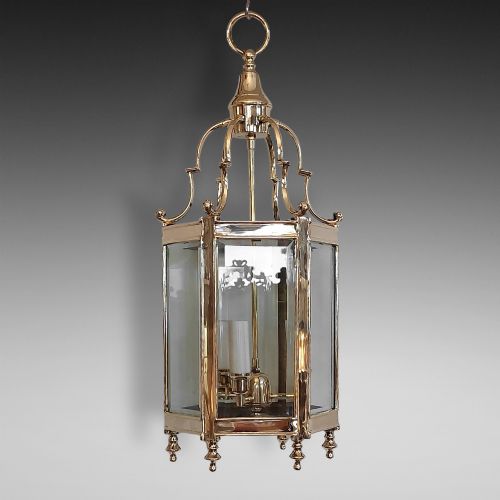
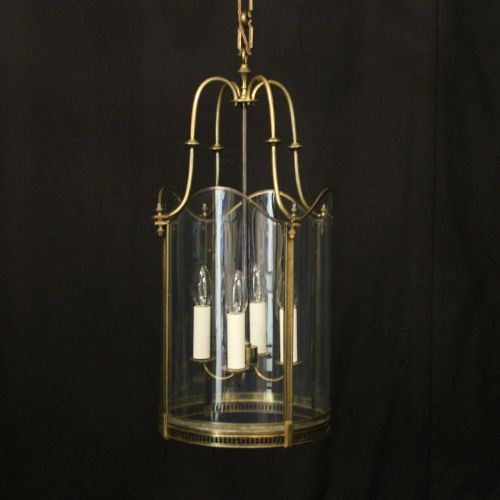
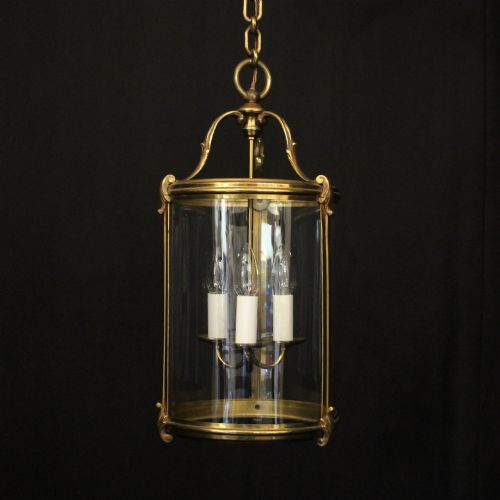
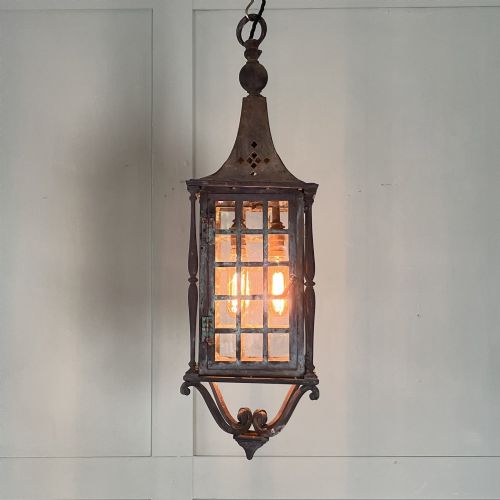
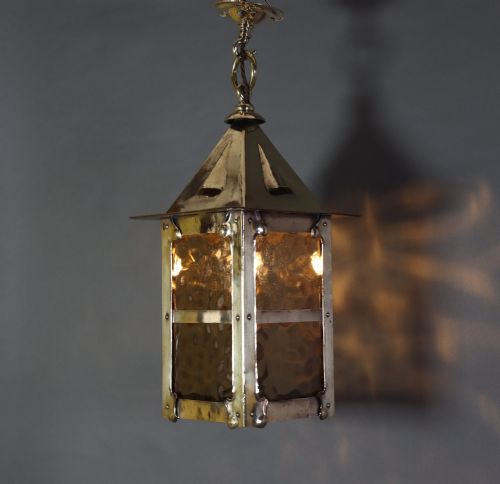
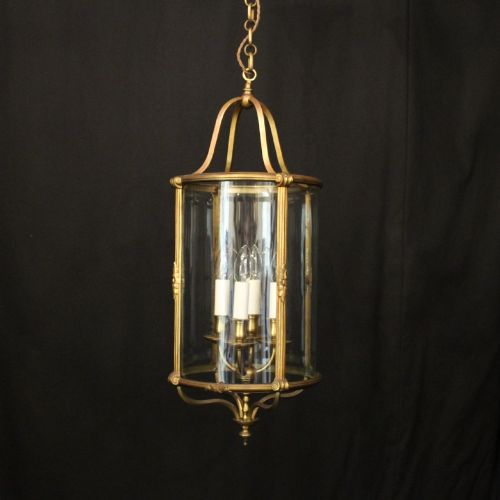
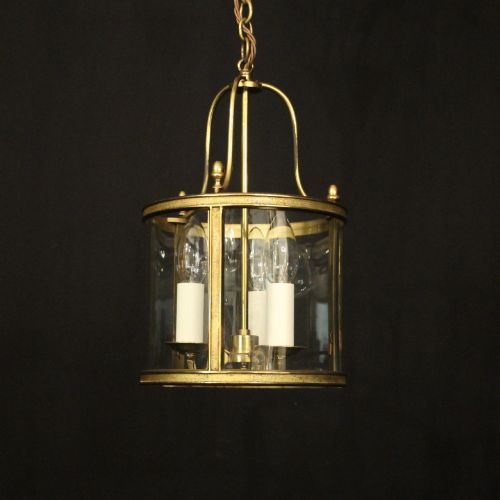
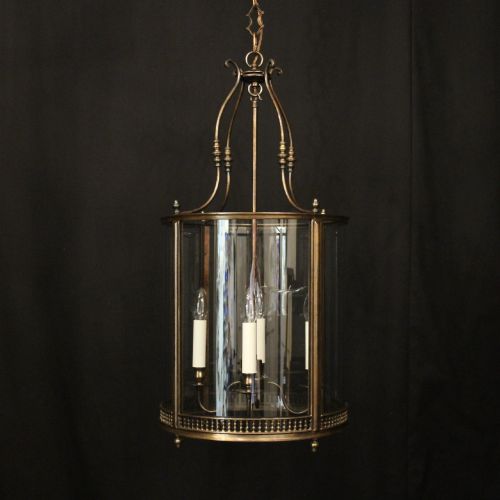
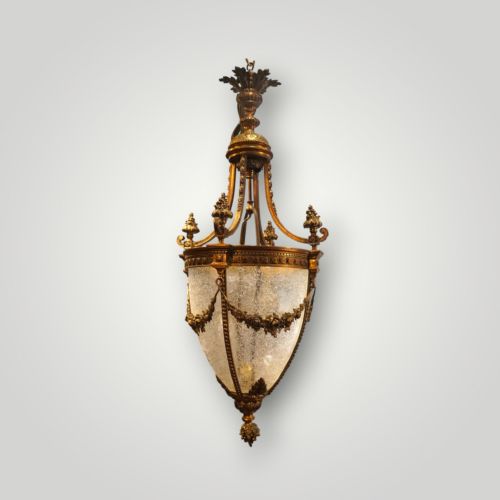
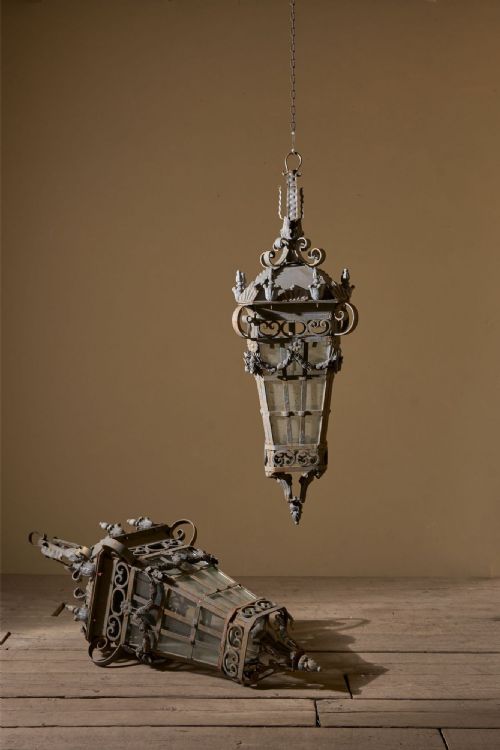
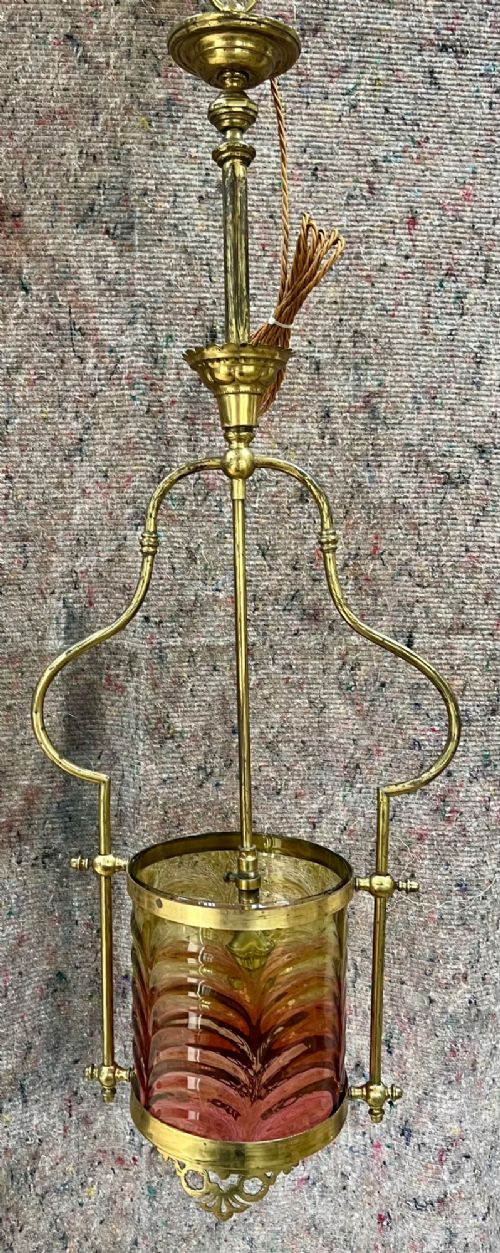
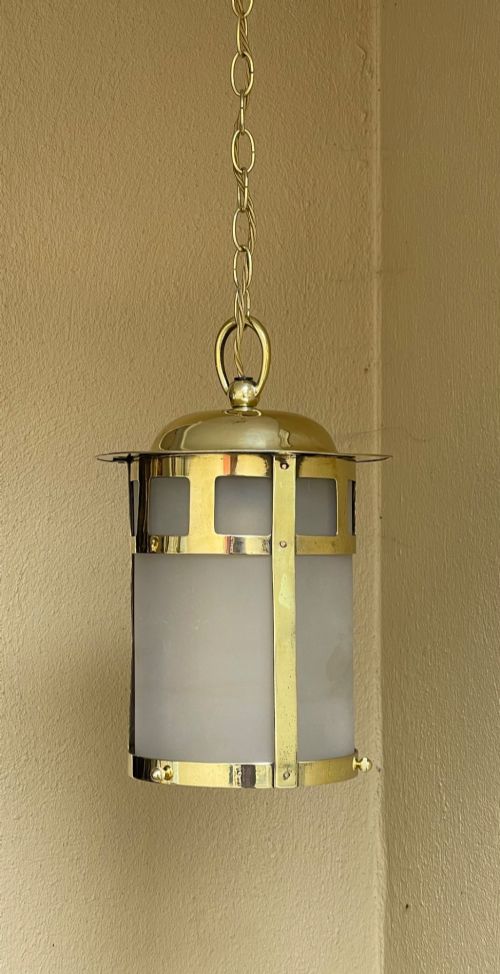
Hall pendant lighting covers hanging fixtures designed primarily for entranceways, vestibules, and corridors. Buyers seeking hall pendant lighting encounter hanging lanterns, ceiling lights, and chandeliers originating from the Victorian, Edwardian, and 1920 periods. Forms range from hexagonal and convex brass frames to multi-light French gilt bronze fixtures.
How they were made
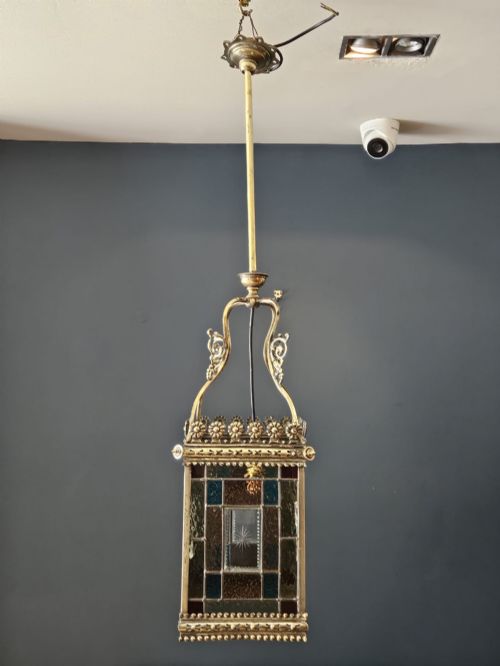
Makers constructed frames predominantly using brass, bronze, gilt bronze, wrought iron, and zinc, assembling structural elements to house glass panels securely. Hand-blown bull's-eye glass and leaded glass panes required specialised glassmaking techniques to achieve varied optical effects and textures within the lanterns.
Gilding was applied to brass and bronze surfaces to enhance reflectivity in dimly lit hallways. Metalwork details included hinged doors for access, decorative fretwork, and soldered lead channels framing individual glass segments.
Several lanterns include small operational side doors, originally designed so butlers could reach inside with matches to relight stubborn flames.
What varies in quality
Quality separates through the weight of the metal casting, the clarity and thickness of the glass panels, and the refinement of surface chasing. Heavier gauge brass and solid bronze frames maintain structural integrity better than lighter alternatives.
The sophistication of the period style influences desirability, from simple utilitarian hall lighting to elaborate French gilded lanterns with multi-light configurations and etched glass.
The Hall Pendant Lighting Glossary
- Convex glass
- Curved glass panels that project outward, frequently seen on French hall lanterns to diffuse light more widely across a space.
- Lead glass
- Glass formed with lead content or held together within lead cames, providing flexibility and structural support for complex geometric or stained glass designs.
- Gilt bronze
- Bronze metal treated with a thin layer of gold or gold-coloured finish, combining durability with a lustrous decorative surface.
- Hexagonal form
- A six-sided geometric shape commonly utilised for the frames of hanging hall lanterns to maximise light distribution from multiple angles.
- Bulls-eye glass
- Thick blown glass featuring a central circular distortion or concentric rings, adding texture and privacy while softening internal illumination.
Hall Pendant Lighting: Frequently Asked Questions
How do I hang a hall pendant light?
These fixtures suspend from ceilings using chains or rigid rods attached to a mounting canopy.
Ensure the hanging height allows sufficient clearance beneath the fixture for foot traffic in your hallway.
Are these lights electrified?
Many period pieces have been adapted for modern electrical wiring while retaining their historic metal and glass frames.
Check individual specifications to confirm internal bulb fittings and wiring capacity before installation.
How do I clean antique glass and brass?
Wipe metal surfaces gently with a soft, dry cloth to preserve patination without stripping surface finishes.
Clean glass panels using standard glass cleaner applied to a cloth rather than sprayed directly onto the surrounding metal.
How do I date a hall lantern?
Examine construction methods, metal types, and stylistic indicators such as Art Nouveau curves or Victorian proportions.
Periods represented range from nineteenth-century designs through Edwardian and 1920s French productions.