


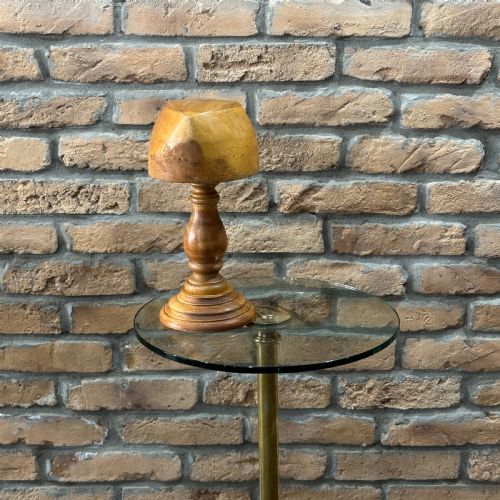


Haberdashery Display Stand
A haberdashery display stand solves the persistent need to present millinery, cotton reels, and shop stock with practical shop-floor elegance.
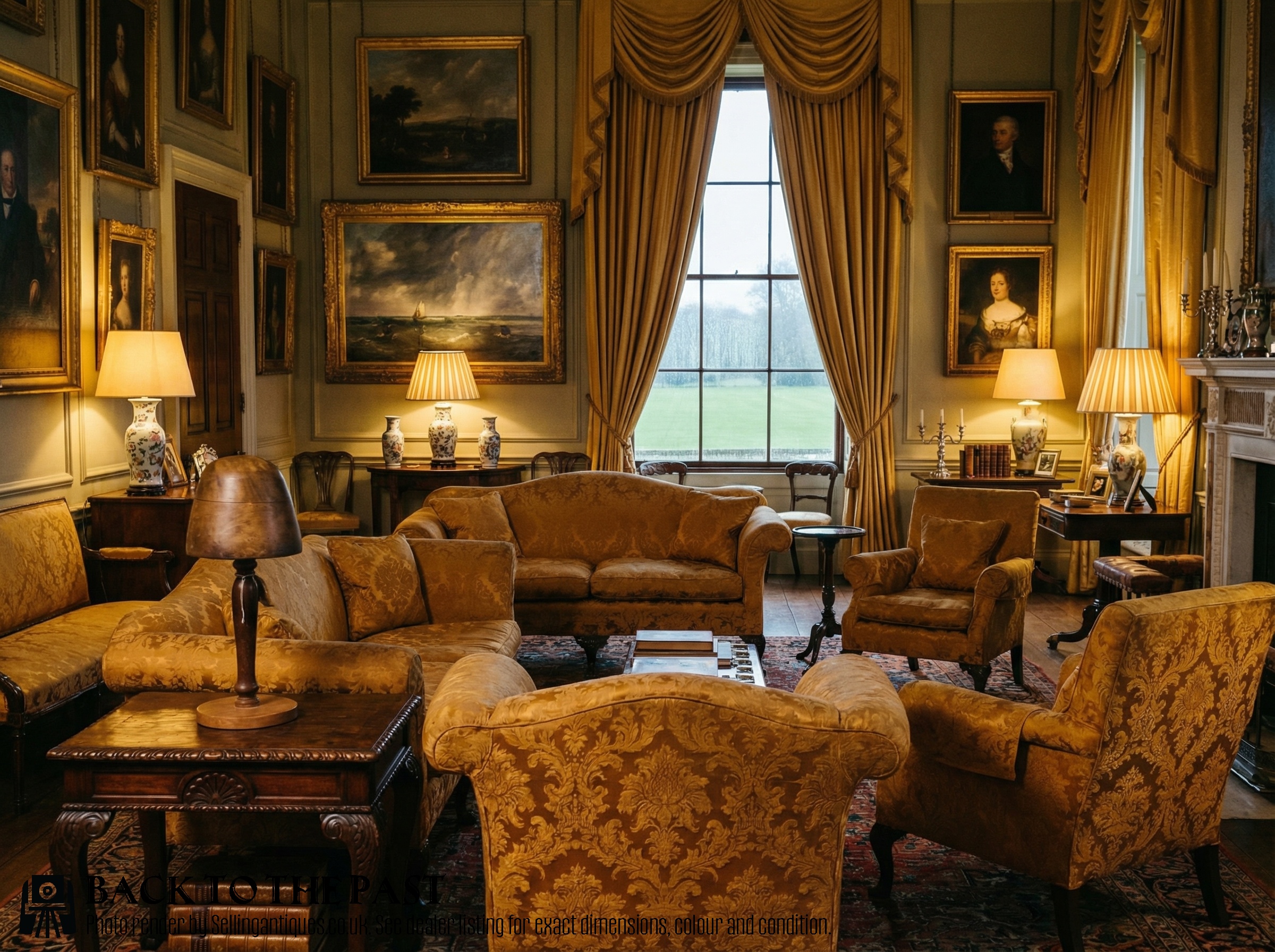
Haberdashery Display Stand
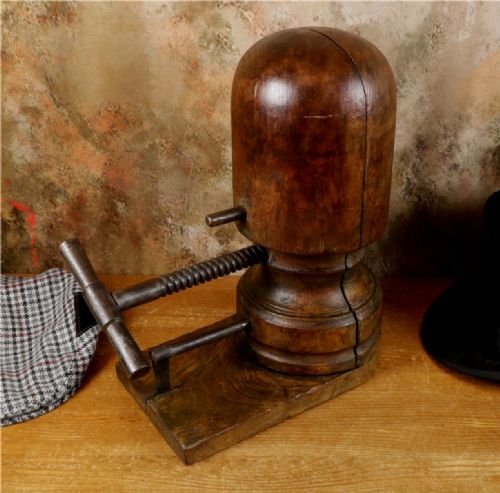
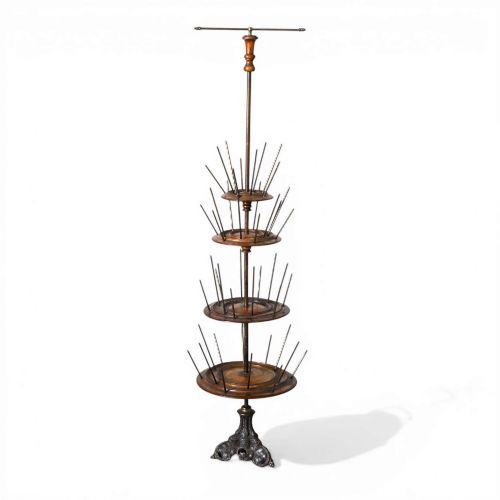
A haberdashery display stand encompasses functional retail fixtures from hat stands and milliner's sizers to cotton reel display trees and multi-tiered shop fitting counters. These pieces originate from the nineteenth century, the Victorian era, and early decades like the nineteen-twenties and nineteen-thirties, reflecting authentic commercial provenance.
The version most commonly encountered on this page is the countertop or freestanding hat stand, often constructed from brass and cast iron, designed for displaying headwear in shop windows and interior retail spaces.
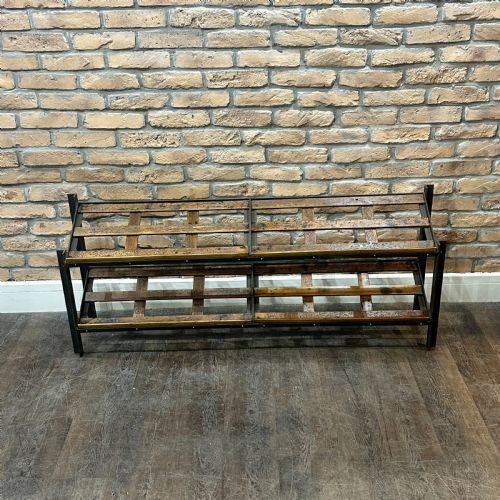
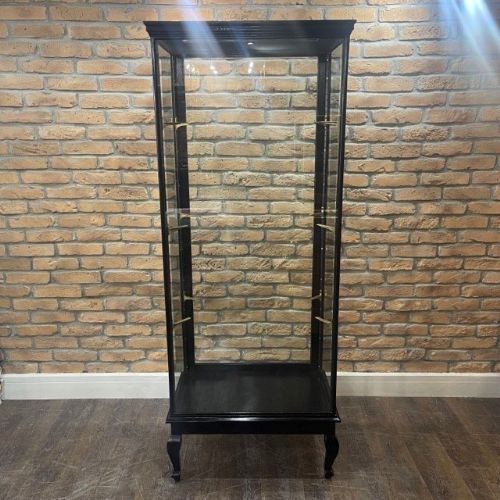
Beyond simple hat stands, the category extends to larger furniture including oak tailors shop display tables, ebonized tower cabinets, and glazed shop display cabinets which served the daily trade of drapers and milliners.
Materials and Construction
Makers utilised sturdy structural metals including brass, cast iron, bronze, and steel alongside robust timbers such as oak, walnut, beech, hardwood, and ebonized wood. These materials provided the necessary rigidity for heavy commercial use in busy retail environments.
Combination pieces frequently pair metal uprights and bases with wooden forms, blocks, or display surfaces, occasionally incorporating glass for cabinet glazing and fabric elements for specialised displays.
Object types range from countertop hat stands and milliner's stretchers to glazed shop display cabinets and tailors tables.
Assessing Quality and Execution
Quality in a haberdashery display stand rests upon the integrity of its original commercial engineering, visible in the weight of the cast iron base and the clean turning of wooden hat blocks or stretchers. Pieces bearing specific workshop attribution, such as those by Siegel, demonstrate superior execution in their metalwork and joinery.
The balance between utilitarian durability and considered decorative detail dictates distinction, where simple functional shop fittings contrast with Arts and Crafts golden oak designs or refined Art Deco window display stands.
The Haberdashery Display Stand Glossary
- Milliner's hat sizer
- A specialised device used in hat-making and retail to measure or adjust the circumference of headwear. These wooden tools double as sculptural display objects.
- Cotton reel display tree
- A tiered vertical fitting designed to hold multiple spools of sewing thread for customer selection in a draper's shop. They typically feature rotating or fixed circular tiers.
- Hat stretcher
- A mechanical wooden tool utilised by hatters to expand or maintain the size of hats. In a retail setting, they serve as striking display items.
- Ebonized
- Wood that has been chemically or physically finished to resemble ebony. This dark, dense appearance is frequently found on nineteenth-century and nineteen-twenties retail cabinets.
- Shop fitting
- Fixtures and furniture built specifically for the interior layout and merchandise presentation of a retail establishment. These pieces are engineered for heavy commercial endurance.
Haberdashery Display Stand: Frequently Asked Questions
What is a haberdashery display stand?
A haberdashery display stand is an antique commercial fixture designed to hold and showcase items like hats, cotton reels, and garments in a retail shop or showroom.
These pieces originate from nineteenth-century and early twentieth-century trade environments, combining utilitarian durability with period craftsmanship.
How were these stands used originally?
Merchants and drapers used these stands on countertops, in display windows, and on shop floors to present merchandise clearly to customers.
Specialised forms like hat stretchers and milliner's blocks also served a practical function in shaping and sizing headwear before placing them on display.
What materials are most common?
The listings show a frequent combination of metals like brass, cast iron, and bronze paired with solid timbers such as oak, walnut, beech, and hardwood.
Glass and ebonized finishes also appear on larger cabinets and specialised retail display furniture from the period.
How do I date a display stand?
Dating relies on identifying stylistic markers associated with specific periods like the Victorian era, Arts and Crafts movement, Art Deco, or nineteen-thirties commercial design.
Construction methods, material choices, and the specific form of the ironwork or woodwork provide further clues to the manufacturing era.
Can I use these stands in a modern home?
These stands integrate easily into contemporary interiors as sculptural display pieces for hats, accessories, or collectibles.
Their robust industrial and commercial construction ensures they remain stable and functional for everyday household use.